

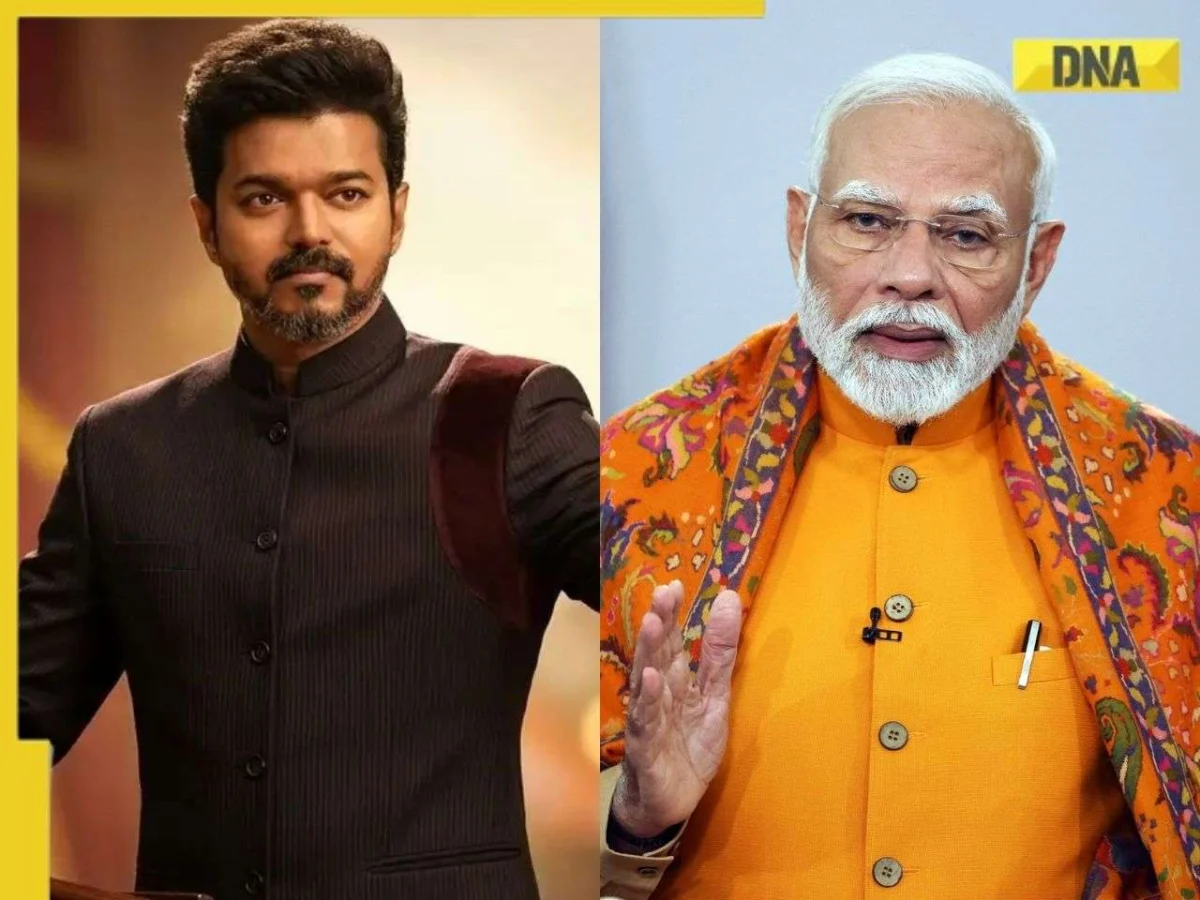
Chennai, Tamil Nadu – In a significant display of proactive governance, Tamil Nadu Chief Minister Thalapathy Vijay has penned a crucial letter to Prime Minister Narendra Modi, urging for the immediate revision of import duties on cotton. This strategic appeal, made just days after assuming office and following a decisive action to close over 700 liquor shops, underscores CM Vijay’s commitment to bolstering the state’s economic backbone and protecting its workforce. The textile industry, a cornerstone of Tamil Nadu’s economy and a vital source of employment, particularly for rural women, is facing an unprecedented crisis driven by soaring cotton and yarn prices. CM Vijay’s intervention highlights his understanding of the intricate economic challenges and his determination to implement pragmatic solutions at the national level.
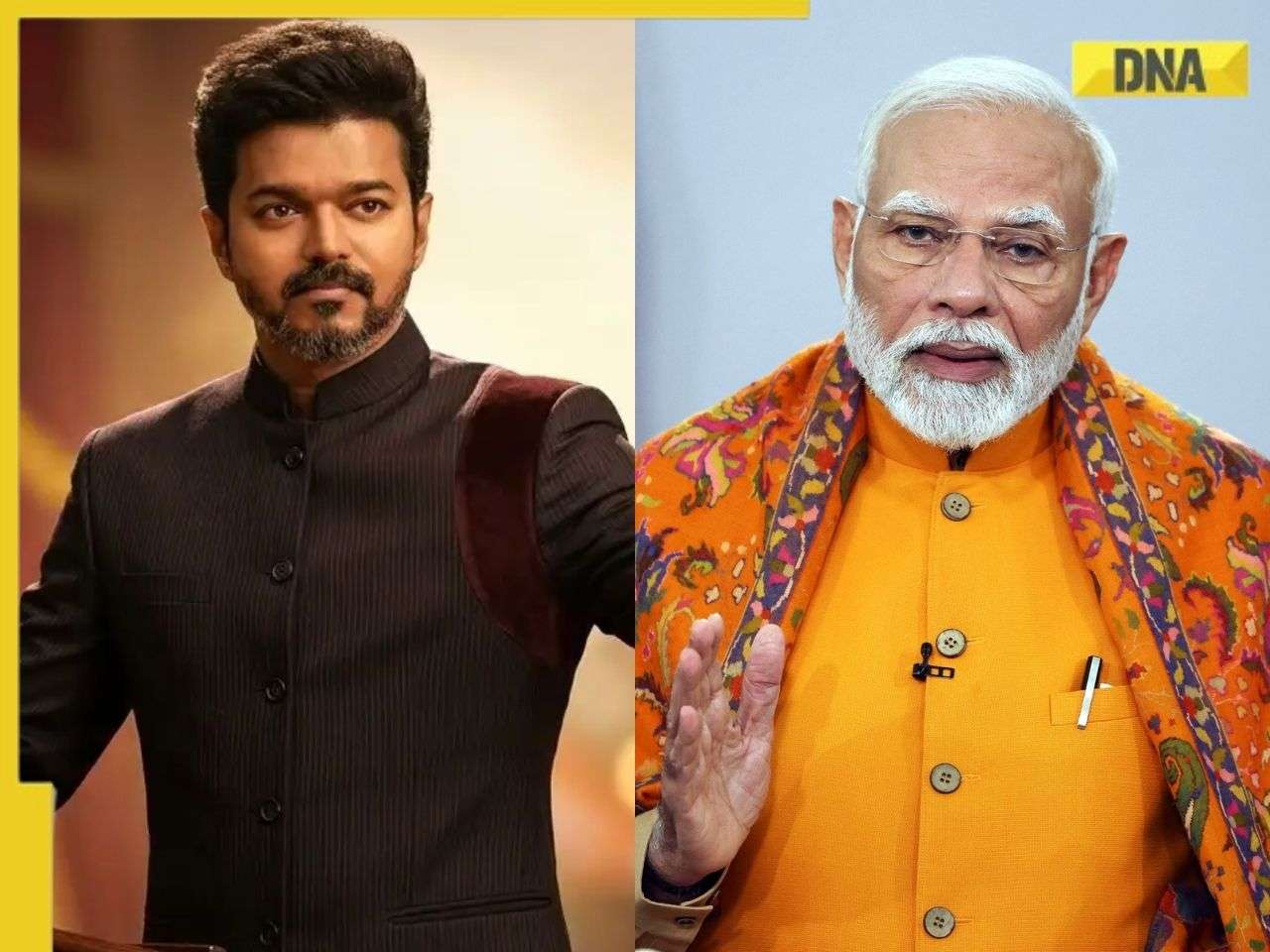
The Looming Crisis: A Threat to Tamil Nadu’s Textile Powerhouse
Tamil Nadu stands as a titan in India’s textile and apparel landscape, boasting the largest share of exports and providing livelihoods to millions. However, this formidable industry is currently teetering on the brink of a severe downturn. Chief Minister Vijay’s letter to Prime Minister Modi articulates the gravity of the situation, attributing the "severe crisis" to a confluence of factors: a significant shortfall in domestic cotton production coupled with a surge in trading activities. This dual pressure has propelled cotton and yarn prices to alarming heights, creating a critical raw material shortage that threatens the industry’s very survival.
)
"Tamil Nadu is India’s largest textile and apparel exporting state," CM Vijay emphasized in his missive. "Lakhs of people are dependent on this sector for both direct and indirect employment, especially women primarily from rural and semi-urban backgrounds. Of late, the industry is facing a severe crisis due to an increase in cotton prices and, consequently, yarn prices. I understand this is caused primarily due to the shortage of cotton production and increase in trading activity in the country."
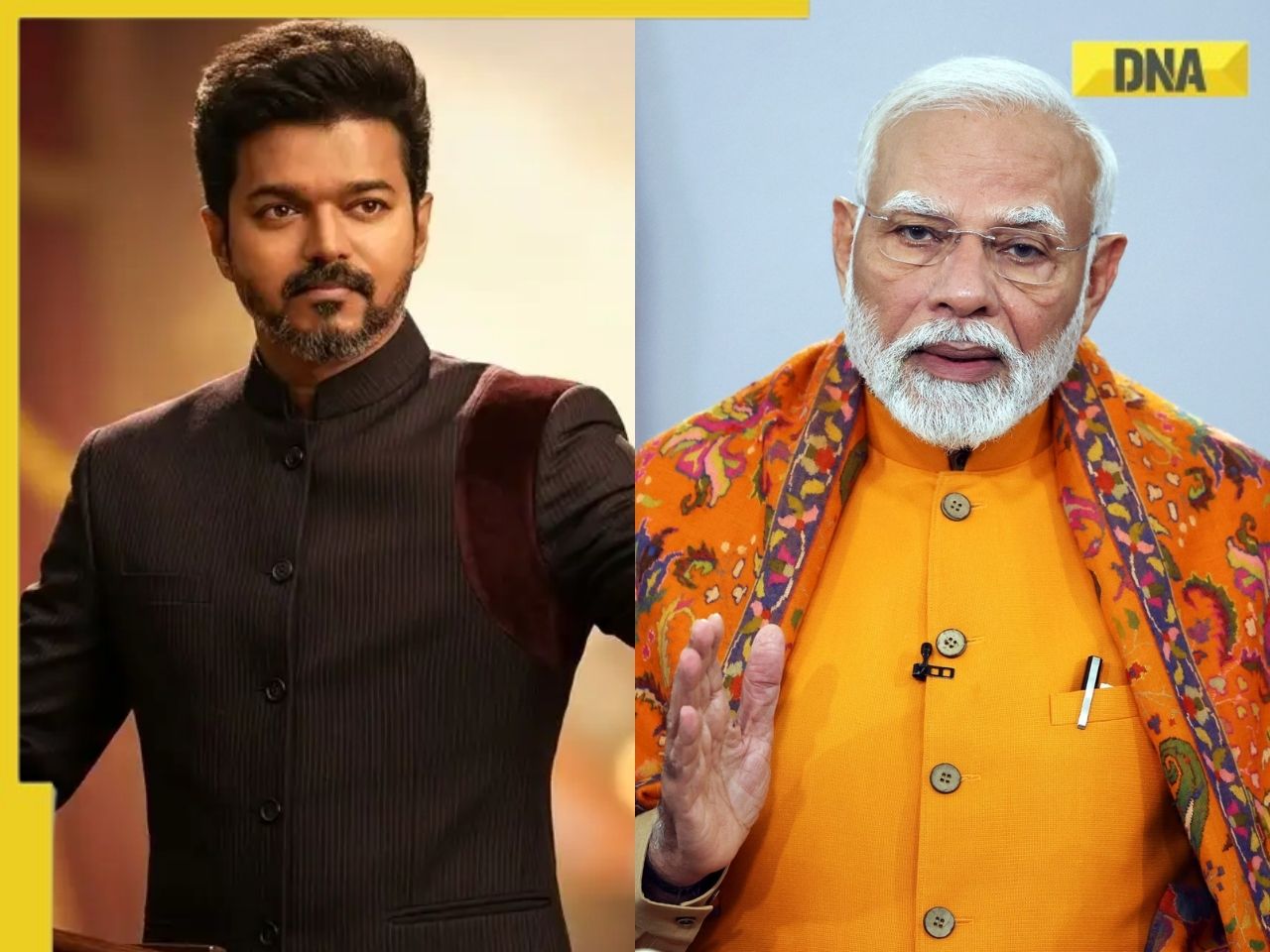)
The Chief Minister provided stark data to illustrate the precipitous rise in input costs. Over the past two months alone, the price of cotton has witnessed a staggering 25% escalation, climbing from Rs 54,700 to Rs 67,700 per candy. This upward spiral has been mirrored in yarn prices, which have jumped from Rs 301 to Rs 330 per kg. This dramatic increase in the cost of essential raw materials places an immense burden on manufacturers, making it increasingly difficult to sustain operations and meet existing export commitments.

A Plea for Duty-Free Imports: Safeguarding Livelihoods and Global Competitiveness
The core of Chief Minister Vijay’s appeal lies in his request for the removal of the existing 11% import duty on cotton. He argues that in the current scenario, where domestic supply is insufficient, ensuring a continued flow of raw materials necessitates reliance on imports. Without this crucial intervention, the industry risks losing its competitive edge on the global stage, potentially leading to a domino effect of job losses and economic instability.
)
"The price of cotton has increased from Rs. 54,700 to Rs. 67,700 per candy, which is an increase of 25% during the last two months, while the yarn price has increased from Rs. 301 to Rs. 330 per kg," the letter detailed. "In this situation, the continued supply of raw material can be ensured only through imports. However, there is an import duty of 11% on cotton."
)
CM Vijay underscored the pivotal role of the textile and apparel sector in employment generation, second only to agriculture. "After agriculture, the textile and apparel sector is one of the largest employment-generating sectors," he stated. "Hence, there is a significant responsibility on the Government to safeguard the employment of lakhs of people and ensure the sustainability of the textile value chain."
)
His plea to the Union government was direct and urgent: "I request your intervention to remove the import duty on cotton from the existing 11% to 0% to ensure the availability of raw material. This measure will enable the textile and apparel industry to remain globally competitive, enhance exports, and protect jobs."
)
Chronology of Action and Concern
While the specific date of the letter’s dispatch isn’t explicitly stated beyond "Thursday," its context places it firmly within the initial days of Thalapathy Vijay’s tenure as Chief Minister. This proactive approach, coupled with the swift action on closing liquor shops, signals a leadership style characterized by decisiveness and a deep understanding of immediate public and economic needs.
)
- Early May 2026: Speculation and anticipation surround the upcoming political landscape in Tamil Nadu.
- Mid-May 2026: Thalapathy Vijay is sworn in as the Chief Minister of Tamil Nadu.
- Within days of assuming office: CM Vijay takes decisive action by ordering the closure of 717 liquor shops across the state, signaling a commitment to social welfare initiatives.
- "Thursday" (specific date not provided in the original text but implied to be shortly after assuming office): Chief Minister Thalapathy Vijay dispatches a critical letter to Prime Minister Narendra Modi, highlighting the crisis in the textile sector and advocating for the removal of import duties on cotton.
This rapid sequence of events demonstrates a leader who is not only politically astute but also deeply engaged with the economic realities facing his state. The focus on the textile sector, a critical employer, immediately after addressing a social issue, paints a picture of a balanced and comprehensive governance agenda.
)
Supporting Data: The Economic Impact of Cotton Price Volatility
The figures provided by Chief Minister Vijay are not mere statistics; they represent the tangible impact on the livelihoods of countless individuals.
)
- Cotton Price Increase: 25% rise in two months.
- Previous price: Rs 54,700 per candy
- Current price: Rs 67,700 per candy
- Yarn Price Increase:
- Previous price: Rs 301 per kg
- Current price: Rs 330 per kg
- Import Duty: Existing 11% on cotton.
- Employment: Textile sector is the second-largest employer in Tamil Nadu after agriculture, predominantly employing women from rural and semi-urban areas.
- State’s Economic Contribution: Tamil Nadu is India’s largest textile and apparel exporting state.
These data points underscore the severity of the situation. A 25% increase in raw material costs can cripple manufacturing units, especially those operating on thin margins or catering to price-sensitive international markets. The inability to secure affordable cotton directly impacts the cost of yarn, subsequently affecting the production of finished garments.
)
Official Responses and Potential Repercussions
While the original article focuses on CM Vijay’s letter, the implications of such a move are far-reaching and would typically elicit responses from various stakeholders.
)
From the Union Government: The Prime Minister’s Office (PMO) and the Ministry of Finance would be the primary recipients of this appeal. A decision on import duties is a complex economic policy matter that requires careful consideration of domestic agricultural interests, trade agreements, and the overall economic health of the nation. The government would likely:
)
- Convene Consultations: Engage with the Ministry of Textiles, Ministry of Commerce and Industry, and relevant agricultural bodies to assess the impact of duty reduction.
- Analyze Market Dynamics: Study the global cotton market, domestic production forecasts, and the extent of the crisis in Tamil Nadu and other textile-producing states.
- Consider Fiscal Implications: Evaluate the revenue loss to the exchequer from waiving import duties.
- Weigh Industry Demands: Balance the immediate needs of the textile industry against the long-term interests of domestic cotton farmers.
From the Textile Industry Stakeholders: Manufacturers’ associations, textile mill owners, and garment exporters would likely express their strong support for CM Vijay’s initiative. They would emphasize the urgency of the situation and the potential for widespread business closures and job losses if no relief is provided. Their statements would likely echo the CM’s concerns about global competitiveness and the need for raw material security.
)
From Cotton Farmers and Associations: Conversely, domestic cotton farmers and their representative bodies might express concerns about a sudden influx of cheaper imported cotton potentially depressing domestic prices and impacting their livelihoods. They might advocate for alternative solutions that support both farmers and the textile industry, such as direct subsidies or targeted support for domestic cotton procurement.
)
From Labour Unions and Worker Representatives: Given that the textile sector is a significant employer, especially of women, labor unions would likely lend their full support to CM Vijay’s call. They would highlight the potential for mass unemployment and advocate for policies that protect workers’ rights and ensure job security.
)
Broader Implications for Tamil Nadu and India
Chief Minister Thalapathy Vijay’s appeal is more than just a request for a duty reduction; it’s a statement of intent and a demonstration of his leadership’s focus on economic empowerment and industrial development.
)
- Strengthening the Textile Ecosystem: By addressing the raw material crisis, CM Vijay aims to fortify the entire textile value chain in Tamil Nadu, from spinning mills to garment export houses. This could lead to increased production, improved export performance, and greater economic stability for the state.
- Empowering Rural Women: The textile industry’s role as a major employer of rural women makes this intervention particularly significant for social development. Ensuring the industry’s health directly translates to sustained employment and economic independence for a large demographic.
- National Economic Strategy: The textile sector is a vital contributor to India’s foreign exchange earnings. A robust and competitive textile industry in Tamil Nadu, India’s export leader, has a ripple effect on the national economy.
- Setting a Precedent for Proactive Governance: CM Vijay’s swift and decisive action on a critical economic issue, even before a fully established administrative machinery, sets a strong precedent for his leadership. It suggests a commitment to addressing challenges head-on and seeking solutions through inter-state and national collaborations.
The decision on the import duty on cotton will have significant ramifications. If the Centre accedes to CM Vijay’s request, it could provide much-needed relief to Tamil Nadu’s textile industry, potentially averting a crisis and paving the way for renewed growth. Conversely, if the appeal is not met, the industry will continue to grapple with its challenges, and the state government may need to explore alternative domestic support mechanisms. Regardless of the outcome, Thalapathy Vijay’s bold initiative has brought a critical economic issue to the forefront of national discourse, demonstrating his commitment to the welfare and prosperity of Tamil Nadu.
