

NEW DELHI – July 13, 2026 – In a significant development reflecting India’s assertive stance on digital safety and platform accountability, the Ministry of Electronics and Information Technology (MeitY) has received responses from major messaging platforms regarding their proposed username features and from Meta Platforms Inc. concerning its efforts to combat Child Sexual Abuse Material (CSAM). IT Secretary S. Krishnan confirmed over the weekend that these crucial submissions are now under intense governmental review, a process expected to take approximately one week. This ongoing scrutiny underscores a growing global trend where national governments are demanding greater transparency and proactive measures from tech giants to safeguard users in the rapidly evolving digital landscape.
The dual reviews—one addressing the privacy and security implications of WhatsApp’s upcoming username functionality, and the other tackling the pervasive and horrific issue of online CSAM across Meta’s vast ecosystem—highlight the government’s multifaceted approach to regulating the digital space. The outcomes of these assessments could significantly shape how social media and messaging platforms operate within India, a market of immense strategic importance for global tech companies.
The Core Issues Under Review: A Snapshot
At the heart of the current governmental review are two distinct yet equally critical challenges posed by modern digital communication platforms:
-
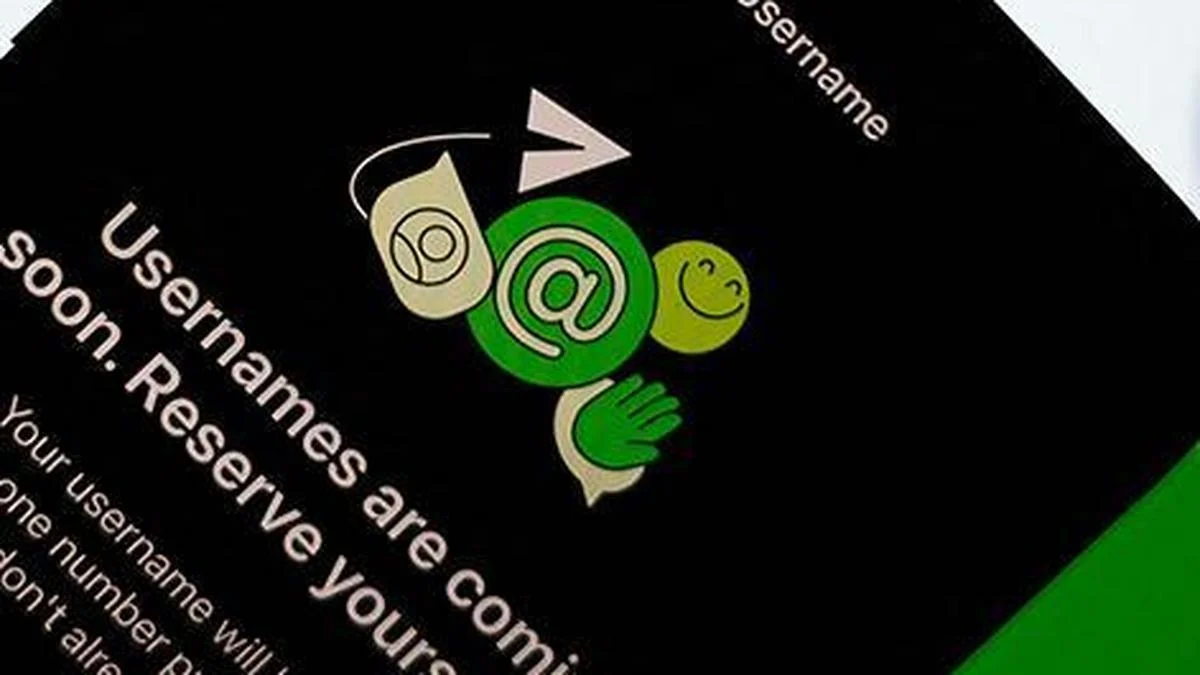
WhatsApp’s Username Feature: This anticipated functionality, which would allow users to connect and communicate without the necessity of sharing their personal phone numbers, has sparked considerable concern within government circles. While proponents argue it enhances user privacy, authorities fear it could inadvertently create avenues for impersonation, sophisticated scams, and anonymous malicious activities, thereby complicating law enforcement efforts and increasing user vulnerability.
-
Meta’s Battle Against Child Sexual Abuse Material (CSAM): Following a damning BBC report that exposed how suggestive advertisements on Meta platforms could lead users to CSAM content outside Instagram, the Indian government issued a stern notice to the tech giant. Meta’s response, outlining its technological defenses and the perpetual "cat-and-mouse" game with perpetrators, is now being meticulously evaluated to determine the adequacy and effectiveness of its current measures.
The government’s week-long deliberation period signifies the gravity with which these issues are being treated, promising potential policy shifts or mandatory directives for platforms operating within India’s jurisdiction.
A Deeper Dive into WhatsApp’s Username Feature: Balancing Privacy and Security
WhatsApp, owned by Meta and boasting over half a billion users in India, has long been a cornerstone of personal and professional communication. Its traditional reliance on phone numbers for user identification, while offering a layer of traceability, has also been a point of contention for privacy advocates. The introduction of a username feature aims to address these privacy concerns, allowing users to initiate contact or be contacted by others through a unique alphanumeric identifier, decoupling their digital identity from their personal mobile number.
Potential Benefits and User Empowerment:
From a user perspective, the username feature offers several advantages. It provides an enhanced layer of privacy, preventing the unsolicited sharing of phone numbers, which can be vulnerable to spam calls, data breaches, or unwanted contact. For businesses or public figures, it offers a professional way to interact with clients or followers without exposing personal contact details. This could foster more open and secure communication channels, particularly in group settings or public forums where sharing phone numbers might be undesirable.
Government’s Concerns: The Shadow Side of Anonymity:
However, the Indian government’s apprehensions stem from the potential for this anonymity to be exploited. Authorities are particularly worried about:

- Impersonation and Identity Theft: The ease with which a username can be created might allow malicious actors to impersonate individuals, brands, or official entities, leading to widespread misinformation, phishing attacks, and financial fraud.
- Scams and Fraud: Anonymous accounts could facilitate various scams, from investment frauds to elaborate social engineering schemes, making it harder for law enforcement agencies to track perpetrators and protect victims.
- Cyberstalking and Harassment: The ability to contact individuals without needing their phone number could empower harassers and stalkers, creating new vectors for online abuse.
- Facilitation of Illegal Activities: Organized crime, terror groups, and other illicit networks could potentially leverage such a feature to communicate with greater anonymity, hindering intelligence gathering and investigative efforts.
- Regulatory Compliance: The government’s existing IT Rules 2021 mandate certain levels of traceability for platforms to combat misinformation and illegal content. A largely anonymous username system could complicate compliance with these regulations.
Meta’s Proposed Safeguards: Are They Sufficient?
Meta has reportedly pushed back against these concerns, outlining a suite of safeguards intended to mitigate risks. These include:
- PIN Safeguard: Users might be required to use a Personal Identification Number (PIN) to access or verify their username, adding a layer of security against unauthorized access. This could be linked to existing two-factor authentication mechanisms.
- Automatic Blocking for Excessive Messaging: Similar to existing spam prevention mechanisms, Meta proposes an automated system to block users who send an unusually high number of messages to strangers. This rate-limiting approach aims to curb mass spamming and unsolicited outreach.
While these measures demonstrate an attempt by Meta to address security concerns, their efficacy remains a central point of contention for the government. The review will likely assess whether these safeguards are robust enough to counter the sophisticated tactics employed by cybercriminals and bad actors, especially within a market as vast and diverse as India’s.
Arattai’s Proactive Stance:
Adding another dimension to this debate is the proactive decision by Arattai, Zoho Corp.’s homegrown WhatsApp competitor, to temporarily disable its own username feature. This move, undertaken as the government’s review commenced, signals a recognition of the serious implications involved and a willingness to align with regulatory expectations. Arattai’s decision could set a precedent, potentially influencing other domestic and international platforms to re-evaluate their anonymous features in the Indian market.
The Unending Battle Against Child Sexual Abuse Material (CSAM)
The second, and arguably more disturbing, issue under review pertains to Meta’s ongoing struggle against the proliferation of Child Sexual Abuse Material (CSAM) across its platforms. This issue gained renewed urgency following a BBC report that highlighted the systemic failures in preventing suggestive ads from directing users towards CSAM content hosted outside Instagram.
The Gravity of the Threat:
CSAM represents one of the most heinous crimes perpetrated online, with devastating consequences for child victims. The ease with which such material can be shared and accessed across digital platforms has made the internet a critical battleground for law enforcement, child protection agencies, and tech companies alike.
The BBC Report’s Alarming Findings:
The BBC investigation reportedly uncovered instances where seemingly innocuous ads or profiles on Meta platforms contained subtle cues or direct links that, when followed, led users to external websites hosting CSAM. This revelation was particularly alarming as it suggested that Meta’s internal content moderation and detection systems might be failing to identify and block such insidious forms of exploitation, especially when the content itself is hosted off-platform. The report likely underscored the challenge of policing "dark patterns" and indirect pathways to illegal content.
Meta’s Response: A "Constant Battle":
In its submission to the Indian government, Meta reiterated its commitment to combating CSAM, acknowledging it as a "constant battle with criminals who hide among our 3.5 billion users and try to evade our detection." The company highlighted its significant investments in:
- Advanced AI and Machine Learning: Deploying sophisticated algorithms to detect known CSAM, identify suspicious user behavior patterns, and proactively remove harmful content. This includes image and video hashing technologies that identify previously reported CSAM.
- Content Moderation Teams: Employing thousands of human moderators globally to review reported content and act on AI flags.
- Collaboration with Law Enforcement: Working with national and international agencies to report identified CSAM and assist in investigations.
- Proactive Detection: Efforts to identify and remove CSAM before it is reported by users.
However, the "constant battle" narrative, while indicative of the scale of the challenge, also raises questions about the effectiveness of current measures. Critics often argue that while tech companies invest heavily, the sheer volume of content, coupled with the evolving tactics of perpetrators, means that existing systems are perpetually playing catch-up. Criminals frequently adapt their methods, using encrypted channels, obfuscated links, and coded language to circumvent detection.
India’s Legal Framework and Expectations:
India has a robust legal framework to combat CSAM, including the Protection of Children from Sexual Offences (POCSO) Act, 2012, and the Information Technology (Intermediary Guidelines and Digital Media Ethics Code) Rules, 2021. The IT Rules specifically place obligations on intermediaries to exercise due diligence, promptly remove unlawful content (including CSAM), and assist law enforcement agencies. The government’s notice to Meta and the subsequent review reflect its determination to ensure platforms adhere strictly to these legal mandates and go beyond mere compliance to implement best-in-class preventative measures.

Chronology of Key Events Leading to the Review
The current review is the culmination of several significant events:
- Early 2026 (Approximate): Reports and speculation begin to circulate regarding WhatsApp’s development of a username feature, stirring early discussions on its implications.
- March-April 2026 (Approximate): WhatsApp formally announces or begins pilot testing its username feature, allowing users to connect without phone numbers.
- May 2026: The BBC publishes its investigative report detailing how suggestive ads on Meta platforms (particularly Instagram) could lead users to CSAM content hosted on external sites, igniting public outrage and governmental concern.
- Late May – Early June 2026: The Ministry of Electronics and Information Technology (MeitY) issues formal notices to WhatsApp and other messaging platforms regarding the username feature, seeking clarifications on its security protocols and potential for misuse. Simultaneously, MeitY sends a separate, stern notice to Meta regarding the findings of the BBC report on CSAM, demanding a detailed explanation of its preventative and detection mechanisms.
- Early July 2026: Arattai, the Zoho Corp.-owned messaging platform, proactively disables its username feature, citing the ongoing governmental review and a commitment to user safety.
- Weekend of July 11-12, 2026: Messaging platforms and Meta submit their detailed responses to MeitY regarding the username feature and CSAM combat efforts, respectively.
- July 13, 2026: IT Secretary S. Krishnan publicly confirms the receipt of these responses and announces the commencement of a week-long review period by the government.
Official Responses and the Broader Regulatory Landscape
IT Secretary S. Krishnan’s announcement on the receipt of responses signals a critical juncture in India’s digital governance. His statement that the responses are "under consideration" and that the government would "spend around a week on the review" indicates a thorough and expedited process. This review is not merely a formality but a deep dive into the technical specifications, policy implications, and ethical considerations surrounding these features and content types.
The Ministry of Electronics and Information Technology (MeitY) has been at the forefront of crafting India’s digital regulations, most notably the IT Rules 2021. These rules empower the government to mandate transparency, due diligence, and content moderation from social media intermediaries. The ongoing review is firmly rooted in the principles enshrined in these rules, which aim to create a safer, more accountable digital environment for Indian citizens.
The government’s stance reflects a broader philosophy of ensuring that global tech companies, while enjoying the benefits of India’s vast user base, also adhere to its laws and societal values. This includes a strong emphasis on user safety, national security, and the protection of vulnerable populations, particularly children. The potential for the upcoming Digital India Act (DIA) to further solidify and expand this regulatory framework looms large, indicating a future of even stricter oversight for digital platforms.
Implications and Future Outlook: A Defining Moment for Digital Governance
The outcome of the government’s week-long review carries significant implications for both tech companies and Indian users.
For Tech Platforms:
- Mandatory Safeguards: The government may mandate specific, non-negotiable safeguards for username features, potentially going beyond Meta’s current proposals. This could include stricter identity verification protocols, enhanced reporting mechanisms, and clearer liability frameworks.
- Increased Accountability on CSAM: Meta and other platforms could face demands for greater transparency in their CSAM detection and removal processes, potentially including independent audits of their AI systems and content moderation efforts. Failure to comply could lead to fines, operational restrictions, or even bans on specific features.
- Precedent for Future Features: The scrutiny of the username feature will set a precedent for how future privacy-enhancing or anonymity-enabling features are introduced in India, likely requiring pre-approval or extensive consultation with regulators.
- Impact on Innovation: While aimed at safety, stringent regulations could also impact the pace of innovation for platforms seeking to introduce new functionalities in India.
For Indian Users:
- Enhanced Safety: The primary goal of these reviews is to enhance user safety, potentially reducing instances of scams, impersonation, harassment, and exposure to illegal content like CSAM.
- Privacy vs. Anonymity Debate: The review will further shape the ongoing debate between user privacy (protected by features like usernames) and the potential for anonymity to be abused, highlighting the complex trade-offs involved in digital design.
- Trust in Digital Platforms: A clear and effective regulatory response could foster greater trust among users regarding the safety and integrity of the digital platforms they use daily.
Broader Regulatory Context:
This review is not an isolated incident but part of a global trend where governments are asserting greater control over the digital domain. From data privacy laws like GDPR to content moderation mandates, nations worldwide are grappling with the challenges posed by powerful, borderless tech entities. India, with its massive digital population and ambitious digital transformation agenda, is positioning itself as a leader in defining the responsibilities of platforms in this new era.
The coming days will be crucial as MeitY deliberates on the responses from these tech giants. The decisions made will undoubtedly influence the future trajectory of digital governance in India, potentially setting new benchmarks for platform accountability and user safety in the interconnected world. The ongoing dialogue between regulators and tech innovators is a testament to the complex, dynamic landscape of the digital age, where the pursuit of technological advancement must always be balanced with the imperative of safeguarding citizens.
