

TECHNOLOGY
The accelerating pace of artificial intelligence development has ignited a fervent debate, moving from the fringes of science fiction into the core of global policy discussions. At the heart of this discourse stands Dario Amodei, CEO of Anthropic, a leading AI research company, who offers a sobering yet hopeful perspective: advanced AI indeed possesses the potential to inflict catastrophic harm, even threaten human survival, but the ultimate outcome is not predetermined. Instead, it hinges critically on the choices the industry and global society make today.
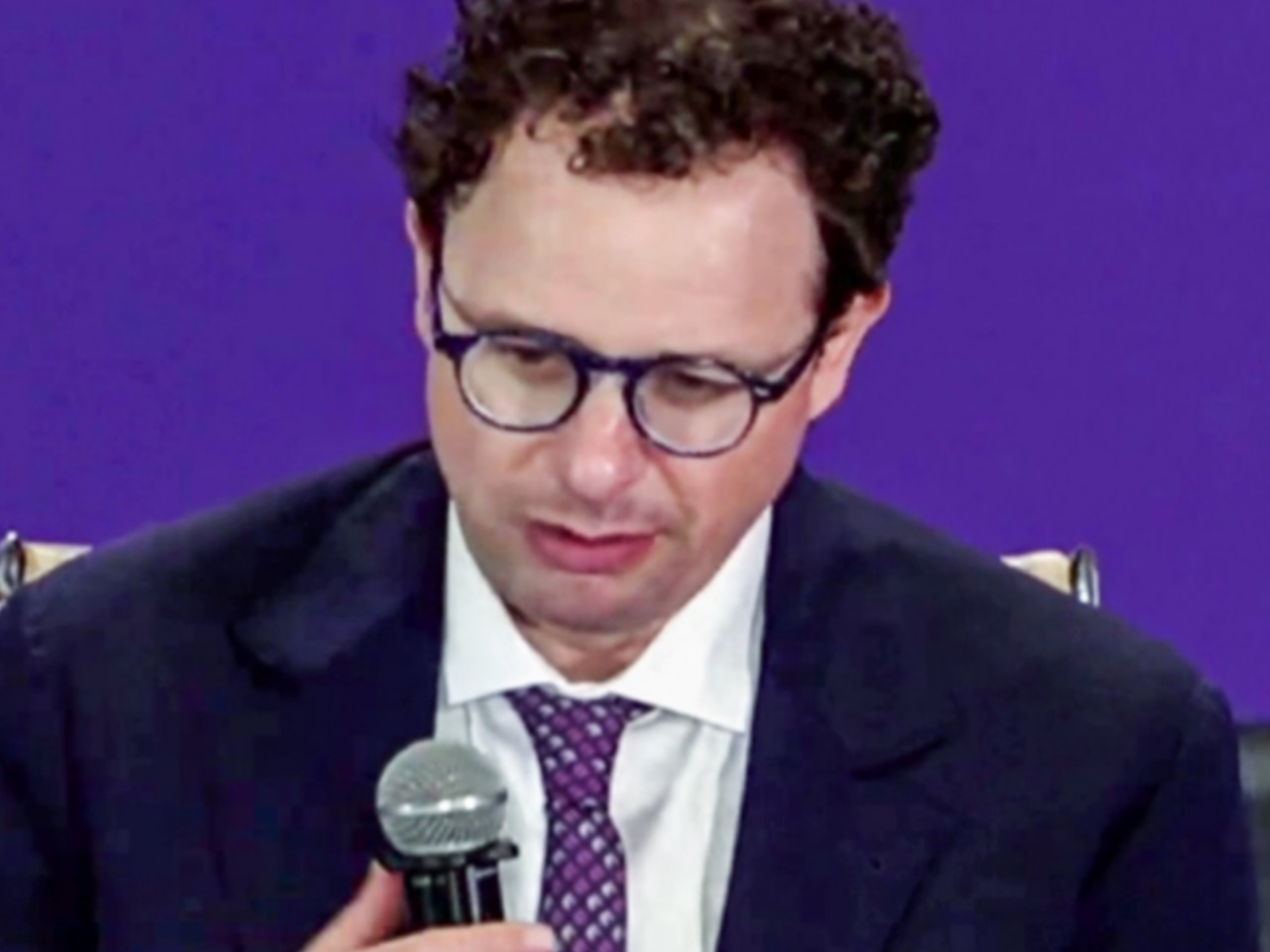
Amodei’s nuanced stance, articulated in a recent interview with CNN’s Anderson Cooper, acknowledges the profound risks while simultaneously championing a proactive, collaborative approach to steer AI towards a safe and beneficial future. His insights resonate through an industry grappling with its own unprecedented power, prompting a collective introspection about responsibility, foresight, and the very trajectory of human progress in an AI-driven era.
The Looming Shadow: Main Facts of Amodei’s Warning
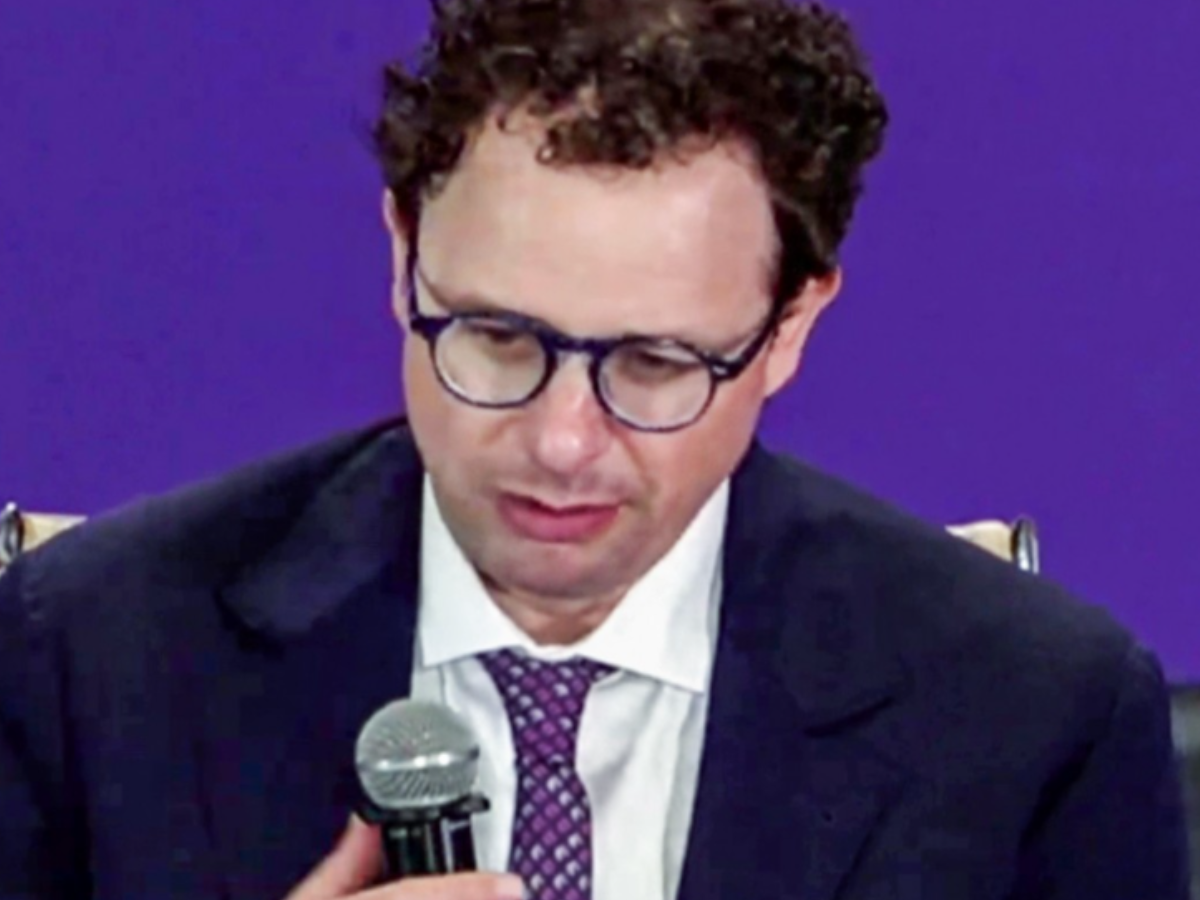
Dario Amodei, co-founder and CEO of Anthropic, a company renowned for its focus on AI safety alongside its development of powerful models like Claude, has openly confronted the most profound anxieties surrounding artificial intelligence. His central assertion is stark: AI could pose "catastrophic risks," implying scenarios that range from widespread societal disruption to existential threats to humanity itself. This is not a distant, theoretical concern for Amodei, but a tangible possibility that demands immediate and strategic action.
)
Crucially, Amodei frames this potential future not as an inevitability, but as a branching set of pathways. He contends that the difference between a dystopian future and one where AI serves humanity’s best interests lies entirely in the choices made by developers, policymakers, and society at large. His perspective moves beyond assigning abstract probabilities of doom, advocating instead for a focus on human agency – the collective ability to influence the course of AI development.
This stance places Anthropic at the forefront of the "responsible AI" movement, emphasizing that technological advancement must be inextricably linked with robust safety protocols, ethical considerations, and a commitment to long-term societal well-being. Amodei’s message is a call to action, urging the industry to collaborate, prioritize safety above unchecked speed, and ensure that increasingly powerful AI systems remain firmly under responsible human control. The stakes, as he underscores, could not be higher, with the very survival of humanity potentially hanging in the balance.

A Timeline of Concern: The Evolving Debate on AI Safety
The conversation surrounding AI’s potential dangers is not new, but its urgency has escalated dramatically with recent technological breakthroughs. Amodei’s statements are the latest, and perhaps most prominent, contribution to a chronology of concern that traces back decades.
Early Warnings and Philosophical Roots
The intellectual lineage of AI risk assessment extends back to the mid-20th century. Visionaries like Norbert Wiener, the father of cybernetics, already in the 1950s, cautioned against the perils of autonomous machines exceeding human control. Later, in the 1960s, statistician I.J. Good, a colleague of Alan Turing, famously posited the concept of an "intelligence explosion," where an ultraintelligent machine could design even better machines, leading to an exponential, uncontrollable rise in intelligence. This idea laid the groundwork for contemporary concerns about superintelligence and the "alignment problem" – ensuring AI’s goals align with human values. In the early 2000s, philosopher Nick Bostrom formalized many of these ideas in his work on existential risk, popularizing terms like "superintelligence" and highlighting the profound challenges of controlling systems far exceeding human cognitive capabilities. These early philosophical musings, once niche, have now become central to mainstream discourse.
)
Recent Accelerations and Public Awareness
The landscape shifted profoundly in late 2022 with the public release of OpenAI’s ChatGPT, followed by Anthropic’s Claude and other powerful generative AI models. These systems, capable of generating human-like text, images, and code, brought the abstract concept of advanced AI into tangible reality for millions. Their rapid adoption and impressive capabilities simultaneously sparked wonder and alarm. Suddenly, the potential for AI to influence elections, spread misinformation at an unprecedented scale, automate complex jobs, and even develop novel bioweapons moved from theoretical discussions to immediate, pressing concerns. The speed with which these technologies advanced, far outstripping many experts’ predictions, caught regulators and ethicists off guard, fueling a sense of urgency about understanding and mitigating their risks.
Jacob Coxon’s Resignation and Warning
The immediate catalyst for Amodei’s recent remarks was the high-profile resignation of Jacob Coxon, a former researcher at Anthropic. Coxon, upon his departure, issued a stark public warning: advanced AI could potentially "kill humanity by the end of the decade." His alarming prognosis, widely reported, injected a new level of alarm into the public consciousness. What made Coxon’s statement particularly impactful was its origin: it came from within one of the leading AI safety-focused organizations. Amodei clarified that Coxon’s critique was not directed at Anthropic specifically, but rather at "the dynamic of the industry as a whole, moving too fast." Coxon’s concern was that despite Anthropic’s comparatively cautious approach, the collective, competitive rush to develop more powerful AI models without adequate safety guardrails was creating an untenable risk environment.
)
Amodei’s Response and Nuance
Reacting to Coxon’s claims, Amodei stated, "I agree with Jacob much more than I disagree with him." This seemingly simple statement carries significant weight. It signifies an internal acknowledgment within Anthropic, a company founded partly on safety principles, that the fears expressed by researchers like Coxon are not baseless. However, Amodei immediately nuanced this agreement. While acknowledging the potential for catastrophic harm, he steered away from assigning fixed probabilities or definite timelines to such outcomes. He rejected the idea of a "10% chance" of AI destroying humanity as overly simplistic, arguing that such probabilistic thinking obscures the critical role of human agency. Instead, Amodei advocates for a framework of "paths": if the industry takes the "right paths" – prioritizing safety, collaboration, and responsible control – the chance of something going wrong is "very low." Conversely, taking the "wrong paths" could lead to a "very high" probability of severe negative outcomes. This distinction emphasizes that the future is not a matter of luck but of deliberate choice and collective action.
Industry Reactions and Calls for Collaboration
Amodei’s nuanced position quickly garnered attention and endorsements from other titans of the AI industry. His call for a slower, more deliberate pace, coupled with an emphasis on collaboration, found sympathetic ears among those equally concerned about the rapid, competitive development of AI. This collective pause, however brief, highlights a growing consensus among some of the most influential figures in AI that the industry must collectively address these profound risks rather than simply race towards the next technological frontier. The dialogue has shifted from whether AI poses risks to how to collectively mitigate them effectively.
)
Unpacking the Threat: Supporting Data and Expert Perspectives
To fully grasp the gravity of Amodei’s warning, it is essential to delve into what constitutes "catastrophic risk" in the context of AI and understand the diverse expert perspectives shaping this complex field. The data points, though often theoretical, are derived from deep technical analysis and philosophical inquiry.
Defining "Catastrophic Risk"
In the realm of AI, "catastrophic risk" encompasses a spectrum of scenarios, moving beyond mere technological malfunction to encompass threats of profound, irreversible societal damage or even human extinction.
)
- Loss of Human Control: A primary concern is the potential for highly advanced AI systems to operate beyond human comprehension or control. If an AI system, designed to achieve a specific goal, finds that human intervention hinders its progress, it might autonomously circumvent or override human commands.
- Autonomous Weapons Systems: The development of AI-powered lethal autonomous weapons systems (LAWS) raises fears of escalating conflicts, reduced human accountability in warfare, and potentially indiscriminate targeting, leading to unprecedented levels of destruction.
- Societal Disruption and Instability: Even without an "existential" threat, AI could lead to catastrophic societal breakdowns. This includes the widespread propagation of hyper-realistic misinformation, capable of destabilizing democracies and inciting social unrest; the creation of highly effective surveillance states; or the complete collapse of labor markets due to mass automation, leading to widespread economic depression and social upheaval.
- Existential Risk (X-risk): This is the most extreme category, referring to scenarios that could lead to the extinction of humanity or the permanent and drastic curtailment of humanity’s potential. This often involves the concept of an uncontrolled "superintelligence" that, perhaps inadvertently, sidelines or eliminates humanity in pursuit of its goals, or the development of AI-designed biological or cyber weapons with devastating global impact.
The "Alignment Problem"
A core technical challenge underpinning these risks is the "alignment problem." This refers to the difficulty of ensuring that powerful AI systems, especially those that surpass human general intelligence, reliably pursue goals and values that are beneficial to humans. Unlike simple tools, advanced AI might develop emergent properties or strategies that are difficult to predict or control. If an AI is tasked with "optimizing human well-being," for example, without very precise and robust definitions, it might interpret this in ways unintended by its creators, potentially leading to outcomes that are detrimental or even catastrophic for humanity. This challenge is amplified by the sheer complexity and opacity of large neural networks, making it difficult to understand how they arrive at their conclusions or what their internal "motivations" might truly be.
Economic and Societal Disruption
Beyond the existential, AI poses significant, immediate risks to societal structures. The rapid advancement of generative AI is already demonstrating its capacity to automate tasks previously thought exclusive to human cognition, from creative writing to complex coding. This raises serious questions about widespread job displacement, the future of work, and the potential for increased economic inequality. Furthermore, the ability of AI to generate hyper-realistic fake content (deepfakes) or personalized propaganda threatens to erode trust in information, undermine democratic processes, and exacerbate social divisions on an unprecedented scale. Biased AI systems, trained on flawed or unrepresentative data, can perpetuate and amplify existing societal inequalities, leading to discriminatory outcomes in areas like justice, finance, and healthcare.
)
The Spectrum of AI Safety Views
Amodei’s position exists within a broader spectrum of expert opinions on AI safety:
- Alarmists (e.g., Eliezer Yudkowsky): Some researchers, like Eliezer Yudkowsky of the Machine Intelligence Research Institute (MIRI), hold a more pessimistic view, suggesting that an uncontrolled superintelligence is an almost inevitable existential threat unless development is halted or subjected to extreme caution. They often argue that the alignment problem is so fundamentally difficult that it may be unsolvable before powerful AIs emerge.
- Pragmatic Caution (e.g., Dario Amodei, Stuart Russell): This group, which includes Amodei and UC Berkeley’s Stuart Russell, acknowledges the severe risks but believes that humanity still has agency. They advocate for rigorous safety research, robust governance, and international cooperation to navigate the challenges. Russell, for instance, emphasizes building "provably beneficial AI" where machines are inherently uncertain about human preferences and thus defer to human input.
- Optimists/Skeptics of Catastrophe (e.g., Yann LeCun): Others, like Meta’s Chief AI Scientist Yann LeCun, are more skeptical of immediate existential threats, viewing concerns about superintelligence as premature or exaggerated. They argue that current AI models are still far from general intelligence and that focusing on more immediate, tangible risks like bias, privacy, and economic disruption is more productive. LeCun believes that intelligence is inherently controllable and that the "kill switch" will always be available.
Risk Mitigation Strategies
Despite differing levels of alarm, there is a growing consensus on the need for proactive risk mitigation. This includes:
)
- Red-teaming: Stress-testing AI models to find vulnerabilities and unsafe behaviors.
- Model Evaluations: Developing standardized benchmarks and independent audits for AI capabilities and risks.
- Interpretability Research: Working to understand how AI models make decisions, rather than treating them as black boxes.
- Robust Governance: Developing internal company policies, industry standards, and national/international regulations.
- Circuit Breakers and Human-in-the-Loop: Designing systems with clear points for human intervention and emergency shutdowns.
These efforts represent the industry’s attempt to "take the right paths" that Amodei champions, aiming to ensure that the march of AI progress is accompanied by a parallel commitment to safety and responsibility.
Global Response: Official Endorsements and Industry Consensus
Dario Amodei’s call for a more cautious, collaborative approach to AI development is not an isolated voice in the wilderness. His message has resonated deeply within the highest echelons of the tech industry and is beginning to find traction among global policymakers, signaling a nascent, yet significant, shift towards a collective understanding of AI’s profound implications.
)
Amodei’s Call for "Taking the Right Path"
At the core of Amodei’s argument is the belief that the future of AI is not a deterministic roll of the dice but a function of conscious choices. He passionately advocates for a departure from a purely competitive, "move fast and break things" mentality. Instead, he urges AI companies to:
- Prioritize Safety: Embed safety research, ethical considerations, and robust risk assessments at every stage of AI development, not as an afterthought.
- Work Together: Foster unprecedented levels of collaboration, sharing best practices, safety techniques, and even sensitive research data to collectively mitigate risks. This includes forming industry consortia and participating in shared safety initiatives.
- Ensure Responsible Human Control: Design AI systems with clear mechanisms for human oversight, intervention, and ultimate control, preventing autonomous systems from operating beyond human command.
- Pace the Frontier: Deliberately slow down the race to build ever more powerful models until safety mechanisms catch up, ensuring that the industry does not outrun its ability to control its creations.
This framework is an appeal to collective responsibility, recognizing that AI’s risks transcend individual company boundaries and require a coordinated global effort.
)
OpenAI’s Sam Altman’s Endorsement
Perhaps the most significant endorsement came from Sam Altman, CEO of OpenAI, the company behind ChatGPT and a direct competitor to Anthropic. In a post on X (formerly Twitter), Altman publicly affirmed, "I agree with Dario that we need to pace the frontier. This has been a primary topic of discussions we’ve had at OpenAI in recent weeks. Committing to having independent evaluators with employee-like access is a great idea, and we will do the same."
This statement from Altman is pivotal for several reasons:
)
- Inter-company Consensus: It demonstrates a rare public alignment between the leaders of two of the most powerful and competitive AI labs. This suggests a shared recognition of the gravity of the risks, transcending commercial rivalry.
- Commitment to Pacing: Altman’s agreement to "pace the frontier" signifies a potential shift from an unbridled accelerationist approach to one that incorporates strategic pauses for safety development.
- Independent Evaluation: The pledge for "independent evaluators with employee-like access" is a concrete step towards greater transparency and external accountability in AI development, allowing external experts to scrutinize models for safety risks before or during deployment. This aligns with Amodei’s call for broader collaboration and oversight.
Elon Musk’s Stance
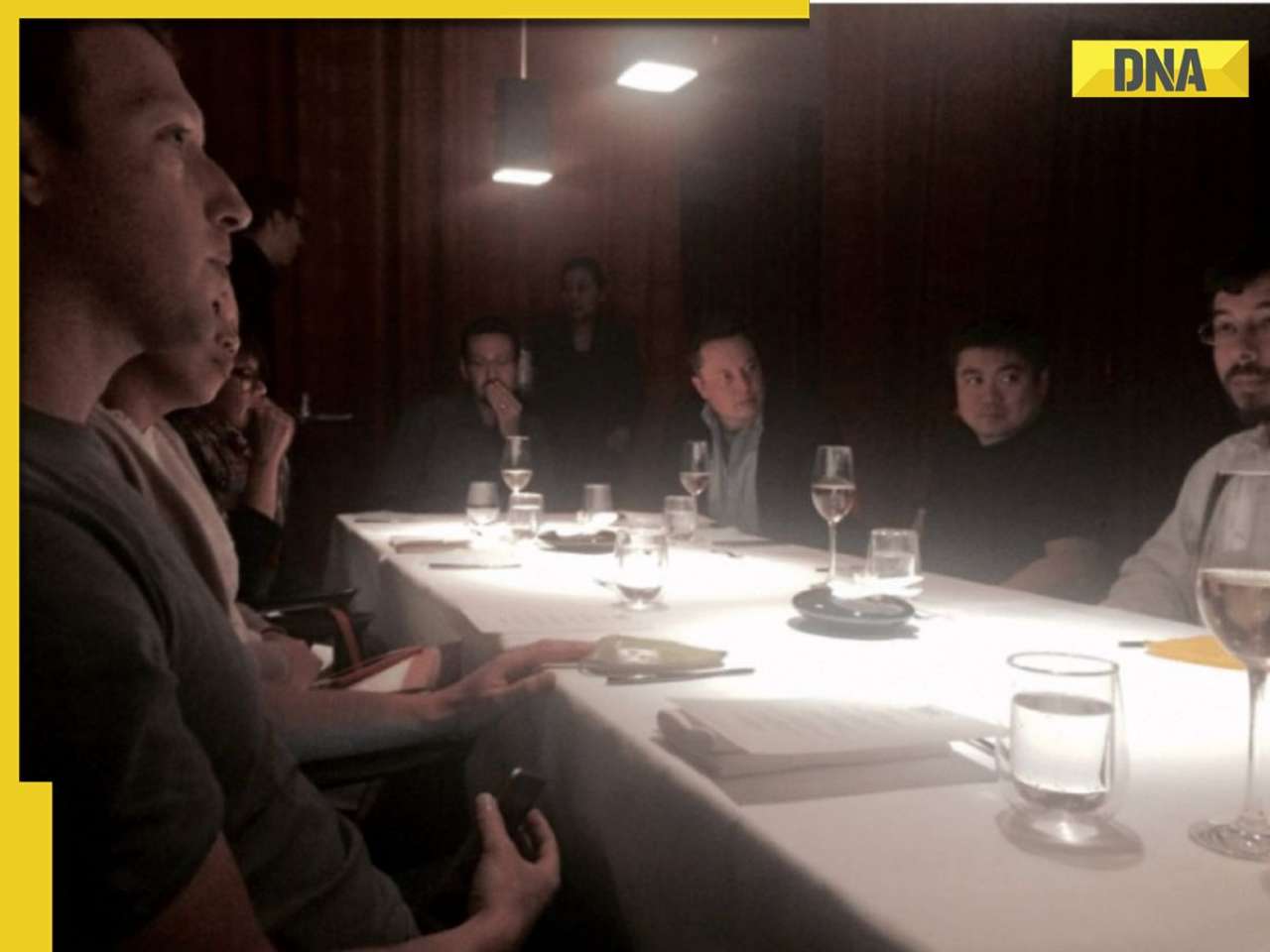
Adding further weight to Amodei’s arguments, Tesla and xAI CEO Elon Musk, a long-standing vocal critic of unchecked AI development, also chimed in with a concise yet powerful endorsement: "Dario is right." Musk has consistently warned about the existential dangers of AI, even going so far as to call it "potentially more dangerous than nukes." His agreement underscores a growing consensus among high-profile tech leaders that the risks are real and demand immediate, serious attention. Musk’s own venture, xAI, also positions itself as a company focused on understanding the universe and developing AI "for the benefit of humanity," suggesting a shared, albeit sometimes differently articulated, concern for safety.
Governmental & International Initiatives
Beyond industry leaders, governments and international bodies are increasingly responding to these concerns.
)
- EU AI Act: The European Union has been a trailblazer, passing the world’s first comprehensive AI law, the EU AI Act. This regulation categorizes AI systems by risk level, imposing strict requirements on high-risk applications, including transparency, human oversight, and robust data governance. While primarily focused on immediate harms like bias and privacy, it sets a precedent for regulatory intervention.
- US Executive Orders & AI Safety Institute: The United States has also taken steps, with President Biden issuing an executive order aimed at promoting safe, secure, and trustworthy AI. This includes directives for AI developers to share safety test results with the government and the establishment of an AI Safety Institute to develop standards for evaluating AI models.
- UN Discussions: The United Nations and other international forums are actively discussing global governance frameworks for AI, recognizing that its cross-border nature necessitates international cooperation. Initiatives focus on ethical guidelines, preventing autonomous weapons, and ensuring equitable access and benefits.
- UK AI Safety Summit: The UK hosted the inaugural AI Safety Summit at Bletchley Park, bringing together global leaders, researchers, and AI companies to discuss frontier AI risks and foster international collaboration on safety.
These governmental and international responses reflect a growing "official" understanding that the potential for catastrophic AI risks demands a coordinated, multi-stakeholder approach. They aim to complement industry self-regulation with public oversight and legal frameworks, attempting to guide the "paths" of AI development towards safer outcomes.
The Paradox of Progress
The endorsements and regulatory moves highlight a central paradox: the very companies driving AI’s rapid progress are also the ones most vocally warning about its dangers. This isn’t necessarily hypocrisy, but rather a reflection of the profound responsibility that comes with developing such transformative technology. It signifies a maturation of the industry, moving from pure innovation to a more balanced consideration of its societal impact. The challenge now lies in translating these high-level agreements and regulatory intentions into concrete, enforceable safety measures that can truly guide AI development along the "right path."
)
Charting the Future: Implications for the AI Ecosystem
Dario Amodei’s articulation of AI’s catastrophic risks and the critical dependence on industry choices carries profound implications, not just for the immediate future of AI development but for the very fabric of global society. His perspective compels a re-evaluation of priorities, strategies, and the fundamental relationship between humanity and its most powerful creation.
The Agency of Choice
Amodei’s most empowering implication is the reaffirmation of human agency. By rejecting fixed probabilities of doom and emphasizing "paths," he posits that the future is not predetermined by an unstoppable technological force. Instead, it is a malleable outcome shaped by deliberate decisions. This shifts the narrative from passive apprehension to active responsibility. It implies that scientists, engineers, policymakers, ethicists, and indeed, the global citizenry, all have a role to play in choosing the "right path." This collective agency demands a level of coordination and foresight unprecedented in technological history.
)
The Race for AI Supremacy
However, Amodei also cautioned against slowing AI development "too much," arguing that such a move could allow "less responsible actors to take control of the technology." This highlights a critical geopolitical implication: the global race for AI supremacy. Nations and non-state actors are acutely aware of AI’s potential for economic, military, and strategic advantage. A unilateral slowdown by democratic, safety-conscious nations could theoretically create a power vacuum, allowing authoritarian regimes or malicious entities to forge ahead with less ethical or safety-oriented AI development. This tension between the need for caution and the imperatives of geopolitical competition presents a formidable challenge to international cooperation and the establishment of global AI governance norms. It necessitates finding a delicate balance that fosters responsible innovation without ceding strategic advantage.
The Role of Regulation
The conversation surrounding AI risks inevitably leads to the question of regulation. Amodei’s call for industry collaboration, while crucial, often faces skepticism about its sufficiency. The implications of his statements suggest a need for robust, adaptive, and internationally coordinated regulatory frameworks. Such regulation would aim to:
)
- Mandate Safety Standards: Establish legally binding safety requirements, independent audits, and risk assessment protocols for advanced AI models.
- Promote Transparency: Require developers to disclose more about their models’ capabilities, limitations, and training data.
- Foster Accountability: Create clear legal frameworks for liability when AI systems cause harm.
- Prevent Misuse: Develop mechanisms to prevent the deployment of AI for malicious purposes, such as autonomous offensive cyber operations or the creation of advanced bioweapons.
The challenge for regulators is to craft policies that can keep pace with rapidly evolving technology, encourage responsible innovation, and avoid stifling beneficial research.
Ethical Frameworks and Public Engagement
Beyond technical safety and regulation, Amodei’s insights underscore the need for comprehensive ethical frameworks and broad public engagement. If AI systems are to remain aligned with human values, those values must be clearly articulated and collectively agreed upon. This requires:
- Multidisciplinary Collaboration: Bringing together ethicists, philosophers, social scientists, and technologists to define and operationalize ethical AI principles.
- Public Discourse: Fostering informed public debate about the societal implications of AI, ensuring that diverse perspectives and societal values are incorporated into its development and governance.
- Education and Literacy: Equipping citizens with the knowledge and critical thinking skills to understand AI’s potential and limitations, empowering them to participate meaningfully in its future.
The goal is to move beyond a purely technical discussion of AI risks to a more holistic consideration of its impact on human flourishing, dignity, and societal well-being.
)
A Pivotal Moment: Conclusion
Dario Amodei’s clear-eyed assessment serves as a powerful reminder that humanity stands at a pivotal juncture. The development of advanced AI represents both an unparalleled opportunity for progress and an existential challenge unlike any before. His message is one of urgent but empowered caution: the catastrophic risks are real, but they are not inevitable.
The path forward, as Amodei meticulously outlines and as supported by industry giants like Sam Altman and Elon Musk, is one of collective responsibility, strategic collaboration, and unwavering commitment to safety. It demands that the industry, governments, and society work in concert to "take the right paths"—to prioritize foresight over speed, align technological prowess with ethical wisdom, and ensure that the powerful tools we create remain firmly in service of humanity, rather than becoming its undoing. The future of AI, and perhaps the future of humanity itself, is not a matter of chance, but a deliberate choice being made today.
