

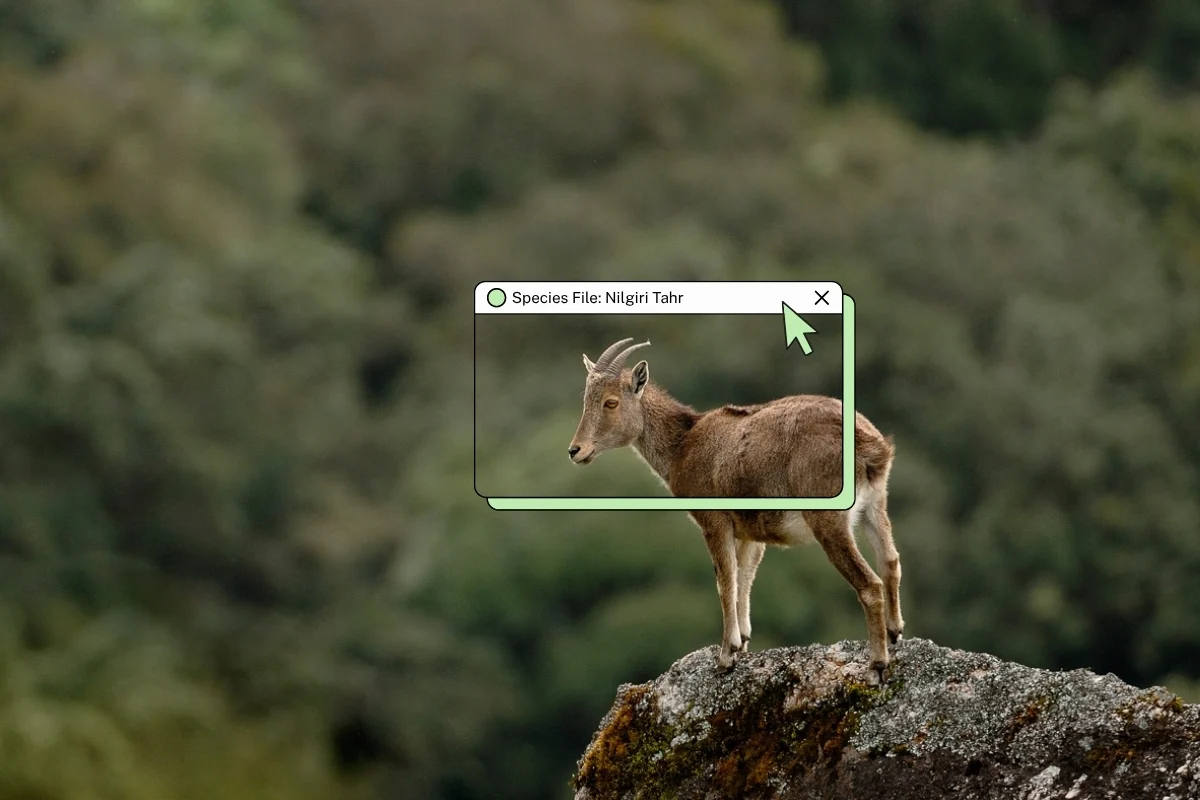
The mist-shrouded peaks of the Western Ghats have long served as the silent stage for one of India’s most remarkable evolutionary success stories. Perched on sheer vertical precipices where the air grows thin and the wind bites with a prehistoric chill, the Nilgiri tahr (Nilgiritragus hylocrius) remains a symbol of both the resilience and the vulnerability of South India’s high-altitude ecosystems.
Recent data from the 2026 population survey has brought a glimmer of hope for conservationists. In the state of Tamil Nadu, the census recorded a total of 1,364 individuals—a nearly 5% increase from the previous year’s count. While this growth suggests that localized conservation efforts are yielding fruit, the species remains at a critical crossroads. As the only mountain ungulate in southern India and the state animal of Tamil Nadu, the Nilgiri tahr is more than just a biological entity; it is a barometer for the health of the fragile Shola-grassland mosaic it calls home.
Main Facts: The "Cliff Goat" of the Southern Ghats
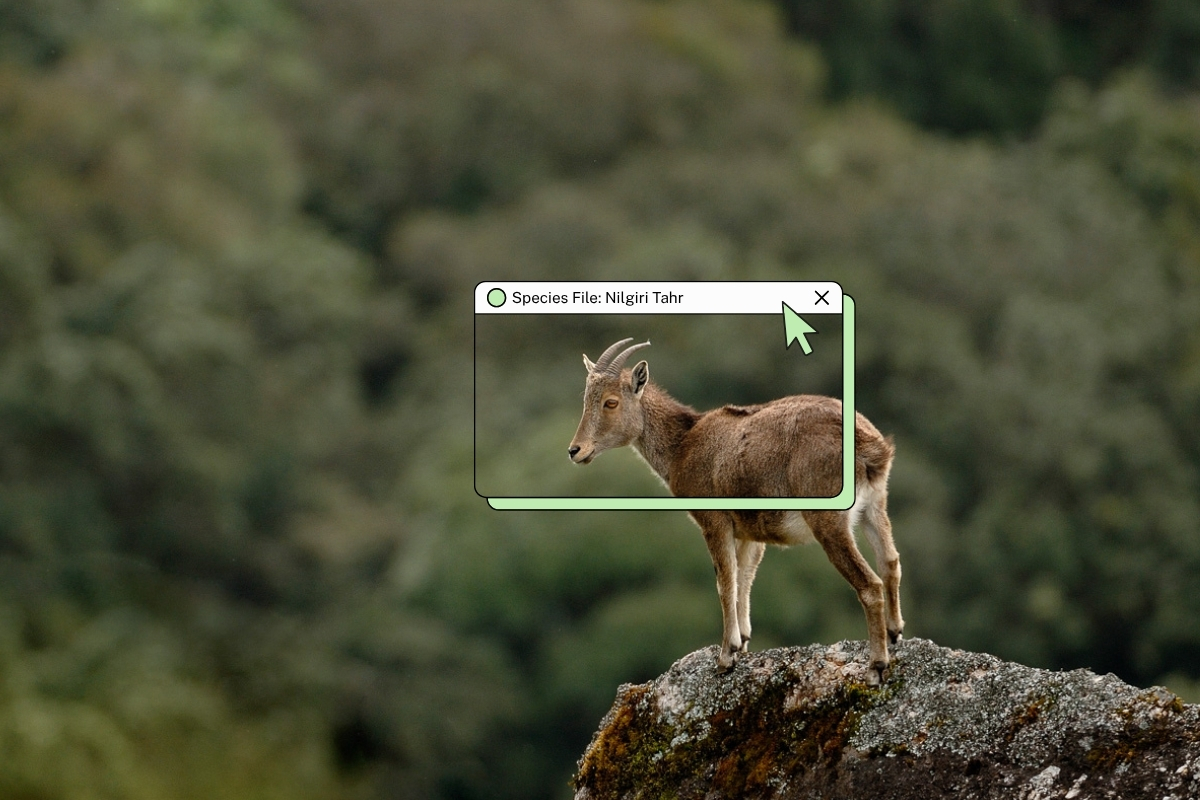
Locally known as Varayaadu (meaning "cliff goat" in Tamil), the Nilgiri tahr is a stocky, powerful ungulate uniquely adapted to the rugged terrain of the southern Western Ghats. Evolution has equipped these animals with specialized hooves featuring rubber-like soles that provide exceptional grip on wet, slippery granite. This physiological advantage allows them to scale vertical cliffs with a grace that defies gravity, a tactic primarily used to evade predators like leopards and dholes, and to access grazing patches that remain out of reach for larger herbivores.
The Nilgiri tahr is endemic to a narrow strip of the Western Ghats, stretching between the states of Kerala and Tamil Nadu. Despite its name, it is not a "true" tahr (which belong to the genus Hemitragus); genetic studies have shown it is more closely related to sheep and goats of the genus Ovis and Capra, leading to its classification in the monotypic genus Nilgiritragus.
Conservation Status and Legal Protection
The species currently holds a dual status of prestige and peril:
- IUCN Red List: Endangered.
- Wildlife (Protection) Act, 1972: Schedule I. This provides the highest level of legal protection in India, carrying the strictest penalties for hunting, poaching, or habitat encroachment.
- Ecological Role: As primary grazers, they play a vital role in maintaining the health of high-altitude grasslands. By consuming various grasses and shrubs, they facilitate seed dispersal and fertilize the thin mountain soil through their excreta, supporting the complex biodiversity of the Shola ecosystem.
Chronology: A History of Decline and Recovery
The story of the Nilgiri tahr is a narrative of near-extinction followed by a century of erratic recovery.
The Colonial Era and Early Depletion
In the late 19th and early 20th centuries, the Nilgiri tahr was a prized trophy for colonial hunters. Large herds that once roamed the Nilgiri and Anamalai ranges were decimated by uncontrolled "sport" hunting. By the mid-20th century, populations had plummeted to dangerously low levels, with some estimates suggesting fewer than 100 individuals remained in certain pockets.
The Turning Point: Eravikulam and Legal Protection
The tide began to turn in the 1970s. In 1975, the Eravikulam-Rajamala region in Kerala was declared a sanctuary (and later a National Park in 1978), specifically to protect the tahr. This area now holds the world’s largest single population of the species. Simultaneously, the enactment of India’s Wildlife (Protection) Act in 1972 provided the legal framework necessary to halt poaching and regulate habitat use.
The Modern Era: Project Nilgiri Tahr
In 2022-2023, the Tamil Nadu government launched "Project Nilgiri Tahr," a flagship initiative modeled after Project Tiger. With a budget of approximately ₹25 crore (USD 3 million), the project aims to develop a better understanding of the species’ movement patterns, restore its original habitats, and reintroduce the animal to areas where it has gone extinct locally. The 2026 survey, showing a 5% population increase, is the first major data point reflecting the impact of this concerted state effort.
Supporting Data: Habitat Analysis and Population Trends
The survival of the Nilgiri tahr is intrinsically linked to the "Shola-grassland" complex—a unique ecosystem where stunted evergreen forests (Sholas) nestle in the valleys, surrounded by vast undulating grasslands on the peaks.
Key Habitats
While the tahr was once found across the entire Western Ghats, its range is now fragmented into several isolated blocks:
- Eravikulam National Park (Kerala): The primary stronghold, hosting over 700-800 individuals.
- Anamalai Tiger Reserve (Tamil Nadu): Specifically the Grass Hills National Park, which forms a contiguous landscape with Eravikulam.
- Mukurthi National Park (Tamil Nadu): Located in the Nilgiris, this park offers a high-altitude sanctuary but is increasingly threatened by invasive flora.
- Palani Hills and Srivilliputhur: Smaller, more isolated populations exist here, facing higher risks of genetic bottlenecking.
The 2026 Survey Findings
The count of 1,364 individuals in Tamil Nadu represents a significant milestone. However, researchers note that the density of the population varies wildly. While the Anamalai and Mukurthi regions show stable or growing numbers, smaller pockets are struggling. The 5% growth is attributed to better anti-poaching patrolling and the gradual removal of invasive species like Scotch broom and Gorse from the grasslands, which has increased the available foraging area.
Official Responses: Innovation in Monitoring
Conservation in the rugged terrain of the Western Ghats presents unique logistical nightmares. As M.G. Ganesan, Director of Project Nilgiri Tahr, noted in a 2024 briefing: "The Nilgiri tahr lives 300 to 2,800 metres above mean sea level. Due to anthropogenic reasons and climate change, its elevation has been increasing, making manual surveillance and population counting methods impossible."
The Rise of the Drones
To combat the challenges of vertical terrain and unpredictable weather, the Tamil Nadu Forest Department has turned to technology. Conservation drones equipped with high-resolution thermal cameras are now being deployed to monitor herds in the inaccessible cliffs of the Mukurthi and Anamalai ranges. These drones allow rangers to:
- Count individuals without disturbing the herd.
- Monitor the health of "saddlebacks" (mature males with a distinct silver-grey patch on their backs).
- Identify illegal encroachments or the presence of stray dog packs in real-time.
Habitat Restoration Initiatives
The state government has also intensified its "Invasive Species Management" program. For decades, fast-growing exotic species like Eucalyptus, Wattle (Acacia), and Pine—introduced during the colonial era for timber—have encroached upon the native grasslands. These plantations act as "green deserts," offering no food for the tahr and drying up local water sources. Project Nilgiri Tahr has prioritized the mechanical and manual removal of these exotics to "daylight" the grasslands once more.
Implications: The Long-Term Threats
Despite the positive census results, the Nilgiri tahr faces an uncertain future. The challenges are no longer just about preventing poaching; they are systemic and environmental.
The Climate "Elevation Squeeze"
Climate change poses an existential threat to high-altitude specialists. As temperatures rise, the Shola forests may expand upward, and the grasslands may shrink. Studies suggest that a warming climate could render a significant portion of the current tahr habitat unsuitable by 2050. Because the tahr already occupies the highest peaks, they have "nowhere higher to go"—a phenomenon known as the "elevation squeeze" that could lead to localized extinctions.
Genetic Isolation and Disease
The fragmentation of habitat has led to isolated populations. When a group of 20 or 30 tahrs is cut off from others by a highway or a tea plantation, the risk of inbreeding increases, weakening the genetic health of the offspring and making them more susceptible to disease. Furthermore, the increasing presence of stray dogs near human settlements at the edges of the parks introduces the risk of diseases like sarcoptic mange and rabies, which can decimate small, concentrated herds.
Infrastructure and Connectivity
Hydroelectric projects and expanding road networks continue to bisect the tahr’s range. Ensuring "wildlife corridors" that allow different populations to meet and breed is the next great challenge for the Tamil Nadu and Kerala forest departments. The success of the 2026 survey is a testament to what can be achieved through protection, but the survival of the Varayaadu in the 22nd century will depend on our ability to restore the connectivity of the entire Western Ghats landscape.
Conclusion
The 5% increase in the Nilgiri tahr population is a hard-won victory for the biologists, rangers, and policymakers of South India. It proves that when a species is given legal priority and scientific attention, it can claw its way back from the brink. However, the 1,364 individuals in Tamil Nadu remain a fragile vanguard.
The Nilgiri tahr is more than just a "cliff goat"; it is a sentinel of the mountains. Its ability to thrive—or its failure to do so—will ultimately tell us whether we have succeeded in preserving the "water towers" of Southern India. For now, the Varayaadu continues its precarious dance on the cliffs, a silver-backed ghost in the mist, reminding us of the wildness that still remains to be protected.
