

Chennai, India – May 25, 2026 – The venerable Vani Mahal theatre recently played host to a compelling theatrical adaptation that delved into the nuanced world of popular Tamil writer Sivasankari. Titled simply Sivasankari, the production, meticulously curated and adapted for the stage by Dharani Komal, presented a collection of six poignant stories from Sivasankari’s extensive and celebrated literary career. The anthology, as staged, offered a profound exploration of human experiences, with a particular focus on the lives, emotions, and multifaceted journeys of women. This ambitious undertaking resonated deeply with attendees, showcasing the enduring power of Sivasankari’s prose and the transformative potential of theatrical interpretation.
The Vani Mahal theatre festival, a cornerstone of Chennai’s cultural calendar, provided an intimate and receptive stage for this exploration of literary artistry. Dharani Komal, known for her insightful approach to narrative adaptation, selected stories that, while diverse in their thematic concerns, shared a common thread of deeply resonant emotional core values. This deliberate curation was not merely about presenting individual narratives, but about constructing a cohesive theatrical experience that unfolded with a deliberate and engaging structure. The plays were arranged in a progression that began with lighter, anecdotal pieces, gradually delving into more complex and serious emotional territories, before culminating in a finale that offered a moment of reflection and retrospective contemplation. This carefully orchestrated flow ensured that the audience was not just a passive observer, but an active participant in the unfolding emotional arc of the production.
Thematic Exploration and Emotional Resonance
The overarching strength of the Sivasankari production lay in its ability to translate the subtle emotional textures of Sivasankari’s writing onto the stage. Each of the six selected stories served as a distinct vignette, offering a window into the human condition, with a pronounced emphasis on the female perspective. This consistent focus on women’s lives, their internal struggles, their joys, and their resilience, formed the bedrock of the production, providing a powerful and unified narrative voice.
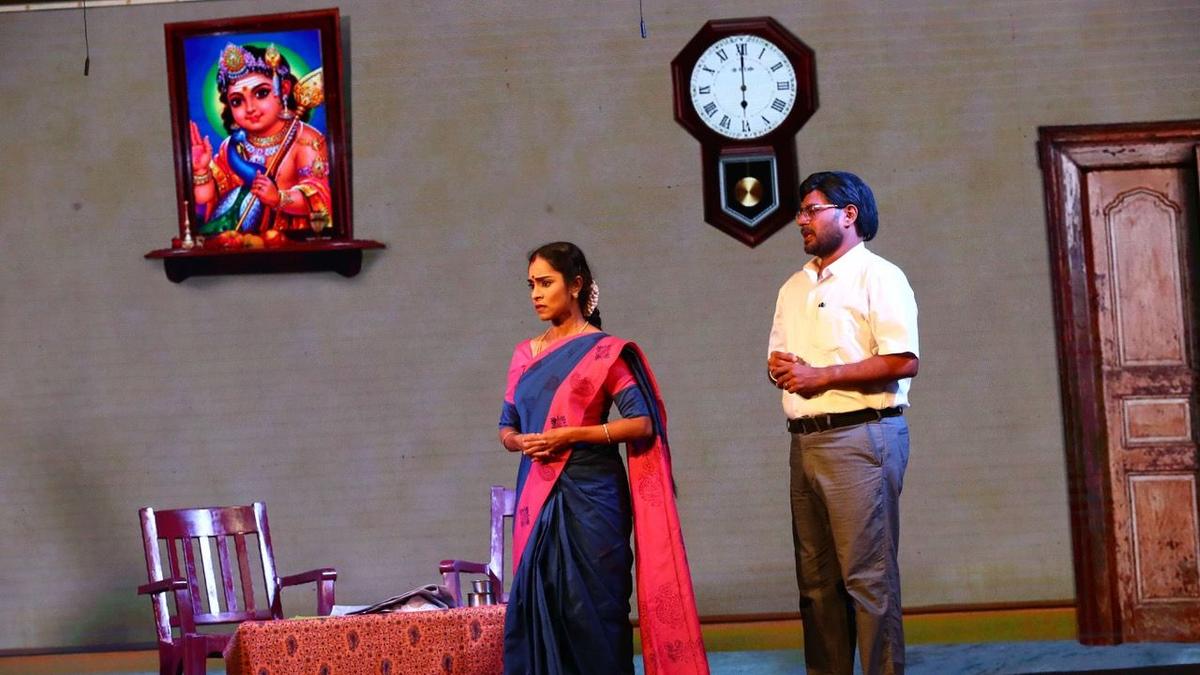
The evening commenced with "Kazhudhai Theyndhu," a story that, despite its simple premise, offered a gentle yet profound observation on human nature and the ebb and flow of generosity. The narrative centered on a housewife’s initial, instinctive response to a newspaper advertisement seeking donations for a charitable cause. Her spontaneous act of kindness, born from a place of genuine empathy, undergoes a subtle but significant transformation over time. This shift, depicting the way circumstances and the passage of time can temper even the most heartfelt intentions, was handled with a delicate touch of humor. The actor Vidya Lakshmi, embodying the character of Poorna, was particularly lauded for her performance. Her spontaneity and natural dialogue delivery infused the scenes with a vibrant energy, making Poorna’s journey relatable and endearing. The humor in the story was not slapstick, but rather derived from the quiet ironies of human behavior, a hallmark of Sivasankari’s observational prowess.
As the production progressed, the emotional landscape deepened. The second story, "Sandai," presented a stark contrast to the initial lightness. Beginning with the depiction of a deeply romantic and seemingly idyllic relationship between a doting couple, the narrative took a sharp turn, gradually descending into serious antagonism. The story culminated in the painful reality of divorce, a theme that, while potent in written form, proved challenging in its theatrical translation. Critics noted that while "Sandai" might have excelled as a short story, its dramatization by Dharani Komal, in this instance, resulted in a scenario that felt somewhat contrived and unnatural. The rapid escalation of conflict and the subsequent breakdown of the relationship, when compressed for the stage, appeared to lack the gradual development and nuanced progression that might have made it more organically believable. This segment served as a reminder of the inherent challenges in adapting the internal psychological shifts of characters for a visual and auditory medium.
Shifting gears once more, the production moved into a socio-political arena with "Thalaivar Vandhar." This segment offered a narrative that explored the unexpected, and often amusing, benefits that can arise from the cancellation of a minister’s visit. While the original story likely contained sharp social commentary, its presentation on stage appeared to lean more towards the anecdotal, highlighting the often absurd machinations of bureaucracy and the ripple effects of such disruptions on ordinary lives.

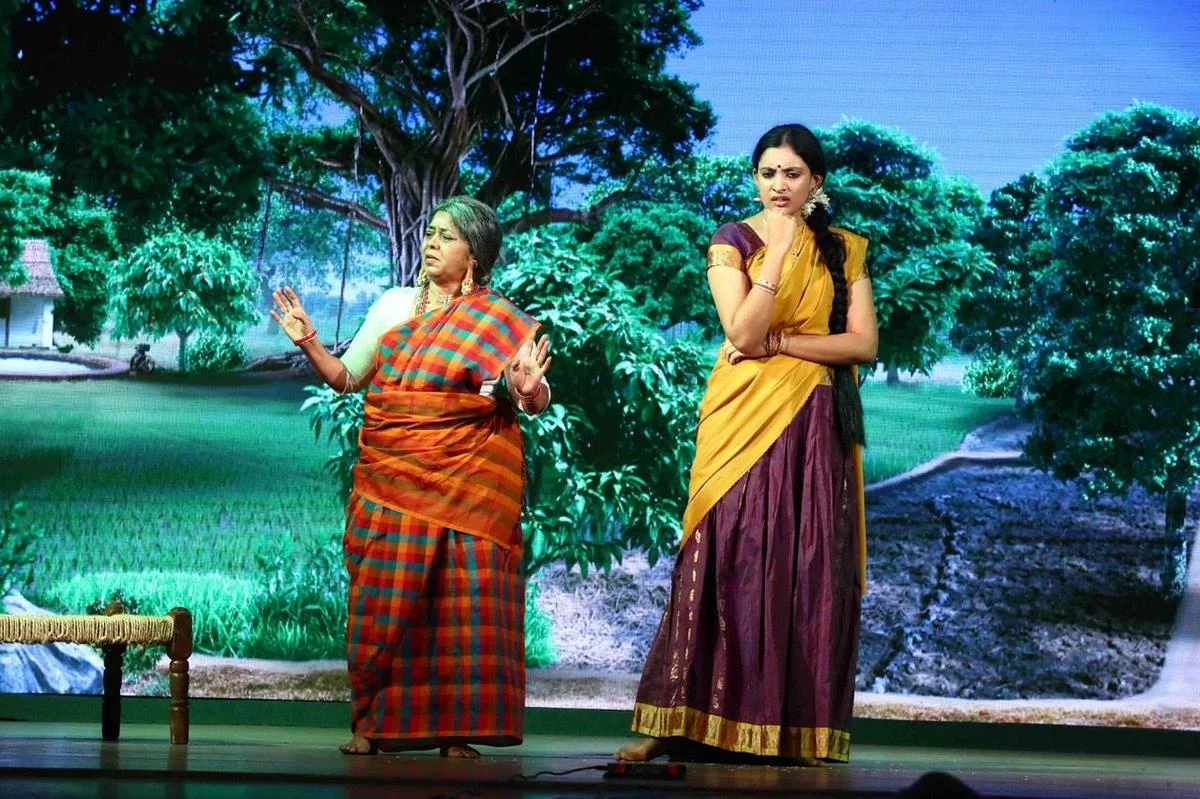
The emotional weight of the production reached its zenith with "Ayaah." This powerful story delved into the heartbreaking reality of a widowed village woman’s treatment at the hands of her own son and daughter-in-law. It served as a poignant and unflinching commentary on the societal disregard and exploitation that many senior citizens face from their children in contemporary times. The character of Vadivambal was brought to life with remarkable depth by Nanjil Revathi. Her portrayal was a masterclass in subtle characterization, utilizing nuanced mannerisms and a profound conveyance of a wide spectrum of emotions, ranging from fleeting moments of happiness to profound sorrow and crushing disillusionment. Revathi’s ability to embody the quiet dignity and the inner turmoil of Vadivambal was a standout performance. Furthermore, the meticulous attention to detail in the costume drape significantly enriched her performance, visually reinforcing the character’s circumstances and emotional state.
The final two segments, "Deivam Ninru Kollum" and "Theppakulam," offered intense and deeply emotional narratives that lent themselves exceptionally well to theatrical exploration. "Deivam Ninru Kollum" explored themes of karmic retribution, a concept that often resonates with a sense of poetic justice and inevitable consequence. "Theppakulam," on the other hand, invited the audience on a journey down memory lane, evoking nostalgia and the bittersweet contemplation of past experiences. These stories, with their inherent dramatic potential and emotional heft, provided a powerful conclusion to the anthology, leaving the audience with much to ponder.
The Centrality of the Female Experience
A striking observation from the production was the consistent focus on female characters. Barring a single instance where Vignesh Chellapan played a significant role as Parama Guru, the male characters largely served as supporting figures, often acting as catalysts or obstacles within the women’s narratives. This deliberate choice underscored Sivasankari’s reputation as a writer who deeply understood and empathetically portrayed the complexities of women’s lives. The production, by adhering to this thematic thread, celebrated the resilience, strength, and emotional depth of women, offering a platform for their stories to be told and amplified. The ensemble cast, including actors Sahasranaman, Siddharth, Kaavya, Sashikanth, Anu Kannan, Kannan Rudrapathy, and Baby Saroja, each contributed to bringing these diverse female characters to life, embodying their hopes, fears, and triumphs.
Innovative Staging and Technical Prowess
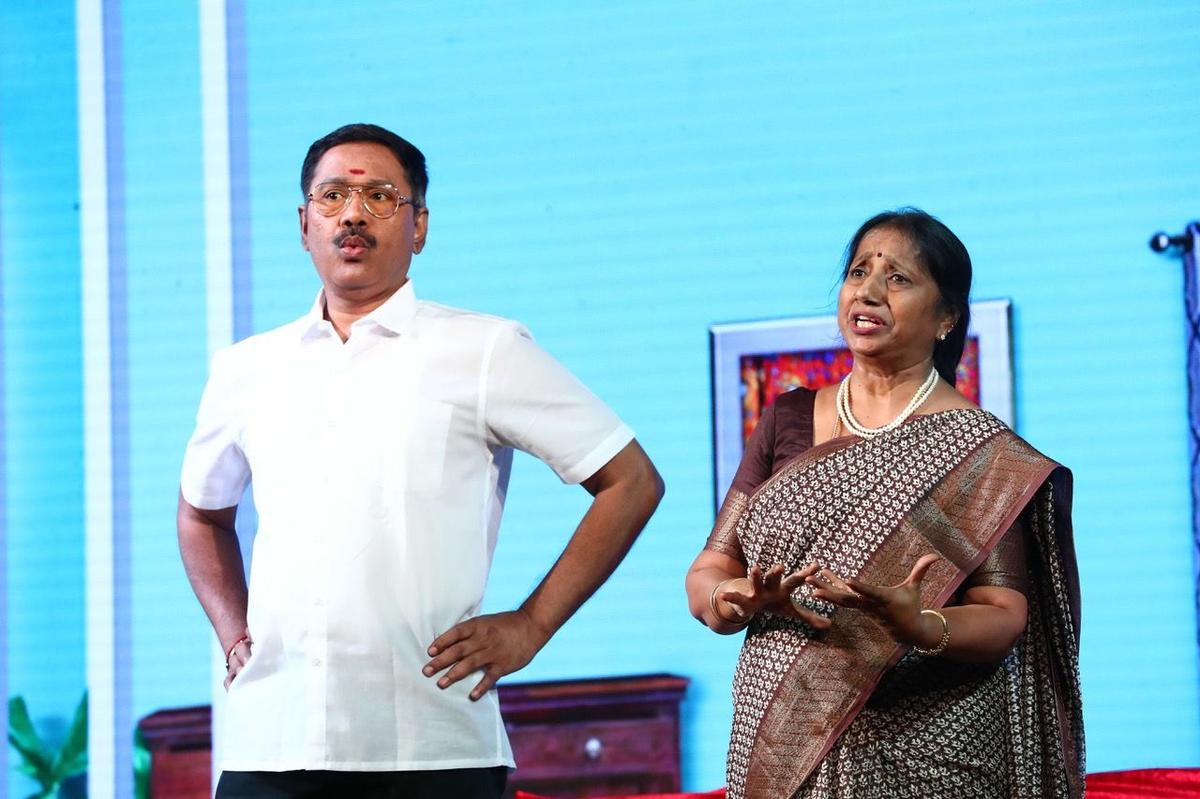
Beyond the compelling narratives and strong performances, the Sivasankari production was distinguished by its innovative use of stagecraft and technical elements. Deviating from traditional painted backdrops, the creative team embraced the use of LED projections, masterfully visualized by Thyagarajan. This contemporary approach added a dynamic and visually rich dimension to the performance, allowing for seamless transitions between scenes and the creation of evocative atmospheres. The lighting, expertly handled by Chetha Ravi, played a crucial role in shaping the mood and intensity of each story, effectively guiding the audience’s emotional response. Complementing the visual elements, the music, composed by Viswaajay, provided an aural tapestry that enhanced the storytelling, subtly underscoring moments of tension, joy, and pathos.
Dharani Komal’s direction was instrumental in weaving these disparate elements into a cohesive and compelling whole. Her skillful orchestration of crisp movements and fluid scene changes ensured that the momentum of the production was sustained throughout the evening. The seamless transitions between the six stories, each with its own distinct tone and thematic focus, were a testament to her directorial vision. This ability to navigate the varying emotional registers of the stories, while maintaining a consistent artistic quality, was a significant achievement. The synergy between Komal’s direction and the fine performances from the actors created a theatrical experience that was both intellectually stimulating and emotionally engaging, leaving a lasting impression on the audience.
The production of Sivasankari at the Vani Mahal theatre festival was more than just a theatrical adaptation; it was a tribute to a literary giant and a profound exploration of the human heart. Dharani Komal’s sensitive curation and insightful direction, coupled with the dedication of the cast and crew, successfully brought Sivasankari’s timeless stories to life, reminding audiences of the enduring power of narrative to connect, to move, and to inspire. The success of the production underscores the vital role of theatre in reinterpreting and celebrating literary heritage, ensuring that the voices and experiences of writers like Sivasankari continue to resonate with new generations.
