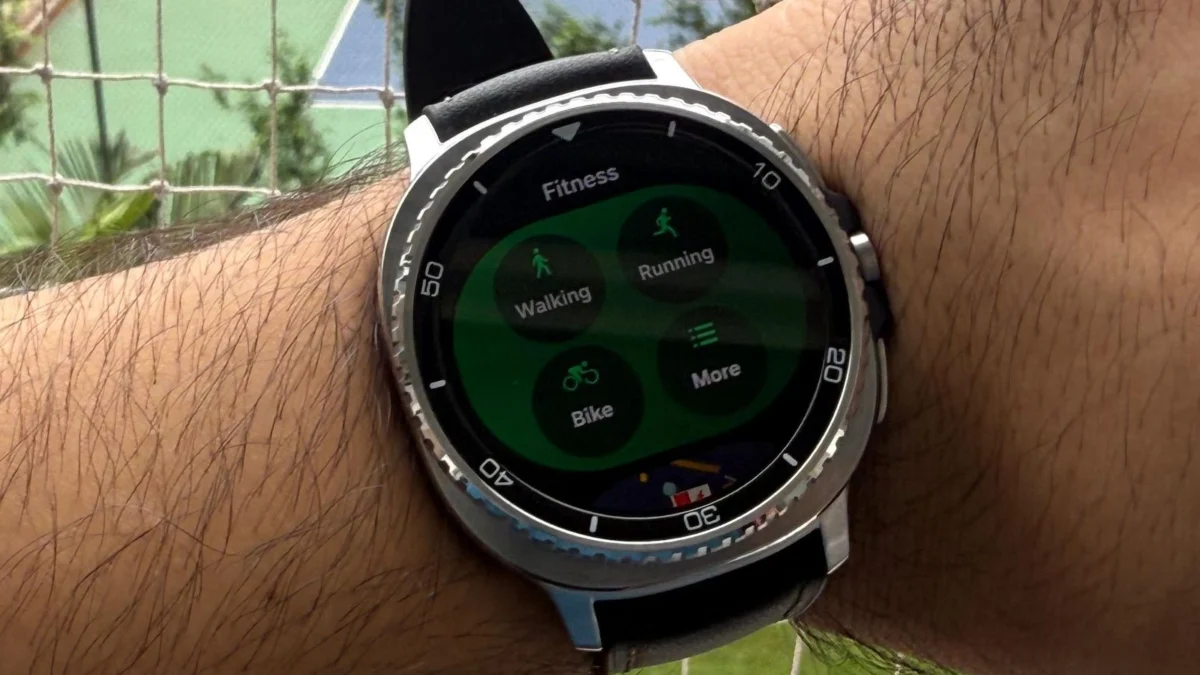
Cambridge, MA & Seoul, South Korea – May 29, 2026 – In a significant move set to redefine the landscape of personalized medicine, technology giant Samsung has announced a groundbreaking partnership with Massachusetts General Hospital (MGH), one of the world’s leading academic medical centers. This collaborative research initiative aims to investigate the potential of advanced smartwatches, including the eagerly anticipated Galaxy Watch 8, in detecting and mitigating muscle loss often associated with popular GLP-1 (Glucagon-Like Peptide-1) weight-loss medications such as Ozempic and Wegovy.
The partnership addresses a critical and growing concern within the medical community: while GLP-1 agonists have proven remarkably effective in combating obesity and managing type 2 diabetes, emerging research suggests that patients undergoing these treatments may experience a substantial reduction in lean muscle mass alongside the desired loss of body fat. By integrating state-of-the-art wearable biometric tracking with clinical oversight, Samsung and MGH hope to empower both patients and clinicians with real-time, actionable insights, paving the way for healthier and more sustainable weight management outcomes.
A Groundbreaking Collaboration Against Unintended Consequences
The alliance between a global technology innovator and a revered medical institution underscores a broader paradigm shift in healthcare, where consumer electronics are increasingly being validated for clinical applications. This study, focused on the complex interplay between potent pharmaceuticals and human physiology, seeks to harness the omnipresence of wearable technology to optimize therapeutic strategies and safeguard patient health.
The Double-Edged Sword of GLP-1 Medications
GLP-1 receptor agonists have revolutionized the treatment of obesity and type 2 diabetes since their introduction. Drugs like semaglutide (Ozempic, Wegovy) and tirzepatide (Mounjaro, Zepbound) mimic the action of a natural hormone, GLP-1, which regulates blood sugar, slows gastric emptying, and promotes feelings of satiety. This multifaceted mechanism leads to significant weight loss, improved glycemic control, and even demonstrated cardiovascular benefits. Millions globally have found these medications to be life-changing tools in their health journeys, often achieving weight loss percentages previously only attainable through bariatric surgery.
However, as their use has become more widespread, a nuanced understanding of their effects has begun to emerge. Early studies and anecdotal reports highlighted that while overall body weight decreased, a significant proportion of this loss was not solely adipose tissue (fat).
Unmasking the Hidden Cost: The Threat of Muscle Loss
The concern surrounding muscle loss with GLP-1 therapies gained substantial traction following research from institutions like the University of Virginia. These studies indicated that patients on GLP-1 medications were not only shedding fat tissue but also a considerable amount of fat-free mass, which critically includes lean muscle.
Muscle mass is far more than just a component of physical strength. It plays a pivotal role in maintaining basal metabolic rate (BMR), influencing how many calories the body burns at rest. A higher muscle mass correlates with a higher BMR, making it easier to manage weight in the long term. Beyond metabolism, muscle is crucial for physical strength, mobility, balance, and overall functional independence, particularly as individuals age. It also acts as a primary site for glucose uptake, making it essential for metabolic health and insulin sensitivity. Furthermore, muscle contraction helps maintain bone density, reducing the risk of osteoporosis and fractures.
Losing significant muscle mass during weight loss, even if total weight decreases, can lead to a less favorable body composition. This can result in a "skinny fat" phenotype, where an individual appears thinner but has a higher percentage of body fat relative to muscle. This scenario can paradoxically worsen metabolic health, increase the risk of sarcopenia (age-related muscle loss), impair physical function, and make long-term weight maintenance exceedingly challenging as the body’s metabolic engine slows down. The MGH-Samsung study aims to provide precise monitoring capabilities to prevent these adverse outcomes.
The Promise of Wearable Biometrics: A New Era of Monitoring
Samsung’s involvement in this research is a testament to its evolving corporate strategy, which increasingly positions its smartwatches not merely as fitness accessories but as sophisticated health-monitoring tools. The company envisions a future where wearable technology provides a continuous, passive, and personalized stream of biometric data, enabling proactive health management and aiding clinical decision-making.
The Mechanics of the MGH-Samsung Study
The collaborative study is meticulously designed to provide robust clinical evidence. It will enroll 100 adult participants, carefully divided into two distinct groups. The control group will receive standard GLP-1 treatment alongside conventional medical guidance, mirroring current clinical practice. The experimental group, however, will embark on the same GLP-1 regimen and medical advice but with the added integration of the upcoming Galaxy Watch 8. These participants will utilize the smartwatch to continuously track various health metrics, with a particular focus on body composition changes throughout the duration of the program.
A critical aspect of the study’s methodology involves direct comparison. Researchers will meticulously analyze the body composition data generated by the Galaxy Watch 8 against measurements obtained from Dual-energy X-ray Absorptiometry (DXA) scans. DXA scans are widely regarded as the "gold standard" for assessing body composition, providing highly accurate measurements of bone mineral density, lean muscle mass, and fat mass. By benchmarking the smartwatch’s performance against DXA, the study aims to validate the accuracy and reliability of wearable-generated body composition data in a clinical context. This validation is crucial for establishing wearables as credible tools for medical monitoring.
Bridging the Gap: From Consumer Device to Clinical Tool
The Galaxy Watch 8, like its predecessors, incorporates Bioelectrical Impedance Analysis (BIA) technology to estimate body composition. BIA works by sending a weak, imperceptible electrical current through the body. As muscle tissue contains more water and electrolytes than fat tissue, it conducts electricity more efficiently. By measuring the impedance (resistance) to this current, the device can estimate the percentages of body fat, muscle mass, and water. While consumer-grade BIA has improved significantly, its accuracy can be influenced by factors such as hydration levels, recent physical activity, and food intake. The MGH study will critically evaluate the smartwatch’s BIA capabilities under real-world clinical conditions, assessing its consistency and correlation with the precise measurements from DXA.
The aspiration is that these wearable-generated insights could eventually empower clinicians to make faster, more personalized treatment adjustments during weight-loss therapy. Imagine a scenario where a patient’s smartwatch data, analyzed by sophisticated algorithms, flags a concerning trend of disproportionate muscle loss. This early warning could prompt a physician to recommend specific dietary interventions, resistance training protocols, or even adjust the GLP-1 dosage, thereby preserving muscle mass and promoting a healthier overall body composition. This proactive approach could significantly enhance patient safety and optimize therapeutic outcomes.
Official Voices on the Horizon of Health Innovation
Dr. Melissa Putman, the esteemed Director of the MGH Diabetes Research Center, articulated the profound potential of this research. "We are deeply interested in how wearable devices may provide clinicians with a more complete and dynamic picture of how GLP-1 therapies affect the body over time," Dr. Putman stated. "Current monitoring methods often rely on periodic in-clinic visits and less frequent, resource-intensive scans. If smartwatches can offer continuous, accurate data on body composition changes, particularly muscle mass, it could revolutionize our ability to tailor treatment plans, mitigate adverse effects, and ultimately improve the long-term health of our patients."
A hypothetical statement from a Samsung executive, such as Dr. Hon Pak, Vice President and Head of Digital Health Team at Samsung Electronics, would likely echo this sentiment: "Our partnership with Massachusetts General Hospital represents a critical step in Samsung’s commitment to advancing digital health. We believe that empowering individuals with accurate, accessible health data, clinically validated through rigorous research, is key to fostering a healthier global community. The Galaxy Watch 8 is engineered with advanced sensors and intelligent algorithms, and this study will help us unlock its full potential as a proactive health companion, especially in complex therapeutic contexts like GLP-1 treatment."
Independent experts in the field, such as Dr. Anya Sharma, a leading endocrinologist and researcher not directly involved in the study, might offer a cautious yet optimistic perspective: "The promise of integrating consumer wearables into clinical practice for conditions like obesity is immense. However, robust validation against gold-standard methods like DXA is absolutely essential. If Samsung and MGH can demonstrate consistent accuracy, it could provide a scalable, less invasive, and more frequent monitoring solution, potentially transforming how we manage patients on GLP-1s and beyond. The challenge will be ensuring data integrity, privacy, and seamless integration into clinical workflows."
Beyond Muscle Loss: A Holistic View of GLP-1 Side Effects
While the current study zeroes in on muscle loss, it’s important to acknowledge that GLP-1 medications, despite their benefits, have been linked to a range of other side effects. Common complaints include gastrointestinal issues such as nausea, vomiting, diarrhea, and constipation, particularly during the initial phases of treatment or dose escalation. Some patients also report changes in taste perception.
More recently, concerns about facial volume loss, colloquially termed "Ozempic face," have emerged. This phenomenon occurs as rapid fat loss in the face can lead to a gaunt appearance, accentuating wrinkles and fine lines. While not a direct medical complication, it can impact patients’ self-esteem and body image. The MGH-Samsung study’s focus on comprehensive body composition, while primarily geared towards muscle, could theoretically lay groundwork for future research into how wearables might indirectly monitor or flag other physiological changes that contribute to these broader side effects, perhaps through hydration status or specific activity patterns.
Samsung’s Strategic Pivot: From Fitness to Holistic Health
This collaboration with MGH is not an isolated incident but rather a continuation of Samsung’s strategic evolution in the health technology sector. For years, the company has been steadily transforming its smartwatches from general-purpose fitness trackers into sophisticated health-monitoring devices capable of providing medical-grade insights.
Previous collaborations highlight this trajectory. Samsung has partnered with researchers at Stanford University to develop and validate sleep apnea detection features, leveraging the smartwatch’s SpO2 (blood oxygen saturation) and heart rate monitoring capabilities. The company has also supported extensive studies involving advanced cardiovascular monitoring, including electrocardiogram (ECG) functionality for detecting atrial fibrillation, and even fainting detection, which uses motion sensors to identify falls and potentially alert emergency contacts. These initiatives demonstrate a clear commitment to clinical validation and the integration of advanced biometric sensors into consumer electronics.
The underlying philosophy is to empower users with a continuous understanding of their health, moving beyond reactive care to proactive prevention and management. By making sophisticated health monitoring accessible on the wrist, Samsung aims to democratize health data and foster a more engaged and informed patient population.
The Broader Landscape: Wearables, Digital Health, and AI’s Ascent
The latest research project also reflects a broader and accelerating trend within the wearable technology industry and the wider healthcare ecosystem. The convergence of digital health, artificial intelligence (AI), and consumer electronics is rapidly reshaping how healthcare is delivered and experienced.
Companies across the tech spectrum are investing heavily in integrating medical-grade monitoring into their devices. This includes not just smartwatches but also smart rings, patches, and other forms of connected health hardware. The aim is to generate vast amounts of real-world data, which, when analyzed by AI algorithms, can uncover personalized health patterns, predict potential health issues, and offer tailored interventions.
AI-driven healthcare is moving beyond simple data aggregation to predictive analytics and even prescriptive recommendations. For instance, AI could analyze a patient’s smartwatch data – combining heart rate variability, sleep patterns, activity levels, and now, potentially, body composition – to identify subtle deviations from their baseline and flag them for clinical review. This continuous, passive monitoring has the potential to bridge the gap between infrequent clinic visits, offering a more holistic and timely understanding of a patient’s health status. The MGH-Samsung study is a prime example of how this integration can directly address a specific, medically relevant challenge.
Far-Reaching Implications: Reshaping Patient Care and Industry Standards
The success of the Samsung-MGH collaboration could have profound implications across several domains:
- For Patients: The most direct beneficiaries would be patients on GLP-1 therapies. With accurate, continuous muscle mass monitoring, they could receive personalized guidance on diet and exercise to preserve lean mass, leading to healthier body composition changes, improved metabolic health, sustained physical function, and better long-term weight maintenance. This could significantly enhance their quality of life and reduce the risk of adverse outcomes associated with muscle loss.
- For Clinicians: Healthcare providers would gain an invaluable tool for remote patient monitoring. Instead of relying solely on periodic in-office measurements, they could access objective data between appointments, allowing for more timely interventions and finely tuned treatment adjustments. This could lead to more efficient patient management and improved clinical outcomes.
- For Samsung and the Tech Industry: This partnership would further solidify Samsung’s reputation as a serious player in the health technology space, enhancing the credibility of its wearable devices. It would also set a precedent for other tech companies, encouraging rigorous clinical validation of their health features and potentially driving innovation in sensor technology and data analytics.
- For the Pharmaceutical Industry: While not directly altering how GLP-1 medications work, the study could inform pharmaceutical companies about the importance of complementary digital health solutions. Offering integrated monitoring tools could enhance the safety profile and overall value proposition of their drugs, potentially leading to new partnerships between pharma and tech.
- For Broader Healthcare: The study contributes to the ongoing shift towards personalized and preventive medicine. It highlights how consumer devices, once considered niche gadgets, are becoming integral to clinical pathways. This integration raises important questions about data privacy, security, and regulatory oversight, which will need to be addressed as these technologies become more commonplace in healthcare.
A Future of Personalized and Proactive Health Management
While the study does not directly change the pharmacological action of GLP-1 medications, its potential impact on patient outcomes is immense. Researchers at MGH and Samsung harbor the hope that wearable-based monitoring could empower patients to achieve not just rapid weight loss, but also healthier, more sustainable long-term outcomes. By preserving crucial muscle mass, individuals can maintain their strength, metabolism, and overall vitality, transforming their weight-loss journey into a holistic health transformation.
The collaboration between Samsung and Massachusetts General Hospital represents a beacon of innovation at the intersection of technology and medicine. It signifies a future where our devices are not just extensions of our digital lives but integral partners in our health, providing continuous insights that empower us to live healthier, more informed lives. As the Galaxy Watch 8 prepares for its debut, its role in this pioneering study could well mark a pivotal moment in the evolution of digital health.