

In the pantheon of global superfoods, few ingredients carry as much weight—both historically and scientifically—as turmeric. Known as the "Golden Spice," Curcuma longa has been a cornerstone of Ayurvedic and Traditional Chinese Medicine for millennia. However, in the modern wellness era, a significant gap has emerged between the consumption of turmeric and the actual absorption of its primary bioactive compound: curcumin.
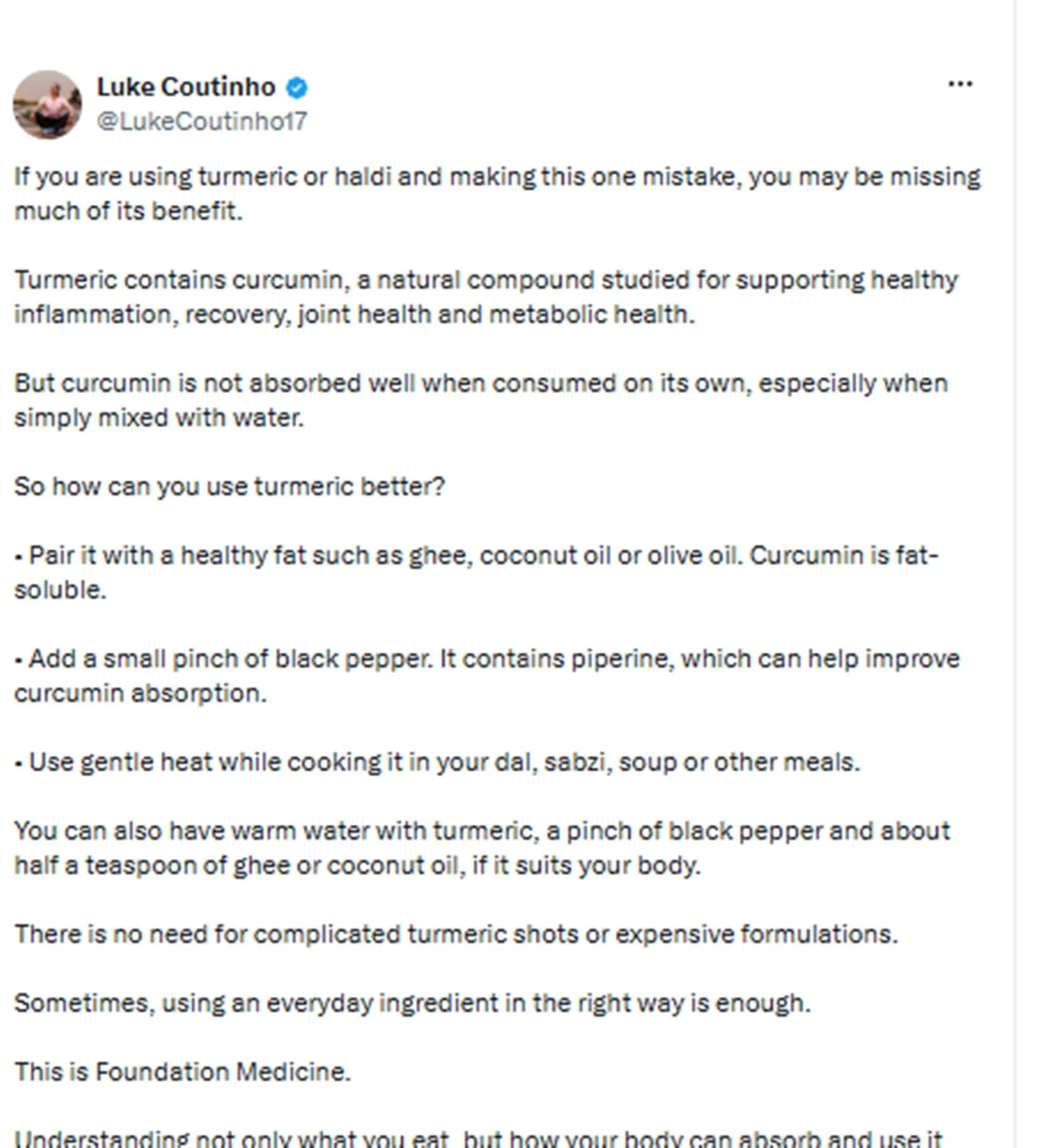
Recent insights from renowned lifestyle coach Luke Coutinho and clinical nutritionists have sparked a vital conversation about "Foundation Medicine." The core of the argument is simple yet profound: it is not just what we eat, but how our bodies process and utilize those nutrients that determines our health outcomes. If you are consuming turmeric in water or as a standalone supplement without specific catalysts, you may be missing out on the vast majority of its therapeutic potential.
Main Facts: The Science of Curcumin and the Absorption Gap
The primary reason turmeric is lauded by health experts is curcumin. This polyphenol is responsible for the spice’s vibrant yellow hue and its documented anti-inflammatory, antioxidant, and anti-neoplastic properties. Research suggests that curcumin supports joint health, aids in post-exercise recovery, and may even improve metabolic markers.
However, the "Turmeric Paradox" lies in its extremely low bioavailability. When consumed in its raw form or mixed simply with water, curcumin is rapidly metabolized by the liver and excreted by the body before it can enter the bloodstream and reach target tissues.
The Three Pillars of Effective Turmeric Consumption
According to Luke Coutinho and supported by clinical dietitians like Amreen Sheikh, there are three non-negotiable elements required to unlock the benefits of turmeric:
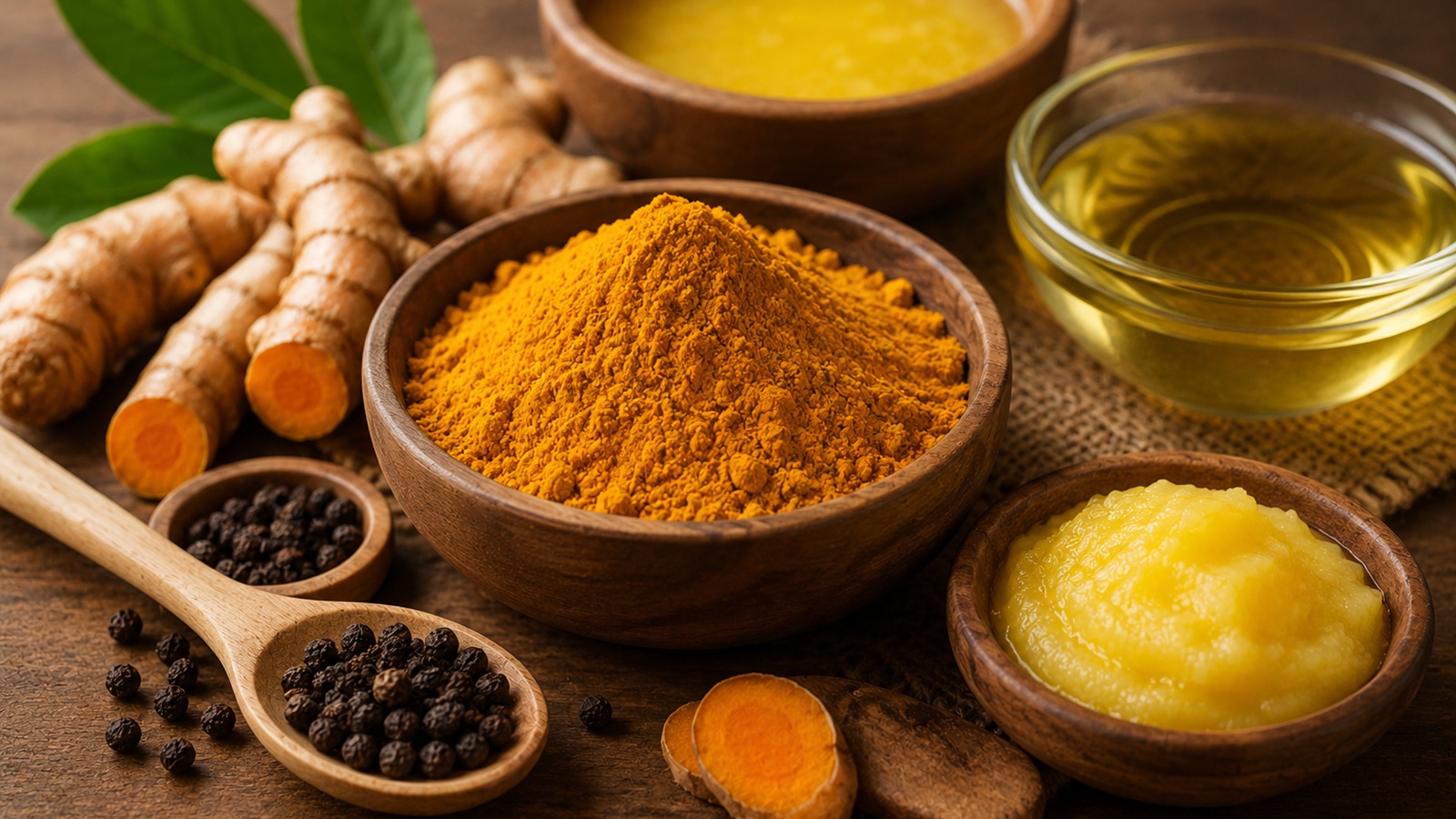
- The Lipid Requirement (Healthy Fats): Curcumin is fat-soluble (lipophilic). This means it does not dissolve in water but requires a fat medium to be absorbed through the lining of the small intestine into the lymphatic system.
- The Piperine Catalyst (Black Pepper): Black pepper contains an alkaloid called piperine. Studies have shown that piperine can inhibit the metabolic pathway that eliminates curcumin, effectively increasing its bioavailability by up to 2,000%.
- Thermal Activation (Gentle Heat): Heat increases the solubility of curcumin in water-based dishes and helps break down the cellular structure of the spice, making the bioactive compounds more accessible.
Chronology: From Social Media Insight to Expert Consensus
The current discourse was catalyzed by a detailed post shared by lifestyle coach Luke Coutinho on X (formerly Twitter). Coutinho, known for advocating integrative medicine and lifestyle changes over "quick fixes," addressed a common mistake made by health enthusiasts: the "turmeric-in-water" trend.
- The Initial Post: Coutinho asserted that many individuals are wasting the potential of turmeric by treating it like a water-soluble vitamin. He introduced the concept of "Foundation Medicine," emphasizing that the way we prepare traditional ingredients is often rooted in deep biological wisdom.
- The Viral Reception: The post resonated with a global audience, many of whom had adopted "turmeric shots" or "haldi water" as part of their morning routines without seeing tangible results in inflammation or joint pain.
- Expert Corroboration: Following the post, clinical experts, including Dt. Amreen Sheikh, Chief Dietitian at KIMS Hospitals, Thane, weighed in to provide clinical context. While agreeing with Coutinho’s biological premises, the medical community added necessary nuances regarding dosage, the difference between culinary turmeric and concentrated extracts, and safety precautions for specific medical conditions.
Supporting Data: Understanding Bioavailability and Nutritional Synergy
To understand why Coutinho and Sheikh emphasize these specific pairings, one must look at the pharmacokinetics of curcumin.
The Role of Piperine
The human liver makes curcumin water-soluble by a process called glucuronidation, which allows the body to flush it out quickly. Piperine, the active component of black pepper, inhibits this process. By slowing down the liver’s attempt to discard curcumin, piperine ensures the compound stays in the blood long enough to exert its anti-inflammatory effects. Even a tiny pinch of black pepper—roughly 1/20th of a teaspoon—is sufficient to trigger this effect.
The Fat-Solubility Factor
When turmeric is consumed with a healthy fat like ghee (clarified butter), virgin coconut oil, or extra virgin olive oil, the curcumin binds to the fat molecules. This allows it to bypass some of the initial metabolic processing in the liver and enter the body via the lymphatic system. This is why traditional Indian recipes for dal (lentils) or sabzi (vegetable stir-fry) almost always begin with a "tadka" or "tempering"—heating spices in oil or ghee before adding other ingredients.
Dietary vs. Supplemental Concentrations
It is important to note the concentration levels. Turmeric powder typically contains only about 3% curcumin by weight. Many clinical trials that show dramatic results in treating arthritis or metabolic syndrome use "curcuminoids," which are concentrated extracts containing up to 95% curcumin.
Dt. Amreen Sheikh highlights this distinction, noting that while adding turmeric to food is excellent for long-term health maintenance, it may not provide the "heroic" doses used in clinical studies. However, for the average individual, consistent, well-absorbed dietary intake is often more sustainable and safer than high-dose supplementation.
Official Responses: Expert Insights and Nuance
While the benefits of turmeric are clear, medical professionals urge a balanced perspective. Dt. Amreen Sheikh emphasizes that turmeric is a "supportive" ingredient rather than a "miracle cure."
"There is no strong evidence that expensive turmeric shots or supplements are needed for healthy individuals," Sheikh stated. She advocates for a "food-first" approach, where the synergy of a balanced diet provides the necessary nutrients in a form the body recognizes.
The Critique of "Superfood Trends"
Both Coutinho and Sheikh expressed a level of skepticism toward the commercialization of turmeric. The market is currently flooded with "turmeric lattes," "golden milk mixes," and "turmeric shots" that often contain high amounts of sugar or lack the necessary fat and pepper components for absorption. Coutinho’s assertion that "there is no need for complicated turmeric shots or expensive formulations" serves as a reminder that health is often found in the simplicity of traditional cooking.
Implications: Who Should Be Careful?
Despite its status as a health powerhouse, turmeric is not suitable for everyone in high quantities. The transition from using it as a spice to using it as a "medicine" requires caution.
Contraindications and Risks
- Gallbladder Issues: Turmeric can stimulate the gallbladder to produce more bile. For individuals with gallstones or bile duct obstructions, this can lead to painful contractions or complications.
- Kidney Stones: Turmeric is high in oxalates. In susceptible individuals, high intake can contribute to the formation of calcium-oxalate kidney stones.
- Blood Thinning: Curcumin has mild anticoagulant properties. Those on blood-thinning medications (like Warfarin or Aspirin) or those scheduled for surgery should consult a doctor, as turmeric may increase the risk of bruising and bleeding.
- Pregnancy and Iron Absorption: While safe in culinary amounts, high-dose turmeric supplements are generally discouraged during pregnancy. Furthermore, some studies suggest that excessive turmeric may interfere with the absorption of non-heme iron.
The "Foundation Medicine" Philosophy
The broader implication of this discussion is a shift toward "Foundation Medicine." This philosophy moves away from "bio-hacking" with isolated compounds and moves toward understanding the holistic interaction of foods. It suggests that the wisdom of traditional cuisines—pairing fats with spices, slow-cooking legumes, and using fermented side dishes—was based on an intuitive understanding of nutrient bioavailability.
Conclusion: The Golden Rule for the Golden Spice
The advice from Luke Coutinho and the clinical validation from Amreen Sheikh provide a clear roadmap for anyone looking to enhance their wellness routine. To truly benefit from turmeric:
- Avoid the "Water Mistake": Do not simply stir turmeric into a glass of plain water.
- Embrace the Trio: Always pair turmeric with a fat (ghee/oil) and a catalyst (black pepper).
- Cook Gently: Incorporate it into warm meals like soups, stews, and dals.
- Consistency Over Intensity: Small, daily amounts consumed correctly are more effective than occasional high-dose "shots."
As we move forward in an era of personalized nutrition, the story of turmeric serves as a vital lesson: the power of a superfood lies not just in its chemical composition, but in the synergy of the plate. By returning to these foundational principles, we can ensure that the "Golden Spice" truly lives up to its therapeutic promise.
DISCLAIMER: This article is based on information from the public domain and expert opinions. Always consult your health practitioner before starting any new nutritional routine or taking supplements, especially if you have underlying health conditions or are on medication.
