

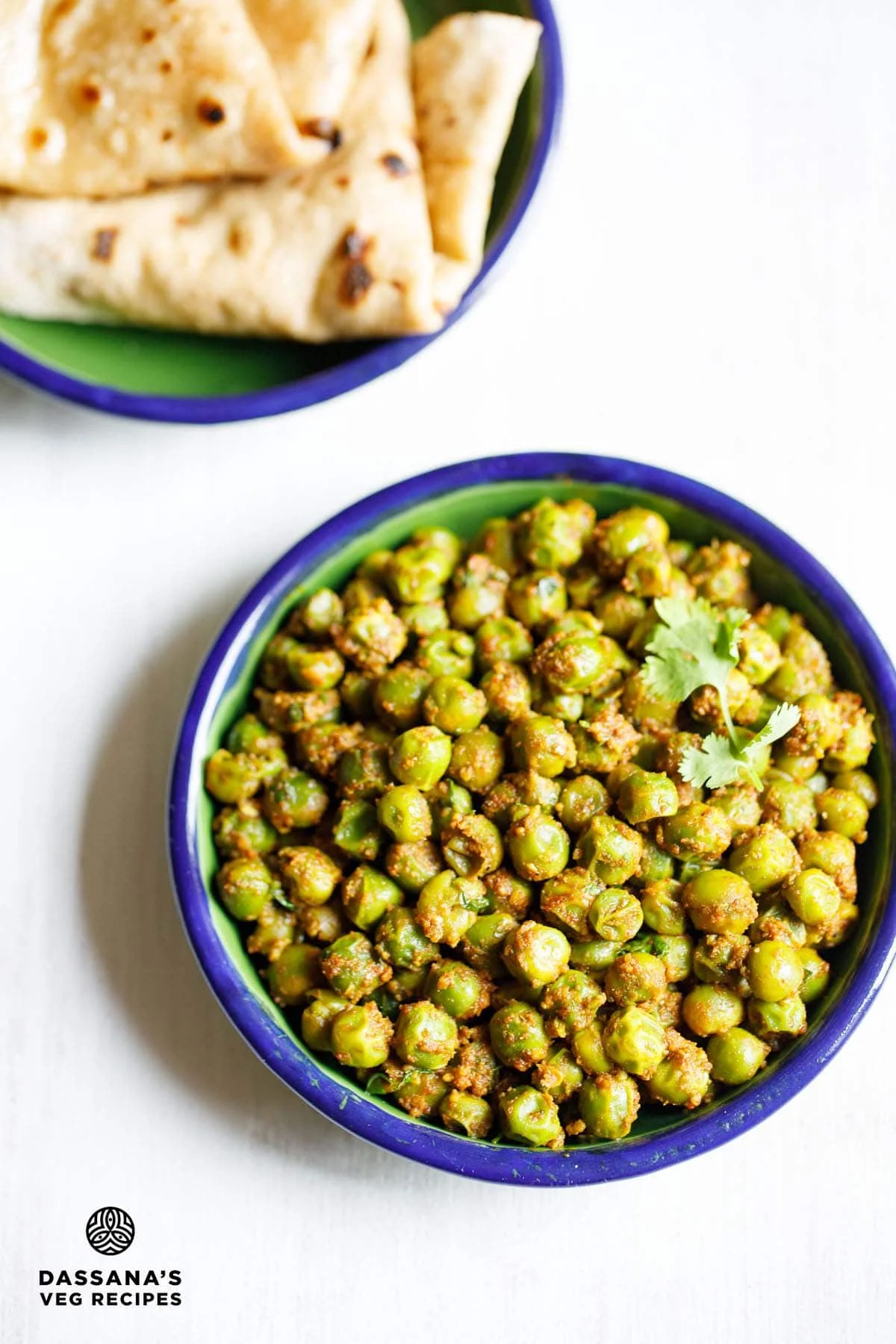
Main Facts: The Essence of the Green Pea Staple
In the vast and complex landscape of North Indian cuisine, where heavy gravies and intricate spice blends often dominate the narrative, a minimalist revolution persists in the form of "Matar ki Sabji." This dry vegetable preparation, centered on the humble green pea (Pisum sativum), represents a pinnacle of home-style "Sattvic" cooking—a dietary category in Indian philosophy that emphasizes purity, simplicity, and health.
Matar ki Sabji is more than a mere side dish; it is a culinary testament to the efficacy of seasonal eating. Historically celebrated during the winter months when fresh peas are harvested across the plains of Punjab, Haryana, and Uttar Pradesh, the dish has evolved into a year-round staple thanks to modern preservation techniques. Its defining characteristic lies in its "No Onion, No Garlic" (NONG) profile, making it a versatile option for various religious observances, dietary restrictions, and those seeking a lighter digestive load.

The dish is inherently inclusive, aligning with contemporary global dietary trends. It is naturally vegan, gluten-free, and avoids the pungent aromatics that define much of mainstream Indian restaurant fare. By relying on a precise sequence of dry spices—turmeric, cumin, coriander, and the tang of dry mango powder (amchur)—Matar ki Sabji elevates the natural sweetness of the legume rather than masking it.
Chronology: From Harvest to Table
The lifecycle of Matar ki Sabji follows a disciplined technical progression, ensuring that the delicate texture of the peas is preserved while the spices are fully bloomed.

Phase I: Raw Material Procurement and Preparation
The process begins with the selection of the primary ingredient. While culinary purists advocate for fresh winter peas, which offer a superior snap and natural sugars, the industry has standardized the use of high-quality frozen peas for year-round consistency.
Preparation involves a thorough rinsing of approximately 1.5 cups of peas. Unlike many Indian "curries" that require a base of sautéed aromatics, this dish begins with the par-cooking of the legume itself.

Phase II: The Steaming Protocol
Technicians of the kitchen utilize two primary methods for initial softening: boiling or steaming. Evidence suggests that steaming is the preferred industrial and traditional standard, as it prevents the water-soluble vitamins (such as Vitamin C and B-complex) from leaching into the cooking liquid.
In a standard household setting, this is achieved using a 2-liter stovetop pressure cooker. The peas are placed in a secondary vessel (a steel bowl) atop a trivet, ensuring no direct contact with the boiling water below. This "pot-in-pot" method uses steam pressure to tenderize the peas over five to six whistles (approximately 7 minutes), maintaining the structural integrity of the pea’s outer skin.

Phase III: The Tempering and Spice Infusion
Once tender, the peas undergo "Tadka" or tempering. A single tablespoon of oil or clarified butter (ghee) is heated over a low flame. Slit green chilies are introduced first, releasing capsaicin into the fat medium.
The steamed peas are then integrated, followed by a specific sequence of ground spices:

- Turmeric: For antiseptic properties and a vibrant hue.
- Cumin Powder: To aid digestion and provide an earthy base.
- Coriander Powder: For floral notes and thickening.
- Red Chili Powder: For a nuanced heat profile.
Phase IV: The Acidic Finish
The final stage of the chronology involves the "tangy balance." After sautéing the spices for 60 seconds to remove their raw edge, amchur (dry mango powder) is added. This acidity is crucial; it cuts through the starchiness of the peas and the richness of the oil, providing a clean finish on the palate. The process concludes with a garnish of fresh coriander leaves, adding a burst of chlorophyll and aroma.
Supporting Data: Nutritional and Chemical Composition
A quantitative analysis of Matar ki Sabji reveals a powerhouse of micronutrients, making it a preferred choice for health-conscious consumers. A standard serving (approximately 2 servings per recipe) yields the following data:

- Caloric Content: 173 kcal, providing a low-density, high-satiety meal.
- Macronutrient Profile: 20g of Carbohydrates, 6g of Protein, and 8g of Total Fat.
- Fiber Density: At 8g of dietary fiber, one serving contributes significantly to the recommended daily intake, promoting gut health and glycemic control.
- Micronutrient Highlights:
- Vitamin A: 1001 IU (essential for ocular health).
- Vitamin C: 47 mg (a potent antioxidant).
- Vitamin K: 29 µg (critical for bone metabolism and blood coagulation).
- Iron: 2 mg (supporting oxygen transport in the blood).
The inclusion of amchur or lemon juice is not merely a culinary choice but a chemical one. The Vitamin C in the acidic components enhances the bioavailability of the non-heme iron found in the peas, ensuring that the consumer derives maximum nutritional benefit from the dish.
Official Responses: Culinary and Health Perspectives
Leading figures in the culinary and wellness industries have weighed in on the significance of Matar ki Sabji as a model for modern eating.

Chef Sunita Mehra, a specialist in Vedic Cuisine, states:
"Matar ki Sabji represents the ‘Sattvic’ ideal. By removing onion and garlic, we allow the subtle, sweet profile of the pea to take center stage. It is a dish that respects the ingredient. In a world of over-processed food, this 15-minute preparation is a reminder that complexity does not always equal quality."
Dr. Rajeev Pathak, a clinical nutritionist, comments on the dish’s accessibility:
"From a clinical standpoint, this dish is an excellent tool for managing metabolic health. It is low in saturated fat (only 1g) and high in potassium (321mg). For patients with gluten sensitivities or those following a vegan lifestyle, it provides a reliable source of plant-based protein without the inflammatory triggers often found in more complex Indian restaurant gravies."

The North Indian Culinary Heritage Society (NICHS) recently released a statement regarding the preservation of "Dry Sabjis" (Sukhi Sabji):
"While ‘Butter Chicken’ and ‘Paneer Tikka’ receive global attention, the true backbone of the Indian diet is the dry vegetable preparation. Matar ki Sabji is a primary example of regional resourcefulness. We advocate for its inclusion in global ‘clean label’ food movements."
Implications: The Future of Plant-Based Simplicity
The continued popularity of Matar ki Sabji has several far-reaching implications for the food industry and global dining habits.

1. The "Clean Label" Trend
As consumers increasingly demand transparency in ingredients, Matar ki Sabji serves as a blueprint for "Clean Label" cooking. With fewer than ten ingredients—all of which are recognizable whole foods—it bypasses the skepticism associated with modern meat alternatives and processed vegan foods.
2. Gastronomic Diplomacy
As Indian cuisine continues to expand globally, there is a shift away from the "curry house" stereotype. The introduction of dry, regional dishes like Matar ki Sabji to international menus allows for a more nuanced understanding of Indian gastronomy, highlighting its diversity beyond heavy sauces.

3. Sustainability and Food Security
Green peas are nitrogen-fixing crops, meaning they improve soil health. As the global food system looks toward more sustainable protein sources, the promotion of pea-based dishes aligns with ecological goals. The ability to use frozen peas without a significant loss in nutritional value also addresses issues of food waste and seasonal availability.
4. Therapeutic Cooking
The ease of preparation (requiring no advanced knife skills or lengthy simmering) makes this dish a candidate for "therapeutic cooking" programs aimed at elderly populations or individuals recovering from illness who require high-nutrition, low-effort meals.

In conclusion, Matar ki Sabji stands as a testament to the power of the "less is more" philosophy. By balancing traditional spice-craft with a focus on a single, nutrient-dense legume, it provides a template for the future of global plant-based eating—one that is rooted in heritage but perfectly suited for the modern, health-conscious table. Whether served with a simple phulka or as part of an elaborate thali, it remains an essential, enduring icon of the North Indian heartland.
