


New Delhi – In an industry where physical perfection is often viewed as the baseline for success, Tamil cinema icon Arya has long been hailed as a paragon of fitness. Known for his grueling transformation in films like Sarpatta Parambarai and his well-documented passion for long-distance cycling, the actor’s physique suggests a life of monastic discipline. However, a recent candid confession has pulled back the curtain on a more relatable, human side of his lifestyle: a profound and "very bad" sweet tooth.
Speaking in a recent interview, the actor admitted that his relationship with sugar is not one of total abstinence, but rather a calculated negotiation. His strategy—cutting 80 percent of sugar while dieting but retaining a 20 percent "survival" margin—has sparked a wider conversation among nutritionists and fitness enthusiasts about the sustainability of restrictive diets versus the efficacy of moderation.
Main Facts: The "Survival" Margin and the Custard Confession
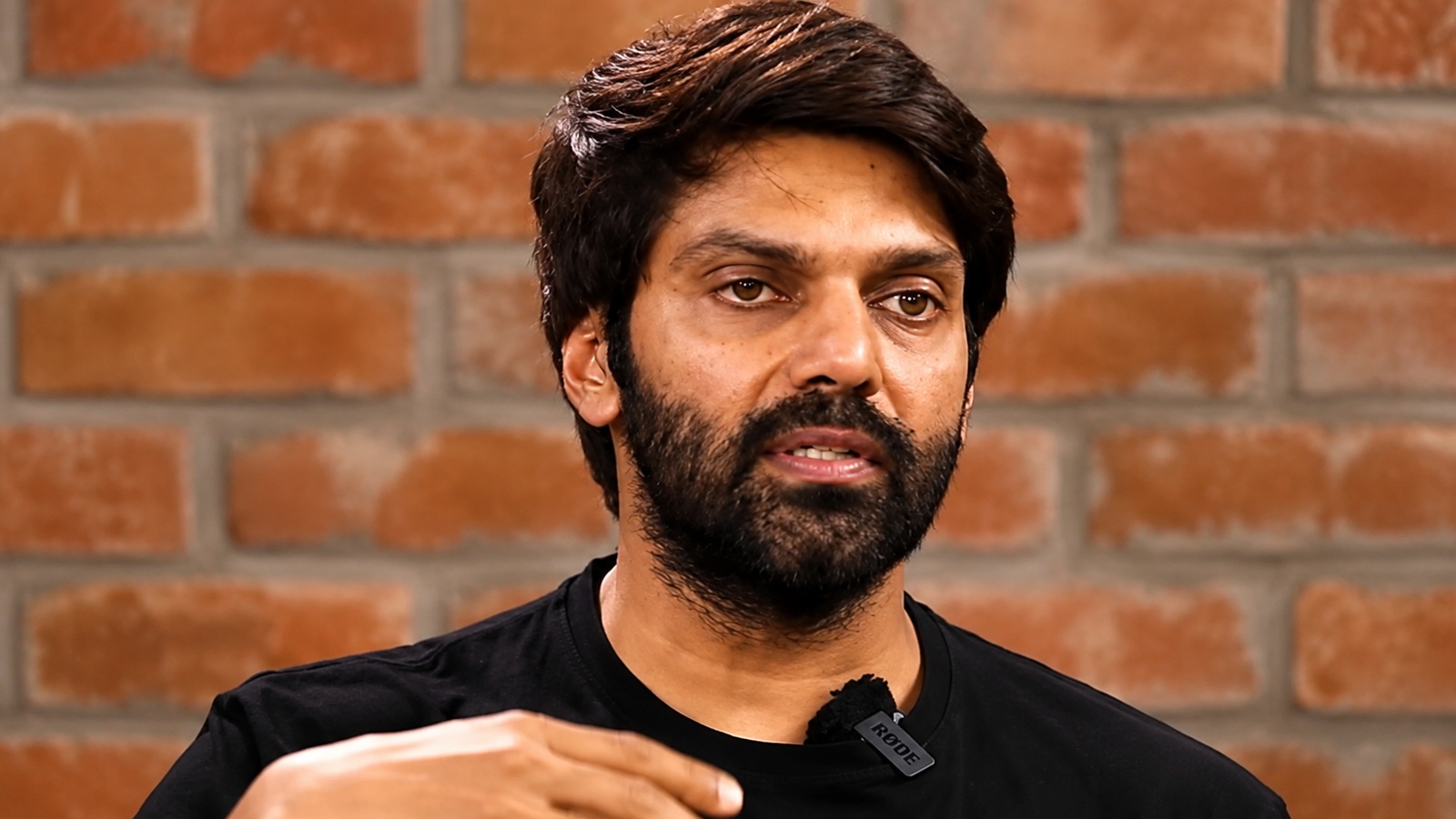
Arya’s revelation came during a deep-dive conversation with Galatta Plus, where he spoke openly about the psychological and physiological role sugar plays in his life. For an actor whose roles often demand extreme lean muscle mass, the admission was surprisingly frank.
"There is no life without sugar," Arya stated, echoing a sentiment shared by millions but rarely admitted by fitness influencers. "While I am on a diet, I cut 80 per cent of sugar. Generally, I eat a lot of sugar. 20 per cent, I need to survive. I can’t think. Very bad sweet tooth."
The actor further detailed his "off-season" habits, noting that when he is not under the strict constraints of a film-specific transformation, his meals are almost always punctuated by sugar. "If not on a strict diet, breakfast, lunch, and dinner, I have dessert like custard after food," he shared.
This "realistic" approach highlights a growing trend in the wellness industry: the rejection of "black-and-white" dieting. By allowing himself a 20 percent window even during rigorous training phases, Arya prevents the mental fatigue and "brain fog" often associated with zero-carb or zero-sugar regimes.
Chronology: From Extreme Transformation to Sustainable Maintenance
To understand the significance of Arya’s approach, one must look at the chronology of his fitness journey over the last decade.
- The Early Years (2003–2010): Arya entered the industry with a naturally athletic frame, but his focus was more on general aesthetics than elite-level conditioning.
- The Cycling Shift (2010–2018): Arya became a vocal advocate for cycling, participating in international events like the ‘Vätternrundan’ in Sweden. During this period, his caloric needs skyrocketed, allowing for higher sugar intake to fuel endurance.
- The ‘Sarpatta’ Transformation (2019–2021): For his role as a boxer, Arya underwent one of the most grueling physical transformations in Indian cinema history. This required a drastic reduction in body fat, where his "80/20 rule" was likely put to its ultimate test.
- The Modern "Realistic" Phase (2022–Present): Having achieved peak physical form, the actor has moved into a maintenance phase. His recent comments suggest a shift toward long-term sustainability, recognizing that total deprivation often leads to burnout and binge-eating cycles.
This evolution reflects a maturing perspective on health—moving away from the "all-or-nothing" mentality of his younger years toward a nuanced understanding of how his body reacts to glucose and deprivation.
Supporting Data: The Science of Sugar and "Brain Fog"
Arya’s claim that he "can’t think" without a small amount of sugar is backed by significant neurological data. The brain is the most energy-demanding organ in the body, fueled almost exclusively by glucose.
The Glucose-Cognition Link
Research indicates that while the body can produce glucose from non-carbohydrate sources (gluconeogenesis), a sharp drop in blood sugar levels in individuals accustomed to high sugar intake can lead to:
- Irritability and "Hangry" sensations.
- Decreased executive function.
- Reduced willpower and decision-making capabilities.
By retaining 20 percent of his sugar intake, Arya is essentially providing his brain with the "quick fuel" it needs to remain sharp on set, where long hours and complex dialogue delivery require high cognitive load.
The Dangers of Overconsumption
While Arya manages his intake, the broader data on sugar consumption in India is concerning. According to the World Health Organization (WHO), "added sugars" should make up less than 10 percent (and ideally less than 5 percent) of total daily energy intake.
- Caloric Density: Added sugar provides 4 calories per gram but zero essential vitamins or minerals.
- The Insulin Spike: Frequent consumption of desserts like custard leads to insulin spikes, which can promote fat storage, particularly in the visceral (abdominal) region.
- Metabolic Syndrome: Excessive intake is a primary driver of Type 2 diabetes and cardiovascular disease, which are reaching epidemic proportions in urban India.
Official Responses: Expert Insights on the "Arya Method"
Consultant dietitian Garima Goyal, commenting on the actor’s strategy, noted that his approach is significantly more practical than the "fad diets" often promoted by celebrities.
A Sustainable Strategy
"Calling it a ‘realistic’ approach," Goyal said, "rather than eliminating sweets completely, he focuses on reducing them significantly when working towards a fitness goal." She emphasized that the primary hurdle for most people is not the sugar itself, but the overconsumption of it.
"Added sugar is one of the easiest nutrients to overconsume. Frequent intake of sugary beverages, desserts, and processed snacks can increase calorie intake without providing essential nutrients, making it harder to achieve fat loss or maintain a healthy weight," Goyal explained.
Natural vs. Added Sugars
Goyal also highlighted a crucial distinction that often gets lost in celebrity health talk: the source of the sugar.
"Fruits, milk, and plain yogurt contain natural sugars along with fiber, vitamins, minerals, or protein, whereas added sugars in sweets and sugary drinks provide calories with relatively little nutritional value," she noted.
For an athlete like Arya, that 20 percent "survival sugar" might ideally come from a piece of fruit or a small portion of dark chocolate, though his admission of a "custard" habit suggests he occasionally opts for the refined variety—a choice Goyal says is acceptable if it ensures long-term adherence to a broader healthy lifestyle.
Implications: Changing the Narrative on Celebrity Fitness
Arya’s confession has several far-reaching implications for the public’s perception of fitness and the "Hero’s Diet."
1. Breaking the Perfection Myth
For years, the public has been fed a narrative that actors live on boiled chicken and broccoli for months on end. This creates an unrealistic standard for the average person. Arya’s admission that he struggles with cravings and chooses to manage them rather than ignore them makes fitness seem more attainable. It humanizes the "action hero" and provides a blueprint for the "common man" to follow.
2. The Rise of Flexible Dieting
The "80/20 rule" (the Pareto Principle applied to nutrition) is gaining traction. This implies that if 80 percent of your diet is comprised of whole, nutrient-dense foods, the remaining 20 percent can be reserved for "soul foods" or treats. This prevents the psychological "rebound effect" where total restriction leads to a massive binge, followed by guilt and the abandonment of the fitness journey altogether.
3. Practical Strategies for the General Public
For those looking to emulate Arya’s success without the help of a personal chef and trainer, Goyal and other experts suggest several accessible strategies:
- The "Whole Fruit" Swap: Instead of a processed dessert, choose a mango or a bowl of berries. The fiber slows down the absorption of sugar, preventing the insulin spike Arya’s custard might cause.
- Label Literacy: Many "healthy" snacks are loaded with hidden sugars. Reading food labels is the first step in the "80 percent reduction" phase.
- Protein Prioritization: Replacing a sugary snack with a protein-rich option (like nuts or Greek yogurt) can stabilize blood sugar and reduce the intensity of subsequent cravings.
- Managing the Environment: As Arya implies, when he is "on a diet," the sugar is cut. This often requires removing temptations from the immediate environment to reduce the reliance on willpower.
Conclusion: The Middle Path to Longevity
Arya’s "sugar confession" serves as a masterclass in the psychology of long-term health. By admitting his weakness, he has highlighted a fundamental truth of human biology: we are hardwired to seek out high-energy, sweet foods.
The actor’s success does not stem from a lack of desire for sugar, but from his ability to negotiate with that desire. By cutting 80 percent but allowing 20 percent, he maintains his physique while preserving his mental health and cognitive function.
As Garima Goyal aptly summarized, the key is learning how to manage cravings without letting them dominate everyday eating habits. In an era of extreme dietary trends, Arya’s custard-loving, 80/20 approach may be the most "fit" advice a celebrity has given in years.
DISCLAIMER: This article is based on information from the public domain and/or the experts we spoke to. Always consult your health practitioner before starting any new diet or fitness routine.
