

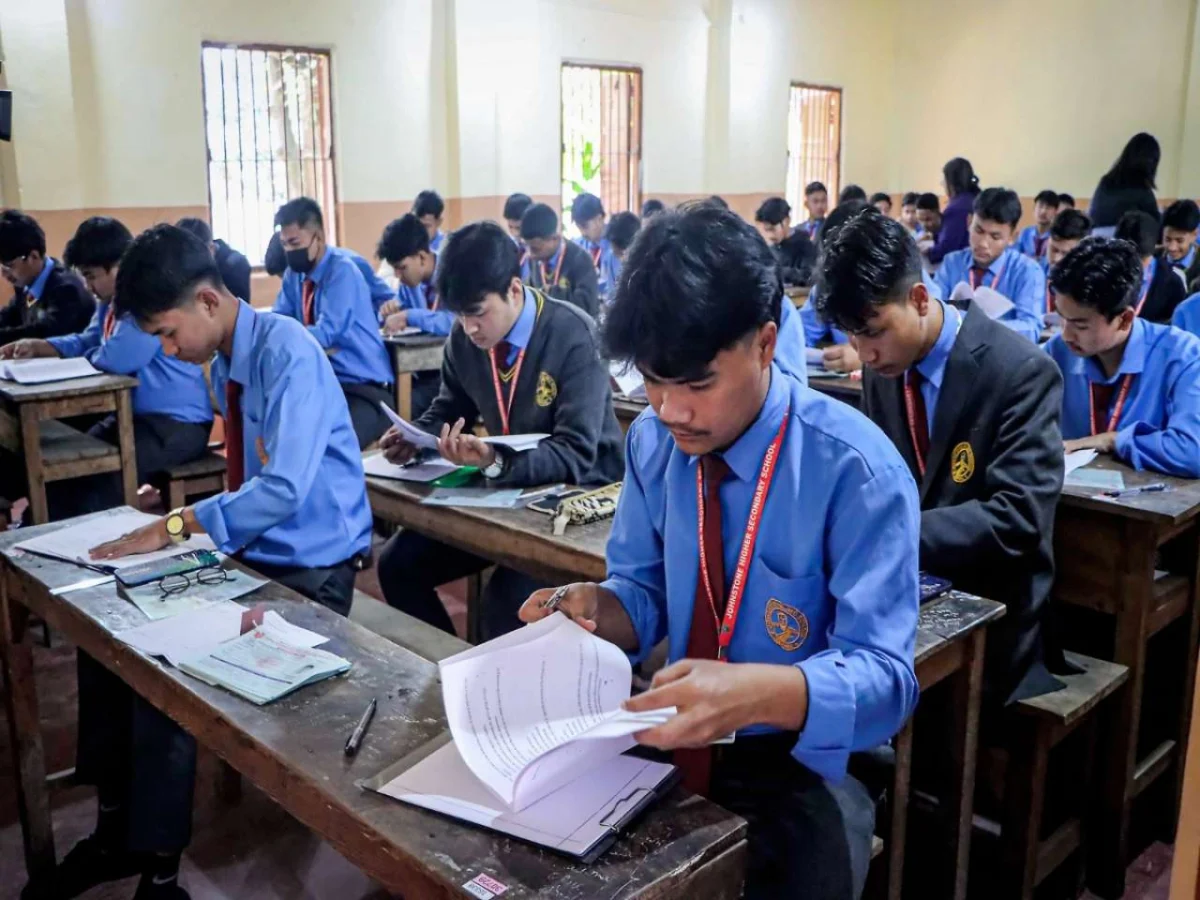
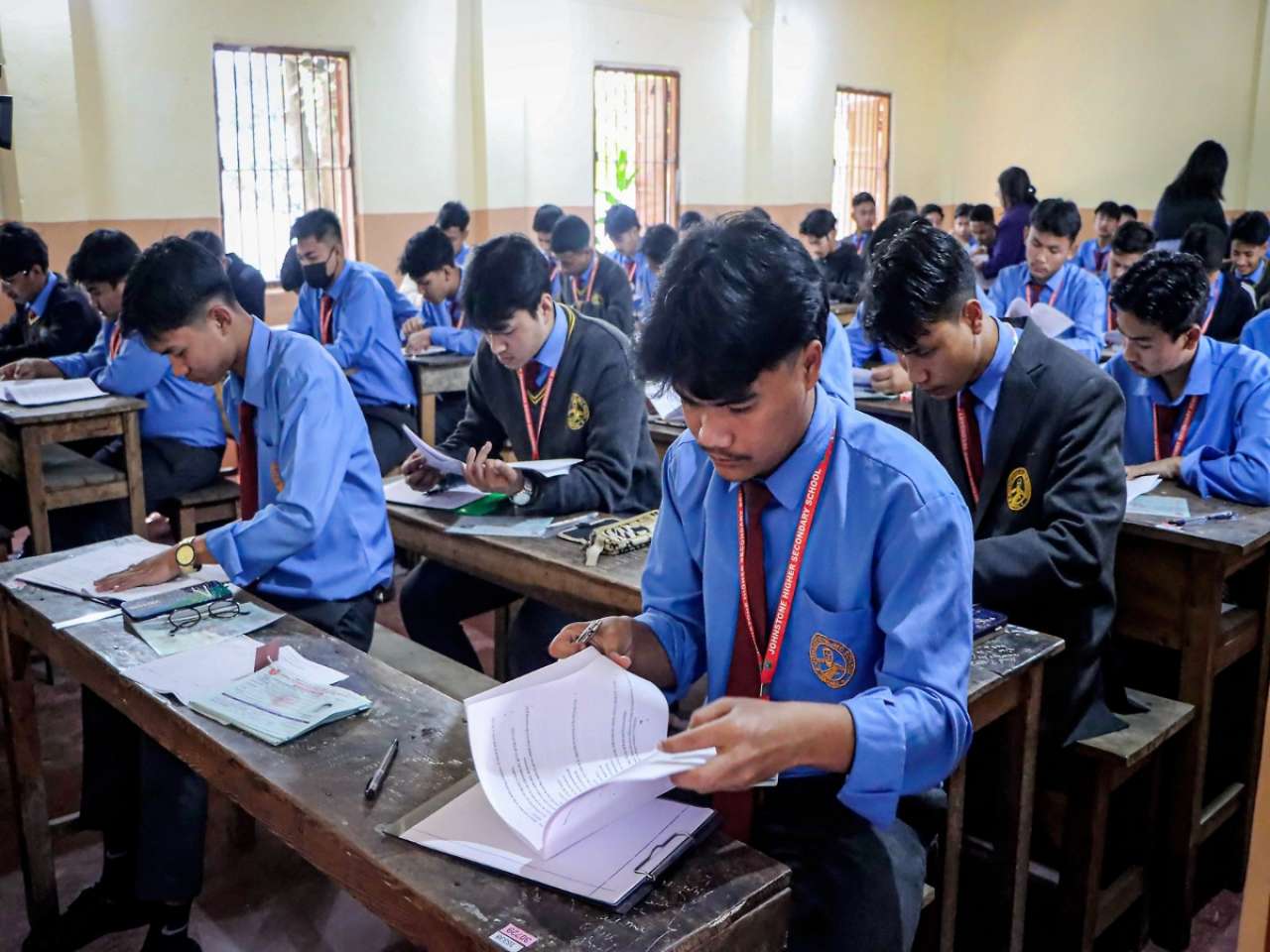
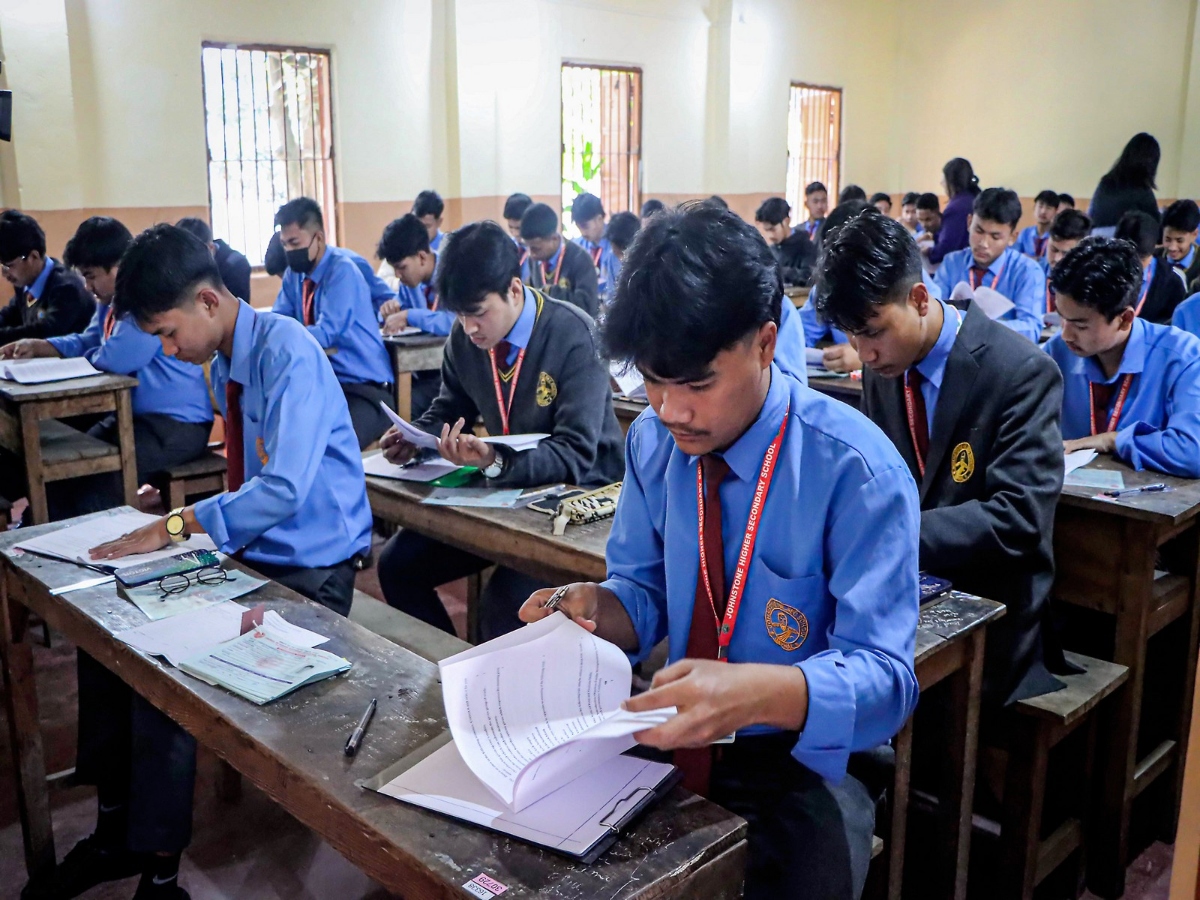
New Delhi, India – In a significant policy shift aligned with the National Education Policy (NEP) 2020, the Central Board of Secondary Education (CBSE) has mandated that students in Classes 9 and 10 must now pass an internal school-based assessment in their third language to be eligible for the Secondary School Examination certificate. This revised norm, set to be implemented from the 2027-28 academic session, marks a pivotal change, moving the third language from a potentially optional subject to a qualifying one. While the subject will be excluded from the Class 10 board examinations, its successful completion through internal evaluation has become a prerequisite for graduation.
This strategic recalibration aims to bolster multilingualism and cultural understanding among students, a cornerstone of the NEP 2020 vision. However, the abrupt implementation timeline and the potential impact on students have ignited discussions, with a legal challenge already underway, highlighting the complex interplay between educational reform, national policy, and the practical realities faced by educational institutions and students.
The Core of the New Language Policy: A Qualifying Requirement
The crux of the CBSE’s latest directive lies in its reclassification of the third language. Previously, the emphasis on the third language varied, often leading to its discontinuation after Class 8 for many students. The NEP 2020, however, champions the importance of linguistic diversity and proficiency in multiple languages, advocating for a robust three-language formula.
Under the new regulations, the third language, often designated as R3, will not be part of the high-stakes Class 10 board examinations. This means students will not face external pressure to perform in a written board paper for this subject. Instead, the assessment will be conducted internally by the respective schools. This approach is intended to provide a more holistic evaluation of a student’s engagement and understanding of the language, potentially encouraging more practical application and consistent learning throughout the academic year.
)
Crucially, clearing this internal assessment is now a non-negotiable condition for receiving the Secondary School Examination certificate. Without a passing grade in the third language internal assessment, a student will not be deemed to have successfully completed their secondary education, regardless of their performance in other subjects.
Chronological Rollout and Impact on Batches
The phased implementation of this policy is designed to allow schools and students time to adapt. The new norms will first impact students entering Class 9 in the 2026-27 academic session. For this cohort, the third language assessment will become a part of their Class 9 curriculum and evaluation.

The full impact will be felt by the batch entering Class 10 in the 2027-28 academic session. By this time, the third language will be a mandatory qualifying subject for their board examination eligibility. Students currently in Class 10 who are appearing for their board exams in the 2026-27 academic session will remain unaffected by these changes, ensuring a degree of stability for the immediate graduating cohort.
Key Dates and Batches Affected:
)
- 2026-27 Academic Session: Students entering Class 9 will be the first to experience the integrated third language assessment as part of their curriculum.
- 2027-28 Academic Session: Students entering Class 10 will need to clear the third language internal assessment to be eligible for their board examination certificate.
Navigating Challenges: Class 9 Promotions and Class 10 Reassessments
The CBSE has provided specific guidelines to address potential scenarios where students might struggle with the third language assessment.
For Class 9 Students:
)
A significant provision addresses the concern of students being held back. Under the revised norms, a Class 9 student who fails the third language assessment will still be promoted to Class 10. However, this promotion comes with a crucial rider: the student must successfully clear the pending Class 9 third language assessment during their Class 10 year. This ensures that students progress academically while still being held accountable for fulfilling the language requirement before completing their secondary education. The intention is to prevent academic stagnation while reinforcing the importance of linguistic proficiency.
For Class 10 Students:
)
The CBSE circular dated July 10, 2024, outlines the procedure for Class 10 students. If a student fails the school-based internal assessment in the third language, schools are obligated to conduct a reassessment. This reassessment must take place prior to the declaration of the Board results. This mechanism provides students with a second opportunity to meet the qualifying criteria and obtain their Secondary School Examination certificate. The emphasis on a pre-result reassessment underscores the Board’s commitment to ensuring students have ample opportunity to meet the new requirement.
The Three-Language Formula: A Broader Context
This move is intrinsically linked to the broader implementation of the three-language formula, which was also detailed in a CBSE circular on June 29, 2024. The formula, a cornerstone of the NEP 2020, aims to promote multilingualism by requiring students to learn at least three languages, with a minimum of two being Indian languages.
)
The revised structure emphasizes that for Classes 6 onwards, students will engage with three languages. While students already studying a foreign language alongside English in Classes 7-9 may continue with it, they are now also required to study a third Indian language. This policy shift effectively makes the third language compulsory from Class 6, with its assessment becoming a qualifying factor in the later years of secondary education. The policy intends to move beyond rote learning and encourage genuine engagement with India’s linguistic heritage.
Legal Challenges and Government’s Stance
The implementation of the revised language policy has not been without controversy, leading to legal challenges. A writ petition has been filed in court, contesting the CBSE’s circulars pertaining to the mandatory three-language formula. The petitioners are seeking the reinstatement of an earlier CBSE stance from April 9, which had deferred the mandatory implementation of the third language for Class 9 to the 2029-30 academic session.
)
In response, the Ministry of Education has filed a detailed counter-affidavit, submitted on July 13, 2024, firmly supporting the policy. Filed by Subhash Chand, Under Secretary in the Department of School Education and Literacy, the affidavit was presented in compliance with a Supreme Court notice dated May 27, 2026.
The government’s primary argument rests on the constitutional framework, asserting that education falls under the Concurrent List, granting both the Central government and state governments the authority to implement policies like the NEP. Furthermore, the affidavit highlights the significant public interest served by the three-language formula. The government contends that it fosters crucial aspects of national development, including:
)
- Promoting Multilingualism: Encouraging proficiency in multiple languages, a key feature of India’s diverse cultural landscape.
- Safeguarding Indian Languages: Providing a structured platform for the learning and preservation of India’s rich linguistic heritage.
- Enhancing Cognitive Development: Studies suggest that multilingualism positively impacts cognitive abilities, problem-solving skills, and creativity.
- Strengthening National Integration and Cultural Pluralism: By fostering understanding and appreciation of different languages and cultures, the policy aims to build a more cohesive and inclusive society.
The government’s robust defense underscores its commitment to the NEP 2020’s vision of a linguistically enriched and culturally integrated student population.
Implications and Future Outlook
The CBSE’s decision to elevate the third language to a qualifying subject for the Class 10 certificate represents a significant departure from previous educational practices. While the intention is to foster deeper linguistic understanding and adhere to the NEP 2020, the practical execution and the ongoing legal scrutiny will be critical in shaping its long-term impact.
)
Key Implications:
- Increased Emphasis on Languages: Schools will need to strengthen their language departments and pedagogical approaches for the third language.
- Student Support Mechanisms: Greater focus will be required on providing adequate support and remedial measures for students struggling with the third language.
- Teacher Training: Educators will need to be equipped with the necessary skills and resources to effectively teach and assess the third language under the new framework.
- Parental Awareness: Clear communication and guidance will be essential for parents to understand the policy changes and their implications for their children’s academic progression.
The legal battle and the practical implementation of this policy will undoubtedly be under close observation by educational stakeholders across the country. The coming years will reveal whether this ambitious reform successfully cultivates a generation of multilingual, culturally aware citizens, or if the challenges in its rollout necessitate further adjustments. The CBSE’s move, while bold, signals a clear intent to weave linguistic diversity into the very fabric of secondary education in India.
