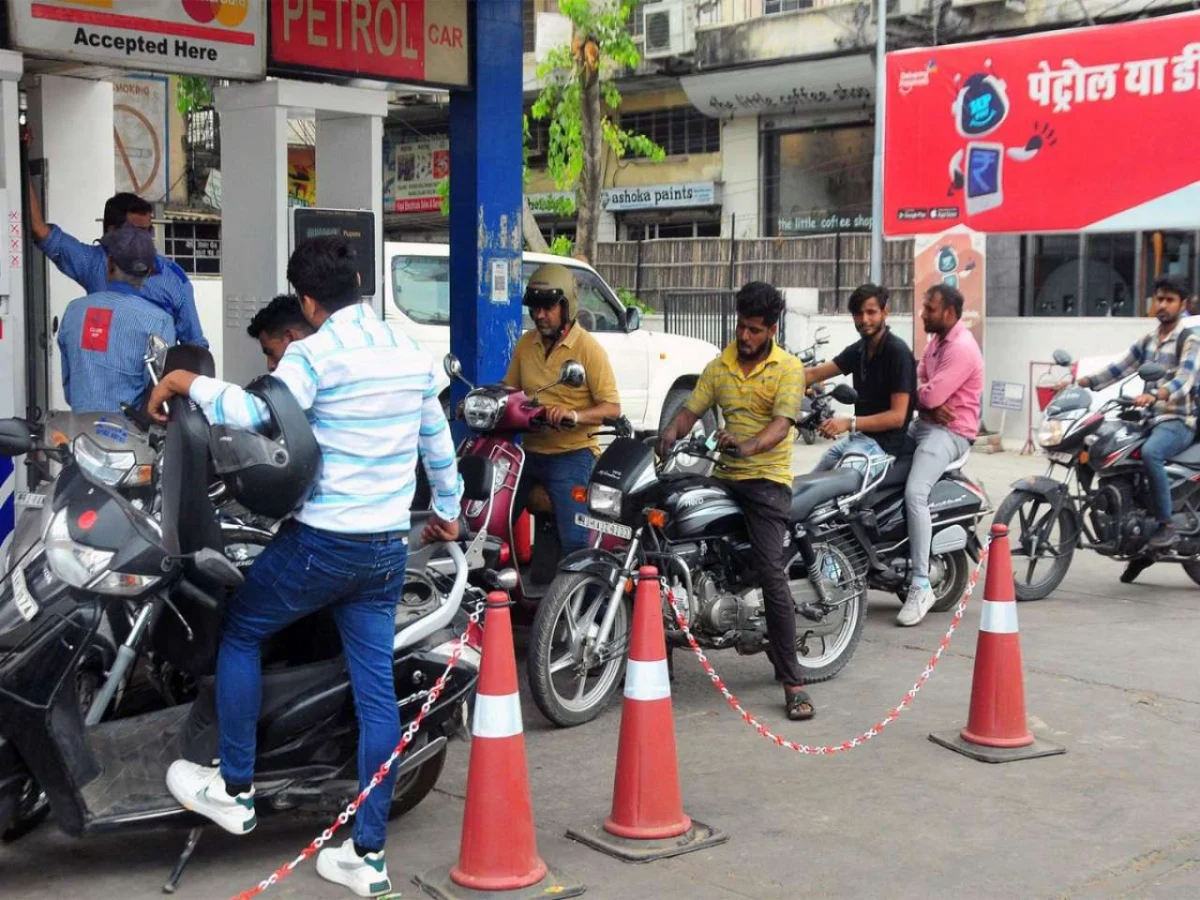
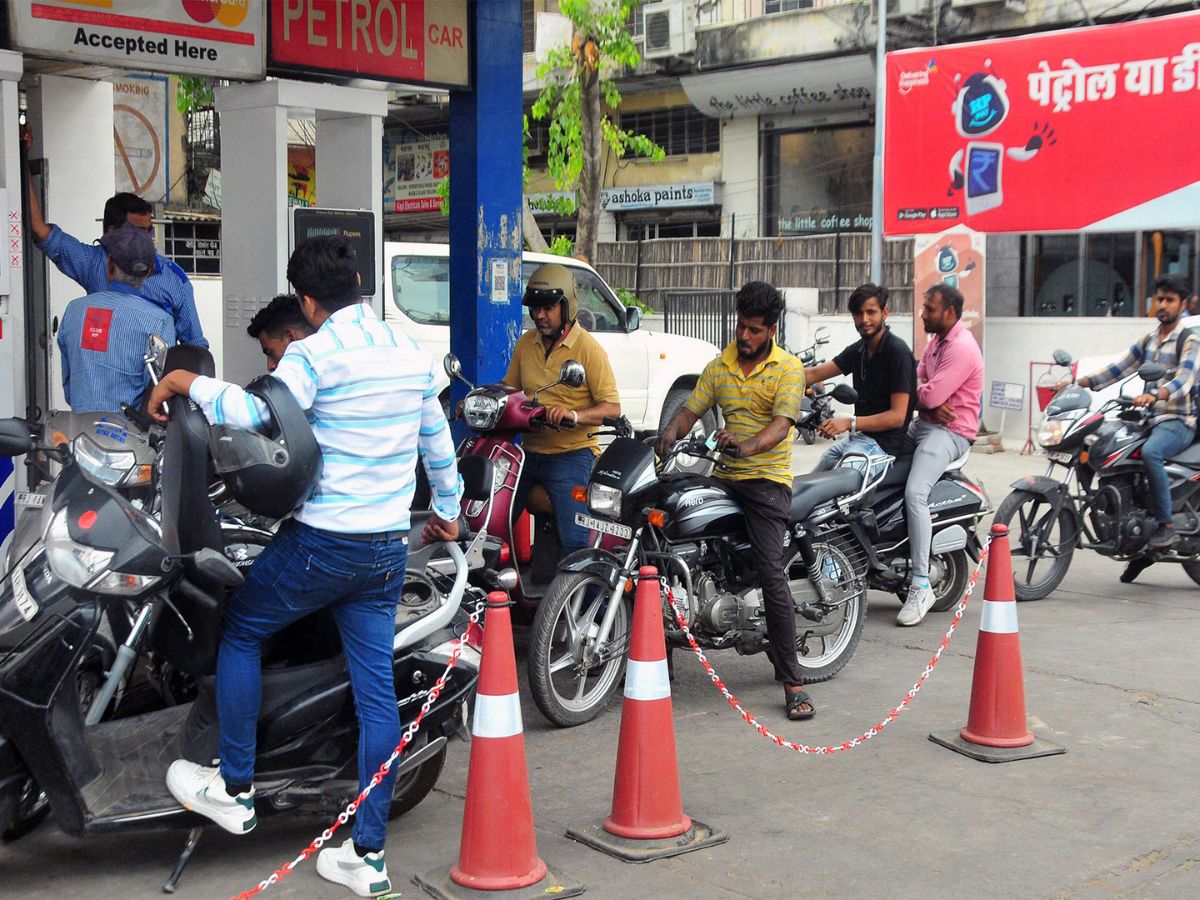
NEW DELHI, India – India’s ambitious push towards E20, a petrol blend containing 20% ethanol, marks a significant stride in the nation’s quest for energy security and environmental sustainability. However, despite the government’s and automakers’ assurances, the nationwide rollout is encountering substantial consumer apprehension, underscoring the critical need for transparent communication, robust regulatory frameworks, and measures designed to cultivate public confidence. Experts across various sectors unanimously agree that the ultimate success of this pivotal energy transition hinges not just on policy implementation, but profoundly on winning over the Indian consumer.
The Genesis of a Green Initiative: India’s Ethanol Blending Journey
India’s ethanol blending program is not a recent phenomenon but the culmination of years of strategic planning and concerted efforts aimed at diversifying its energy basket and reducing its heavy reliance on imported crude oil. Historically, India has been one of the world’s largest importers of crude oil, making its economy vulnerable to global price fluctuations and geopolitical uncertainties. The introduction of ethanol as a fuel additive emerged as a dual-pronged solution: bolstering energy independence by utilizing domestically produced ethanol, primarily from sugarcane and grains, and simultaneously addressing environmental concerns by promoting cleaner-burning fuel.
The journey began modestly, with ethanol blending levels hovering around a meagre 1.5% a decade ago. Through consistent policy implementation and coordinated efforts across government ministries, oil marketing companies, and the sugar and distillery industries, this figure has seen a remarkable escalation, reaching the targeted 20% blending level in record time. This accelerated progress has been lauded as a significant "win for energy security" by industry stalwarts like Dr. C.K. Jain, President of the Grain Ethanol Manufacturers Association (GEMA). The program has already delivered tangible outcomes, contributing to foreign exchange savings, supporting the agricultural sector, and reducing greenhouse gas emissions.
The roadmap for E20 envisions a future where cleaner mobility becomes the norm, aligning with India’s broader climate commitments. The government has aggressively promoted the production of E20-compatible vehicles and has encouraged the phased introduction of the fuel across retail outlets nationwide. The long-term vision includes moving towards even higher blends, potentially mirroring nations like Brazil, which have successfully integrated ethanol into their fuel ecosystem over decades. This strategic shift is crucial for India to meet its net-zero targets and secure a more sustainable energy future.
)
Public Sentiment Sours: The Unaddressed Concerns of the Indian Commuter
Despite the commendable progress on paper and the strategic imperative behind the E20 rollout, public sentiment remains largely negative. This palpable disquiet is not merely anecdotal but is substantiated by comprehensive surveys that reveal deep-seated anxieties among vehicle owners. A recent LocalCircles survey starkly illustrated this disconnect, with a staggering 53% of respondents categorizing the government’s handling of the E20 transition as "disastrous" or "ineffective." A mere 13% offered a positive rating, underscoring the widespread dissatisfaction.
The core of consumer concern revolves around practical implications directly impacting their daily lives and finances. A significant 66% of survey participants reported a noticeable drop in their vehicle’s mileage, exceeding 10% in many cases. For the average Indian commuter, where fuel efficiency is a paramount consideration in vehicle purchase and maintenance, such a reduction translates directly into increased operational costs and a heavier burden on household budgets. This economic pinch is a powerful driver of discontent.

Beyond mileage, concerns about vehicle performance and longevity are also prevalent. Approximately 45% of respondents indicated an increase in vehicle repairs and general wear and tear after switching to E20. These reports, whether scientifically validated or perceived, feed into a narrative of compromised vehicle integrity. Owners of older vehicles, in particular, express apprehension about the long-term impact of E20 on engine components designed for lower ethanol blends or pure petrol. The fear of accelerated degradation, costly repairs, and potential voiding of warranties creates a significant barrier to acceptance.
Adding to the complexity, a substantial 31% of consumers expressed a desire to revert to E0 (pure petrol) or E10 fuel, even if it meant paying higher prices. This willingness to incur additional costs highlights the depth of their dissatisfaction with E20’s performance and perceived issues. It signals a fundamental lack of trust in the current offering and a preference for proven alternatives, despite the national push for ethanol blending. This consumer backlash suggests that while the policy goals are clear, the communication and implementation strategies have not adequately addressed the ground realities faced by millions of vehicle owners.
)
Official Stance and Industry Rebuttals: A Unified Defense
In response to the growing public scrutiny, both the government and leading automakers have mounted a unified defense of E20, reiterating its safety and compatibility for designated vehicles. Major players in the automotive sector, including Toyota, Maruti Suzuki, Hero MotoCorp, and Hyundai, have consistently affirmed that E20 is safe for use in their compatible models. Even Mahindra, a prominent Indian manufacturer, recently joined this chorus, clarifying that its petrol models are safe to run on the higher ethanol blend. Mahindra specifically noted that while older vehicles may experience minor drops in mileage or performance, these are generally not indicative of significant damage or safety concerns.
The government, recognizing the need to bridge the communication gap, has actively engaged in public outreach. A recent media briefing held at the National Media Centre in New Delhi served as a platform for officials and industry representatives to directly address customer concerns. During this briefing, emphasis was placed on the rigorous testing and validation processes undertaken to ensure E20’s suitability for modern vehicles. Officials underscored that the transition is aligned with global best practices and that the benefits of E20, both economic and environmental, far outweigh the initial adjustment challenges.
)
A significant point of contention for consumers has been the potential impact of E20 on vehicle insurance. To allay these fears, insurers like ICICI Lombard have stepped forward, unequivocally confirming that using E20 petrol will not invalidate motor insurance policies or lead to claim rejections. This clarification is crucial in building consumer confidence, as the fear of being left without coverage in the event of E20-related vehicle issues was a major source of anxiety. The collective efforts of automakers and the government are geared towards presenting a united front, aiming to address customer concerns more directly and clearly, and to dispel misinformation surrounding the E20 rollout.
Expert Insights: The Path to Sustainable Acceptance
The path forward for E20, according to a consortium of experts, demands more than just policy mandates; it requires a delicate balance of clarity, collaboration, and consumer choice. Dr. C.K. Jain, President of GEMA, while celebrating India’s progress from 1.5% to 20% ethanol blending as a significant victory for energy security, cautioned that future success hinges on "policy consistency, consumer choice, and government-industry collaboration." He stressed that India’s ethanol blending program, reflecting years of consistent policy implementation, has delivered tangible outcomes in reducing crude-oil dependence. However, moving forward, the focus must shift to ensuring sustainable acceptance.
)
Kushal Mittal, Vice President of the All India Distillers’ Association (AIDA), echoed these sentiments, emphasizing that consumers "deserve complete clarity on vehicle compatibility, fuel quality, and the transition roadmap." He lauded the government’s recent media briefing as an "important step" in this direction but stressed that these are "legitimate expectations and must be addressed through transparent communication." Mittal further advocated for a "phased, science-based E20 rollout" facilitated by robust government-industry collaboration. He articulated a crucial philosophy: "The objective should not be to create a divide between sustainability and consumer interest, but to advance both together." This holistic approach acknowledges that environmental goals cannot be achieved at the expense of public trust and economic burden.
Learning from Global Precedents: A Calibrated Approach
Experts frequently highlight that India’s E20 transition, while ambitious, must learn from the experiences of other nations that have successfully navigated similar fuel transitions. Countries like Brazil, the United States, and the United Kingdom offer valuable lessons in managing consumer expectations and ensuring smooth adoption.
)
Brazil, a pioneer in ethanol blending, has achieved blending levels of E27 and beyond, largely owing to its widespread adoption of flex-fuel vehicles and robust public awareness campaigns. The Brazilian model demonstrates that sustained public education and the availability of compatible vehicle technology are critical. The US, on the other hand, mandates clear fuel labelling at pumps, ensuring consumers are fully aware of the ethanol content and can make informed choices for their vehicles. Ethanol blends are typically recommended only for compatible vehicles, and clear guidelines exist to prevent misuse. European countries, recognizing the diversity of their vehicle fleets, continue to offer multiple fuel grades, including pure petrol or lower ethanol blends, to protect older vehicles that may not be compatible with higher ethanol concentrations. This approach prioritizes consumer choice and avoids forcing an incompatible fuel on legacy vehicles.
Sivakumar Ramjee, Executive Director at Nangia Global, succinctly summarized these global insights, stating that "a fuel transition succeeds when consumers have confidence that cleaner fuels will not compromise vehicle performance, warranty protection or insurance coverage." He underscored that such transitions typically "take decades" and are built on consumer confidence, not merely on achieving blending targets. India’s accelerated timeline, while commendable for its strategic objectives, necessitates a "calibrated approach" that integrates these global best practices to avoid widespread consumer alienation and ensure long-term success. This involves understanding the nuances of consumer behavior, respecting legacy vehicle owners, and providing viable alternatives where necessary.
)
The Legal Framework: Disclosure, Protection, and Redressal
From a legal standpoint, the E20 transition presents a complex interplay of consumer protection, disclosure norms, and liability. Legal experts agree that without crystal-clear labelling, unambiguous compatibility guidelines, definitive insurance clarity, and robust mechanisms for grievance redressal, the E20 rollout risks creating a quagmire of confusion and potential disputes.
Delhi High Court Advocate Vinita Sejwal acknowledged the government’s clarification that E20 use would not void motor insurance, aligning with global practices. However, she emphasized that "concerns over vehicle compatibility and long-term performance still need clear, timely answers." The ambiguity around these issues leaves consumers vulnerable and potentially without recourse if their vehicles experience issues attributed to E20.
)
Sai Teja, another Advocate at the Delhi High Court, stressed that "the core issue with the E20 transition today is consumer uncertainty." Many vehicle owners remain unaware of their vehicle’s compatibility, the long-term impact of E20 on performance, or who bears liability in case of damage. This lack of clarity, Teja warned, could lead to protracted disputes between manufacturers, retailers, and insurers, leaving the consumer "stuck in the middle." To bridge this critical gap, Teja recommended several concrete steps: "mandatory and uniform fuel labelling at every retail outlet, requiring manufacturers to provide unambiguous compatibility disclosures, and encouraging insurers to clearly state how fuel-related claims will be assessed." Furthermore, she advocated for a strong grievance redressal mechanism to ensure consumer concerns are addressed promptly and effectively.
Alay Razvi, Managing Partner at Accord Juris, outlined the "legal middle ground" for E20. He called for mandated stronger disclosures at fuel stations, model-wise compatibility guidance from manufacturers, and a phased rollout that "preserves consumer choice where needed." On the insurance front, Razvi asserted that "fuel blend alone should not void cover unless a policy expressly excludes misuse or material non-disclosure," thereby balancing climate goals with essential consumer protection. The onus, therefore, lies on policymakers and industry stakeholders to establish a legally sound and transparent environment that safeguards consumer interests while advancing national energy objectives. This includes clearly defining what constitutes "misuse" and ensuring that policy wordings are unambiguous regarding E20.
)
Implications and the Way Forward: Building Bridges of Trust
The E20 rollout stands at a critical juncture, embodying India’s strategic imperatives for energy security and environmental stewardship, juxtaposed against the immediate concerns and anxieties of its vast consumer base. The implications of mishandling this transition extend beyond mere inconvenience; they could erode public trust in government initiatives, hinder the adoption of future green technologies, and potentially create economic burdens for millions.
To navigate this complex landscape successfully, a multifaceted and empathetic approach is imperative. Firstly, enhanced and transparent communication remains paramount. This involves not just official statements but sustained public awareness campaigns that are clear, consistent, and directly address consumer fears with verifiable data. Information on vehicle compatibility, potential performance changes, and maintenance tips for E20 should be easily accessible and understandable.
)
Secondly, regulatory clarity and enforcement are crucial. Mandatory, uniform labelling at all fuel stations detailing the ethanol blend is a non-negotiable step. Automakers must be compelled to provide unambiguous, model-specific compatibility disclosures, perhaps even through a centralized, searchable database. This will empower consumers to make informed decisions.
Thirdly, consumer choice and support mechanisms need reinforcement. While the long-term goal is E20, a calibrated approach might include ensuring the availability of lower-blend fuels (E10 or even E0) for older, non-compatible vehicles for a transitional period, as seen in European countries. This would provide a safety net for those who genuinely fear vehicle damage or excessive operational costs. Additionally, the development and promotion of E20 retrofit kits, similar to those offered by Royal Enfield for select bikes, could be expanded to other legacy vehicles.
)
Finally, establishing a robust and accessible grievance redressal mechanism is vital. Consumers who experience genuine issues after switching to E20 must have a clear channel to report problems and seek resolution. This could involve dedicated helplines, online portals, and a clear framework for mediation between consumers, manufacturers, and fuel retailers.
India’s E20 program is undeniably a bold and necessary step towards a greener, more self-reliant energy future. However, its success will ultimately be measured not just by the percentage of ethanol blended, but by the confidence and willing participation of its citizens. By prioritizing clear communication, regulatory certainty, and genuine consumer protection, India can transform this challenge into an opportunity to build a truly sustainable and inclusive energy transition, advancing both its clean energy goals and the welfare of its people. The objective is not to force a change, but to foster an understanding and acceptance that ensures a smooth and equitable journey towards a more sustainable tomorrow.