

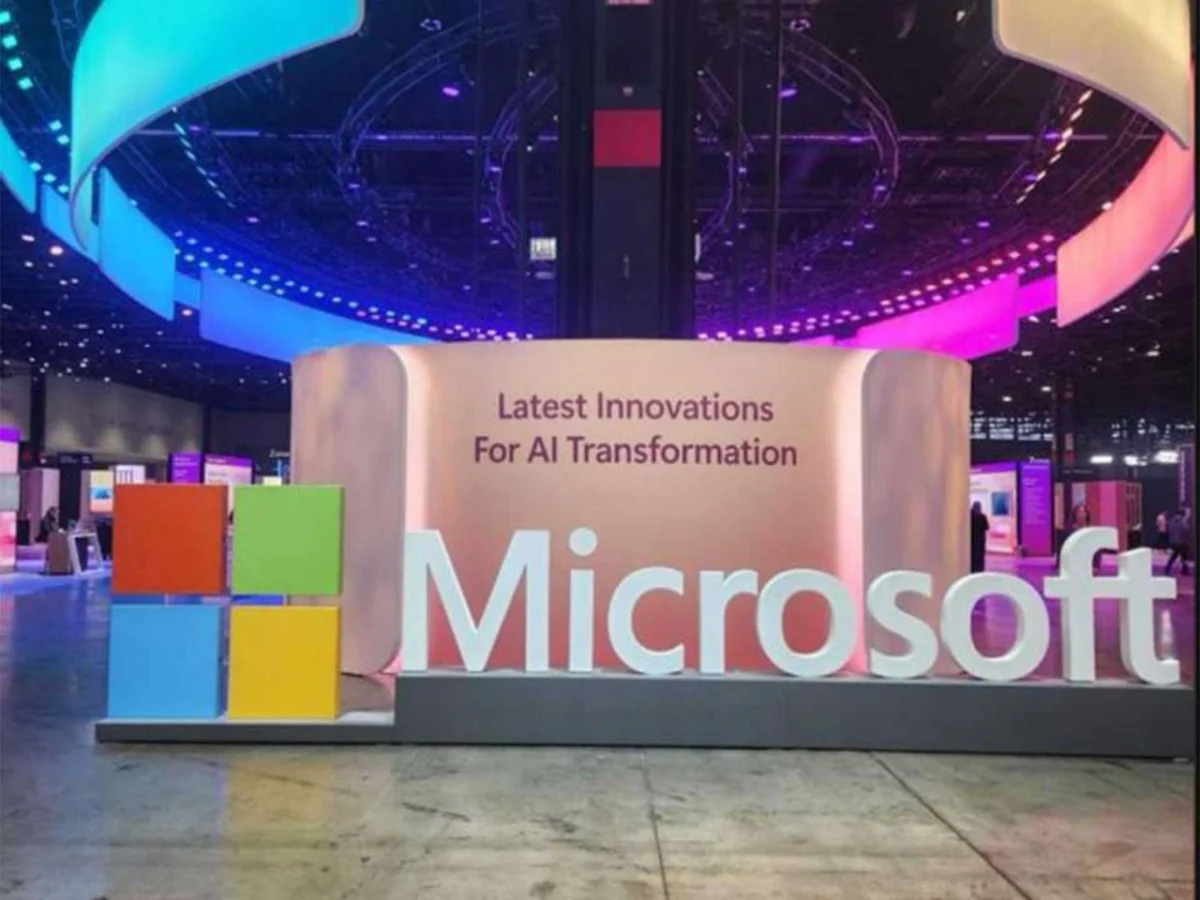
REDMOND, WA – July 6, 2026 – Microsoft, one of the world’s most influential technology giants, announced on Monday a significant workforce reduction, laying off approximately 4,800 employees, representing about 2.1 percent of its global staff. The sweeping cuts come as the company navigates a challenging business environment, evidenced by a nearly 23 percent dip in its share price during the first half of 2026 – its worst performance for the corresponding period in recent memory. This strategic realignment is framed by Microsoft as a move to enhance efficiency, even as the company continues its aggressive investment in the burgeoning field of artificial intelligence (AI), a domain currently seeing unprecedented capital outlay across the tech sector.
The impact of these layoffs is not evenly distributed, with the company’s Xbox gaming unit bearing a disproportionately heavy brunt. A staggering 3,200 employees, or 20 percent of the Xbox division’s total workforce, are slated for redundancy. In a candid internal communication, Xbox CEO Asha Sharma acknowledged the severe challenges facing the unit, stating unequivocally that the "business is not healthy." Sharma’s memo also revealed plans for the divestiture of several gaming studios as part of a comprehensive overhaul, highlighting that the Xbox division is "operating at margins that are 3-10x lower than comparable platform and publishing businesses."
This latest round of job cuts at Microsoft is not an isolated incident but rather a potent symbol of a broader trend sweeping through the Big Tech landscape. Companies like Amazon and Meta Platforms have also announced thousands of layoffs this year, reflecting a sector-wide re-evaluation of growth strategies, cost structures, and the immense financial pressures associated with the race for AI dominance.
Main Facts: Unpacking Microsoft’s Strategic Retrenchment
Microsoft’s announcement on July 6, 2026, marks a pivotal moment in the company’s recent history, signaling a concerted effort to streamline operations amidst a turbulent economic climate and intense technological transformation. The immediate fallout includes the termination of roughly 4,800 positions, impacting diverse segments of its global workforce. This figure, though a fraction of its total employee count, represents a significant restructuring, particularly given Microsoft’s historical reputation for steady growth and robust employment.
)
The primary drivers cited for these cuts are twofold: the imperative to "improve efficiency" following what the company describes as a "difficult business period," and the necessity to offset the colossal costs associated with its ongoing, heavy investment in artificial intelligence. This dual narrative underscores a complex balancing act – cutting traditional operational expenses to free up capital and focus resources on future-defining technologies.
Financially, the pressure on Microsoft has been palpable. The company’s stock performance in the first half of 2026 has been particularly alarming for investors, with shares plummeting by nearly 23 percent. This decline represents the worst half-year performance for Microsoft in recent memory, a stark contrast to the growth trajectory many investors had come to expect from the tech giant. Such a significant valuation dip often prompts immediate and decisive action from corporate leadership, aimed at restoring investor confidence and demonstrating a commitment to fiscal discipline.

The most acute impact of these layoffs is concentrated within Microsoft’s Xbox unit. The gaming division, a cornerstone of Microsoft’s entertainment offerings, is shedding 3,200 jobs, amounting to a fifth of its entire workforce. This dramatic reduction underscores deep-seated issues within the unit, openly acknowledged by Xbox CEO Asha Sharma. Her internal communication painted a bleak picture of the division’s financial health, citing unsustainable margins far below industry benchmarks. The proposed divestment of several gaming studios further indicates a strategic retreat and a refocusing of the unit’s core operations, potentially towards more profitable segments or a leaner operational model. This significant downsizing in a key consumer-facing division highlights the profound strategic shifts underway at Redmond.
Chronology: A Trajectory of Restructuring and AI Ambition
The recent layoffs at Microsoft are not an isolated event but rather the latest chapter in a series of strategic maneuvers and a broader industry trend that has unfolded over the past year. Understanding the timeline provides crucial context for the current restructuring.
)
The immediate trigger for the July 6, 2026, announcement was the culmination of a "difficult business period" that saw Microsoft’s shares decline precipitously throughout the first half of the year. This period was characterized by a confluence of macroeconomic headwinds, including persistent inflation, rising interest rates, and a general tightening of consumer and enterprise spending post-pandemic. The tech sector, which experienced an unprecedented boom during the early stages of the COVID-19 pandemic, began to see a normalization of demand and a correction in valuations, leading many companies to reassess their operational footprints.
Earlier in 2026, Microsoft had already signaled its intent to streamline operations by extending voluntary buyout offers to approximately 9,000 employees, representing about 7 percent of its United States-based workforce. These voluntary programs are often a precursor to involuntary layoffs, allowing companies to reduce headcount while minimizing the immediate negative impact on employee morale and public perception. The fact that the company still found it necessary to proceed with forced layoffs suggests that the voluntary reductions did not fully meet the company’s efficiency targets or that the business environment deteriorated further than anticipated.
)
Historically, Microsoft often undertakes workforce adjustments around the end of its financial year in June. This period is typically when the company finalizes its spending plans and operational budgets for the upcoming fiscal year, making it a natural juncture for strategic recalibrations. The timing of the July 6 announcement, shortly after the close of the financial year, aligns with this established pattern, suggesting a methodical approach to managing its vast global enterprise.
Beyond Microsoft’s internal timeline, these job cuts are deeply embedded within a larger narrative of Big Tech’s response to both economic pressures and the transformative potential of artificial intelligence. Throughout late 2025 and into 2026, the technology sector has witnessed a wave of significant layoffs from major players. Companies like Amazon, which had rapidly expanded its workforce during the pandemic, began shedding thousands of jobs as early as late 2025, primarily in its retail, recruiting, and devices divisions. Meta Platforms, grappling with substantial investments in its metaverse vision and a slowdown in advertising revenue, also announced multiple rounds of layoffs impacting thousands of employees across various departments.
)
This synchronized wave of retrenchment across Big Tech underscores a collective pivot towards greater fiscal prudence and a sharper focus on core profitability. Simultaneously, these companies are engaged in an unprecedented "AI arms race," pouring billions into research, development, and infrastructure to gain a competitive edge in artificial intelligence. This dual dynamic – cutting costs in established areas while simultaneously making massive, speculative investments in AI – is a defining characteristic of the current era in the technology industry, with Microsoft’s recent actions serving as a prime example. The pressure to demonstrate tangible returns on these colossal AI outlays is mounting, further fueling the need for efficiency elsewhere in the business.
Supporting Data: The Numbers Behind the Decisions
The decisions driving Microsoft’s latest layoffs are firmly rooted in a combination of internal financial metrics and broader market trends. The quantitative data paints a clear picture of the pressures that led to this significant restructuring.
)
The headline figure of 4,800 job cuts represents 2.1 percent of Microsoft’s estimated global workforce, which stood at around 220,000 employees prior to these reductions. While this percentage might seem modest in isolation, the absolute number of affected individuals is substantial and signifies a company-wide effort to streamline operations.
More critically, the company’s financial performance in the first half of 2026 has been a major concern. The 23 percent decline in Microsoft’s share price between January and June 2026 marks its worst performance for that specific six-month period in recent years. To put this into perspective, Microsoft’s stock had largely been a consistent performer, often seen as a bellwether for the broader tech market. A decline of this magnitude erodes significant shareholder value and often triggers calls from investors for immediate cost-cutting measures and strategic adjustments to restore confidence. This underperformance can be attributed to a mix of factors, including a general market downturn for tech stocks, concerns over slowing growth in key segments like cloud computing (Azure) compared to earlier pandemic-fueled surges, and the perceived high burn rate of AI investments.
)
The scale of AI expenditure across the tech industry is staggering. Industry analysts estimate that Big Tech companies are collectively set to top USD 700 billion in AI investments this year alone. This includes colossal spending on high-performance computing infrastructure, advanced AI chip development, talent acquisition, and extensive research and development into foundational models and applications. For Microsoft, a significant portion of its capital expenditure has been directed towards scaling its Azure AI services, integrating AI capabilities into its Microsoft 365 suite (e.g., Copilot), and forging strategic partnerships and investments in leading AI startups. The sheer volume of this investment places immense pressure on companies to demonstrate a clear path to profitability and return on investment (ROI) from these new technologies, necessitating cost efficiencies in other areas to fund this strategic pivot.
The Xbox division’s predicament provides particularly stark data points. With 3,200 employees being laid off, the gaming unit is seeing a 20 percent reduction in its workforce. This deep cut reflects the severity of the issues Asha Sharma outlined, specifically the "unhealthy" business margins. Her statement that Xbox is "operating at margins that are 3-10x lower than comparable platform and publishing businesses" is a critical piece of data. This indicates that for every dollar of revenue generated, Xbox retains significantly less profit compared to its competitors like Sony (PlayStation) or Nintendo, or even other large-scale game publishers. This could be due to a variety of factors: high game development costs, aggressive pricing strategies for consoles or subscriptions, intense competition in the cloud gaming space, or perhaps a lower attach rate for profitable services compared to rivals. The planned divestiture of several gaming studios is a direct consequence of these unsustainable margins, aiming to shed underperforming assets and focus on a leaner, more profitable portfolio.
)
Comparatively, other tech giants have also announced significant layoffs, providing context to Microsoft’s actions. Amazon, for instance, initiated multiple rounds of layoffs starting in late 2025, ultimately cutting over 27,000 jobs globally across its corporate and tech divisions. Meta Platforms, after a period of aggressive hiring, reduced its workforce by more than 20,000 employees through various rounds, primarily to fund its metaverse ambitions and streamline operations. These figures underscore a broad industry trend where the post-pandemic hiring spree has given way to a phase of consolidation and efficiency-driven restructuring, with AI investments simultaneously driving unprecedented capital allocation.
Official Responses: Leadership’s Stance and Internal Messaging
In the wake of such significant job cuts, official communications from Microsoft’s leadership become paramount, shaping public perception, investor confidence, and internal morale. Microsoft’s public statements have consistently framed the layoffs as a necessary measure to "improve efficiency after a difficult business period" and to allow for continued, focused investment in artificial intelligence.
)
While specific quotes from CEO Satya Nadella or other top-tier executives regarding this particular round of layoffs were not immediately released beyond the initial announcement, the overarching narrative aligns with Microsoft’s strategic priorities. For several years, Nadella has championed a vision centered on cloud computing (Azure) and, more recently, artificial intelligence, as the twin pillars of Microsoft’s future growth. These layoffs, therefore, can be interpreted as a tactical move to reallocate resources and streamline operations to better serve these strategic imperatives, shedding what might be considered legacy or less profitable segments to fuel the future. The company’s emphasis on "investing heavily in AI" is a consistent theme, suggesting that the cost-cutting in other areas is, in part, designed to fund this massive strategic pivot.
However, the most direct and candid official response came from within the Xbox division. In an internal letter addressed to employees, Xbox CEO Asha Sharma delivered a stark assessment of the unit’s health. Her statement that the "business is not healthy" was an unusually blunt admission from a senior executive of a major tech company. This transparency, while potentially unsettling for employees, underscores the severity of the challenges faced by the gaming division.
)
Sharma elaborated on the underlying financial issues, specifically highlighting that Xbox is "operating at margins that are 3-10x lower than comparable platform and publishing businesses." This detailed financial insight provides a crucial justification for the drastic measures being taken. Low margins imply that despite potentially high revenue, the division is struggling to turn a significant profit, making it unsustainable in the long run without significant restructuring. Her letter also confirmed the divestment of several gaming studios, a clear indication that the company is shedding assets deemed non-core or unprofitable in its renewed focus. This move suggests a strategic retreat from certain gaming segments or a consolidation of its creative efforts into more promising areas.
The internal communications are critical for managing employee morale and providing clarity in uncertain times. While the official external message focuses on efficiency and AI investment, the internal memo from Sharma reveals the granular challenges faced by specific business units, providing a more nuanced understanding of the forces driving these layoffs. Such directness, while potentially painful, can sometimes foster a sense of shared understanding regarding the difficult decisions being made at the corporate level.
)
Implications: Navigating a New Era for Microsoft and Big Tech
The recent layoffs at Microsoft carry profound implications, not only for the company itself but also for the broader technology industry, signaling a new phase of strategic realignment, intensified competition, and a re-evaluation of the path to profitability in the age of AI.
For Microsoft:
)
- Strategic Reorientation and Focus: These layoffs underscore a sharpened focus on Microsoft’s core profitable areas, particularly its cloud computing division (Azure) and the integration of AI across its product portfolio. The cuts, especially in Xbox, suggest a willingness to divest or significantly downsize segments that do not meet internal profitability benchmarks or align with the company’s long-term strategic vision. This could lead to a leaner, more agile Microsoft, better positioned to compete in the rapidly evolving AI landscape.
- Impact on Company Culture and Morale: Workforce reductions, regardless of their necessity, inevitably impact employee morale, foster uncertainty, and can strain company culture. Microsoft will face the challenge of reassuring remaining employees, maintaining productivity, and ensuring that its innovative spirit is not stifled by a climate of apprehension. The voluntary buyouts followed by involuntary layoffs could also lead to a perception of instability.
- Investor Perception: In the short term, layoffs are often viewed positively by investors as a sign of fiscal discipline and a commitment to cost-cutting, which can lead to a rebound in share price. However, the long-term implications depend on whether these cuts translate into sustained profitability and renewed growth, particularly from the substantial AI investments. Investors will be closely watching for tangible returns on the billions poured into AI.
- Future of Xbox: The dramatic restructuring of the Xbox unit, including layoffs and studio divestitures, marks a critical juncture for Microsoft’s gaming ambitions. It suggests a potential shift away from certain aspects of content creation towards a greater focus on its Game Pass subscription service, cloud gaming infrastructure, or perhaps a more curated, high-margin portfolio of first-party titles. The competitive landscape, dominated by Sony and Nintendo, alongside the rising costs of game development, appears to be forcing a strategic rethink for Microsoft in this segment.
- AI Monetization Pressure: With billions invested in AI, the pressure on Microsoft to monetize these capabilities rapidly and effectively will intensify. The layoffs are, in part, a means to fund this endeavor, but the market will demand clear evidence that AI integration, such as through Copilot in Microsoft 365 and Azure AI services, is translating into significant revenue growth and improved margins.
For the Tech Industry:
- Continuation of the "Efficiency" Trend: Microsoft’s actions reinforce the broader industry trend of prioritizing efficiency and profitability over aggressive headcount expansion, a stark contrast to the rapid hiring sprees seen during the pandemic. This signals a more mature, perhaps more cautious, phase for the tech sector, where sustainable growth models are paramount.
- The High Cost and Uncertain ROI of AI: The massive expenditure on AI, exceeding $700 billion this year across Big Tech, is a double-edged sword. While promising transformative potential, it represents a substantial financial burden. Microsoft’s layoffs underscore the industry-wide challenge of funding these investments while simultaneously demonstrating a clear path to return on investment. This pressure could lead to more selective AI projects and a greater emphasis on immediate commercial viability.
- Potential for More Consolidation and Restructuring: As companies grapple with high AI costs and market pressures, smaller or less profitable units and even entire companies might become targets for acquisition or face restructuring. The gaming industry, in particular, could see further consolidation as larger players seek efficiency and market share.
- Impact on Tech Talent Market: The ongoing wave of layoffs across major tech firms is injecting a significant pool of experienced talent into the job market. While this might benefit smaller companies looking to hire, it also creates a more competitive environment for job seekers and could lead to a recalibration of salary expectations and employment benefits across the sector.
- Broader Economic Signal: Large-scale layoffs from bellwether companies like Microsoft can be interpreted as a signal of ongoing macroeconomic headwinds or specific sector challenges. While not necessarily indicative of an impending recession, they suggest a cautious outlook from some of the most powerful economic actors, potentially influencing consumer confidence and broader investment patterns.
In conclusion, Microsoft’s decision to lay off nearly 5,000 employees is a multifaceted response to a challenging financial period, an intense drive for operational efficiency, and a strategic imperative to dominate the burgeoning field of artificial intelligence. It reflects a critical moment of recalibration for one of the world’s most influential companies, and its implications will reverberate throughout the global technology landscape for years to come. The era of unbridled growth in Big Tech appears to be giving way to a more disciplined, strategically focused approach, where every investment and every role must demonstrate clear value in the pursuit of the next technological frontier.
