

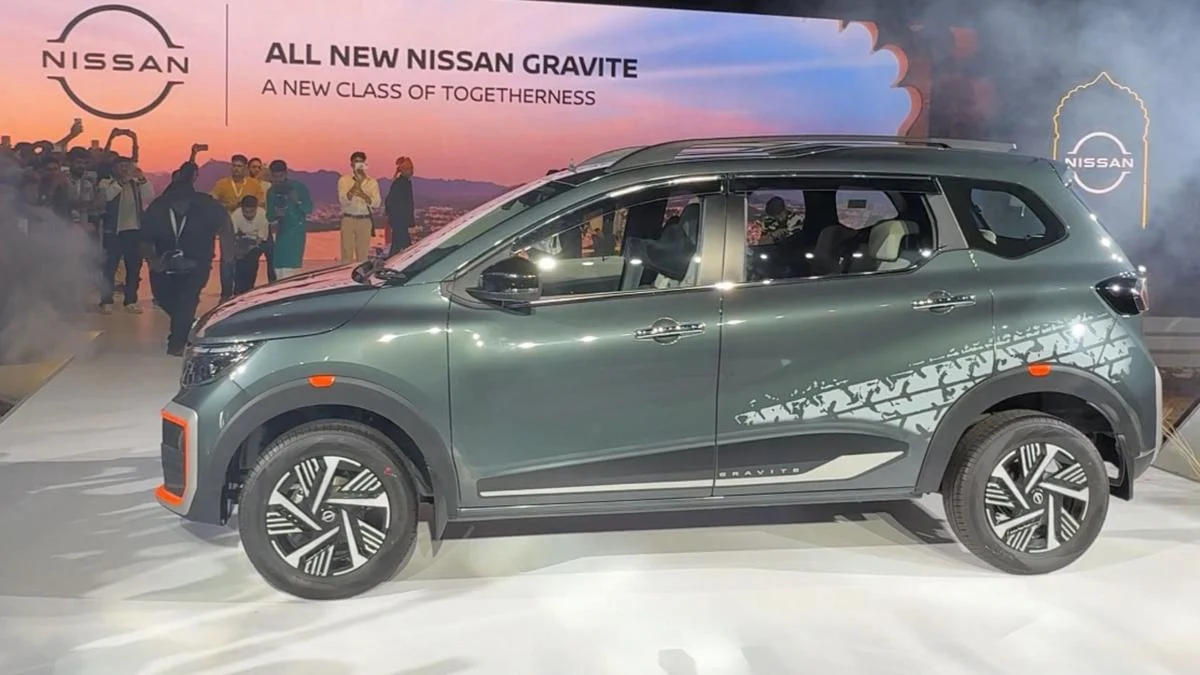
In an era where the Indian automotive landscape is increasingly dominated by high-riding SUVs and premium crossovers, Nissan Motor Co. has made a decisive move to capture the heart of the mass market. The launch of the Nissan Gravite marks a significant milestone in the company’s India strategy, offering a blend of multi-purpose vehicle (MPV) practicality and sport-utility vehicle (SUV) aesthetics. Priced competitively between ₹5.65 lakh and ₹8.49 lakh (ex-showroom), the Gravite is positioned as a direct challenger to established budget players, aiming to provide a versatile mobility solution for the burgeoning Indian middle class.
Main Facts: A New Contender in the Seven-Seater Space
The Nissan Gravite is a compact, three-row vehicle designed to bridge the gap between affordable hatchbacks and larger, more expensive MPVs. Built on a shared platform within the Renault-Nissan-Mitsubishi Alliance, the Gravite is essentially a cousin to the Renault Triber, yet it distinguishes itself through a unique design language and a specific feature set tailored to modern consumer expectations.
At its core, the Gravite is powered by a 1.0-litre, three-cylinder, naturally aspirated petrol engine. This powertrain delivers 72 PS of power and 96 Nm of torque, figures that emphasize fuel efficiency and urban driveability over high-speed performance. Buyers can choose between a standard five-speed manual gearbox and an automated manual transmission (AMT), catering to both enthusiasts of traditional driving and those seeking the convenience of two-pedal technology in congested city traffic.
The vehicle’s pricing strategy is perhaps its most aggressive feature. By offering a base model (Visia) at ₹5.65 lakh, Nissan is undercutting several premium hatchbacks while offering significantly more interior volume. The top-tier Tekna AMT variant, priced at ₹8.49 lakh, remains within reach for many first-time car buyers or those upgrading from the entry-level segment.
Chronology: The Evolution of Nissan’s India Strategy
To understand the Gravite’s arrival, one must look at the timeline of Nissan’s presence in India. Following the immense success of the Magnite compact SUV, which single-handedly revitalized the brand’s fortunes in the subcontinent, Nissan recognized a gap in its portfolio for a larger family-oriented vehicle that didn’t carry the premium price tag of an X-Trail or a Safari-class SUV.
The Development Phase (2023–2025):
Following the renewal of the Renault-Nissan Alliance agreement, the two companies committed to a fresh wave of products for India. The strategy focused on the CMF-A+ platform—a modular architecture designed to maximize interior space within a sub-four-meter footprint to take advantage of Indian tax benefits. While Renault had already seen success with the Triber, Nissan spent this period refining its own version, ensuring the Gravite would not merely be a "rebadged" clone but a vehicle with its own identity.
The Reveal and Launch (Early 2026):
The Gravite was officially unveiled in early 2026, showcasing a design that leaned heavily into the "SUV-lite" trend. By February 26, 2026, the vehicle was commercially launched across India, accompanied by a "Limited Launch Edition" to drum up initial excitement. This edition included a curated set of accessories such as a dash cam and ambient lighting, reflecting the growing consumer demand for personalized and tech-integrated vehicles.
Supporting Data: Engineering, Design, and Utility
The Nissan Gravite’s appeal is rooted in its technical specifications and its ability to maximize utility within a compact frame.

Design and Aesthetics
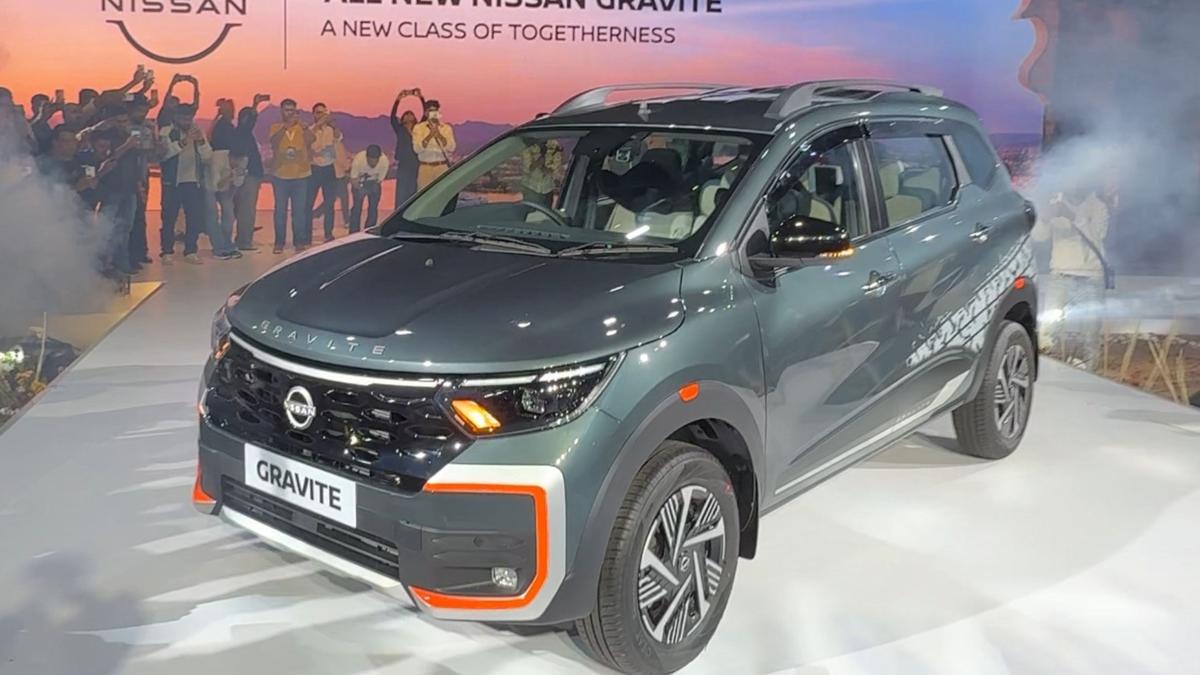
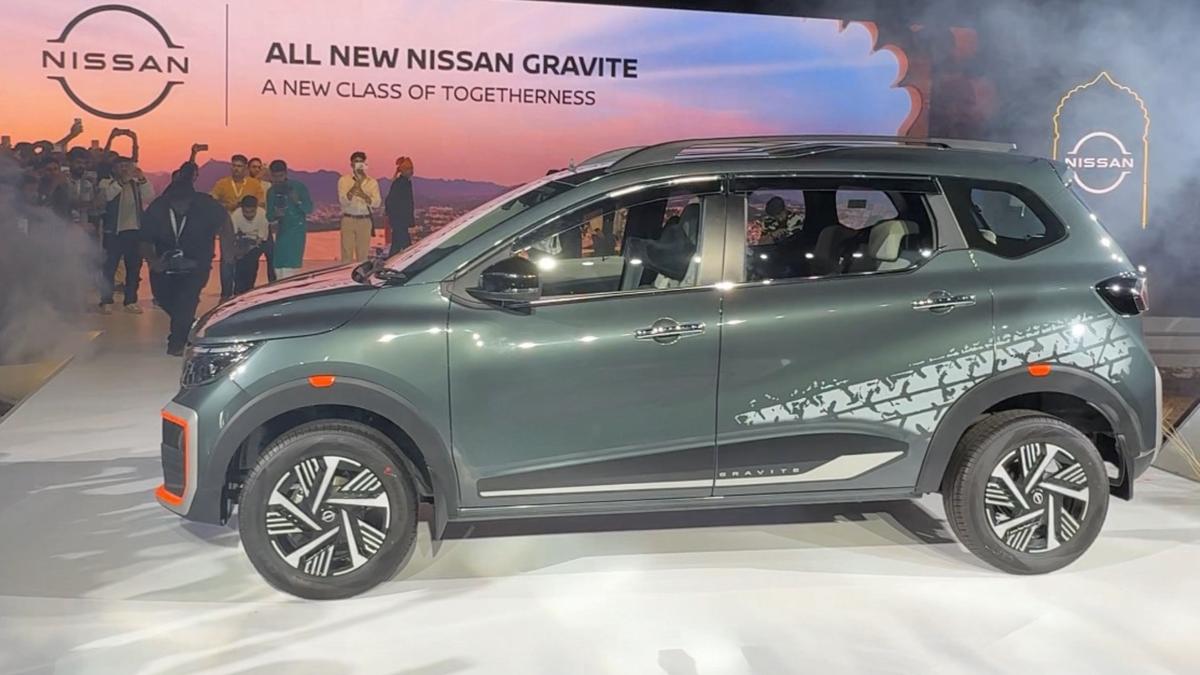
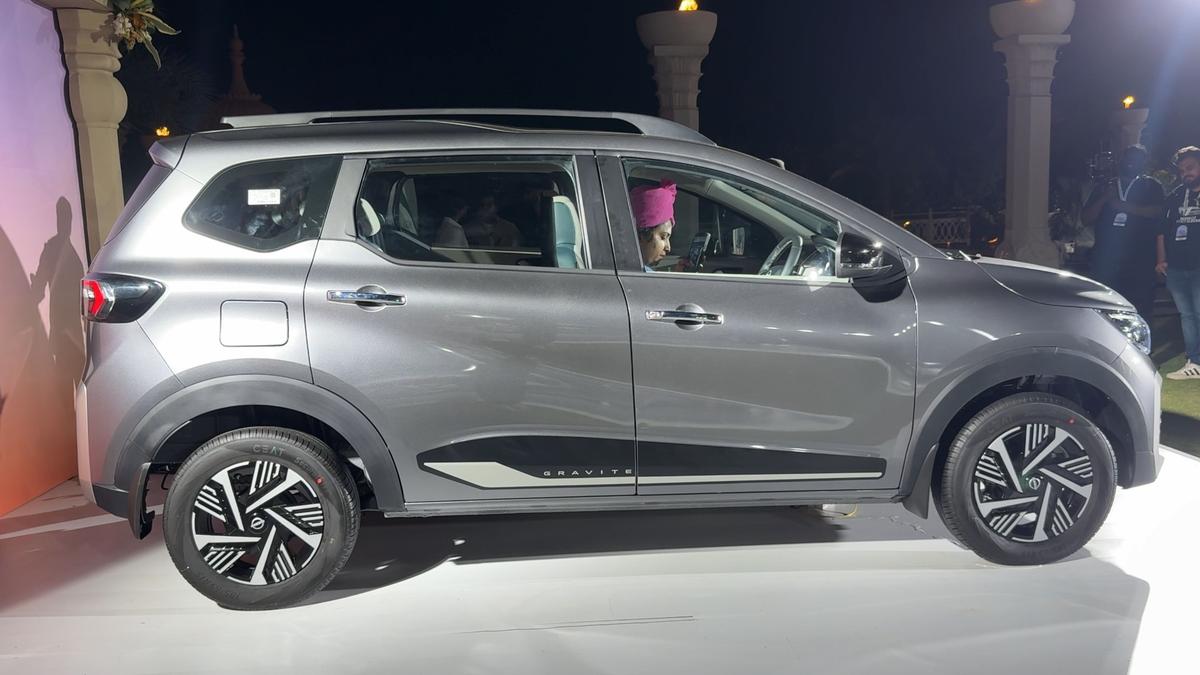
The Gravite departs from the traditional, often "boxy" MPV silhouette. Nissan designers have utilized:
- Pronounced Wheel Arches: These give the car a wider, more planted look.
- Roof Rails: Functional and aesthetic, these rails add to the SUV-inspired profile and allow for additional external cargo solutions.
- C-Shaped Lighting Elements: A signature Nissan design cue that provides a premium look, typically found on more expensive models like the Kicks or Patrol.
- Raised Stance: Higher ground clearance ensures the vehicle can navigate the often-challenging road conditions found in both urban and rural India.
Interior Versatility
The hallmark of the Gravite is its "Modular Seating" system. The cabin can be configured in several ways:
- Camp Mode (2 seats): Maximizes cargo space for outdoor equipment.
- Surf Mode (4 seats): Accommodates long items like ladders or sports gear.
- Life Mode (5 seats): The most common configuration, offering a balance of passenger comfort and a massive boot for family vacations.
- Tribe Mode (7 seats): Utilizes the removable third row to transport a full family.
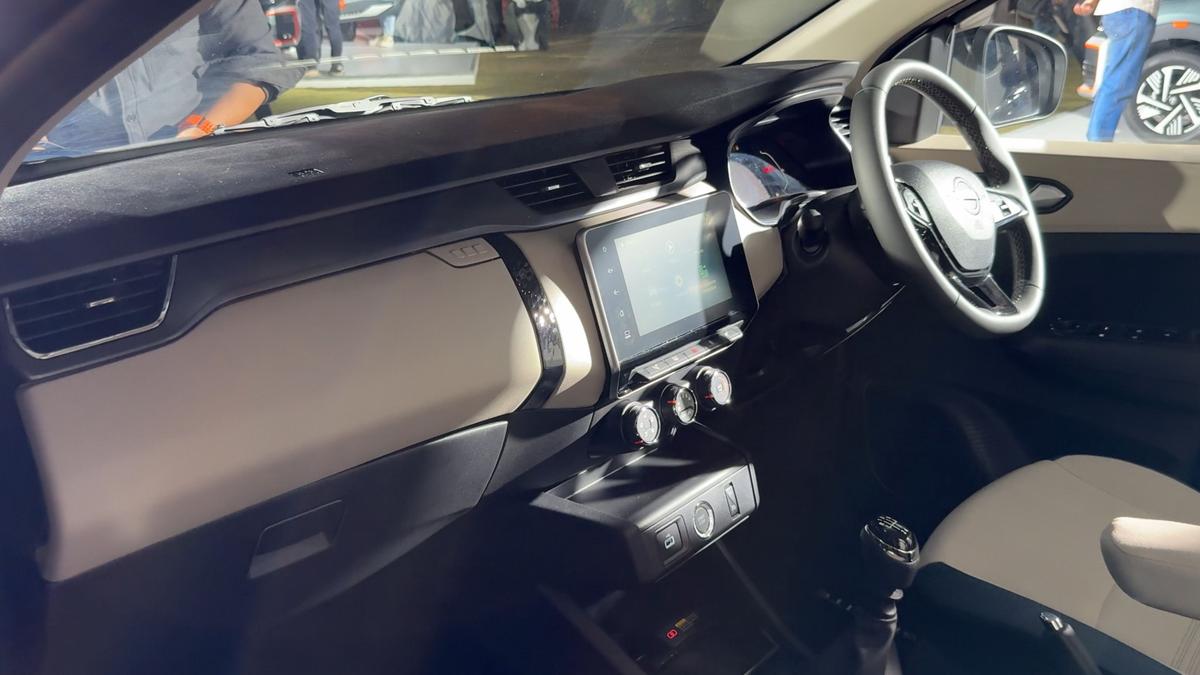
The inclusion of a cooled center console is a data point that stands out in the budget segment, addressing the practical needs of drivers in India’s hot climate.
Safety and Technology
In a significant departure from older budget MPV standards, Nissan has standardized several high-end safety features across all Gravite variants:
- Six Airbags: Providing comprehensive protection for occupants.
- Electronic Stability Control (ESC) & Traction Control: Enhancing vehicle stability during emergency maneuvers.
- Hill-Start Assist: A crucial feature for navigating inclines in mountainous regions or steep parking ramps.
- Infotainment: A floating touchscreen with wireless Android Auto and Apple CarPlay ensures that the Gravite remains competitive in the tech-heavy modern market.
Official Responses and Market Positioning
Nissan Motor Co. has positioned the Gravite as a "sensible, mass-market people mover." While official statements emphasize the vehicle’s "honesty" and "practicality," the underlying marketing strategy is clear: Nissan wants to capture the "rurban" (rural-urban) market.
Industry analysts note that Nissan’s focus on the 1.0-litre naturally aspirated engine is a deliberate choice to keep the entry price low and fuel efficiency high—claimed at approximately 19 km/l. While some critics suggested a turbocharged option for better highway performance, Nissan’s internal research reportedly showed that for the target demographic, low maintenance costs and high mileage were the primary purchasing drivers.
The company has also introduced a tiered variant structure to cater to different budget levels:
- Visia: The bare-bones, high-value entry point.
- Acenta & N-Connecta: The mid-range options featuring better infotainment and creature comforts.
- Tekna: The flagship trim with all the bells and whistles, including quilted upholstery and the AMT gearbox.
Implications: Changing the Dynamics of the Indian Market
The introduction of the Nissan Gravite has several long-term implications for the Indian automotive industry and Nissan’s global operations.
1. The Survival of the Budget MPV
In recent years, the industry has seen a shift toward "Premiumization," where cars are becoming more expensive and feature-packed. The Gravite challenges this by proving there is still a massive market for sub-₹10 lakh vehicles that don’t compromise on safety or modern aesthetics. It reinforces the idea that "budget" does not have to mean "basic."
2. Intra-Alliance Competition
The Gravite will inevitably compete with its platform-sibling, the Renault Triber. This internal rivalry within the Renault-Nissan Alliance is a double-edged sword. While it might lead to some cannibalization of sales, it ultimately allows the Alliance to occupy a larger share of the total market, squeezing out competitors who do not have a dedicated budget MPV platform.
3. Nissan’s Brand Perception
For years, Nissan was perceived as a niche player in India. The success of the Magnite began to change that, and the Gravite is expected to solidify Nissan as a "value-for-money" brand. By offering six airbags and ESC as standard, Nissan is also positioning itself as a safety-conscious manufacturer, which is becoming a top priority for Indian consumers following the government’s push for higher safety standards (Bharat NCAP).
4. Impact on the Hatchback Segment
The Gravite’s pricing puts it in direct competition with popular hatchbacks like the Maruti Suzuki Swift and the Hyundai i10 Grand Nios. If consumers realize they can get seven seats and SUV styling for the same price as a premium hatchback, we may see a significant migration of buyers toward compact MPVs, further shrinking the traditional small-car market.
Conclusion
The Nissan Gravite is more than just a new car; it is a strategic tool designed to democratize space and safety for Indian families. It does not attempt to redefine the limits of automotive engineering, but rather, it masters the art of the compromise—offering enough power for daily use, enough space for a large family, and enough tech to feel modern, all while maintaining a price point that respects the buyer’s wallet. As it rolls out across dealerships, the Gravite stands as a testament to the fact that in the Indian market, practicality and value remain the ultimate luxury.
