

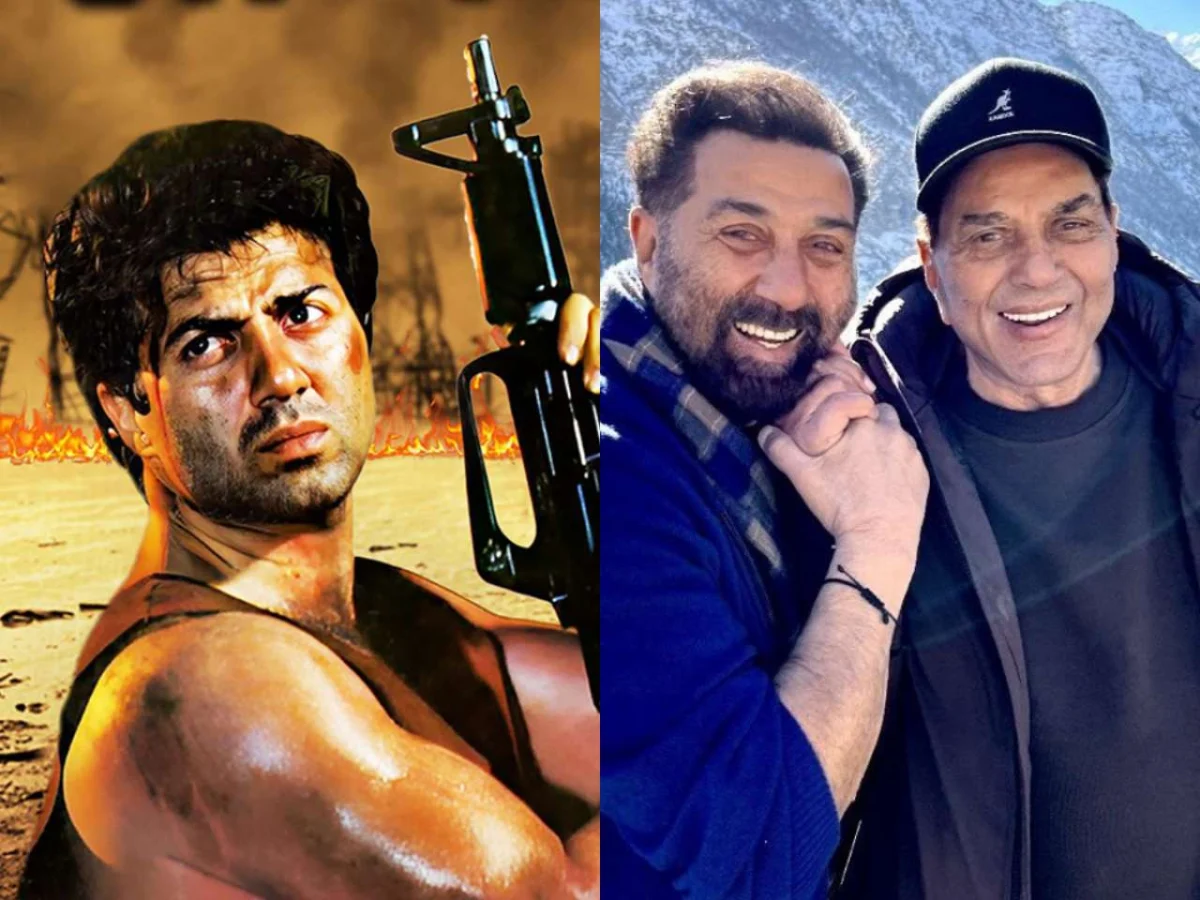
Mumbai, India – June 22, 2026 – The echoes of cinematic triumphs resonate through Bollywood as actor Sunny Deol marks a significant milestone today, celebrating the 36th anniversary of the iconic action drama Ghayal. Released on this day in 1990, the film, directed by the acclaimed Rajkumar Santoshi, not only cemented Deol’s status as an action hero but also etched itself into the annals of Indian cinema for its gripping narrative and powerful performances. As Deol looks back at this seminal work, he also gears up for a highly anticipated reunion with Santoshi in the upcoming historical epic, Batwara 1947, a project that promises to delve into the profound complexities of India’s Partition.
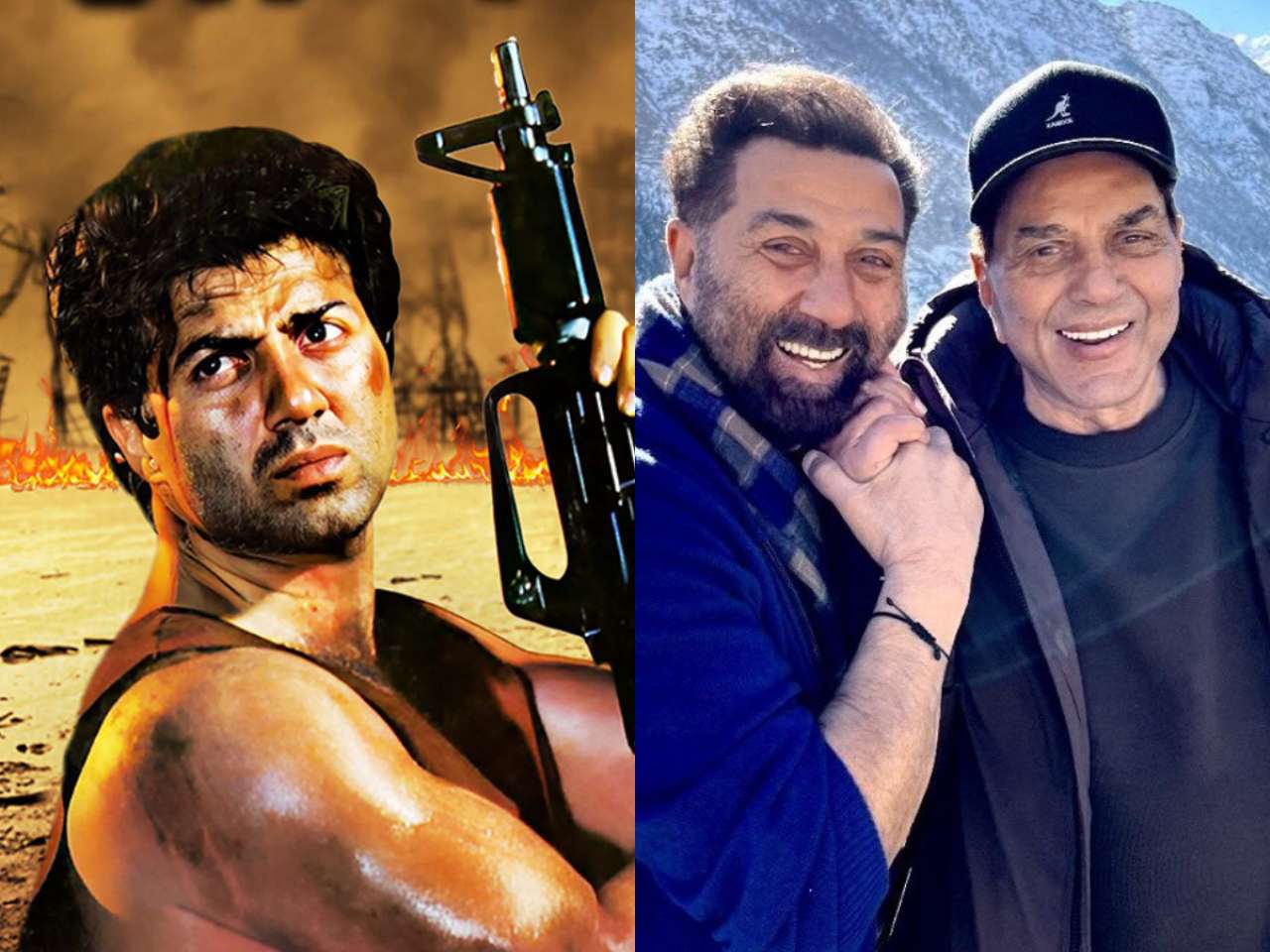
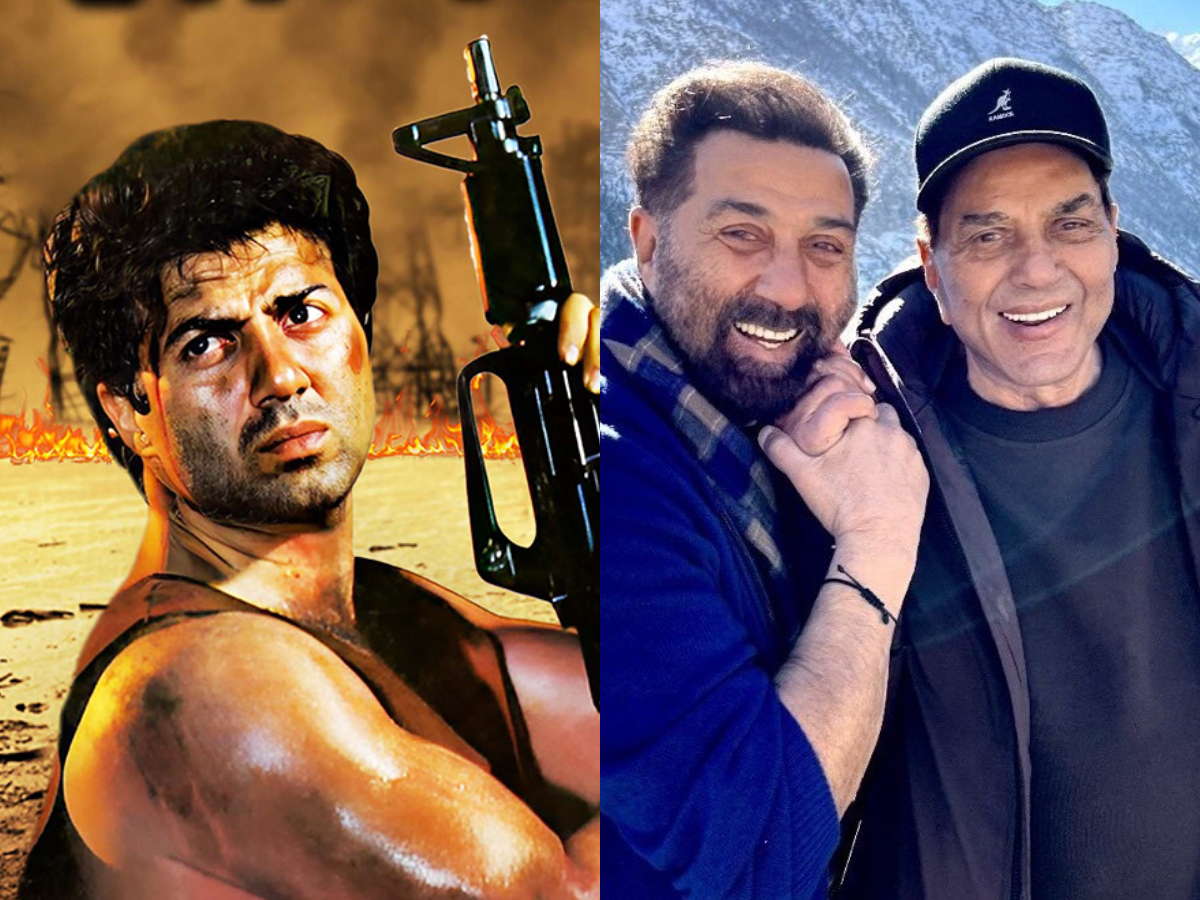
The anniversary of Ghayal has prompted a wave of nostalgia for Deol, who took to social media to express his gratitude and reflect on the film’s enduring legacy. "Papa’s belief and Raj’s writing made Ghayal possible. Your love made it immortal," he shared, paying a heartfelt tribute to his late father, the legendary actor Dharmendra, and director Rajkumar Santoshi. Accompanying his sentiment was a compilation video showcasing some of his most memorable and hard-hitting scenes from the film, a testament to his raw intensity and commitment to the role of Ajay Mehra.
The Genesis of an Icon: The Enduring Power of ‘Ghayal’
Ghayal emerged at a time when Bollywood was dominated by romantic comedies and melodramas. The film, however, dared to tread a different path, presenting a gritty and realistic portrayal of a young man’s relentless pursuit of justice against a corrupt and powerful system. The narrative centered on Ajay Mehra, a middle-class aspiring boxer whose life is irrevocably shattered by tragedy. Framed for a crime he did not commit and driven by a burning desire to avenge his brother’s death, Mehra embarks on a perilous journey, confronting a formidable antagonist in the form of the ruthless Balwant Rai, essayed with chilling brilliance by the late Amrish Puri.
Sunny Deol’s portrayal of Ajay Mehra was a revelation. He brought a visceral intensity and raw vulnerability to the character, embodying the frustration and fury of an ordinary man pushed to his absolute limits. His performance resonated deeply with audiences, earning him critical acclaim and the prestigious Special Jury National Film Award. The film’s success was not merely a solo triumph; it was a collective masterpiece. Meenakshi Seshadri, as Deol’s love interest, provided a grounding presence, while the supporting cast, including Varsha Bharti, Kulbhushan Kharbanda, Raj Babbar, Moushmi Chatterjee, and Om Puri, delivered performances that were both nuanced and impactful, contributing significantly to the film’s rich tapestry.
)
The film’s screenplay, penned by Rajkumar Santoshi, was lauded for its tight pacing, sharp dialogues, and compelling character arcs. Santoshi, who was then a rising director, demonstrated a remarkable ability to blend intense action sequences with emotional depth, creating a cinematic experience that was both thrilling and thought-provoking. Ghayal‘s success was a testament to the power of strong storytelling and impactful performances, proving that audiences were receptive to more mature and socially relevant themes.
A Collaborative Force: The Dharmendra-Santoshi Nexus
Sunny Deol’s poignant mention of his father, Dharmendra, underscores the profound influence and unwavering support he received during the formative stages of his career. Dharmendra, a titan of Indian cinema himself, was instrumental in nurturing Sunny’s aspirations and often provided invaluable guidance. The elder Deol’s belief in his son’s potential, coupled with his own understanding of the industry, undoubtedly played a crucial role in the realization of Ghayal.

The collaboration between Dharmendra and Rajkumar Santoshi, even if indirect through Sunny’s involvement, speaks volumes about the creative synergy that can arise from shared artistic vision. Santoshi, known for his meticulous approach to filmmaking, found in Sunny Deol a performer willing to push boundaries and embody complex characters. This synergy between a visionary director and a committed actor, backed by the wisdom and encouragement of a seasoned veteran like Dharmendra, created the perfect storm for a cinematic masterpiece.
A Legacy of Blockbusters: The Deol-Santoshi Partnership
The success of Ghayal paved the way for further collaborations between Sunny Deol and Rajkumar Santoshi, solidifying their reputation as a formidable director-actor duo. Following Ghayal, they went on to deliver two more critically acclaimed and commercially successful films: Damini (1993) and Ghatak (1996).
)
Damini, a courtroom drama that tackled the issue of domestic violence and societal apathy, showcased Deol in a different light, as a lawyer fighting for justice for a victim. His performance in Damini further solidified his versatility and ability to portray characters with strong moral convictions. Ghatak, on the other hand, returned to the action genre, with Deol playing a fearless young man seeking revenge for the injustice meted out to his family. Both films were celebrated for their powerful storytelling, strong performances, and socially relevant themes, further cementing the Deol-Santoshi partnership as one of Bollywood’s most successful.
The Unfolding Chapter: ‘Batwara 1947’ – A Reunion of Titans
Thirty years after their last cinematic outing together, Sunny Deol and Rajkumar Santoshi are set to reignite their creative partnership with Batwara 1947. This ambitious historical epic promises to be a poignant exploration of one of the most tumultuous periods in Indian history – the Partition of 1947. The film is poised to delve into the profound human cost of division, exploring themes of courage, displacement, resilience, and the enduring spirit of survival in the face of unimaginable adversity.
)
The project boasts an impressive ensemble cast, further amplifying its potential. Shabana Azmi, a veteran actress known for her powerful portrayals of strong female characters, joins Deol, as does the effervescent Preity Zinta. Ali Fazal, who has been making waves in both Indian and international cinema, adds a contemporary edge, while Karan Deol, Sunny Deol’s son, marks his presence, hinting at a potential passing of the torch. The film also features Khushi Hajare, Kanikka Kapur, and Abhimanyu Singh, promising a rich and diverse cinematic experience.
Adding another layer of prestige to Batwara 1947 is the involvement of musical maestro A.R. Rahman, who is composing the music, with lyrics penned by the legendary Javed Akhtar. This creative powerhouse combination is expected to elevate the film’s emotional resonance and historical grandeur.
)
The film is being produced by Aamir Khan under his banner, Aamir Khan Productions, a name synonymous with quality and content-driven cinema. Khan’s involvement suggests a commitment to making Batwara 1947 a cinematic event of significant scale and impact. The film is slated for a theatrical release on August 14, 2026, strategically timed to coincide with India’s Independence Day, a fitting tribute to the historical context of the film.
Supporting Data and Contextual Significance
The enduring popularity of films like Ghayal and the anticipation surrounding Batwara 1947 underscore a persistent audience appetite for narratives that explore themes of heroism, justice, and historical events that have shaped the Indian subcontinent. The success of Ghayal can be attributed to several factors:
)
- Relatable Protagonist: Ajay Mehra’s journey resonated with the common man’s struggle against injustice.
- Powerful Villain: Amrish Puri’s Balwant Rai remains one of Bollywood’s most iconic antagonists, embodying pure malevolence.
- Gripping Action: The film featured well-choreographed and impactful action sequences that were ahead of their time.
- Social Commentary: Ghayal subtly addressed issues of corruption and the flaws within the legal system.
The thematic continuity from Ghayal to Batwara 1947 is also noteworthy. While Ghayal was about an individual’s fight for justice, Batwara 1947 promises a grander narrative of a nation’s struggle for identity and freedom amidst unprecedented upheaval. The Partition of 1947 remains a sensitive and deeply impactful event in Indian history, and a film that delves into its human dimension holds immense potential for both commercial success and critical acclaim. The fact that Aamir Khan is producing it further signals a belief in the project’s artistic and commercial viability.
Official Responses and Industry Buzz
While official statements from the cast and crew of Batwara 1947 have been relatively measured, the industry buzz is palpable. The reunion of Sunny Deol and Rajkumar Santoshi after three decades is being hailed as a major event. Aamir Khan, known for his selective production choices, lending his name to the project speaks volumes about its potential.
)
Karan Deol, Sunny Deol’s son, recently shared a heartfelt Father’s Day post for his father, calling him his "biggest teacher" and "first hero." This post, made ahead of Batwara 1947, also highlighted the familial connection and the passing down of cinematic legacy, further fueling excitement for the film. This sentiment aligns with the Deol family’s rich tradition in Bollywood.
Implications for the Future of Cinema
The resurgence of Rajkumar Santoshi in the directorial space with a project of this magnitude, coupled with Sunny Deol’s continued strong screen presence, signals a potential revival of classic Bollywood storytelling infused with contemporary sensibilities. The focus on historical epics and socially relevant themes suggests a move towards more substantial and thought-provoking cinema.
)
Batwara 1947 has the potential to be more than just a film; it can be a cultural touchstone, offering a new generation a deeper understanding of the complexities and sacrifices that defined the Partition. The film’s success could pave the way for more ambitious historical dramas, encouraging filmmakers to explore the rich tapestry of India’s past with artistic integrity and cinematic flair. As Sunny Deol revisits a landmark moment in his career with Ghayal, he also stands on the precipice of another significant chapter with Batwara 1947, a testament to his enduring appeal and the timeless power of compelling storytelling.
