

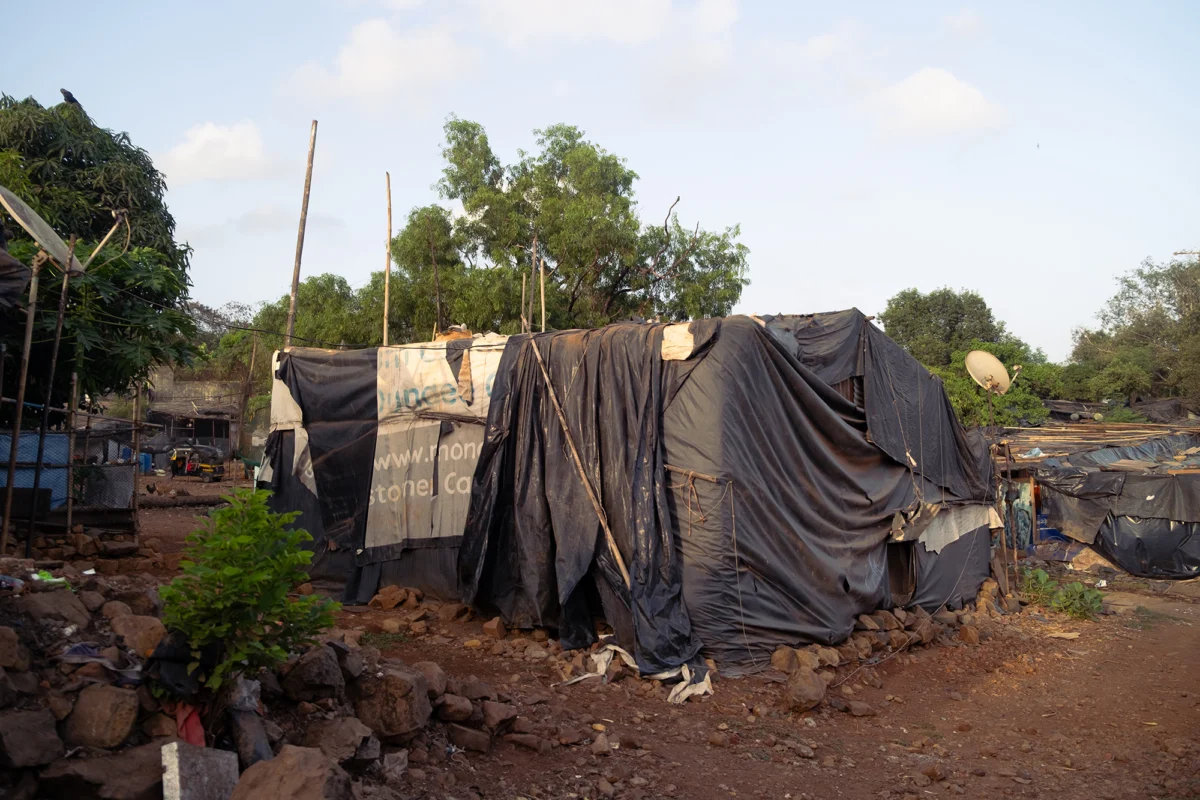
In the sweltering corridors of Patra chawl, a makeshift settlement in Mumbai’s Mankhurd suburb, the air does not move; it merely weighs down on the residents. For 63-year-old Ajuma Sheikh, a social worker who has lived here for a quarter of a century, the heat is not just a seasonal discomfort—it is an expensive, life-threatening adversary.
“We pay ₹600 every month whether we get electricity or not,” Sheikh explains. “We used to pay more, but there are now two electricity mafias competing in this area.”
Sheikh’s predicament is shared by thousands of residents across Mumbai’s informal settlements, trapped between the rigid bureaucracy of state-sanctioned utility providers like Adani Electricity and the predatory, often dangerous, networks of unauthorized operators known locally as the "light mafia." As global temperatures rise and Mumbai’s urban heat island effect intensifies, the lack of reliable electricity has transitioned from a matter of convenience to a full-blown climate emergency.

Main Facts: A Dual Crisis of Climate and Infrastructure
The crisis in Mumbai’s informal settlements is defined by two intersecting forces: the physical reality of extreme heat and the systemic failure of urban infrastructure.
Thousands of families live on land owned by the Mumbai Port Trust, the Railways, the Defence Department, or within reserve forest areas. Because these residents often lack formal land titles or "No Objection Certificates" (NOCs) from land-owning agencies, they are frequently denied legal electrical connections. This exclusion has birthed a shadow economy. Illegal operators tap into local power grids, feeder boxes, and even underground cables to sell "stolen" electricity to the poor at inflated rates.
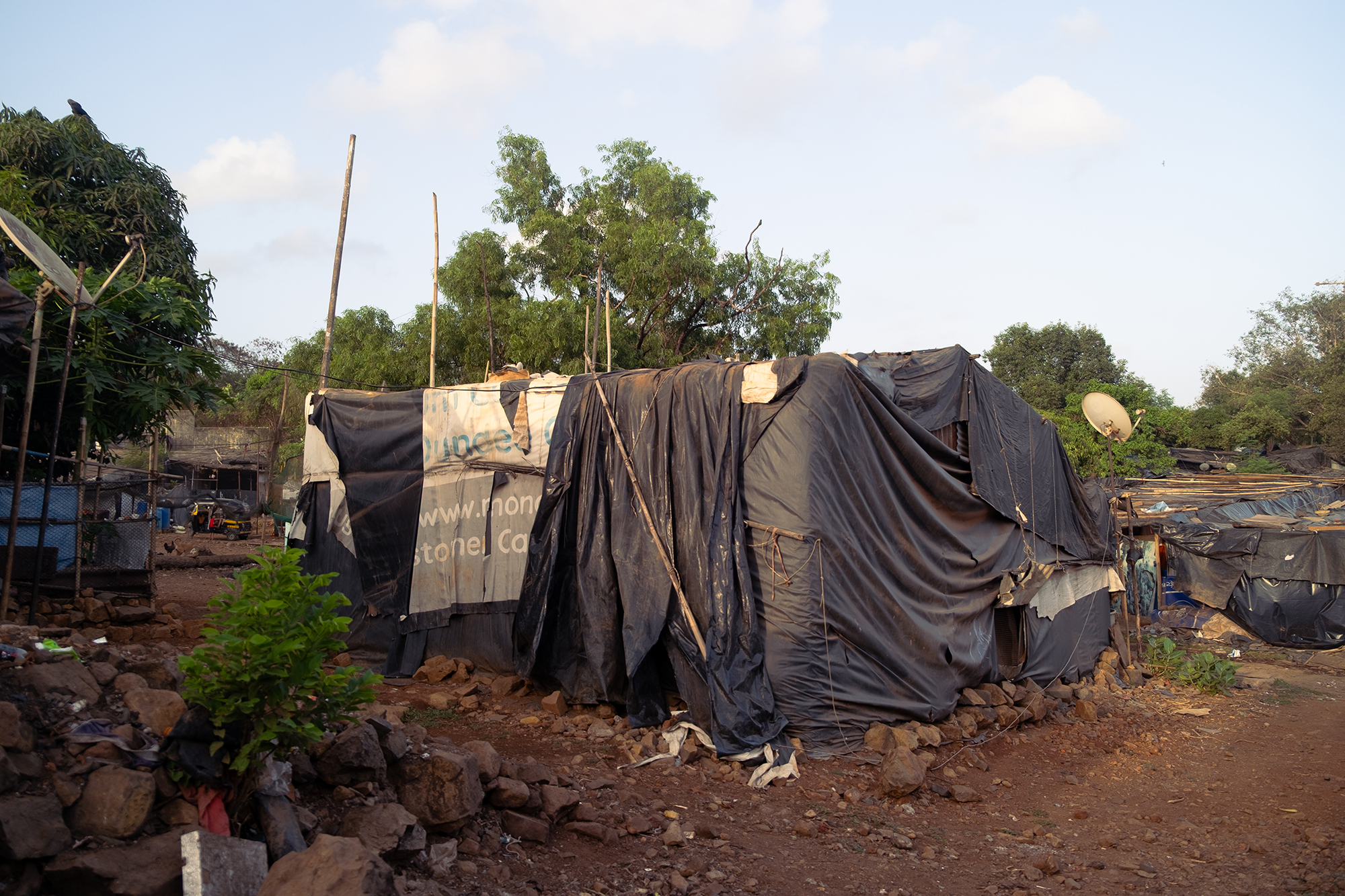
The physical environment exacerbates the suffering. Homes in these areas are typically constructed from tin sheets and plastic tarpaulin. Research, including a survey of South Asian cities, indicates that indoor temperatures in tin-roofed dwellings often exceed outdoor temperatures, sometimes reaching a lethal 40°C to 45°C. Without the power to run fans or cooling systems, these homes become "heat traps," leading to a litany of medical conditions including heat stroke, chronic dehydration, and respiratory distress.

Chronology: From Forest Settlements to Legal Battles
The roots of the current crisis stretch back decades, illustrating a long history of migration, settlement, and subsequent marginalization.
- The 1980s: Settlements like Ambedkar Nagar in Malad were established on protected forest land. For decades, residents lived in a legal limbo, lacking basic amenities like water and legal electricity.
- Pre-2007: Residents in Ambedkar Nagar survived by "tapping" into the legal connections of neighboring authorized settlements.
- 2007: Distribution companies launched a crackdown, cutting the tapped wires and leaving thousands in total darkness. In response, a complex arrangement was brokered: neighbors in regularized settlements upgraded their residential connections to commercial ones. The "light mafia" then brokered tapped connections from these commercial lines to Ambedkar Nagar, passing the significantly higher costs onto the informal residents.
- 2022: The Indian Railways issued mass eviction notices to thousands of slum dwellers on land earmarked for railway expansion, including Patra chawl. This move intensified the urgency for residents to prove their right to stay and access services.
- 2022–Present: Organizations like the Jan Haq Sangharsh Samiti (JHSS) began mobilizing residents. They moved beyond local advocacy to legal action, petitioning the Consumer Grievance Redressal Forum to challenge the requirement for land-owner NOCs in exchange for electricity.
- 2026 (Recent Context): Record-breaking heatwaves saw temperatures in parts of India touch 50°C. In Mumbai, the combination of high humidity and extreme night-time temperatures has made electricity an absolute necessity for survival, yet the legal and infrastructure hurdles remain largely unchanged.
Supporting Data: The Economic and Physical Cost of Exclusion
The disparity between legal electricity users and those reliant on the "mafia" is stark, both financially and physically.
The Cost of Power
While the maximum legal rate for a residential connection from Adani Electricity is approximately ₹8.55 per unit, residents in Ambedkar Nagar report paying between ₹14 and ₹18 per unit to unauthorized distributors. In Patra chawl, a flat monthly fee is often charged regardless of whether the power actually works. For families like Ajuma Sheikh’s, where the total monthly household income is approximately ₹9,000, these costs are crippling.

The Health Toll
The physical toll of living in a "heat trap" without cooling is measurable. Sheikh reports spending nearly ₹3,000 a month—one-third of the family income—on heat-related medical expenses. Her 64-year-old husband was recently hospitalized for heat-induced heart palpitations and shortness of breath. Common ailments reported across these settlements include:
- Chronic skin rashes and "prickly heat."
- Low blood pressure and fainting spells.
- Asthma exacerbation due to poor ventilation and the inability to use air purifiers or fans.
- Dehydration and heat stroke.
Structural Vulnerabilities
The "mafia" infrastructure is inherently dangerous. Wires are often of low quality, held together with tape, and run overground or through monsoon-flooded pathways. These connections frequently spark fires or cause short circuits that destroy expensive appliances. Sunil Jaiswal, a resident of Ambedkar Nagar, notes he has lost two laptops to voltage fluctuations—a devastating blow for a social worker reliant on technology for advocacy.
Official Responses and the Legal Standoff
The battle for electricity is currently being fought in the halls of regulatory forums. The central point of contention is the interpretation of the Electricity Act of 2003 and the Maharashtra Electricity Regulatory Commission (MERC) Supply Code.
According to researchers like Sanjana Krishnan and legal experts working with JHSS, the Electricity Act does not require a resident to prove land ownership to receive a power connection. The law stipulates that any person who submits an application with the necessary documentation (such as proof of occupancy) is entitled to a supply.
However, private utility providers, specifically Adani Electricity, have historically insisted on a No Objection Certificate (NOC) from the land-owning agencies (Railways, Port Trust, or Forest Department). Since these agencies view the residents as "encroachers," they rarely, if ever, grant such certificates.
This creates a "catch-22":

- The utility company refuses to provide a meter without an NOC.
- The land-owner refuses the NOC because the settlement is informal.
- The resident is forced to turn to the "light mafia" to survive the heat.
JHSS has now taken this grievance to the Consumer Grievance Redressal Forum, arguing that electricity is a fundamental right tied to the right to life, especially in the context of a warming climate.
Implications: Electricity as a Human Right in the Climate Era
The situation in Mumbai’s chawls is a harbinger of a broader global trend where climate change acts as a "threat multiplier" for the poor. The implications of this crisis extend far beyond the immediate discomfort of heat.
1. The Gendered Impact and Education
The lack of electricity has a profound impact on the next generation. "Our kids can’t study in the dark," Ajuma Sheikh notes. While boys may congregate under station lights or streetlamps, parents are often afraid to let their daughters stay out after sunset. This disparity puts girls at a significant educational disadvantage. Furthermore, the lack of refrigeration forces women to cook in small batches more frequently, increasing their domestic labor in unbearable indoor temperatures.

2. Urban Planning and "Climate Apartheid"
Mumbai’s financial success is built on the labor of its drivers, domestic workers, and security guards—the very people living in these informal settlements. When the city fails to provide basic cooling infrastructure to its "backbone," it creates a form of "climate apartheid," where the wealthy can retreat into air-conditioned bubbles while the working class faces life-threatening temperatures in tin shacks.
3. The Necessity of Policy Reform
The current legal framework, which ties utility access to land titles, is increasingly viewed as obsolete in the face of the climate crisis. Experts argue that electricity must be decoupled from land-ownership disputes. As temperatures routinely hit 40-50°C, access to a fan or a small refrigerator is no longer a luxury; it is a medical necessity.
4. The Path Forward
The work of the Jan Haq Sangharsh Samiti (JHSS), which has met with over 8,500 households, suggests that the solution lies in collective bargaining and legal reform. By documenting the health and economic impacts of electricity deprivation, they are building a case for "Electricity as Climate Adaptation."
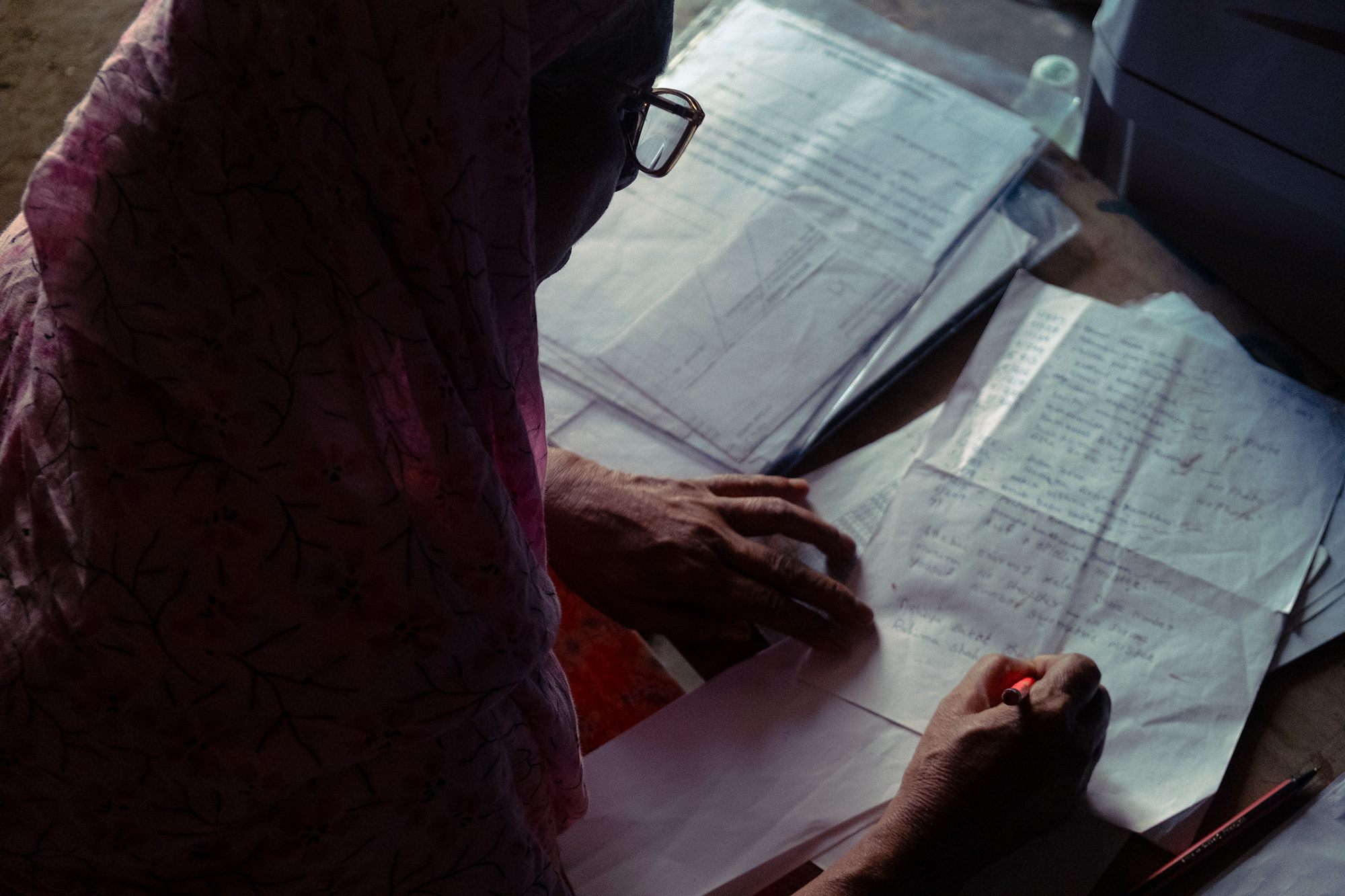
For residents like Ajuma Sheikh and Sunil Jaiswal, the goal is simple: to live in a home where they do not have to choose between a meal and a lightbulb, and where the arrival of summer does not feel like a death sentence. As the legal battle continues, the residents of Mumbai’s informal settlements remain on the front lines of a changing world, waiting for the day when the "light mafia" is replaced by a safe, affordable, and legal flick of a switch.
