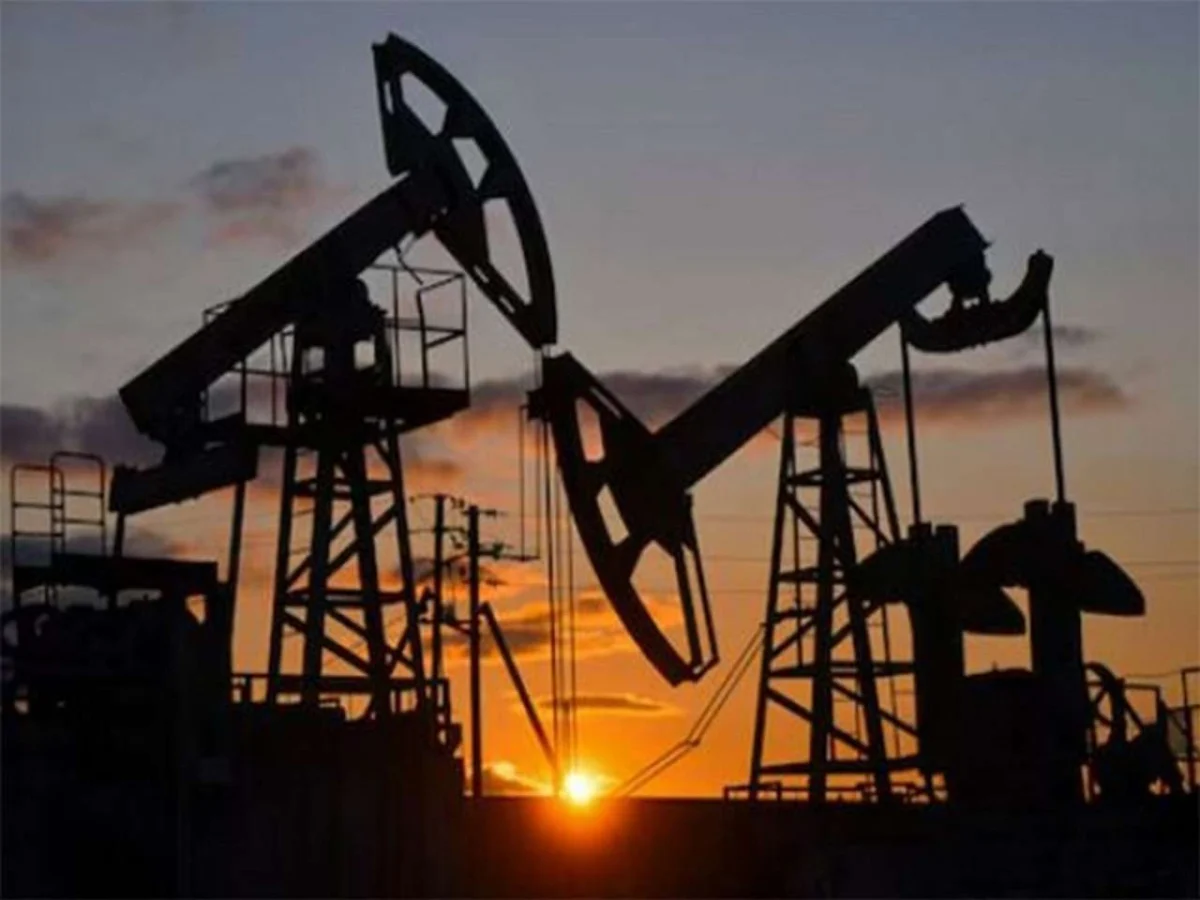
Global energy markets were thrown into turmoil overnight as US President Donald Trump declared the "ceasefire over" following a renewed exchange of strikes between the United States and Iran. The dramatic statement, delivered amidst escalating hostilities, sent crude oil prices soaring by an immediate 6%, signaling a severe shift in the precarious stability that had briefly characterized the volatile US-Iran relationship.
The latest surge in oil prices underscores the profound sensitivity of global commodities to geopolitical instability in the Middle East, particularly involving major oil producers and critical shipping lanes. The sudden escalation wiped out weeks of relative calm, leaving investors and policymakers grappling with the specter of sustained higher energy costs and broader economic repercussions.
Main Facts
The core of the recent upheaval lies in a series of direct military actions and a definitive declaration from the US President. The United States launched multiple strikes, reportedly targeting over 80 sites across Iran. Tehran swiftly retaliated, directing its own strikes at US military bases situated in Bahrain and Kuwait, confirming a dangerous new phase in the protracted conflict.
In the immediate aftermath of these exchanges, President Trump’s unequivocal declaration – "ceasefire is over" – acted as a potent catalyst for market volatility. His remarks extinguished any lingering hopes of de-escalation that had emerged from prior diplomatic efforts. Oil traders reacted instantaneously, pushing the price of a barrel of crude significantly upwards. Moments before his statement, an oil barrel was trading just below $76 (£57); within hours, it had surpassed $78 (£58) and continued its upward trajectory.
)
The market response was stark: US West Texas Intermediate (WTI) crude surged by 5.8% to USD 74.5 per barrel, while the global benchmark Brent crude rose by 5.65% to USD 78.35. This rapid appreciation signals deep-seated concerns over potential supply disruptions from a region vital to global energy supplies, particularly the Strait of Hormuz. Beyond the energy sector, broader financial markets also felt the ripple effect, with major indices like India’s Sensex reportedly falling significantly, reflecting widespread investor anxiety.
Chronology of Escalation
The current crisis is not an isolated incident but the latest chapter in a long-standing and often fraught relationship between the United States and Iran. Understanding the sequence of events is crucial to grasping the depth of the present escalation.

Initial Tensions and Previous Flashpoints
For decades, US-Iran relations have been characterized by mistrust and proxy conflicts. However, tensions significantly heightened following the US withdrawal from the Joint Comprehensive Plan of Action (JCPOA), commonly known as the Iran nuclear deal, in 2018. This move, accompanied by the re-imposition of stringent sanctions, was perceived by Iran as an act of economic warfare, leading to a series of retaliatory measures and increased military posturing.
The Strait of Hormuz, a narrow maritime choke point through which approximately 20% of the world’s total petroleum liquids pass, has consistently been at the heart of these tensions. Incidents involving tanker attacks, seizures of commercial vessels, and naval confrontations have periodically threatened global oil supplies and driven price spikes. Each such event has served as a stark reminder of the region’s fragility and its outsized impact on the global economy. Prior to the recent MoU, several instances of alleged Iranian attacks on commercial vessels in this critical waterway had drawn international condemnation and heightened military readiness from the US and its allies.
)
The Memorandum of Understanding (MoU) and Brief Respite
Against a backdrop of persistent friction, a glimmer of hope emerged in June with the signing of a Memorandum of Understanding (MoU) between the two sides. This agreement, though its specifics were often opaque to the public, was widely interpreted as a significant de-escalation effort. Crucially, it reportedly led to an immediate halt in hostilities and, perhaps most importantly for global trade, reopened the Strait of Hormuz for a 60-day toll-free period. This temporary truce allowed oil prices to weaken to pre-conflict levels, providing a much-needed reprieve for energy consumers and a sense of stability for market participants. The MoU was seen by some as a tentative step towards diplomatic engagement, suggesting that even amidst deep animosity, channels for communication and practical arrangements could be established. It represented a period where the implicit "ceasefire" was largely respected, allowing for a temporary easing of the geopolitical risk premium on oil.
Overnight Exchange of Fire and Definitive Breakdown
The fragile calm established by the MoU was shattered overnight by a fresh wave of military actions. The United States initiated a series of extensive strikes, claiming to have hit "over 80 targets" within Iran. These strikes were framed by the US as a direct response to prior attacks on commercial vessels in the Strait of Hormuz, indicating a retaliatory cycle. Specific locations confirmed to have been affected included Hormozgan, Mahshar, and Bandar Mashahr, suggesting a broad and impactful operation. The UK Maritime Trade Operations (UKMTO) confirmed three separate incidents in the region, though it did not identify the vessels involved or report any casualties or environmental damage, highlighting the precision or limited scope of damage from specific incidents.
)
Iran’s response was swift and unequivocal. Tehran launched its own strikes, targeting US military bases in Bahrain and Kuwait. This direct retaliation against US assets in allied nations marked a significant escalation, signaling Iran’s willingness to respond militarily to perceived aggression and broaden the geographical scope of the conflict. The direct targeting of bases hosting US personnel raised the stakes considerably, pushing the conflict into a more dangerous phase where miscalculation could have catastrophic consequences.
Trump’s Definitive Stance: "Ceasefire is Over"
Following the exchange of fire, US President Donald Trump held a press conference that definitively signaled the end of any perceived truce. His language was sharp and uncompromising. He referred to Iranians as "liars, cheats and sick people," employing highly charged rhetoric that left little room for diplomatic ambiguity. Trump stated that the US had attacked "very dangerous people" from Iran last night, justifying the American military action.
)
The pivotal statement, however, was his declaration that "Iran ceasefire is over," coupled with the assertion that the US "would not deal with Iran." This pronouncement was not merely a rhetorical flourish; it was a clear policy statement that effectively closed the door on immediate diplomatic engagement and signaled a more confrontational approach. For markets, it removed any remaining hope that a diplomatic resolution might quickly follow the military actions, solidifying the perception of prolonged tension and heightened risk.
Supporting Data and Market Analysis
The immediate market reaction to the renewed US-Iran hostilities and President Trump’s "ceasefire over" declaration was a sharp and telling indicator of global economic vulnerability to Middle Eastern geopolitical risks.
)
Global Oil Price Surge
The most striking impact was on global crude oil prices, which saw an instantaneous and significant surge. The 6% spike was not merely a speculative blip but a reflection of deeply ingrained fears within the energy sector. Brent crude, the international benchmark, jumped by 5.65% to USD 78.35 per barrel, while US West Texas Intermediate (WTI) crude, the American benchmark, climbed 5.8% to USD 74.5. These figures represent substantial gains in a single trading session, highlighting the market’s sensitivity.
The primary driver behind this surge is the heightened geopolitical risk premium. The Middle East, particularly the Persian Gulf region, is the world’s largest oil-producing area and home to critical shipping routes like the Strait of Hormuz. Any perceived threat to the stability of this region, or to the free flow of oil through its waterways, immediately triggers concerns about supply disruptions. Traders factor in the potential for reduced output, blockades, or even direct attacks on oil infrastructure, pushing prices upwards as a hedge against future scarcity. Trump’s definitive statement, removing any ambiguity about a diplomatic pause, solidified these fears, leading to an aggressive buying spree as participants sought to protect their positions. The market had previously weakened to pre-conflict levels during the MoU period, indicating that the risk premium had been largely removed. Its sudden re-emergence signals a fundamental shift in perception, indicating that the market now anticipates prolonged instability rather than a quick resolution.
)
Broader Economic Repercussions
The impact of soaring oil prices extends far beyond the energy sector, threatening broader economic stability.
- Inflationary Pressures: Higher crude oil prices invariably translate into increased costs for consumers at the pump. In the US, gasoline prices had remained stubbornly high despite a previous fall in global crude oil prices, a situation Trump had publicly criticized. The new surge ensures that inflationary pressures will intensify, affecting household budgets and consumer spending power. Businesses reliant on transportation, such as logistics, airlines, and manufacturing, will face higher operational costs, which they may pass on to consumers, further fueling inflation.
- Stock Market Volatility: The reported drop in India’s Sensex, a key stock market index, is emblematic of a broader trend. Global equity markets react negatively to increased geopolitical risk and higher energy costs. Uncertainty discourages investment, and the prospect of higher input costs and reduced consumer spending can erode corporate profits, leading to sell-offs. Investors typically seek safer assets during such periods, leading to capital flight from riskier markets.
- Global Economic Slowdown: Sustained high oil prices can act as a significant drag on global economic growth. Energy is a fundamental input for almost all economic activities. When its cost rises sharply, it reduces disposable income for consumers and profit margins for businesses, potentially leading to reduced investment, job losses, and an overall deceleration of economic activity. For net oil-importing nations, the burden of higher import bills can strain national budgets and currency reserves.
- Sector-Specific Impacts: Airlines, shipping companies, and logistics firms are particularly vulnerable to rising fuel costs, which constitute a significant portion of their operating expenses. Manufacturers, especially those in petrochemicals, will also face increased raw material costs. Conversely, major oil-producing nations and companies may see a boost in revenues, though this benefit is often overshadowed by the broader global economic instability.
Strategic Importance of the Strait of Hormuz
The recurring mention of the Strait of Hormuz is not coincidental. This narrow waterway, connecting the Persian Gulf to the open ocean, is arguably the single most critical choke point for global oil shipments. Its closure or severe disruption would have catastrophic consequences for the world economy, potentially triggering a global recession. Iran’s geographical position grants it significant leverage over the Strait, and past threats to close it have always been met with alarm by the international community. The recent strikes, whether on commercial vessels or military bases, directly underscore the fragility of security in and around this vital passage, hence the outsized reaction from oil markets.
)
Official Responses and International Reactions
The escalating US-Iran conflict has naturally elicited strong reactions from the involved parties and drawn urgent calls for de-escalation from the international community.
US Administration’s Justification and Stance
The US administration has consistently framed its military actions as defensive and retaliatory. The latest strikes, targeting over 80 sites in Iran, were justified as a direct response to what the US claims were attacks on commercial vessels in the Strait of Hormuz. This narrative positions the US as acting to protect international shipping lanes and its interests in the region. President Trump’s rhetoric, characterizing Iranians as "liars, cheats and sick people" and the targets as "very dangerous people," reflects a deeply confrontational approach. His declaration of "ceasefire over" and refusal to "deal with Iran" signifies a hardened stance, suggesting a preference for pressure and military deterrence over immediate diplomatic engagement. This position suggests a belief within the administration that Iran understands only force, and that dialogue without significant leverage is futile.
)
Iranian Counter-Claims and Retaliation
While the initial report does not detail specific Iranian official statements beyond their retaliatory strikes, Iran’s actions speak volumes. The targeting of US military bases in Bahrain and Kuwait unequivocally demonstrates Tehran’s resolve to respond to US aggression and to project its military capabilities. From Iran’s perspective, US strikes on its territory are a violation of its sovereignty and international law, justifying its retaliatory measures. Iran consistently views US military presence in the region and its sanctions regime as hostile acts aimed at undermining its government. Iranian officials would likely reiterate their right to self-defense and warn against further provocations, portraying the US as the primary destabilizing force in the region. Their actions signal a clear message: any attack on Iran will be met with a proportionate, if not escalatory, response.
International Community’s Calls for De-escalation
The international community, acutely aware of the potentially devastating consequences of a full-blown conflict, has largely responded with urgent calls for restraint and de-escalation.
)
- United Nations: The UN Secretary-General would undoubtedly issue statements urging both sides to step back from the brink, uphold international law, and pursue diplomatic solutions. The UN’s primary concern would be the protection of civilians, the prevention of further loss of life, and the maintenance of regional and global peace and security.
- European Union: European nations, often caught between their transatlantic alliance with the US and their economic ties and diplomatic efforts with Iran (particularly concerning the nuclear deal), would likely emphasize the need for dialogue and a return to multilateral engagement. They would express deep concern over the breakdown of the fragile stability and the potential for a wider conflict that could have severe implications for global trade, refugee flows, and energy security.
- Other Major Powers (e.g., China, Russia): China and Russia, both permanent members of the UN Security Council and with their own strategic interests in the Middle East, would also likely call for de-escalation. While their specific interests might diverge, both would prefer a stable, rather than a chaotic, Middle East. Russia, a key ally of Iran, might offer mediation while also criticizing US unilateralism. China would prioritize stability for its energy supplies and trade routes.
- Regional Allies’ Concerns: US allies in the Gulf, such as Saudi Arabia and the UAE, while generally supportive of US security assurances, would harbor significant anxieties. They are on the front lines of any potential conflict and would face immediate threats to their infrastructure, economies, and national security. While publicly aligning with US positions, privately they would likely be urging caution and seeking assurances of protection, while also exploring avenues to prevent the conflict from spiraling out of control.
The consensus from the international community is clear: military solutions are fraught with danger, and diplomacy, however challenging, remains the only viable path to a sustainable resolution.
Implications and Outlook
The latest escalation in US-Iran tensions carries profound implications, not only for the immediate future of the Middle East but also for global geopolitics and the world economy.
)
Geopolitical Landscape
The declaration that the "ceasefire is over" signals a dangerous "new phase" in the US-Iran conflict, moving beyond proxy skirmishes to direct military exchanges and an overt breakdown of diplomatic channels. This escalation significantly increases the risk of a full-blown regional war, which could draw in other global powers and redraw the geopolitical map of the Middle East.
- Potential for Further Escalation: The retaliatory cycle established by the overnight strikes suggests a high probability of further tit-for-tat actions. Each strike carries the risk of miscalculation, accidental targeting, or a disproportionate response that could quickly spiral out of control. The direct targeting of military bases raises the threshold of conflict, making it harder to de-escalate.
- Regional Instability: A prolonged conflict would destabilize the entire region, exacerbating existing humanitarian crises and empowering extremist groups. Countries like Iraq, Syria, Lebanon, and Yemen, already deeply fractured, would likely see intensified proxy warfare. The security of vital shipping lanes would remain compromised, impacting global trade beyond just oil.
- US Foreign Policy Shift: This renewed assertiveness against Iran, coupled with the rejection of dialogue, could signal a more aggressive US foreign policy stance in the Middle East, potentially alienating traditional allies who favor diplomacy and creating deeper divisions within international alliances. It could also force US allies to choose sides more definitively, complicating regional partnerships.
- Iran’s Strategic Calculus: Iran, facing severe economic pressure from sanctions, might see military action as its only leverage. It could seek to demonstrate its deterrent capabilities, disrupt global oil supplies to pressure international actors, or double down on its regional influence to compensate for domestic economic woes.
Economic Forecasts
The economic outlook is now significantly clouded by the renewed tensions, with energy markets at the forefront of concern.
)
- Oil Price Trajectory: If tensions persist or escalate, oil prices are likely to remain elevated, potentially climbing much higher than current levels. A sustained conflict, particularly one that genuinely threatens the Strait of Hormuz or major oil production facilities, could see prices breach $100 per barrel or even higher, depending on the severity and duration of disruptions. Even if direct supply disruptions are avoided, the geopolitical risk premium will remain embedded in prices, keeping them artificially high.
- Global Economic Slowdown: A prolonged period of high energy costs would almost certainly trigger a global economic slowdown, if not a recession. Businesses would face shrinking margins, leading to reduced investment and hiring. Consumers would experience diminished purchasing power due to higher fuel and transportation costs, impacting discretionary spending.
- Inflationary Spiral: The inflationary pressures from energy costs could permeate across all sectors, leading to a broader increase in the cost of living. Central banks would face a difficult dilemma: tightening monetary policy to combat inflation could further stifle economic growth, while allowing inflation to run rampant could erode economic stability.
- Impact on Specific Sectors: Industries heavily reliant on energy, such as aviation, shipping, manufacturing, and agriculture, would face significant cost increases, potentially leading to bankruptcies, reduced output, and job losses. Energy-intensive economies would be particularly vulnerable.
- Strategic Oil Reserves: Nations might consider tapping into their strategic petroleum reserves to mitigate price shocks, but this is a short-term solution that does not address the underlying supply-side fears.
Diplomatic Challenges
President Trump’s declaration that the US "would not deal with Iran" presents a formidable challenge to any immediate diplomatic resolution.
- Closed Channels: The explicit refusal to engage directly removes a crucial avenue for de-escalation. Without direct communication, the risk of misinterpretation and unintended escalation increases dramatically.
- Lack of Mediators: While international bodies and other nations might offer mediation, the US’s hardline stance makes such efforts exceedingly difficult. For mediation to be successful, both parties must be willing to talk.
- International Consensus: Maintaining a unified international front on Iran becomes harder when one major player rejects dialogue. Divergent approaches could weaken international pressure or embolden one side over the other.
- Long-Term Strategy: The current approach appears to favor maximum pressure and military deterrence. However, without an eventual diplomatic off-ramp, this strategy risks perpetual conflict and instability. A sustainable resolution would require a framework for dialogue, even if indirect, and a clear understanding of red lines and objectives.
Future Scenarios
The path forward is fraught with uncertainty, with several potential scenarios emerging:
)
- Continued Escalation: The most concerning scenario involves a sustained cycle of strikes and counter-strikes, potentially expanding into a full-blown regional conflict. This would have devastating human, economic, and geopolitical costs.
- De-escalation through International Pressure: Intense pressure from the international community, combined with the realization of the severe costs of conflict, could eventually force both sides back to the negotiating table, possibly through indirect channels or via third-party mediation. This would require a significant shift in rhetoric and policy from both Washington and Tehran.
- Proxy Warfare Intensification: Should direct conflict be avoided, the likelihood of intensified proxy warfare across the Middle East remains high, with both the US and Iran supporting various non-state actors, perpetuating instability without engaging in direct state-on-state combat.
- Economic Collapse and Internal Instability: For Iran, relentless sanctions combined with military pressure could lead to severe economic collapse and internal unrest, potentially altering the regime’s calculus or leading to unforeseen political changes.
In conclusion, President Trump’s declaration marks a perilous turning point in US-Iran relations, immediately translating into significant market volatility and raising the specter of widespread economic and geopolitical disruption. The world watches with bated breath as the "ceasefire over" era ushers in a period of heightened uncertainty, demanding urgent and concerted efforts from the international community to avert a larger catastrophe.
Find your daily dose of All Latest News including Sports News, Entertainment News, Lifestyle News, explainers & more. Stay updated, Stay informed- Follow DNA on WhatsApp.