


Beyond the Gym: Unlocking Fitness Through Everyday Movement and Joyful Activities
New Delhi – September 10, 2026, 6:00 PM IST
In an era where fitness is often synonymous with grueling gym sessions and meticulously planned workout regimes, a growing body of evidence and expert opinion suggests that achieving and maintaining a healthy lifestyle might be more accessible, and indeed more enjoyable, than previously thought. For many, the perceived time commitment and intensity of traditional exercise present a significant barrier. However, a paradigm shift is emerging, emphasizing the power of integrating more movement into daily life and embracing activities that, while not always labeled as "exercise," contribute significantly to calorie expenditure and overall well-being.
This evolution in fitness philosophy highlights the efficacy of "Non-Exercise Activity Thermogenesis" (NEAT) and champions activities like dancing, recreational sports, and even simple daily habits like taking the stairs, as potent allies in the pursuit of a healthier, more active life. Experts are increasingly advocating for a more holistic approach, one that prioritizes consistency and enjoyment over sheer intensity, thereby fostering sustainable habits that seamlessly blend into the fabric of everyday living.
The Underrated Power of Everyday Movement: Rethinking "Exercise"
The conventional wisdom often dictates that a minimum of 45 minutes of structured exercise is necessary to reap significant health benefits. However, this perspective can inadvertently exclude a large segment of the population who struggle to allocate such substantial blocks of time. The prevailing message from fitness professionals today is that significant calorie burning and health improvements can be achieved through consistent, smaller bursts of physical activity integrated throughout the day.
Lav Kumar Sharma, a senior personal trainer at Anytime Fitness, underscores this point. "Small bursts of movement, be it of any kind, may not feel like exercise, but when you do them consistently, they can add up," Sharma explains. "The key is to find something you genuinely enjoy, so movement doesn’t become another task on your to-do list. When an activity brings you joy, adherence naturally follows, making it a sustainable part of your lifestyle." This perspective shifts the focus from obligation to engagement, transforming the pursuit of fitness from a chore into a source of pleasure.
Expert Insights: Unveiling Enjoyable Calorie-Burning Alternatives
Leading health and fitness professionals are championing a variety of activities that effectively burn calories without the perceived pressure or monotony of a traditional workout. These suggestions are rooted in the principle that enjoyment is a crucial driver of consistency.
Lt Pratima Pandey, Director of Sports at Noida International University, and Dr. Shivangi Borkar, Head of the Department of Physiotherapy at P. D. Hinduja Hospital & Medical Research Centre, Mahim, have both highlighted several such activities:
The Rhythmic Advantage: Dancing as a Full-Body Workout
Dancing emerges as a universally appealing and highly effective method for calorie expenditure. Far from being just a recreational pastime, dancing offers a robust cardiovascular workout, often at moderate to high intensity, depending on the style and energy invested. It also plays a significant role in improving balance, coordination, and flexibility – crucial components of overall physical fitness.
"Dancing is one of the best forms of exercise, and people do not have to bother about it much, as it’s a way of burning calories while listening to their favourite songs," notes Dr. Borkar. "Depending on its intensity, dancing can provide moderate to high aerobic exercise while improving balance and coordination. For beginners, 20-30 minutes of continuous dancing can make a positive contribution to your movement." Whether it’s grooving to a favourite playlist at home, participating in a dance class, or attending a social dance event, the act of moving to music provides a dual benefit of physical exertion and mental upliftment. The varied movements involved engage multiple muscle groups, promoting a comprehensive workout that can rival structured aerobic sessions.
Active Pursuits: Recreational Sports and Their Multifaceted Benefits
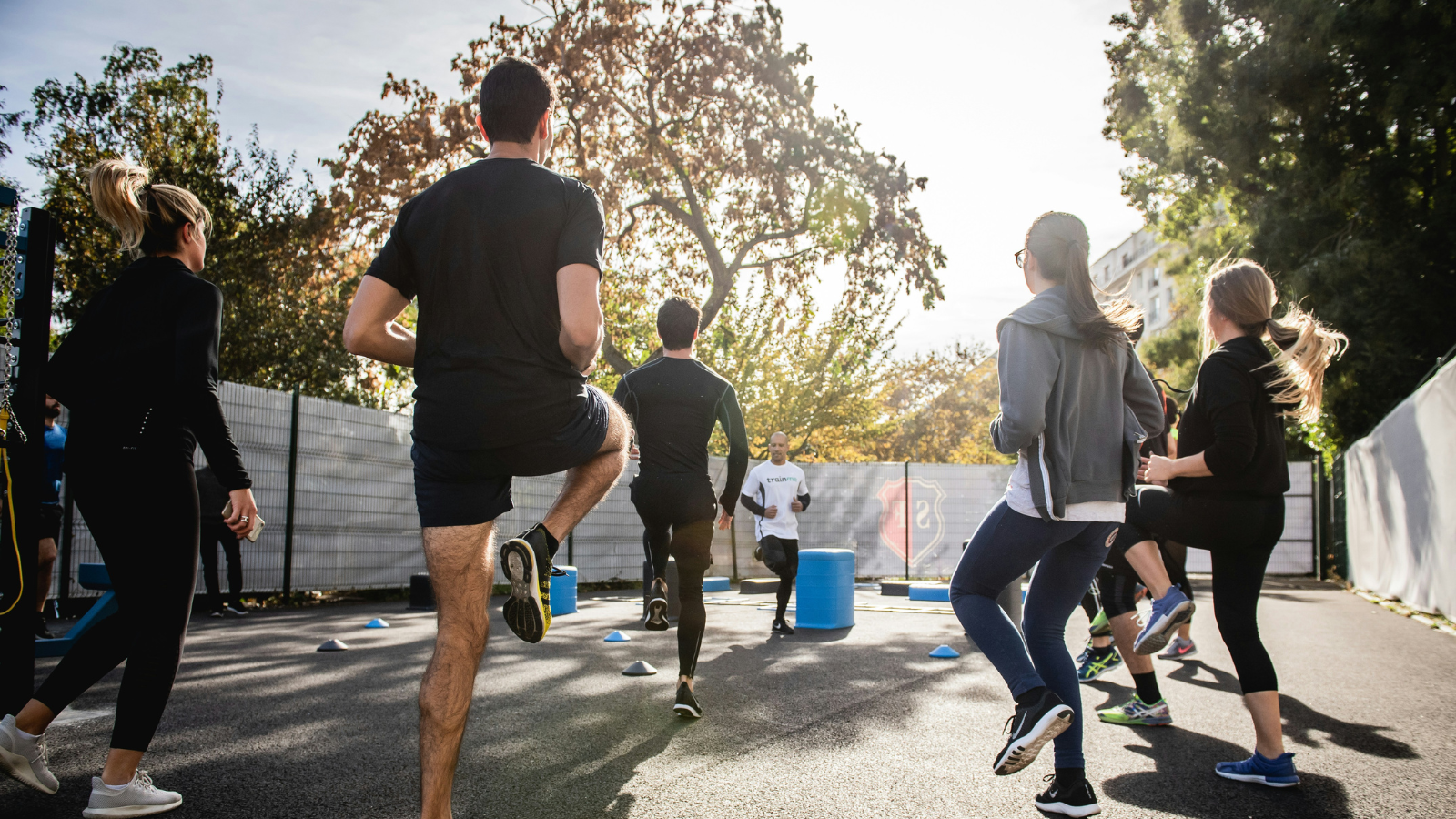
Engaging in recreational sports offers a dynamic and engaging alternative to prolonged gym sessions. Activities like cycling, swimming, badminton, and even casual games of frisbee provide a comprehensive physical workout that simultaneously fosters social interaction and mental engagement.
"Participating in sports, such as biking, swimming, badminton, and frisbee, can be an excellent substitute for spending hours in the gym. They can give your body a great workout," states Lt Pandey. "Also, these are a great way to make physical activity fun that can help people be consistent in exercising." The competitive or collaborative nature of sports injects an element of fun that can significantly boost motivation and adherence. Unlike repetitive gym exercises, sports offer variety, unpredictability, and the added bonus of social connection, all of which contribute to a more sustainable fitness journey.
Swimming, in particular, is lauded as a complete body workout. "Swimming is a full-body activity that makes several muscle groups work and increases the heart rate," explains Dr. Borkar. "Because these activities are often enjoyed as recreational outings, they can help you stay physically active without feeling like a structured exercise routine." Similarly, activities like hiking on inclines or uneven terrain provide a challenging yet enjoyable way to increase calorie expenditure and improve cardiovascular health.
Embracing the Game: The Calorie Burn in Recreational Sports
The appeal of recreational sports lies in their ability to seamlessly blend continuous movement with short, intense bursts of activity. This dynamic nature makes them incredibly effective for calorie burning without the need for counting repetitions or sets, which can often feel tedious.
"Sports like badminton, football, pickleball or basketball naturally combine continuous movement with short bursts of intensity, making them an effective way to stay active without counting reps or sets," suggests Lt Pandey. Deepti Sharma, a renowned fitness expert and Director of MultiFit, echoes this sentiment, stating, "Training is important, but movement doesn’t always need to feel like a workout. By bringing dance, sports, social events and new fitness experiences into our community, we can keep things fresh and stay active without getting bored of the process." This approach fosters a long-term commitment to an active lifestyle by ensuring that physical activity remains a source of enjoyment and social connection, rather than a monotonous obligation.
The Science of Everyday Movement: Understanding NEAT
Beyond structured exercise and organized sports, a significant portion of daily calorie expenditure comes from what is known as Non-Exercise Activity Thermogenesis (NEAT). This encompasses all the energy your body expends through everyday movements that are not classified as sleeping, eating, or deliberate exercise.
Dr. Shantanu Kumar De, In-Charge Physiotherapy at Narayana Hospital, Howrah, elaborates on the concept: "NEAT refers to the energy your body burns through everyday movement – walking, fidgeting, standing, taking the stairs, doing chores – essentially everything that isn’t sleeping, eating, or a structured workout. It sounds minor, but the numbers tell a different story."
While individual NEAT activities might seem insignificant, their cumulative effect throughout the day can be substantial. Simple actions like choosing to walk instead of drive short distances, opting for the stairs over an elevator, pacing while on a phone call, or even engaging in household chores contribute to overall calorie expenditure.

"NEAT also acts as a natural buffer against weight gain during periods of overeating, and consistent low-level movement throughout the day supports better insulin sensitivity and steadier blood sugar," Dr. De adds. This highlights NEAT’s crucial role not just in weight management but also in metabolic health. By increasing overall daily movement, individuals can positively influence their body’s ability to regulate blood sugar and manage weight more effectively, even without dedicating specific time to formal workouts.
Integrating Joyful Movement into Daily Life: Practical Strategies
The overarching message from fitness experts is clear: making movement a joyful and integral part of one’s life is paramount for sustainable health and fitness. This involves a conscious effort to identify and incorporate activities that align with personal preferences and lifestyles.
Key strategies include:
- Embrace the Stairs: Whenever possible, choose stairs over elevators or escalators. This simple act provides a quick, effective leg workout and increases heart rate.
- Active Commuting: For shorter distances, consider walking or cycling to your destination. This not only burns calories but also reduces environmental impact.
- Desk Breaks and Movement: If you have a sedentary job, schedule regular short breaks to stand, stretch, or walk around. Even a few minutes of movement every hour can make a difference.
- Active Phone Calls: Instead of sitting while talking on the phone, stand up and pace. This adds extra steps and movement to your day.
- Household Chores as Exercise: View household tasks like vacuuming, gardening, or cleaning as opportunities for physical activity. These activities engage various muscle groups and contribute to calorie expenditure.
- Social Movement: Organize walking groups with friends, participate in community sports leagues, or plan active outings like hikes or bike rides.
- Dance Breaks: Put on your favorite music and dance for 20-30 minutes. It’s a fantastic way to boost your mood and burn calories simultaneously.
- Explore New Activities: Try different recreational sports or fitness classes to discover what you enjoy most. This variety can prevent boredom and keep your fitness routine engaging.
The Importance of a Holistic Approach: Diet and Recovery
While increasing daily movement and engaging in enjoyable activities are crucial, experts emphasize that these efforts are most effective when complemented by a balanced diet and adequate recovery periods.
"The objective is not to set a particular target consistently. Activities that can be enjoyable are the most efficient ones to lose weight," advises Lt Pandey. "It’s best to couple that with a proper diet and sufficient recovery periods in order to create a sustainable fitness plan and a healthy lifestyle."
A healthy diet provides the necessary nutrients for energy and muscle repair, while sufficient rest allows the body to recover from physical exertion, preventing injury and burnout. A truly sustainable fitness plan is one that integrates movement, nutrition, and rest in a balanced and harmonious manner.
Conclusion: Redefining Fitness for a Healthier, Happier You
The shift towards embracing everyday movement and joyful activities as cornerstones of fitness represents a more inclusive and sustainable approach to health. By stepping away from the rigid confines of traditional workouts and tapping into the power of NEAT and enjoyable pursuits like dancing and recreational sports, individuals can unlock a more consistent, less daunting, and ultimately more rewarding path to well-being. The future of fitness lies not just in the gym, but in the rhythm of our daily lives, the laughter shared in a game of badminton, and the simple, yet profound, joy of movement.
Disclaimer: This article is based on information from the public domain and/or the experts we spoke to. Always consult your health practitioner before starting any routine.
