

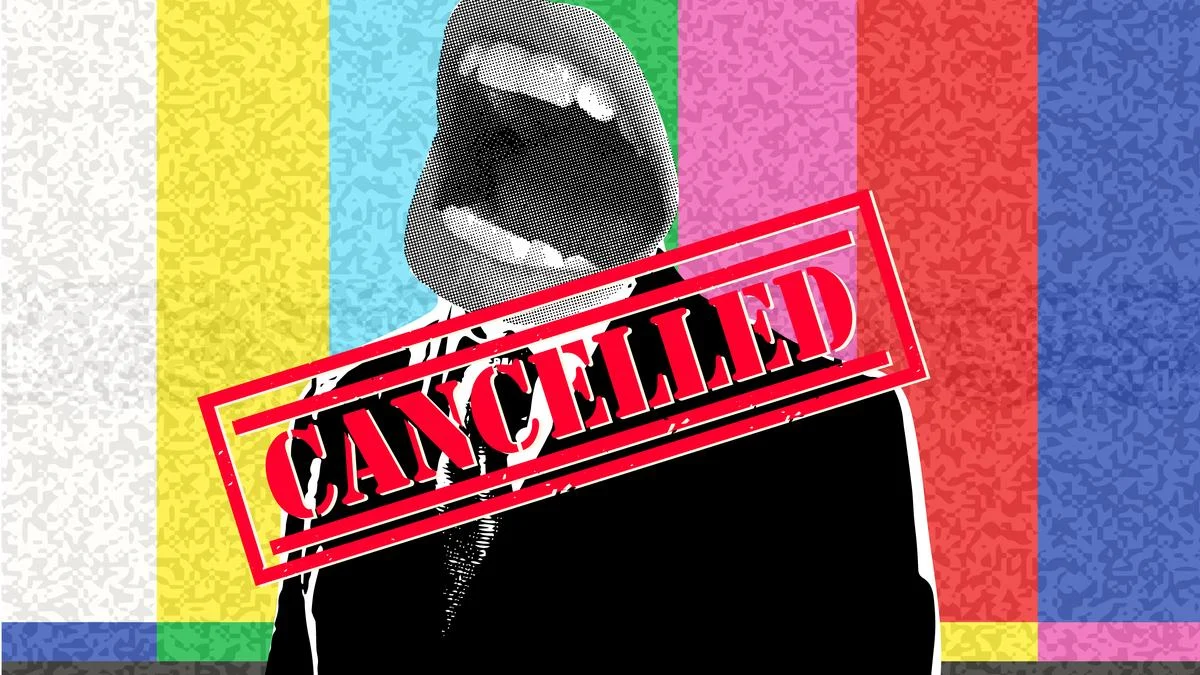
New Delhi, India – September 10, 2026 – A radical proposal to introduce a stringent licensing system for stand-up comedians in India has ignited a firestorm of controversy, pitting proponents who argue for structured regulation against critics who decry it as an infringement on artistic freedom and a bureaucratic overreach. The proposed legislation, tentatively titled the Vidushakon ka Panjikaran, Anugyaapan evam Viniyaman Adhiniyam 2026 (Registration, Licensing and Regulation of Clowns and Jokers Act, 2026), aims to fundamentally reshape the landscape of comedy in a nation where the art form has witnessed a burgeoning, albeit often chaotic, growth.
The impetus behind the proposed law, as articulated in a satirical piece published by a prominent national daily, stems from a perceived lack of formal structure within the stand-up comedy industry. The author, identified as the Social Affairs Editor of The Hindu, paints a picture of an unregulated domain where individuals, driven by a perceived "latent" talent, can effortlessly transition into professional comedians. This contrasts sharply with the author’s assertion that other sectors, such as real estate, healthcare, and even organized crime, are subject to far more rigorous entry barriers and oversight.
The Rationale Behind Regulation: A Call for Order
The core argument presented for a licensing system is the need to filter out "ineligible" individuals at the very outset of their comedic careers. This approach, the proponents suggest, is analogous to established regulatory frameworks in other professions. The satire draws parallels to the requirements for becoming a builder or a doctor, implying that comedy, despite its often informal nature, should be subjected to a similar level of scrutiny. The piece humorously posits that just as one cannot become a builder without navigating financial complexities or a doctor without formal medical qualifications (or a convincing alternative), aspiring comedians should undergo a formal evaluation process.
The proposed mechanism involves the establishment of a Central Board of Comedy Certification (CBCC) as the nodal agency responsible for overseeing the licensing process. Aspiring comedians would be required to register online and subsequently undergo a rigorous Stand-Up Entrance Test (SUET), to be administered by the National Testing Agency. Candidates achieving a perfect score of 100/100 in the SUET would then proceed to a multi-ministry approval process, involving the Ministry of Information and Broadcasting, the Ministry of Home Affairs, the Commerce Ministry, the Ministry of Water Resources, the Ministry of Cooperation, and, rather pointedly, the "Ministry of Non-cooperation."
Successful candidates would be issued a Unique Stand-Up Performance Identification number (USTUPID), which would grant them the freedom to perform across India and internationally without the need for recurrent state-level permissions or police clearances. However, even with this identification, the proposed regulations stipulate a series of stringent post-licensing requirements. USTUPID holders would be mandated to deposit their passports and driving licenses at the local police station before each performance. For international performances, passports and luggage would need to be lodged with the nearest Indian embassy. Furthermore, all compensation for comedic work would be restricted to a designated bank account at a specific branch of the State Bank of India.
A Chronology of Proposed Bureaucracy
The proposed legislation, if enacted, would usher in a new era of bureaucratic engagement for comedians. The timeline of events for an aspiring comedian under the proposed Vidushakon ka Panjikaran, Anugyaapan evam Viniyaman Adhiniyam 2026 would unfold as follows:
- Application and Registration: Initial online application and registration with the CBCC.
- Stand-Up Entrance Test (SUET): Candidates must clear the SUET, a standardized examination.
- Application for Stand-Up License: Successful SUET candidates submit a fresh application with supporting documents.
- Inter-Ministerial Scrutiny: The application undergoes a rigorous review process involving multiple government ministries.
- PMO Clearance: Final approval is sought from the Prime Minister’s Office (PMO).
- Issuance of USTUPID: Upon successful clearance, comedians receive a Unique Stand-Up Performance Identification number.
- Pre-Performance Protocol: Deposit of passports and driving licenses with local police (or at Indian embassies for international shows).
- Financial Regulations: Compensation channeled through a specific bank account.
- Renewable License: The USTUPID would be valid for 48 hours, requiring frequent renewal through the CBCC portal.
- Penalties for Non-Compliance: Failure to renew the USTUPID would result in automatic cancellation and a three-year re-application waiting period. Penalties for performing without a valid USTUPID could include prosecution under stringent laws such as the UAPA (Unlawful Activities Prevention Act), PMLA (Prevention of Money Laundering Act), and, humorously, the "YOLO" (You Only Live Once) act.
The satire concludes by suggesting that such a comprehensive regulatory framework would likely dissuade even the younger generation from pursuing stand-up comedy as a career. The central question posed is whether India possesses the "political will" to implement such a law.
Supporting Data and Context: The Evolving Comedy Landscape
While the proposal is presented satirically, it touches upon a real and evolving aspect of Indian society: the burgeoning stand-up comedy scene. In recent years, stand-up comedy has transitioned from a niche underground activity to a mainstream entertainment form. Numerous open mic nights, comedy clubs, and dedicated festivals have emerged across major cities, providing platforms for both aspiring and established comedians. The rise of streaming platforms has further amplified the reach of Indian comedians, with many gaining significant followings and commercial success.

However, this growth has not been without its challenges. The industry, largely informal, often grapples with issues of content moderation, censorship concerns, and the ever-present threat of backlash from various groups who may find certain jokes offensive. Historically, comedians have faced protests, show cancellations, and even legal action over their performances, often leading to self-censorship or a cautious approach to sensitive topics. This backdrop provides a fertile ground for discussions, however satirical, about the need for a more structured environment.
The satire’s comparison to other regulated industries is particularly striking. Real estate, for instance, is governed by the Real Estate (Regulation and Development) Act (RERA), which aims to protect homebuyers and ensure transparency. The medical profession requires rigorous academic qualifications and licensing. Even the informal sector often operates under various local municipal bylaws and regulations. The argument, in essence, is that comedy, as a public-facing art form that can influence public discourse, should not be an exception to the rule of regulation, albeit the proposed scale of regulation is exaggerated for comedic effect.
Official Responses: Silence Amidst the Satire
As of the publication of this report, there have been no official statements or confirmations from any government ministry regarding the proposed Vidushakon ka Panjikaran, Anugyaapan evam Viniyaman Adhiniyam 2026. The satirical nature of the article suggests it is intended to provoke thought and discussion rather than represent an actual legislative proposal in its current form.
However, the underlying themes of bureaucratic complexity, the challenges of regulating creative expression, and the perceived lack of structured career paths for youth in India are subjects that frequently engage public discourse and policy debates. The absence of an immediate official response could be attributed to the article’s satirical tone, or it could indicate that such a proposal is not on the immediate legislative agenda. Nonetheless, the vivid depiction of the proposed bureaucratic labyrinth has undoubtedly captured the attention of the public and the comedy fraternity.
Implications and Future Outlook: Freedom vs. Order
The implications of a genuine implementation of such a licensing system, even in a less draconian form, would be far-reaching.
- Artistic Freedom: Critics would argue that a licensing system, particularly one involving extensive vetting and tests, would stifle creativity, encourage self-censorship, and limit the diversity of comedic voices. The very essence of stand-up comedy often lies in its ability to push boundaries and challenge norms, which could be severely curtailed by a rigid regulatory framework.
- Bureaucratic Burden: The proposed multi-ministry approval and the frequent renewal of licenses would create an immense administrative burden, potentially leading to significant delays and corruption. The satire’s inclusion of a "Ministry of Non-cooperation" highlights the potential for bureaucratic paralysis.
- Economic Impact: While the satire suggests the system would deter comedians, a poorly implemented licensing process could also create barriers for genuine talent, potentially hindering the growth of the comedy industry and impacting the livelihoods of comedians and associated professionals.
- Defining "Comedy": A significant challenge would be defining what constitutes "stand-up comedy" for the purposes of licensing. Would it extend to observational humor, political satire, or even casual jokes shared online? The ambiguity could lead to arbitrary enforcement.
Conversely, proponents, if the satire reflects a genuine sentiment, might argue that a regulated environment could lead to a more professional and ethical stand-up comedy scene. It could potentially weed out unprofessional conduct, ensure a baseline level of quality, and provide a clearer path for aspiring artists. The idea of preventing "ineligible" individuals from entering the field, while presented satirically, hints at a desire for a more structured and perhaps less chaotic industry.
The debate sparked by this satirical piece underscores the complex relationship between artistic expression and societal norms in India. While the proposed licensing system, in its exaggerated form, is unlikely to be enacted, it serves as a potent commentary on the challenges of regulating a dynamic and evolving art form in a country grappling with diverse opinions and sensitivities. The future of stand-up comedy in India will likely continue to be shaped by ongoing dialogues between artistic freedom, public sentiment, and the ever-present, sometimes bewildering, apparatus of governance.
