

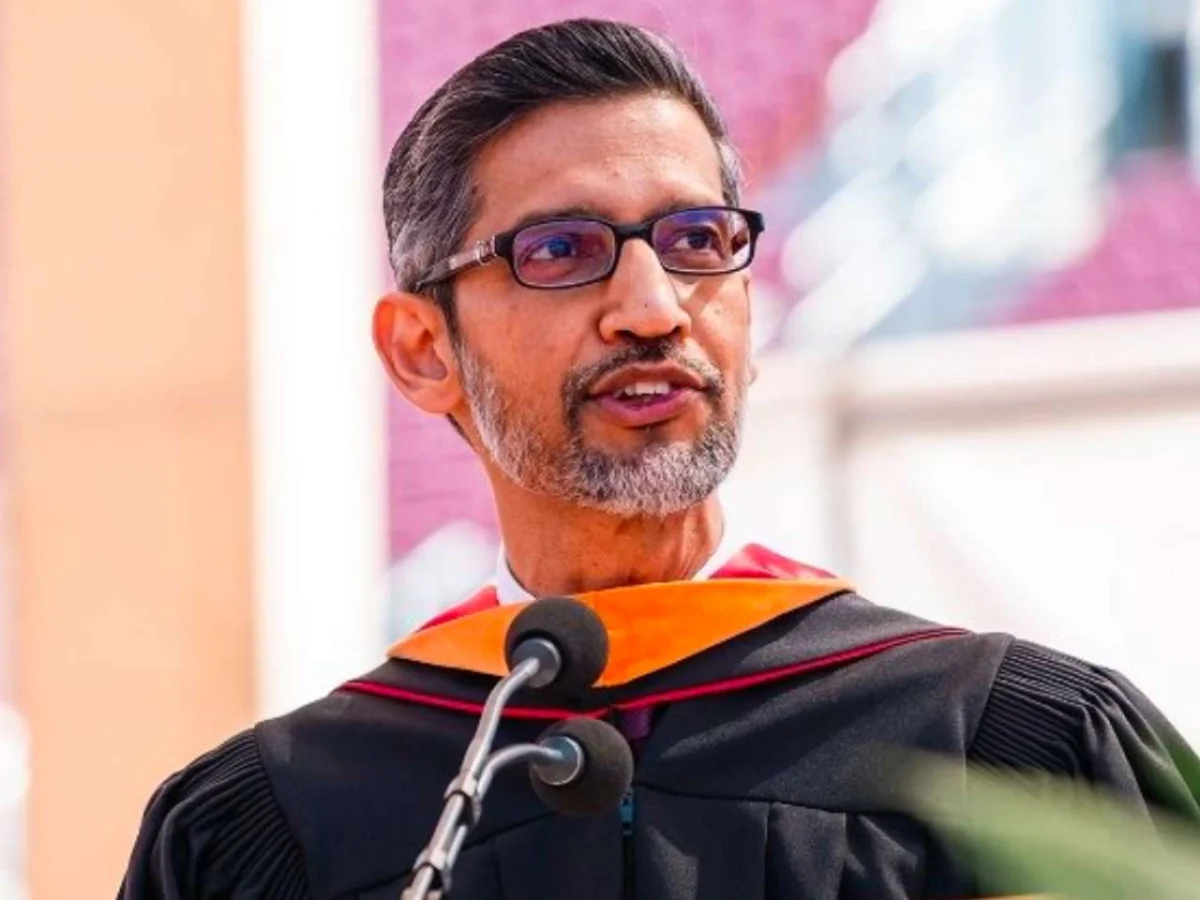
Stanford, California – June 15, 2026 – A highly anticipated graduation ceremony at Stanford University took an unexpected and politically charged turn today as a group of students staged a dramatic walkout during Google CEO Sundar Pichai’s keynote address. The demonstration, which saw dozens of graduating students silently rise and exit the venue en masse, was a direct protest against Google’s alleged contracts with the Israeli military, the US Department of Homeland Security (DHS), and Immigration and Customs Enforcement (ICE).
The disruption unfolded as Pichai, a distinguished Stanford alumnus and one of the most influential figures in global technology, began to deliver his speech, intended to inspire the graduating class. Instead, the protest highlighted the escalating tensions surrounding the ethical responsibilities of major tech companies and the growing wave of student activism on American campuses. The incident not only cast a shadow over the celebratory atmosphere but also brought to the forefront persistent questions about corporate complicity in state-sponsored violence and surveillance.
A Graduation Ceremony Interrupted: The Core Protest
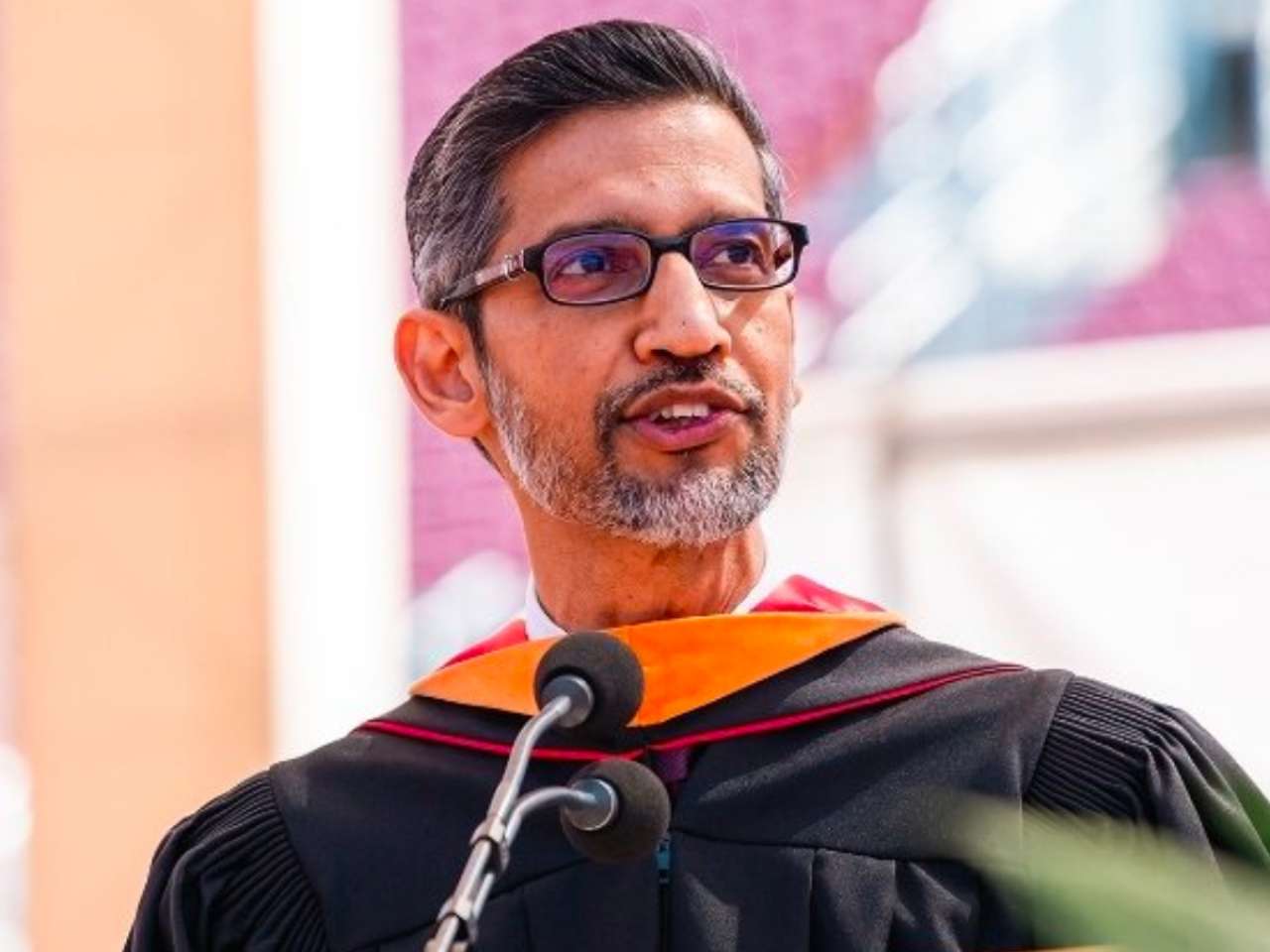
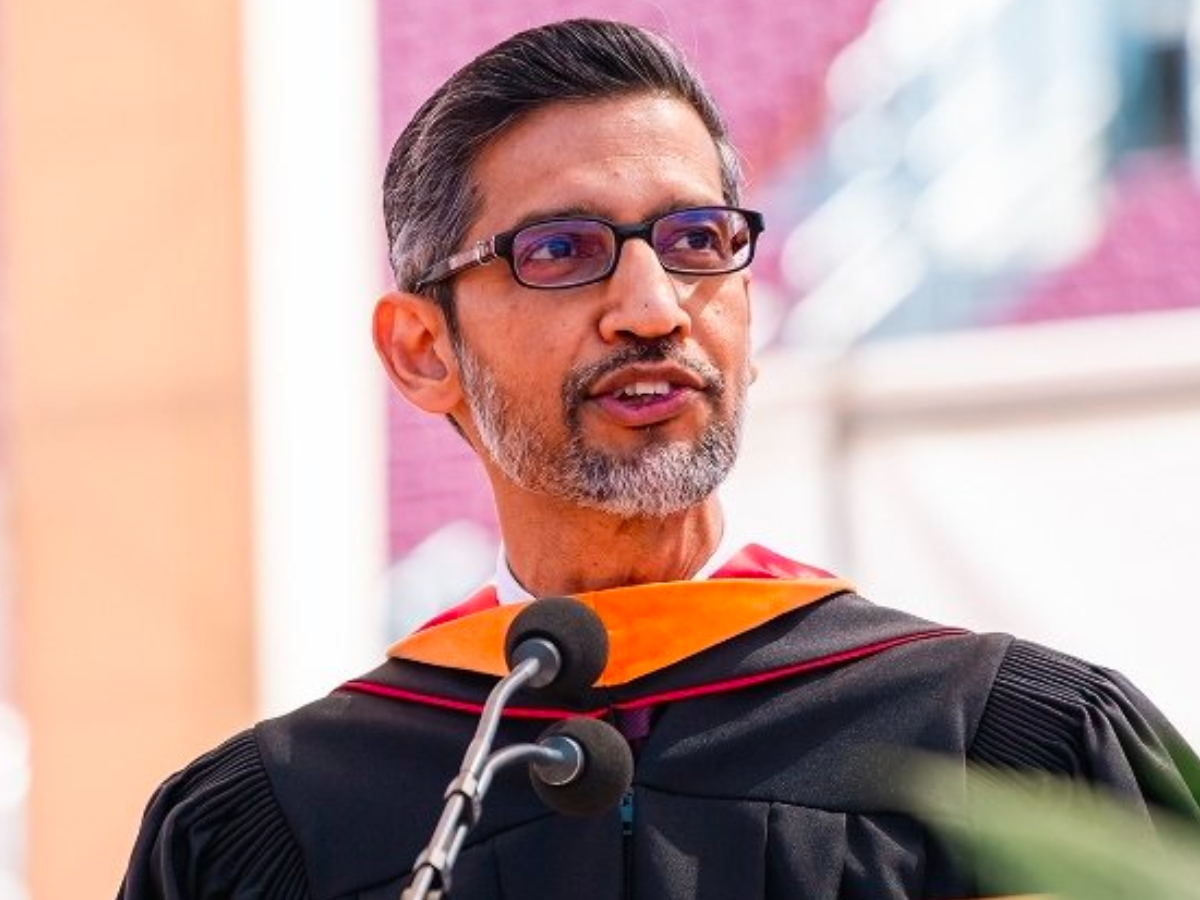
The scene was one of stark contrast: the traditional pomp and circumstance of a university commencement juxtaposed with a clear, silent act of dissent. As Sundar Pichai, clad in academic regalia, took to the podium, a pre-coordinated signal initiated the protest. Graduates, many adorned with their caps and gowns, began to stand in unison, their movements deliberate and synchronized. They did not shout or chant, but rather made their statement through their collective departure, their backs turned to the stage and the Google CEO. The visual impact was immediate and undeniable, drawing gasps and murmurs from the audience, which included faculty, families, and university officials.
The protest was reportedly spearheaded by prominent activist groups, including Students for Justice in Palestine (SJP) and No Tech for Apartheid (NOTA). These organizations have been vocal critics of what they describe as Google’s direct involvement in contracts that enable human rights abuses and contribute to what they term "apartheid" conditions. Online posts, rapidly circulating across social media platforms, confirmed the groups’ involvement and elucidated their specific grievances, primarily focusing on Google’s Project Nimbus contract with the Israeli government and its work with US immigration enforcement agencies.
)
The students’ departure, though silent, resonated loudly, interrupting the flow of the ceremony and underscoring the deep ethical divisions permeating the tech sector and academic institutions. For many onlookers, it was a poignant reminder that even in moments of celebration, the broader societal and political landscape continues to exert its influence, demanding accountability from powerful corporations and their leaders.
The Roots of Discontent: Google’s Controversial Contracts
The student walkout at Stanford is not an isolated incident but rather the latest manifestation of a sustained campaign against Google’s involvement in what activists deem ethically questionable government and defense contracts. The underlying grievances are multifaceted, rooted in concerns over human rights, surveillance, and the perceived complicity of tech giants in oppressive systems.
)
Project Nimbus and the Israeli Military: A Deepening Controversy
At the heart of the protest lies Google’s highly contentious Project Nimbus, a $1.2 billion joint cloud computing and artificial intelligence contract awarded to Google and Amazon Web Services (AWS) by the Israeli government in 2021. Activists, particularly Students for Justice in Palestine and No Tech for Apartheid, argue that this contract directly facilitates surveillance and data collection capabilities for the Israeli military and government, potentially contributing to human rights abuses against Palestinians.
Critics contend that Project Nimbus provides advanced AI and machine learning tools that can be utilized for military intelligence, facial recognition, and data analysis in occupied territories, thereby strengthening Israel’s technological infrastructure for control and monitoring. Despite Google’s insistence that the services provided are "general purpose" and available to any customer, activists highlight the inherent dual-use nature of such technology, arguing that even standard cloud services can be weaponized in specific geopolitical contexts. They point to the fact that the contract explicitly prohibits Google from denying service to "specific end-users," including military and security bodies, making it impossible to guarantee that Google’s technology won’t be used in ways that violate human rights. This perceived lack of ethical oversight and the potential for misuse have galvanized significant opposition both internally within Google and externally from activist groups.

US Immigration and Law Enforcement Agencies: The ICE and DHS Connection
Beyond Project Nimbus, Google’s alleged contracts with US Department of Homeland Security (DHS) and Immigration and Customs Enforcement (ICE) also draw significant ire from activist groups. These contracts, often involving cloud services, data analytics, and other technological support, have been criticized for their role in facilitating aggressive immigration enforcement policies, including detentions, deportations, and family separations.
Activists argue that by providing technological infrastructure to agencies like ICE, Google becomes complicit in policies that inflict severe human suffering and violate fundamental human rights. They point to reports and investigations detailing the conditions in detention centers and the impact of ICE operations on vulnerable communities. Organizations like No Tech for Apartheid extend their critique to encompass these domestic contracts, viewing them as part of a broader pattern of tech companies enabling state power that disproportionately harms marginalized populations. The humanitarian concerns surrounding immigration enforcement policies in the US fuel the argument that tech companies should exercise greater ethical discernment in choosing their clients, especially when their technology can be directly linked to policies causing widespread distress.
)
A Pattern of Protest: Previous Activism Against Google
The Stanford walkout is by no means the first instance of significant protest directed at Google over its ethical conduct. The company has a history of facing internal employee activism and external pressure regarding its contracts and corporate policies.
One of the most notable past examples is Project Maven in 2018, where Google had a contract with the US Department of Defense to apply AI to drone footage. Thousands of Google employees signed a petition demanding the company withdraw from the contract, citing ethical concerns about contributing to "the business of war." The widespread internal dissent eventually led Google to announce that it would not renew the contract and would establish a set of AI ethics principles, including a commitment not to build AI for weapons. This victory for employee activists set a precedent and emboldened subsequent movements.
)
More recently, internal Google workers have formed unions and organized around issues ranging from sexual harassment policies to unfair labor practices and, critically, the company’s contracts with government agencies. The "No Tech for Apartheid" campaign itself has roots within Google’s employee base, with workers resigning and publicly condemning Project Nimbus. These ongoing internal struggles demonstrate a persistent tension between Google’s corporate ambitions and the ethical convictions of its workforce and the wider public. The Stanford walkout, therefore, represents a convergence of student activism with these long-standing ethical debates, amplifying the call for greater corporate responsibility from Silicon Valley giants.
Pichai’s Measured Response: A Speech on Optimism, Not Controversy
Amidst the visible protest, Sundar Pichai continued his keynote address, maintaining a remarkably composed demeanor. His choice of speech content, however, was notably devoid of any direct acknowledgement of the walkout or the controversial issues raised by the students. Instead of delving into artificial intelligence, geopolitical tech policies, or the future of Google’s ventures – topics one might expect from a tech titan – Pichai opted for a lighter, more personal and universally optimistic tone.
)
"I know today is about giving you all advice," he began, "But people have also been giving me a lot of advice on what to say. Actually, it’s been the same advice, and it’s about what not to say." This opening line, delivered with a wry smile, could be interpreted in retrospect as a subtle nod to the contentious environment, an implicit acknowledgement of the advice to steer clear of anything controversial. It allowed him to navigate the situation without directly engaging with the protest, thereby preventing the ceremony from devolving into a debate.
He also injected humor, joking, "People thought it would be really difficult for me. It is the last two letters of my last name, after all," in reference to the common difficulty in pronouncing "Pichai." Such lighthearted moments served to ease the tension, or at least to project an image of calm and resilience in the face of disruption.
)
Throughout his speech, Pichai encouraged the graduating class to embrace optimism and maintain an open mind as they embarked on their careers. He shared anecdotes from his early days in California, reflecting on the transformative power of understanding context and perspective. His message emphasized adaptability, curiosity, and the importance of finding purpose, rather than focusing on the cutting-edge technological advancements that define his professional life. This strategic pivot towards personal growth and universal wisdom allowed him to deliver a message that, while perhaps less groundbreaking than some might have anticipated, was ultimately unassailable and broadly appealing, sidestepping the ethical minefield that had just manifested. His approach highlighted a calculated decision to de-escalate and maintain the decorum of the event, focusing on the graduates rather than the protests against his company.
Broader Context: Student Activism and Tech Ethics on Campus
The student walkout at Stanford is deeply embedded within a broader landscape of resurgent student activism across American universities, particularly concerning issues of social justice, geopolitical conflicts, and corporate ethics. This event reflects a growing trend where students are increasingly using their platforms to challenge powerful institutions and hold them accountable.
)
A New Wave of Activism: Geopolitics Meets Corporate Responsibility
In recent years, US campuses have become fertile ground for activism, often fueled by global events and a heightened awareness of corporate responsibility. Students are more connected than ever, with social media facilitating rapid organization and amplification of their voices. The protests are not just about local campus issues but frequently extend to international conflicts, human rights, and the ethical implications of technological advancements. The "No Tech for Apartheid" movement, for instance, draws a direct line between the tech products developed in Silicon Valley and their real-world impact on marginalized communities globally. This generation of students is pushing for a more ethically conscious capitalism, demanding that companies like Google not only innovate but also uphold rigorous moral standards in their operations and client selection. The walkout at Stanford thus serves as a powerful symbol of this new wave, where student voices are demanding that academic institutions and the corporations they engage with align their practices with principles of justice and equity.
Stanford’s Legacy of Dissent: A History of Student Protest
Stanford University, while renowned for its academic rigor and contributions to the tech industry, also has a rich history of student activism. From anti-war protests in the 1960s and 70s to divestment campaigns against apartheid in South Africa in the 80s, and more recent movements for environmental justice and social equity, Stanford students have consistently used their voices to challenge the status quo. This legacy provides a contextual backdrop for the recent walkout, demonstrating that dissent is an integral part of the university’s intellectual and social fabric. Students at Stanford, often at the forefront of technological innovation, are also acutely aware of the ethical dilemmas that accompany such power, making the campus a natural site for protests against tech giants. The institution’s proximity to Silicon Valley further amplifies this dynamic, placing its students in a unique position to scrutinize the very industry many will eventually join.
)
The Ethical Quandaries of Silicon Valley: Power, Influence, and Accountability
The incident at Stanford also underscores the broader ethical quandaries facing Silicon Valley. Tech companies, once celebrated as engines of innovation and progress, are now under intense scrutiny for their immense power, data collection practices, and their increasingly pervasive influence on geopolitics and society. Questions about privacy, data security, algorithmic bias, and the use of technology in surveillance or warfare are no longer confined to academic debates but have become mainstream concerns. CEOs like Sundar Pichai find themselves at the nexus of technological advancement and profound ethical challenges. The expectation from a significant portion of the public, particularly younger generations, is that these companies should not only drive economic growth but also act as responsible global citizens, making decisions that prioritize human rights and societal well-being over pure profit motives. The Stanford walkout serves as a potent reminder that the "move fast and break things" ethos of early Silicon Valley is increasingly being met with demands for "move thoughtfully and build ethically."
Google’s Official Stance and the Corporate Imperative
Google’s official responses to protests concerning its government and defense contracts have consistently walked a fine line, aiming to defend its business practices while acknowledging human rights concerns. The company’s typical defense hinges on several key arguments, which were implicitly challenged by the Stanford walkout.
)
Firstly, Google maintains that its cloud services, including those under Project Nimbus and contracts with DHS/ICE, are "general purpose" and widely available to organizations globally, including governments. They argue that these are standard commercial services, not customized tools for specific military or enforcement operations. This position allows Google to frame its involvement as a neutral technology provider, much like a utility company, rather than an active participant in potentially controversial activities.
Secondly, Google often asserts that it adheres to a robust set of AI Principles, which were developed partly in response to the Project Maven controversy. These principles explicitly state that Google will not design or deploy AI for weapons or technologies whose principal purpose is to cause or directly facilitate injury to people. The company insists that its contracts comply with these principles and that it conducts human rights impact assessments. However, critics argue that the "general purpose" nature of many cloud and AI tools makes it difficult, if not impossible, to ensure they are not ultimately used in ways that violate these very principles, particularly when sold to agencies with broad mandates and opaque operations.
)
Thirdly, Google emphasizes its commitment to serving governments, stating that providing cloud services to public sector clients is a legitimate and important part of its business, enabling digital transformation and efficiency. This argument positions their government contracts as essential for national security and public services.
The tension, however, lies in the perceived gap between these corporate statements and the lived realities of those impacted by the technologies. For activists, the corporate imperative to secure lucrative government contracts often overshadows genuine ethical considerations. The protests, like the one at Stanford, serve to highlight this perceived hypocrisy and demand greater transparency and accountability from Google, pushing them to move beyond general statements to concrete actions that ensure their technology is not used to facilitate human rights abuses. The challenge for Google remains how to reconcile its business ambitions with the ethical demands of its employees, its potential future workforce, and an increasingly vigilant public.
)
The Future Landscape: Implications for Google, Tech, and Talent
The Stanford walkout, while a single event, carries significant implications for Google, the broader technology industry, and the critical pipeline of talent emerging from top universities. It underscores a shift in expectations from both employees and the public regarding the ethical responsibilities of tech giants.
Reputational Damage and Recruitment Challenges: The Talent War
For Google, incidents like the Stanford walkout pose a tangible threat to its reputation and, crucially, its ability to attract and retain top talent. Universities like Stanford are prime recruiting grounds for Google. When graduating students openly protest the company’s practices, it sends a powerful signal to their peers that Google’s ethical standing is questionable. Younger generations, particularly those entering the workforce, are increasingly motivated by purpose and ethical alignment, not just salary and prestige. A company perceived as complicit in human rights abuses or unethical government contracts may find itself struggling to recruit the brightest minds, who might opt for companies with clearer ethical guidelines or even choose to pursue careers outside of traditional tech. This "talent war" is a silent but potent force, as sustained reputational damage can erode a company’s competitive edge in the long run.
)
Escalating Demands for Accountability: Beyond the Boardroom
The protest is also indicative of escalating demands for accountability that extend beyond internal corporate governance. Activists, shareholders, and increasingly, government bodies, are pushing for greater transparency and ethical oversight in the tech sector. This could manifest in more stringent regulatory frameworks, greater public scrutiny of government contracts involving tech, and even legal challenges based on human rights grounds. Google and its peers may face pressure to implement more robust ethical review processes, potentially leading to a more cautious approach to certain types of contracts or a willingness to divest from controversial projects. The era of unchecked technological expansion is giving way to one where ethical considerations are paramount.
The Evolving Role of Tech CEOs: Navigating Complex Terrain
For tech leaders like Sundar Pichai, the landscape is becoming increasingly complex. Beyond steering technological innovation and financial performance, CEOs are now expected to be moral compasses, navigating intricate geopolitical and social issues. Pichai’s carefully crafted speech at Stanford highlights this challenge – the need to maintain composure and convey a message of leadership while simultaneously being confronted by direct ethical challenges. The demands on tech CEOs are no longer purely technical or business-oriented; they are inherently ethical, political, and social. This evolving role requires a delicate balance of corporate strategy, public relations, and genuine ethical leadership, as the public’s tolerance for perceived corporate complicity diminishes.
)
Beyond the Walkout: The AI Revolution and Job Market Anxiety
While the immediate cause of the Stanford walkout was Google’s controversial contracts, the backdrop against which Pichai delivered his speech also included a pervasive anxiety about the future of work in an age of rapidly advancing artificial intelligence. This broader societal concern, though not directly tied to the student protest’s stated goals, adds another layer of pressure and scrutiny on tech leaders.
Pichai, who has been at the helm of Google since 2015 and has consistently described AI as "one of the biggest technological shifts of this generation," finds himself at the epicenter of this transformation. His company is a global leader in AI development, and its advancements profoundly shape the future. However, this leadership comes with significant responsibility and increasing public apprehension.
)
Leaders in the AI space, such as OpenAI’s Sam Altman and Anthropic’s Dario Amodei, have publicly voiced concerns that AI could significantly impact entry-level jobs in the future. Their warnings, often framed within discussions of universal basic income or societal re-training programs, underscore the potential for widespread disruption in the labor market. This narrative creates a climate of uncertainty, with many fearing that AI will lead to job displacement on an unprecedented scale.
Conversely, figures like Nvidia CEO Jensen Huang have pushed back against the notion that AI is solely responsible for layoffs, suggesting that some companies might use AI as a convenient explanation for workforce reductions driven by other factors. Huang’s perspective implies that while AI will undoubtedly reshape industries, its role in job elimination might be overstated or misused as a corporate excuse.
)
Pichai’s own nuanced view on AI has often emphasized its potential for augmentation and creation, rather than just destruction. However, the prevailing public anxiety about AI’s impact on employment adds another dimension to the scrutiny he faces. As Google develops increasingly powerful AI tools, the company is expected not only to ensure ethical deployment but also to address the broader societal implications, including its effect on livelihoods. This complex interplay of technological advancement, ethical responsibility, and economic anxiety forms the challenging environment in which tech leaders like Pichai must operate, making every public statement and corporate decision subject to intense scrutiny from multiple angles.
Conclusion
The student walkout at Sundar Pichai’s Stanford graduation speech was more than a momentary disruption; it was a potent symbol of the intensifying ethical challenges confronting the technology industry. It underscored the growing demand from a new generation of talent for corporate accountability, particularly concerning the involvement of tech giants in sensitive government and defense contracts. The protest brought to the fore deep-seated concerns about Project Nimbus and Google’s partnerships with US immigration enforcement agencies, framing them within a broader narrative of corporate complicity in human rights issues.
)
While Pichai navigated the immediate situation with a strategically light and optimistic speech, the underlying issues persist. The incident serves as a stark reminder that the once-unquestioned trajectory of technological progress is now subject to rigorous ethical scrutiny from campuses to boardrooms. As Google and other tech companies continue to develop transformative technologies like AI, they face an ever-increasing expectation to align their business practices with a robust framework of social responsibility and human rights. The Stanford walkout is a clear signal that the ethical questions surrounding tech are not fading but are, in fact, growing louder, demanding not just innovation, but also integrity and accountability from the leaders who shape our digital future. The dialogue between technological advancement and ethical governance will undoubtedly continue to define the landscape for Silicon Valley and its relationship with the global community for years to come.
