


NEW DELHI, INDIA – In a significant move set to redefine digital identity verification across India, global tech giant Google has officially announced its strategic partnership with the Unique Identification Authority of India (UIDAI). This collaboration enables Google Wallet users in the country to securely store and access their Aadhaar details directly within the application, marking a pivotal moment in India’s ongoing digital transformation journey. The announcement, initially made through a Google blog post, highlights a concerted effort to create a secure, digital version of the Aadhaar identity on smartphones, promising unprecedented convenience and accessibility for millions.
A New Era for Digital Identity in India: Google Wallet Embraces Aadhaar
The integration of Aadhaar into Google Wallet is not merely an addition of a new feature; it represents a fundamental shift in how Indian citizens can interact with their primary identity document. Unlike traditional Aadhaar linking with services such such as PAN cards or bank accounts, this initiative focuses on providing a secure, verifiable digital credential that resides on a user’s smartphone. This allows Google Wallet to act as a secure repository and authentication platform for Aadhaar details, facilitating identity verification in various scenarios.
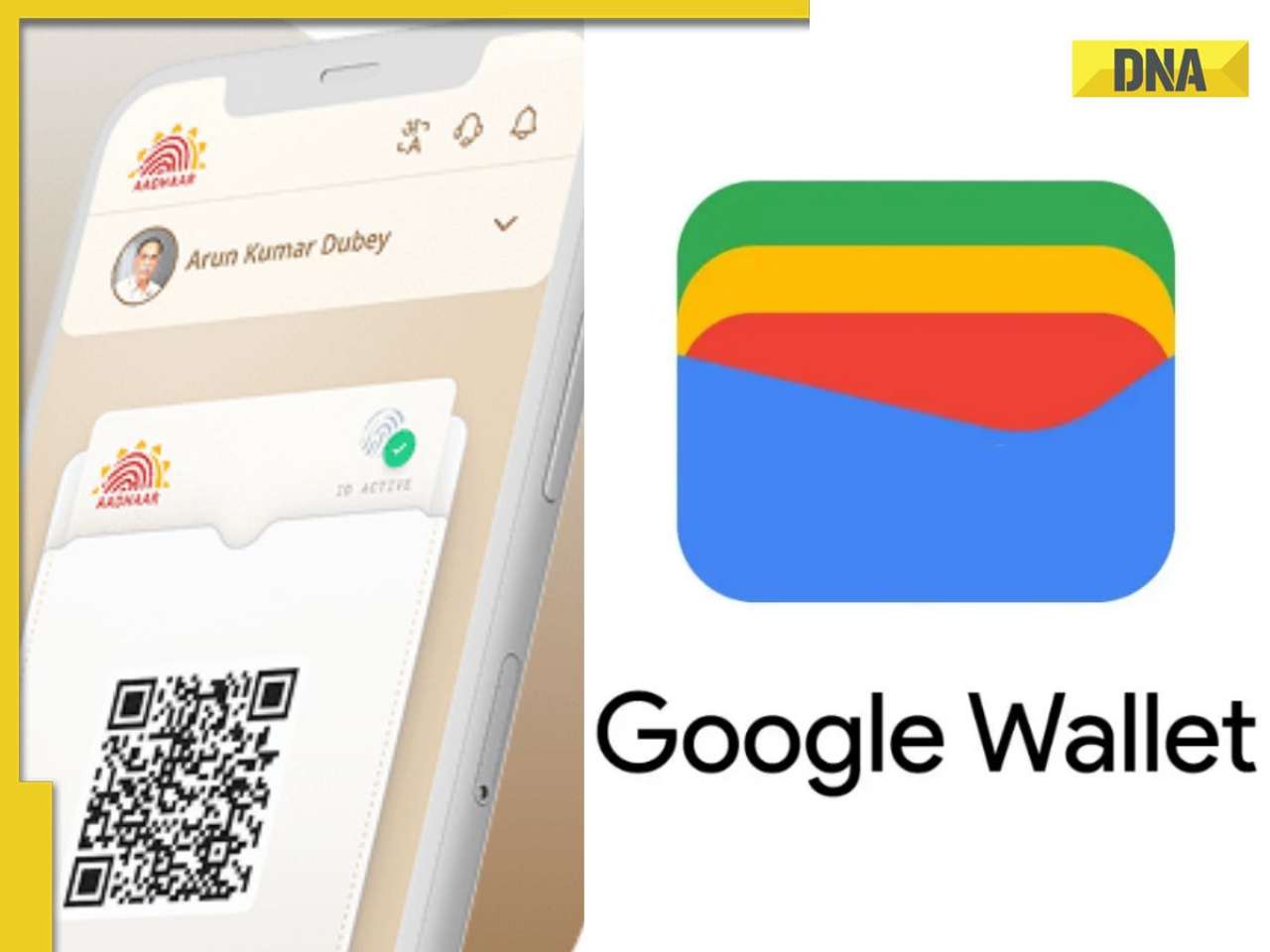
The search giant has confirmed that this new functionality is already aligned with select partners, including major entities like PVR INOX, a leading cinema chain, and BharatMatrimony, a prominent matrimonial service. This initial rollout underscores the practical applications of this integration, aiming to make identity verification smoother and more accessible. Users can now prove their identity without the physical hassle of carrying a card, streamlining processes from movie ticket collection to online service registrations.
The Genesis of the Partnership
This partnership is a natural evolution in India’s quest for a robust digital infrastructure. UIDAI, the statutory authority responsible for issuing Aadhaar, has been at the forefront of promoting digital identity solutions. Google, with its vast user base and technological prowess in digital platforms, offers an ideal vehicle to expand the reach and utility of these solutions. The collaboration leverages UIDAI’s secure Aadhaar Verifiable Credentials (AVCs) protocol, ensuring that the digital Aadhaar stored in Google Wallet maintains the highest standards of security and authenticity. This synergy promises to unlock new possibilities for secure digital interactions.
)
Beyond Physical Cards: What This Means for Users
For the average Indian citizen, the implications are profound. The constant need to carry a physical Aadhaar card, or remember its details, is a common inconvenience. By digitizing this essential document within a widely used app like Google Wallet, users gain a seamless, always-available identity solution. Whether it’s for age verification, confirming identity for app-based services, or filling out various forms, the digital Aadhaar in Google Wallet is poised to simplify numerous daily interactions. This move is particularly beneficial in a nation where smartphone penetration is rapidly increasing, making digital access a cornerstone of modern life.
Understanding Aadhaar and its Digital Journey
Aadhaar, meaning ‘foundation’ in Hindi, is a 12-digit unique identification number issued by the UIDAI on behalf of the Government of India. Launched in 2009, its primary objective was to provide a unique identity to every resident of India, enabling efficient delivery of subsidies, benefits, and services. Over the years, Aadhaar has become an integral part of India’s administrative and financial ecosystem, linking to everything from bank accounts and mobile connections to public distribution systems and tax filings. With over 1.3 billion Aadhaar numbers issued, it stands as the world’s largest biometric ID system.

Aadhaar’s Foundation: A Unique Identification System
The journey of Aadhaar has been marked by both immense success and significant debate, particularly concerning privacy and data security. However, its utility in streamlining governance and reducing corruption has been undeniable. The system relies on demographic and biometric data (fingerprints, iris scans, and facial photographs) to ensure uniqueness, making it a robust identifier. Its widespread adoption has paved the way for numerous digital initiatives under the "Digital India" banner.
The Evolution of Digital Verification: From Physical to Verifiable Credentials
Recognizing the need for a more secure and versatile digital form of Aadhaar, UIDAI has been proactive in developing advanced verification mechanisms. The introduction of Aadhaar Verifiable Credentials (AVCs) a few months ago was a crucial step in this direction. AVCs offer an offline-verification protocol, allowing individuals to share their Aadhaar details digitally in a privacy-preserving manner, without needing to expose their full Aadhaar number or rely on real-time online authentication every time. This framework is what underpins the Google Wallet integration, ensuring that data is securely stored and verifiable even without an internet connection. Other initiatives like DigiLocker, a cloud-based platform for issuance and verification of documents and certificates, and the mAadhaar app, which provides a digital version of Aadhaar directly from UIDAI, have also contributed significantly to the digital identity ecosystem.
)
Google Wallet’s Global Ambitions and Indian Focus
Google Wallet, formerly Google Pay in some regions, has been evolving into a comprehensive digital wallet solution beyond just payments. Globally, it aims to consolidate various digital cards – from payment cards and transit passes to loyalty cards and even digital IDs in some jurisdictions (like select US states for driver’s licenses). India, with its massive digital consumer base and government’s strong push for digitalization, presents a fertile ground for such innovations. Google’s strategic focus on India is evident in its continuous efforts to tailor its products and services to the local context, and the Aadhaar integration is a prime example of this commitment. By bringing Aadhaar into Google Wallet, Google is not only enhancing the utility of its app but also aligning itself closely with India’s national digital agenda.
How to Add Your Aadhaar to Google Wallet: A Step-by-Step Guide
The process of adding Aadhaar details to Google Wallet has been designed for simplicity and security, leveraging the established Aadhaar ecosystem. Users have multiple pathways to digitize their Aadhaar, ensuring broad accessibility.
)
Updating Google Wallet
The first prerequisite is to ensure your Google Wallet application is updated to its latest version. This update will contain the necessary features and security protocols for Aadhaar integration.
Direct from the Wallet App
- Open the Google Wallet app.
- Tap the ‘+’ or ‘Add to wallet’ button. This icon is typically located prominently on the app’s interface.
- Choose the option to add an ID card or specifically select ‘Aadhaar card’.
- Enter your 12-digit Aadhaar card number.
- Receive and enter the One-Time-Password (OTP). An OTP will be sent to the mobile number registered with your Aadhaar. This step is crucial for secure authentication.
- Confirm and add your Aadhaar "verifiable credential" to your wallet.
Via the Official Aadhaar App
For users who prefer to initiate the process from the official UIDAI application, the steps are equally straightforward:
)
- Open the official Aadhaar app (mAadhaar).
- Sign in and verify your identity within the mAadhaar app.
- Tap ‘Add to Wallet’ and then select ‘Google Wallet’.
- Tap ‘Continue’ to proceed.
- Follow the on-screen instructions to complete the addition of your Aadhaar to Google Wallet. This will likely involve redirection to the Google Wallet app and final confirmation.
Both methods are designed to ensure that the user retains control over their data and that the process is authenticated through their registered mobile number, adding an essential layer of security.
The Mechanics of Secure Verification: Aadhaar Verifiable Credentials (AVCs)
The underlying technology that makes this integration possible and secure is the Aadhaar Verifiable Credentials (AVCs). This is a sophisticated offline-verification protocol introduced by UIDAI to enable secure, privacy-preserving digital identity verification.
)
Ensuring Data Security and User Control
When a user adds their Aadhaar to Google Wallet, it is stored as a "verifiable credential." This is not a direct copy of the Aadhaar database but a cryptographically secure, digitally signed representation of the user’s identity, issued by UIDAI. Google’s robust security infrastructure, combined with UIDAI’s stringent protocols, ensures that this digital credential is protected against unauthorized access and tampering. Users maintain full control over when and how they share their Aadhaar details, with Google acting as a secure conduit. The system is designed to minimize the sharing of sensitive personal information, only revealing what is strictly necessary for a given verification task.
Offline Verification Capabilities
One of the standout features of AVCs, and consequently the Google Wallet integration, is its capability for offline verification. This means that once the Aadhaar credential is saved on the device, it can be verified by authorized partners even without an active internet connection. This is particularly beneficial in areas with limited connectivity, making digital identity accessible even in remote locations. The offline verification process typically involves scanning a QR code or NFC tap, which then securely transmits the verifiable credential to the verifying entity, which can then cryptographically validate its authenticity against UIDAI’s public keys. This ensures that the digital Aadhaar is as reliable as its physical counterpart, if not more so, due to enhanced security features.
)
Official Voices and Stakeholder Perspectives
The announcement has garnered significant attention, with officials from both Google and UIDAI emphasizing the strategic importance and benefits of this partnership.
Google’s Vision for Seamless Digital Experiences
A Google spokesperson, possibly quoting from their official blog post, might state, "Our partnership with UIDAI is a testament to Google’s commitment to empowering users with secure and convenient digital solutions. Integrating Aadhaar into Google Wallet aligns with our vision of creating a seamless digital ecosystem where essential documents are easily accessible and verifiable. We believe this will significantly enhance the digital lives of millions of Indians, providing a secure platform for identity verification for both online and offline use cases." This highlights Google’s broader strategy to position Wallet as a central hub for various digital credentials.
)
UIDAI’s Commitment to Secure Digital Ecosystems
From UIDAI’s perspective, this collaboration reinforces their dedication to building a secure and robust digital identity framework. An official from UIDAI might comment, "This collaboration with Google marks another milestone in strengthening India’s digital infrastructure. By leveraging Aadhaar Verifiable Credentials, we are ensuring that citizens can carry their Aadhaar securely on their smartphones, maintaining the highest standards of privacy and data protection. This move will further accelerate the adoption of digital identity services, making verification processes more efficient and user-friendly, and contributing significantly to the ‘Digital India’ initiative." This emphasizes the authority’s focus on security, convenience, and national digital goals.
Reactions from Privacy Advocates and Cybersecurity Experts
While the convenience factor is widely acknowledged, the integration has also sparked discussions among privacy advocates and cybersecurity experts. Many appreciate the use of AVCs, which are designed to be privacy-preserving by limiting the exposure of full Aadhaar details. However, concerns often revolve around the potential for data aggregation by large tech companies, even if the data itself is securely stored.
)
A privacy advocate might caution, "While the technical implementation of verifiable credentials is a step forward for privacy, it is crucial that Google maintains absolute transparency regarding data handling, access controls, and user consent mechanisms. The trust placed in such platforms must be continually earned through robust security practices and clear privacy policies."
Conversely, a cybersecurity expert might note, "The use of strong cryptographic protocols for Aadhaar Verifiable Credentials significantly mitigates risks associated with traditional data sharing. The emphasis on offline verification also reduces reliance on potentially vulnerable online systems. However, continuous auditing and vigilance against sophisticated cyber threats will be paramount to maintaining the integrity of this system." These perspectives underscore the ongoing need for robust security measures and clear communication to build and maintain user trust.
)
Far-Reaching Implications for India’s Digital Landscape
The integration of Aadhaar into Google Wallet is poised to have multi-faceted implications across various sectors in India, accelerating the nation’s digital journey.
Enhanced User Convenience and Accessibility
For the average citizen, the most immediate benefit is unparalleled convenience. The physical Aadhaar card, susceptible to damage or loss, will no longer be an absolute necessity. Instead, their smartphone, an increasingly ubiquitous device, becomes the repository of their primary identity. This boosts accessibility, particularly for younger generations and tech-savvy individuals, making government services, commercial transactions, and identity verification processes significantly faster and less cumbersome. It also reduces the friction associated with identity checks, allowing for smoother onboarding for new services.
)
Streamlining Business Operations and KYC Processes
Businesses, particularly those in finance, hospitality, travel, and e-commerce, stand to gain immensely. Know Your Customer (KYC) processes, often a time-consuming and paper-intensive endeavor, can be significantly streamlined. Instead of collecting physical copies or relying on less secure digital scans, businesses can quickly verify customer identities through Google Wallet’s secure Aadhaar integration. This can lead to faster customer onboarding, reduced operational costs, and improved customer experience. The initial partnerships with PVR INOX and BharatMatrimony serve as early indicators of the diverse applications this integration can unlock across industries.
A Catalyst for India’s Digital Transformation
This development is a significant boost to the "Digital India" initiative, a flagship program by the Indian government aimed at transforming the country into a digitally empowered society and knowledge economy. By fostering deeper integration of digital identity with everyday digital tools, it encourages greater digital literacy and adoption of online services. It reinforces the idea of a paperless, cashless, and faceless administration, making governance more efficient and transparent. The synergy between a government-backed identity system and a global tech platform creates a powerful engine for digital inclusion, extending the benefits of digitalization to a broader segment of the population.
)
Addressing Privacy and Security Paradigms
While convenience is a major draw, the privacy and security implications are paramount. The use of Aadhaar Verifiable Credentials (AVCs) is critical here. AVCs are designed with privacy by design principles, meaning that only essential information is shared during verification, and full Aadhaar numbers are not routinely exposed. Google’s role as a platform means it must adhere to stringent data protection standards, both its own and those mandated by Indian law. The success of this integration will heavily depend on continuous assurance to users that their sensitive data is protected against breaches, misuse, and unauthorized access. User education on how to manage their digital Aadhaar and consent settings within Google Wallet will also be crucial.
The Road Ahead: Potential and Challenges
Looking forward, the potential for this integration is vast. One can envision a future where digital Aadhaar in Google Wallet facilitates a multitude of interactions: checking into hotels, renting vehicles, accessing healthcare services, or even voting in local elections. The expansion of partner ecosystems will be a key factor in realizing this potential.
)
However, challenges remain. Ensuring equitable access for those without smartphones or consistent internet connectivity is an ongoing concern. The digital divide, while shrinking, still exists. Furthermore, continuous monitoring for cybersecurity threats, evolving regulatory frameworks, and addressing public concerns about data privacy will require ongoing collaboration between Google, UIDAI, and other stakeholders. Building and maintaining public trust will be the ultimate determinant of this initiative’s long-term success.
Conclusion: A Leap Towards a Connected Future
The partnership between Google and UIDAI to bring Aadhaar to Google Wallet represents a monumental leap in India’s digital identity landscape. It combines the power of a universal identification system with the ubiquity and convenience of a global tech platform, promising a future where identity verification is seamless, secure, and accessible to all. As this integration rolls out and evolves, it is poised to become a cornerstone of India’s digital economy, driving greater efficiency, enhancing user experience, and reinforcing the nation’s position at the forefront of digital innovation. The journey towards a truly connected and digitally empowered India continues, with this development marking a significant stride forward.
)
Find your daily dose of All Latest News including Sports News, Entertainment News, Lifestyle News, explainers & more. Stay updated, Stay informed- Follow DNA on WhatsApp.
