

BUSINESS
New Delhi, India – June 27, 2026 – India’s precious metals markets are abuzz today as gold and silver prices continue their upward trajectory, reflecting a complex interplay of global economic shifts, robust local demand, and fluctuating currency valuations. As of June 27, 2026, both gold and silver have registered notable price points, with gold experiencing a slight but significant increase driven by persistent inflationary pressures and a global flight to safety. This detailed analysis explores the current market landscape, historical trends, underlying economic drivers, expert insights, and the far-reaching implications for consumers, investors, and the broader Indian economy.
Current Market Snapshot: Gold and Silver on June 27, 2026
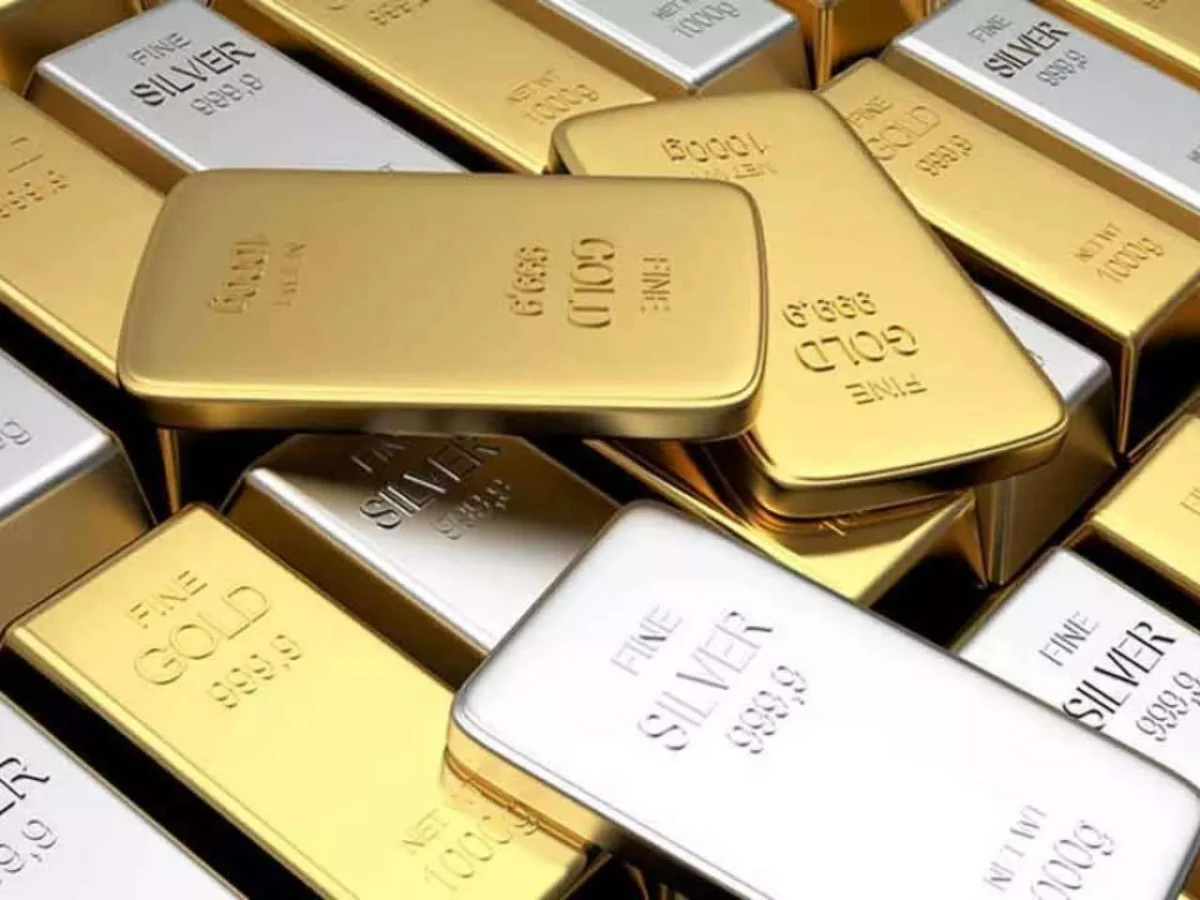
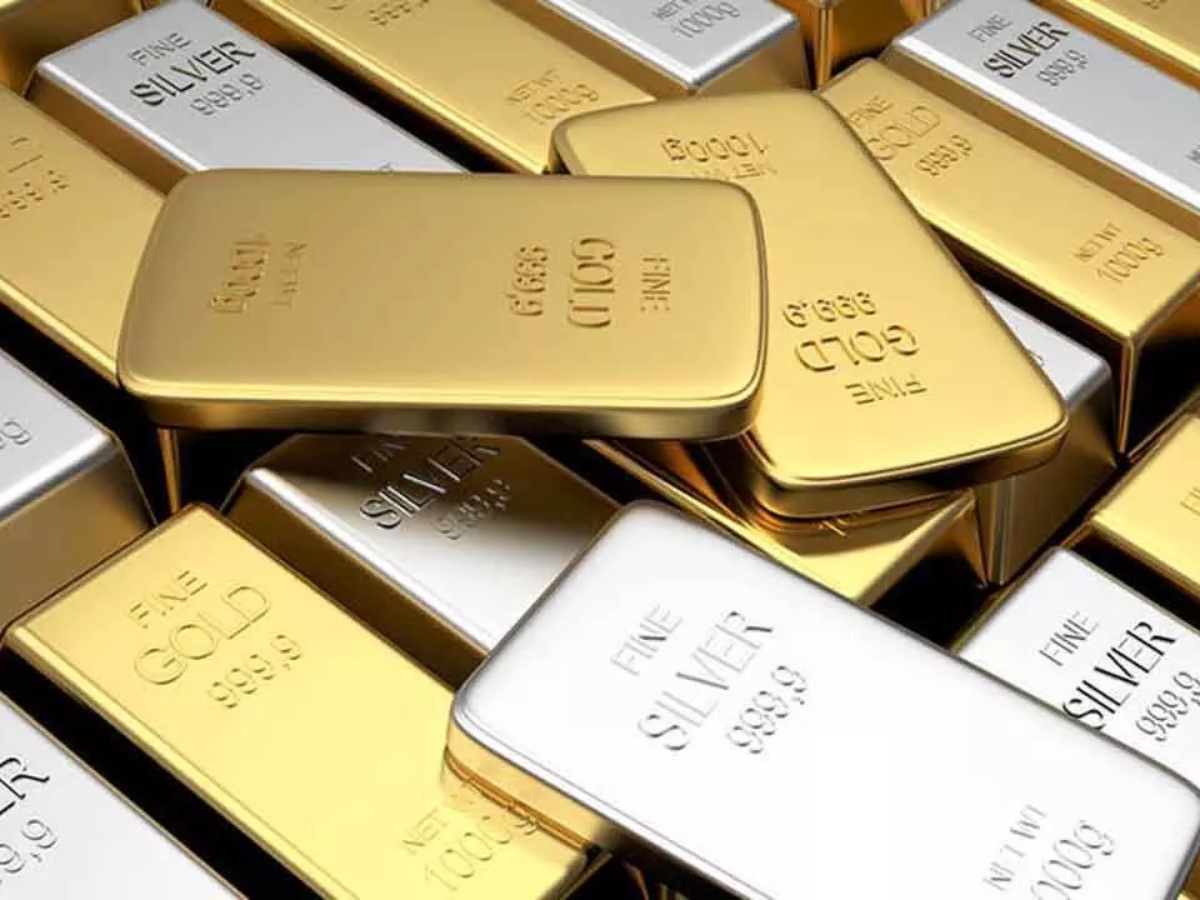
The bullion market in India is a dynamic arena, constantly recalibrating to international cues and domestic sentiments. Today, the benchmark price for 24-carat gold (999 purity) stands at an average of Rs 14,276 per gram, while 22-carat gold (91.67% purity), commonly used in jewellery, is priced at Rs 13,390 per gram. Silver, often considered the poor man’s gold but with increasing industrial significance, is trading at approximately Rs 2,40,100 per kilogram for 999 purity, and Rs 2,40,000 per kilogram for Silver 925 (sterling silver). These figures underscore the continued appeal and intrinsic value of these metals within the Indian financial and cultural fabric.
The current pricing reflects a market grappling with several macro-economic forces. Global market trends, particularly the performance of major economies and geopolitical stability, exert significant influence. Domestically, India’s insatiable appetite for gold and silver, especially in anticipation of festive and wedding seasons, provides a strong demand floor. Furthermore, the volatility of the Indian Rupee against the US Dollar plays a pivotal role, as most international commodity transactions are dollar-denominated.
Understanding Gold Purity: 24K vs. 22K
For the uninitiated, understanding gold purity is crucial. 24K gold, also known as 999 pure gold, signifies 99.9% pure gold with negligible impurities. This form is primarily preferred for investment purposes, such as gold bars, coins, and digital gold, due to its unadulterated nature. Its malleability makes it unsuitable for intricate jewellery designs without being alloyed.
In contrast, 22K gold contains 91.67% pure gold, with the remaining 8.33% comprising other metals like copper, silver, or zinc. This alloying process enhances the metal’s durability, making it ideal for crafting the intricate and robust jewellery pieces that are immensely popular in India. The slight difference in purity accounts for the price variation between 24K and 22K gold, as seen in today’s rates.
)
Silver Purity: 999 vs. 925
Similar to gold, silver also comes in various purities. 999 pure silver refers to 99.9% pure silver, predominantly used for investment-grade coins, bars, and industrial applications where high purity is critical. Silver 925, or sterling silver, contains 92.5% pure silver and 7.5% other metals, usually copper. This alloy is significantly more durable and less prone to tarnishing than pure silver, making it the standard for most silver jewellery, silverware, and decorative items. The higher proportion of base metals in 925 silver explains its slightly lower price point compared to 999 pure silver.
Chronology of Price Movements: A Trajectory Towards Current Levels
The current prices of gold and silver on June 27, 2026, are not isolated figures but rather the culmination of a series of events and trends that have shaped the precious metals market over the past several months and even years.
The Backdrop of Global Instability (2024-2025)
The period leading up to mid-2026 has been characterized by persistent global economic uncertainties. Geopolitical tensions in various regions, including prolonged conflicts and trade disputes, have consistently fueled safe-haven demand for gold. Investors, seeking refuge from market volatility and currency depreciation, have increasingly turned to gold as a store of value.

Throughout 2024 and 2025, major central banks, particularly the U.S. Federal Reserve, grappled with inflation. Initial aggressive interest rate hikes aimed at taming inflation eventually gave way to a more cautious approach as economic growth showed signs of slowing. This shift in monetary policy outlook often impacts gold prices; lower interest rates typically make non-yielding assets like gold more attractive. However, persistent core inflation kept real interest rates suppressed, maintaining gold’s appeal as an inflation hedge.
Domestic Dynamics and Rupee Volatility
On the domestic front, the Indian economy experienced periods of robust growth interspersed with inflationary pressures. The Indian Rupee witnessed significant fluctuations against the US Dollar. A weakening Rupee made imported gold more expensive in local currency terms, contributing to higher domestic prices even if international dollar-denominated prices remained stable or only slightly increased.
Furthermore, India’s cultural affinity for gold remained unwavering. Despite price increases, demand for gold during key festivals like Diwali, Akshaya Tritiya, and the perennial wedding season consistently provided strong support to the market. This structural demand often acts as a floor, preventing sharp corrections even during global downturns.
)
Year-to-Date Performance (2026)
Entering 2026, the upward momentum for precious metals continued. Gold started the year on a strong note, building on the gains of the previous year. The slight increase observed today, June 27, 2026, can be attributed to renewed concerns over global economic growth following recent economic data releases from major economies, coupled with fresh inflationary signals. This has prompted renewed buying interest from institutional investors and speculative traders alike, pushing prices higher. Silver, often tracking gold’s movement but also driven by its significant industrial applications, has similarly maintained a high valuation, supported by robust demand from sectors like solar energy and electronics manufacturing.
Supporting Data: A Detailed Breakdown of Prices and Influencing Factors
The granular details of today’s prices and the underlying factors provide a comprehensive picture of the market.
Gold Prices on June 27, 2026: City-Wise Rates
As reported by Good Returns, the city-wise gold rates illustrate regional variations influenced by local taxes, transportation costs, and specific market dynamics.
)
National Average (Approximate):
- 24K Gold (999 purity): Rs 14,276 per gram
- 22K Gold (91.67% purity): Rs 13,390 per gram
City-Wise Rates:
- Gold prices in Delhi:
- 24K Gold: Rs 14,296 per gram
- 22K Gold: Rs 13,106 per gram
- Gold prices in Mumbai:
- 24K Gold: Rs 14,276 per gram
- 22K Gold: Rs 13,086 per gram
- Gold prices in Kolkata:
- 24K Gold: Rs 14,276 per gram
- 22K Gold: Rs 13,086 per gram
- Gold prices in Chennai:
- 24K Gold: Rs 14,510 per gram
- 22K Gold: Rs 13,301 per gram
The variations, though seemingly minor, reflect micro-economic factors. Chennai, for instance, often sees slightly higher gold prices due to strong regional demand and specific state levies.
)
Silver Prices on June 27, 2026: City-Wise Rates
Silver prices, while generally more uniform across major cities, also show slight differences.
National Average (Approximate):
- Silver 999: Rs 2,40,100 per kilogram (or Rs 2,401 per 10 grams)
- Silver 925: Rs 2,40,000 per kilogram
City-Wise Rates (for Silver 999):
)
- Silver price in Delhi today: Rs 2,401 per 10 grams
- Silver price in Mumbai today: Rs 2,401 per 10 grams
- Silver price in Kolkata today: Rs 2,401 per 10 grams
- Silver price in Chennai today: Rs 2,401 per 10 grams
The consistency in silver prices across these major metropolitan areas suggests a more uniform national market for the white metal, possibly due to its industrial applications and less fragmented retail market compared to gold jewellery.
Key Influencing Factors: A Deeper Dive
Several complex factors coalesce to determine the daily prices of gold and silver in India:
1. Global Market Trends and International Prices
The most significant determinant is the international price of gold and silver, typically benchmarked against the COMEX futures market in New York and the London Bullion Market Association (LBMA) spot prices. Factors driving global prices include:
)
- Geopolitical Stability: Conflicts, political instability, or major international crises invariably push investors towards safe-haven assets like gold.
- Monetary Policies of Major Central Banks: Decisions by the U.S. Federal Reserve, European Central Bank, and others regarding interest rates, quantitative easing, or tightening directly impact the attractiveness of gold. Higher interest rates typically reduce gold’s appeal as it yields no interest.
- Economic Data: Global GDP growth, inflation rates, employment figures, and manufacturing indices from key economies influence market sentiment and, consequently, precious metal prices.
- Dollar Index (DXY): As gold is priced in US Dollars, a stronger Dollar makes gold more expensive for holders of other currencies, potentially dampening demand. Conversely, a weaker Dollar can boost gold prices.
2. Domestic Demand
India’s domestic demand for gold and silver is legendary and deeply ingrained in its culture and economy.
- Cultural Significance: Gold jewellery is an integral part of Indian weddings, festivals (like Diwali, Akshaya Tritiya, Dhanteras), and religious ceremonies. This cultural demand provides a consistent base for purchases, often superseding price considerations during peak seasons.
- Investment Demand: Beyond jewellery, many Indians view gold as a traditional form of savings and a hedge against inflation and economic uncertainty. Investments take the form of physical gold (coins, bars), Gold Exchange Traded Funds (ETFs), and Sovereign Gold Bonds (SGBs).
- Industrial Demand (Silver): Silver’s industrial applications are vast and growing, particularly in electronics, solar panels, photography, and medical instruments. The global push for renewable energy, especially solar, has significantly boosted industrial demand for silver.
3. Currency Exchange Rates
The exchange rate between the Indian Rupee (INR) and the US Dollar (USD) is a critical factor. Since India imports almost all its gold, a depreciation of the Rupee against the Dollar makes gold imports more expensive in INR terms, directly translating to higher domestic prices. Conversely, a stronger Rupee can help temper price increases.
4. Inflationary Pressures
Gold is widely regarded as a classic hedge against inflation. When inflation erodes the purchasing power of fiat currencies, investors often flock to gold to preserve wealth. The current "slight increase due to global demand and inflationary pressures" highlighted in the original report underscores this dynamic. Persistent inflation forecasts contribute to sustained investor interest in precious metals.
)
5. Government Policies and Import Duties
The Indian government periodically adjusts import duties on gold and silver to manage the current account deficit and regulate domestic supply. Any change in these duties directly impacts the landed cost of precious metals and, subsequently, their retail prices. Hallmarking regulations also play a role in ensuring purity and consumer trust, indirectly influencing market dynamics.
Official Responses and Expert Commentary
While specific official statements regarding today’s prices are not always immediate, market analysts and industry experts offer valuable insights into the current trends and future outlook.
Economists and Market Analysts’ Perspectives
"The sustained high prices for gold reflect a broader global economic sentiment marked by lingering uncertainties," observes Dr. Anjali Sharma, a leading commodities economist. "Despite efforts to stabilize economies post-pandemic, inflation remains a sticky issue in many parts of the world. Central banks are in a tight spot, balancing growth with price stability. In such an environment, gold naturally shines as a safe haven." She adds, "The Indian market, with its unique demand characteristics, tends to amplify these global trends, especially with the Rupee’s volatility against the Dollar."
)
Analysts also point to the increasing trend of central banks globally adding to their gold reserves, signaling a strategic shift away from dollar-heavy reserves in some cases. This institutional buying provides a strong underlying support for gold prices.
Jewellery Industry Insights
Representatives from India’s vast jewellery industry express a mixed sentiment. "High gold prices inevitably impact consumer purchasing power for jewellery," states Mr. Rajesh Mehta, President of the All India Jewellers Association. "While investment demand for 24K gold may remain robust, the everyday consumer might defer or downsize their jewellery purchases, particularly outside of critical festive or wedding seasons. However, the cultural significance ensures a baseline demand that is resilient even to elevated prices."
He also notes that the trend towards lighter weight jewellery and the increasing popularity of silver ornaments in certain regions could be a consequence of sustained high gold prices. "We are seeing innovative designs in silver and diamond-studded jewellery gaining traction as alternatives," Mehta adds.
)
Investment Advisors’ Recommendations
For investors, the current market presents both opportunities and challenges. "Precious metals continue to be a crucial component of a diversified investment portfolio," advises Ms. Priya Singh, a financial planner. "Gold acts as an excellent hedge against inflation and market downturns. Given the current global economic climate, a moderate allocation to gold and silver, either through physical assets, ETFs, or Sovereign Gold Bonds, is prudent."
She cautions, however, against speculative short-term trading based on daily fluctuations. "Long-term trends and macroeconomic indicators should guide investment decisions. While gold has seen a strong run, investors should always assess their risk tolerance and investment horizon before committing capital."
Implications: Impact on Consumers, Industry, and Economy
The elevated prices of gold and silver on June 27, 2026, carry significant implications across various segments of the Indian populace and economy.
)
For Consumers
The most immediate impact is on consumer affordability. For those planning weddings or festive purchases, the higher prices translate to increased expenditure or a need to reduce the quantity or purity of gold purchased. This might lead to a shift towards lighter jewellery designs or opting for silver or diamond alternatives, especially among younger buyers. For investors, however, those who have held gold for a significant period are seeing healthy returns, reinforcing gold’s reputation as a reliable long-term asset.
For the Jewellery Retail Industry
The jewellery sector, a major contributor to India’s retail economy, faces a dual challenge. While high prices can boost the value of existing inventory, they can also dampen new sales volume. Retailers may need to adjust their inventory strategies, focus on attracting investment buyers, and promote diverse product offerings. The industry also keenly watches government policies, particularly import duties, as they directly affect their procurement costs and profitability. Skill development in crafting lighter, more intricate designs becomes paramount to cater to evolving consumer preferences.
For Investors and the Financial Sector
The continued strength of gold and silver reinforces their role as crucial components in a diversified investment portfolio. Financial institutions offering gold-backed products, such as Gold ETFs and Sovereign Gold Bonds, are likely to see continued interest. The rise in prices also highlights the importance of financial literacy among investors regarding precious metals, encouraging them to explore formal investment avenues rather than solely relying on physical gold.
)
For the Indian Economy
Gold imports have a substantial impact on India’s current account deficit. High international prices, coupled with strong domestic demand, mean a larger outflow of foreign exchange, which can put pressure on the Rupee. The government closely monitors these trends and may consider policy interventions, such as adjusting import duties, to manage the trade balance. On the other hand, the vast gold reserves held by Indian households represent a significant, albeit often unmonetized, national asset. Efforts to formalize this asset through schemes like gold monetization can have positive economic implications.
Future Considerations and Outlook
The outlook for gold and silver remains largely positive in the medium term. Global economic uncertainties, persistent inflationary pressures, and continued central bank buying are expected to provide tailwinds. The industrial demand for silver, particularly from green technologies, is projected to grow steadily, underpinning its value.
However, potential headwinds include a sharp recovery in global economic growth, which might divert investment away from safe-haven assets towards riskier equities. Aggressive monetary tightening by major central banks could also increase the opportunity cost of holding non-yielding gold. For India, the trajectory of the Rupee and the government’s import policies will be critical in shaping domestic price movements. As the festive season approaches later in the year, market participants will keenly watch for demand signals that could further influence prices.
)
In conclusion, the precious metals market on June 27, 2026, stands at a pivotal juncture. While current prices reflect a robust and resilient demand environment, they are also a stark reminder of the complex global and domestic forces at play. Understanding these dynamics is essential for anyone involved in or impacted by India’s enduring fascination with gold and silver.
Find your daily dose of All Latest News including Sports News, Entertainment News, Lifestyle News, explainers & more. Stay updated, Stay informed- Follow DNA on WhatsApp.
