

BUSINESS
[Main Facts]
As of June 22, 2026, the Indian precious metals market continues its intricate dance with global economic forces, domestic demand, and currency fluctuations, presenting a dynamic landscape for investors and consumers alike. Gold and silver, deeply interwoven with India’s cultural fabric and financial prudence, saw their prices reflecting a complex interplay of international trends, inflationary pressures, and the ever-present local appetite for these coveted assets. Today’s figures indicate a slight but notable increase in gold prices, driven largely by sustained global demand and persistent inflationary concerns, while silver maintains its dual appeal as an industrial commodity and an investment vehicle, with its valuation significantly influenced by global industrial output.
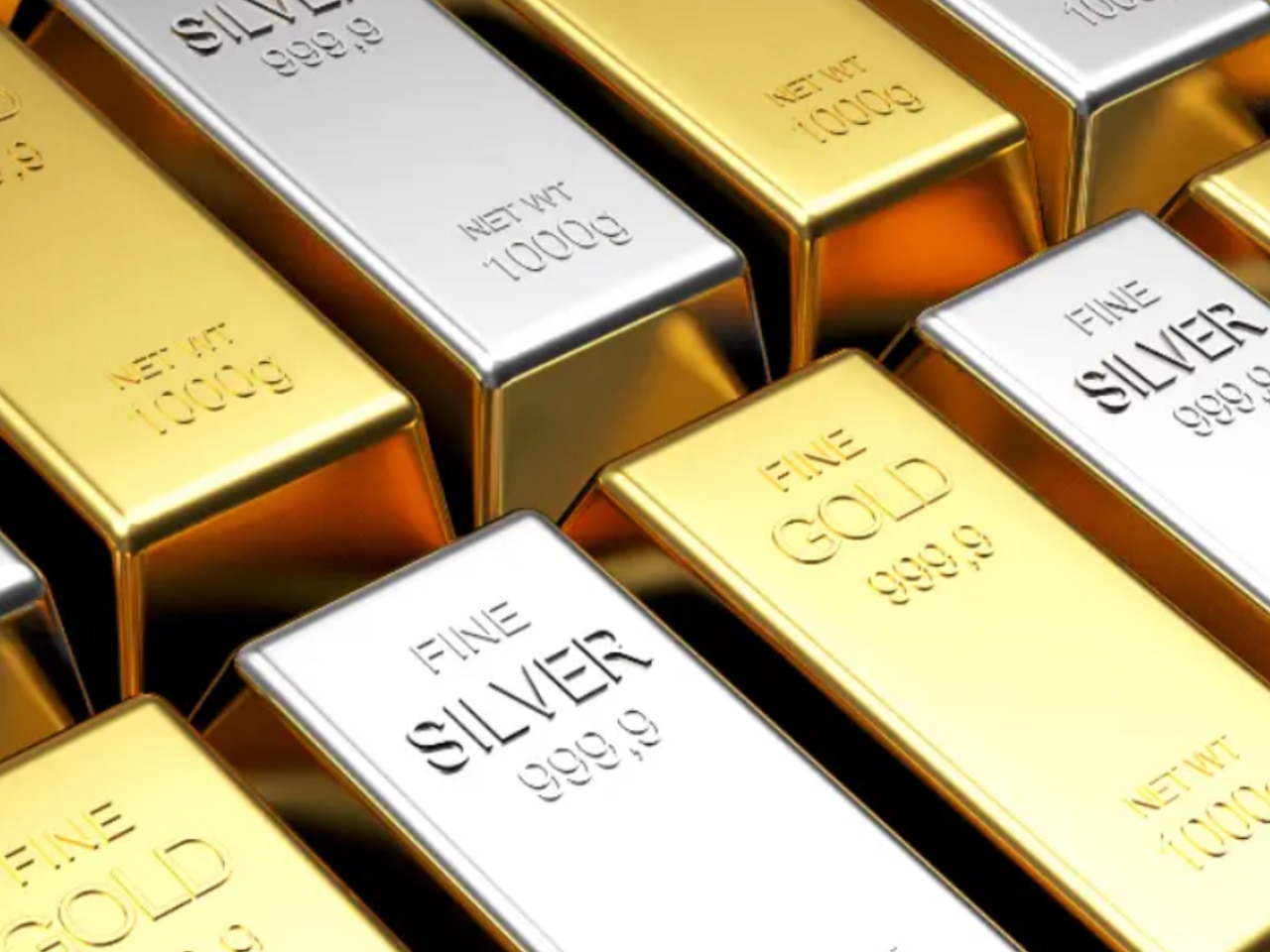
For 24K gold (999 purity), the national average price settled at ₹14,607 per gram, with its 22K counterpart (91.67% purity), widely favoured for jewellery, trading at ₹13,389 per gram. Silver, a rising star in the investment portfolio, was priced at ₹2,50,000 per kilogram for 999 purity, and ₹2,49,900 per kilogram for 925 sterling silver. These figures, while representing national benchmarks, exhibit significant regional variations across major Indian cities, underscoring the localised dynamics of this vast market. The current market sentiment suggests a cautious optimism among traders, balancing global uncertainties with India’s robust domestic consumption patterns, particularly as the nation gradually approaches its bustling festive season.
[Chronology: A Retrospective on Market Dynamics Leading to June 2026]
The journey of gold and silver prices to their current levels on June 22, 2026, is a chronicle shaped by a series of pivotal global and domestic events over the preceding months and years. The period from late 2024 through mid-2026 has been characterised by an intricate web of geopolitical tensions, fluctuating global economic growth forecasts, and central bank monetary policies that have collectively sculpted the precious metals landscape.
)
Global Gold Market Dynamics:
The international gold market, the primary determinant for Indian prices, has witnessed a steady upward trajectory since late 2024. This surge was primarily fuelled by several key factors. Firstly, persistent global inflationary pressures, stemming from supply chain disruptions, elevated energy costs, and expansionary fiscal policies in major economies, solidified gold’s traditional role as an inflation hedge. Investors, seeking to preserve purchasing power amidst rising living costs, increasingly allocated capital towards safe-haven assets like gold.
Secondly, geopolitical instabilities, including protracted conflicts in Eastern Europe and heightened tensions in the Middle East, periodically triggered risk-off sentiments, leading to significant inflows into gold. Central banks globally, particularly those in emerging economies, continued their aggressive gold accumulation strategies throughout 2025 and into 2026. This consistent institutional buying, driven by diversification efforts away from traditional reserve currencies and a desire to bolster financial stability, provided a strong underlying support for gold prices, absorbing any temporary dips caused by profit-taking or shifts in interest rate expectations.
Lastly, the global interest rate environment, while showing signs of normalisation, remained conducive to gold. Although some central banks began contemplating rate hikes to curb inflation, the real interest rates (nominal rates minus inflation) often stayed negative or marginally positive, reducing the opportunity cost of holding non-yielding gold. This intricate balance of inflation concerns, geopolitical risks, and accommodating real interest rates created a fertile ground for gold’s appreciation on the international stage.

Global Silver Market Dynamics:
Silver’s trajectory, while often shadowing gold, possesses its own unique drivers, particularly its dual nature as a precious metal and an industrial commodity. The period leading up to June 2026 saw robust industrial demand emerge as a dominant force in silver’s pricing. The global push towards green energy initiatives, especially the rapid expansion of solar photovoltaic (PV) technology, significantly boosted demand for silver, a critical component in solar panels. Similarly, the accelerating adoption of electric vehicles (EVs), advancements in 5G technology, and the burgeoning electronics sector further solidified silver’s industrial utility.
On the investment front, silver continued to attract attention as a more affordable alternative to gold, often referred to as "poor man’s gold." Retail investors, drawn by its potential for both capital appreciation and inflation hedging, increasingly diversified their portfolios with silver bars and coins. However, unlike gold, silver’s price volatility tends to be higher due to its greater sensitivity to industrial cycles and broader economic health. Any global economic slowdown or manufacturing contraction would typically exert downward pressure on silver, but the strong tailwinds from green technologies largely mitigated such risks through late 2025 and early 2026.
Indian Market Evolution and the Rupee Factor:
Domestically, the Indian precious metals market has mirrored global trends while contending with its unique set of influences. The Indian Rupee (INR) exchange rate against the US Dollar (USD) has been a critical variable. Throughout 2025 and early 2026, the Rupee experienced periods of volatility, often weakening against a strong Dollar, which in turn made imported gold and silver more expensive when converted into local currency. This direct correlation meant that even if international gold prices remained stable in dollar terms, a depreciating Rupee would translate into higher prices for Indian consumers.
)
The festive and wedding seasons are perennial demand drivers in India. While June 2026 is not peak season, the preceding months typically involve planning and initial purchases for major festivals like Diwali and the subsequent wedding season. Jewellers and consumers often gauge market trends well in advance, influencing demand patterns. Furthermore, government policies, including changes in import duties on gold and silver, have periodically impacted domestic prices and supply dynamics. The government’s consistent efforts to curb unofficial imports and promote transparency through hallmarking standards have also shaped the market over the past year.
[Supporting Data: Dissecting the Influencers and Regional Variations]
The current gold and silver prices in India are a culmination of several powerful forces, both global and local. Understanding these factors provides deeper insight into the market’s behaviour and the distinct pricing structures observed across various cities.
)
Gold Price Influencers:
- International Spot Price: The global benchmark for gold is set in major trading centres like London (LBMA) and New York (COMEX). This price, denominated in US Dollars, is influenced by macroeconomic data (inflation, GDP growth, employment figures), geopolitical events, central bank policies (interest rates, quantitative easing/tightening), and investor sentiment towards safe-haven assets. A surge in global uncertainty or a weakening US Dollar typically propels international gold prices upwards.
- USD-INR Exchange Rate: Since India imports the vast majority of its gold, the exchange rate between the US Dollar and the Indian Rupee is a direct and critical determinant of local prices. When the Rupee weakens against the Dollar, importers pay more Rupees for the same quantity of gold, leading to higher domestic prices. Conversely, a stronger Rupee makes imports cheaper.
- Import Duties and Taxes: The Indian government levies customs duties on gold imports, which are periodically revised to manage the current account deficit and regulate domestic supply. Additionally, state-level Goods and Services Tax (GST) is applied to gold jewellery and articles. These taxes add significantly to the final retail price.
- Local Demand and Supply: India’s insatiable demand for gold, driven by cultural traditions (weddings, festivals like Akshaya Tritiya, Diwali), investment preferences, and its status as a store of value, plays a crucial role. Supply is primarily met through imports, though some recycling of old gold also contributes. Any imbalance between strong demand and constrained supply can lead to local premiums.
- Inflationary Pressures: Gold is widely considered a hedge against inflation. As the cost of living rises, investors often turn to gold to protect their wealth from erosion. Both domestic and global inflation outlooks heavily influence this aspect of demand.
- Interest Rates: The opportunity cost of holding gold, a non-yielding asset, is directly tied to interest rates. When interest rates on alternative investments (like bonds or bank deposits) are high, gold becomes less attractive. Conversely, low or negative real interest rates make gold a more appealing option.
Silver Price Influencers:
- Industrial Demand: Unlike gold, a significant portion of silver’s demand comes from industrial applications. Key sectors include solar energy (photovoltaic cells), electronics (conductors, batteries), automotive (electric vehicles), medical technology, and photography. Strong global manufacturing activity and technological advancements directly boost silver’s industrial demand.
- Investment Demand: Silver also serves as a popular investment metal, often seen as a more volatile but potentially higher-return alternative to gold. It attracts both institutional and retail investors seeking portfolio diversification and a hedge against economic instability.
- Global Supply: Silver is often mined as a by-product of other metals like copper, lead, and zinc. Therefore, its supply is less elastic and more dependent on the overall mining output of these base metals. Disruptions in mining operations or new discoveries can impact supply.
- Gold-Silver Ratio: This ratio, indicating how many ounces of silver are needed to buy one ounce of gold, is a key metric for investors. Deviations from historical averages can signal potential undervaluation or overvaluation of one metal relative to the other, influencing investment flows.
City-Wise Price Discrepancies (June 22, 2026):
)
The observed variations in gold and silver prices across Indian cities are not arbitrary but stem from a combination of logistics, local taxation, and regional market dynamics.
Gold Prices:
- Mumbai (24K: ₹14,607/gram, 22K: ₹13,389/gram): Often considered the financial capital and a major import hub, Mumbai’s prices frequently serve as a benchmark. Its efficient supply chain and high volume of trade tend to keep premiums relatively stable, reflecting national averages closely.
- Delhi (24K: ₹14,622/gram, 22K: ₹13,404/gram): As a significant consumption centre and a hub for jewellery manufacturing and distribution, Delhi’s prices are typically very close to Mumbai’s, with minor variations due to local demand and logistical costs.
- Kolkata (24K: ₹15,607/gram, 22K: ₹13,389/gram): The significantly higher 24K price in Kolkata compared to Mumbai and Delhi is notable. This could be attributed to several factors:
- Regional Demand-Supply Imbalance: Strong cultural affinity for gold in Eastern India, particularly during wedding seasons and festivals, can lead to higher local demand.
- Logistical Costs: While not an import hub, transportation costs from major ports can add to the final price.
- Local Premiums: Dealers in certain regions might charge a higher premium due to limited competition or specific market conditions.
- State-Specific Taxes/Levies: Though GST is national, other local levies or business practices could influence prices.
- Chennai (24K: ₹15,836/gram, 22K: ₹13,599/gram): Chennai exhibits the highest prices among the listed cities for both 24K and 22K gold. The Southern Indian states, especially Tamil Nadu, have an exceptionally high cultural and traditional demand for gold, particularly for weddings and temple offerings. This robust, year-round demand often translates into higher premiums.
- Cultural Significance: Gold is not just an investment but a sacred asset and a symbol of prosperity.
- Well-Established Jewellery Market: A highly organised and competitive, yet premium-driven, jewellery market.
- Logistical Considerations: While a port city, regional distribution and local market dynamics still play a role in final pricing.
Silver Prices (per 10 grams of 999 purity):
)
- Delhi, Mumbai, Kolkata (₹2499): These cities show consistent pricing for silver, suggesting a relatively uniform distribution and demand pattern across these major metros. Silver, while culturally important, might have a more standardised pricing model due to its industrial usage and a somewhat less varied regional premium structure compared to gold.
- Chennai (₹2549): Similar to gold, Chennai commands a slightly higher price for silver. This can be attributed to:
- Regional Preference for Silver Ornaments: In many parts of Southern India, silver jewellery and articles are extremely popular, sometimes even more so than gold for daily wear or specific rituals.
- Higher Local Demand: This sustained local demand contributes to a small premium over other cities.
Purity Standards Explained:
- Gold:
- 24K Gold (999 Purity): This represents 99.9% pure gold, considered the purest form. It is primarily used for investments (bullion, coins) and sometimes for intricate, lightweight jewellery, though its softness makes it less durable for daily wear.
- 22K Gold (916 Purity): This contains 91.67% gold and 8.33% other metals (like copper, silver, zinc) to add strength and durability. It is the most common purity for traditional Indian jewellery due to its balance of purity, lustre, and resilience.
- Silver:
- Silver 999 (Pure Silver): This is 99.9% pure silver, mainly used for investment purposes (bullion, coins) and some specific ceremonial articles.
- Silver 925 (Sterling Silver): This alloy contains 92.5% silver and 7.5% other metals, usually copper. It is widely used for jewellery, tableware, and decorative items due to its hardness and durability, making it more resistant to scratching and denting than pure silver.
[Official Responses: Industry Insights and Expert Commentary]
The current market conditions for gold and silver have elicited a range of responses from industry stakeholders, economists, and government bodies, each offering a unique perspective on the present and future trajectory of these precious metals.
)
Economists and Market Analysts:
"The consistent upward trend in gold prices through late 2025 and into mid-2026 is a clear indicator of sustained global economic uncertainty and inflationary expectations," commented Dr. Alok Sharma, a Senior Macroeconomist at Zenith Capital. "Central bank buying has been a significant, often overlooked, factor providing a strong floor to prices. For India, the depreciating Rupee has amplified the impact of global price increases, making gold a more expensive proposition for domestic buyers, yet its intrinsic value as a safe haven ensures demand persists."
Regarding silver, Ms. Priya Kapoor, a commodity analyst at Global Market Insights, noted, "Silver’s performance is increasingly tied to the green energy transition. The robust demand from the solar and EV sectors is providing a structural uplift to its price. While it retains its investment appeal, its industrial narrative is becoming paramount. We anticipate this trend to continue, potentially pushing silver to new highs if industrial output remains strong and technological adoption accelerates."
Jewellery Associations and Traders:
The All India Gem and Jewellery Domestic Council (AIGJDC) acknowledged the challenges posed by elevated prices. Mr. Rajesh Mehta, President of AIGJDC, stated, "High gold prices inevitably impact consumer purchasing power, especially for larger ticket items like wedding jewellery. We are seeing a trend towards lighter weight jewellery, more intricate designs, and a focus on craftsmanship rather than sheer volume. Consumers are also becoming more discerning about purity and hallmarking, which is a positive development for transparency." He added, "The upcoming festive season will be crucial. We hope for some stability in global prices and the Rupee to encourage buying, but the underlying cultural demand for gold remains unshakeable."
)
Local jewellers, particularly in regions like Chennai, echoed similar sentiments. Mr. Shanmugam, proprietor of a Chennai-based jewellery chain, remarked, "Despite the higher prices, the cultural significance of gold, especially for weddings and auspicious occasions in the South, means demand doesn’t vanish; it simply shifts. Customers might downsize their purchases or invest in smaller, more numerous pieces. The premium in Chennai reflects this strong, inelastic demand."
Government and Regulatory Context (Indirect):
While there were no immediate new policy announcements on June 22, 2026, the Reserve Bank of India (RBI) continued its watchful stance on gold imports, which are a major component of India’s import bill and can impact the current account deficit. The RBI’s own strategic gold acquisitions over the past few years underscore the metal’s importance in maintaining monetary stability and diversifying foreign exchange reserves. Government focus remains on encouraging transparent trade practices and ensuring hallmarking compliance to protect consumer interests. Any future adjustments to import duties would be carefully calibrated to balance revenue generation, manage trade deficits, and prevent unofficial channels.
Consumer Sentiment:
Consumer sentiment appears to be a mix of adaptation and enduring tradition. While some prospective buyers might be postponing non-essential purchases or opting for alternatives, the deeply ingrained belief in gold and silver as wealth preservers ensures a baseline demand. Many view current prices as a long-term investment opportunity, particularly amidst inflationary environments, rather than just a short-term expenditure. The digital gold market and gold ETFs have also gained traction, offering modern avenues for investment without the hassles of physical storage.
)
[Implications: Future Outlook and Strategic Considerations]
The current state of the Indian gold and silver markets carries significant implications for various stakeholders, from individual investors and consumers to the broader Indian economy. The confluence of global trends and domestic factors necessitates a strategic approach for navigating the precious metals landscape in the coming months and years.
For Investors:
)
- Diversification and Portfolio Resilience: Gold and silver continue to serve as crucial diversification tools in investment portfolios. Their historical ability to act as a hedge against inflation and currency depreciation, especially in times of economic uncertainty, makes them attractive for long-term wealth preservation. Investors should consider allocating a portion of their portfolio to precious metals, balancing risk and return.
- Physical vs. Digital/ETF: While physical gold (jewellery, coins, bars) remains popular, digital gold platforms and Gold Exchange Traded Funds (ETFs) offer liquidity, ease of storage, and transparency. Silver ETFs are also gaining traction, providing exposure to the metal without the complexities of physical storage. Investors should evaluate their risk appetite, investment horizon, and convenience preferences when choosing their investment vehicle.
- Monitoring Key Indicators: Astute investors will closely monitor global macroeconomic data (inflation rates, interest rate decisions by major central banks), geopolitical developments, and the USD-INR exchange rate. These factors will continue to be the primary drivers of precious metal prices.
- Gold-Silver Ratio Analysis: Observing the gold-silver ratio can provide insights into potential relative value. If the ratio deviates significantly from historical averages, it might signal an opportunity to buy the relatively undervalued metal.
For Consumers:
- Strategic Purchasing: For lifecycle events like weddings or major festivals, consumers might consider staggering their purchases or exploring options like gold savings schemes offered by jewellers, which allow for periodic payments and hedging against future price increases.
- Purity and Hallmarking: Given the high prices, ensuring the purity of gold and silver purchases is paramount. Always insist on hallmarked jewellery (BIS Hallmark for gold, BIS Hallmark for silver) from trusted jewellers to guarantee authenticity and value.
- Lighter Designs: The trend towards lighter, more contemporary designs for jewellery is likely to continue. Consumers can opt for intricate pieces that offer aesthetic appeal without the burden of heavy weight, making them more affordable.
- Resale Value: For investment purposes, buying bullion (coins or bars) often provides better resale value compared to jewellery, which typically incurs making charges that are not fully recovered upon sale.
For the Indian Economy:
- Current Account Deficit: Gold imports represent a significant outflow of foreign exchange, directly impacting India’s current account deficit. Sustained high prices and robust demand could put pressure on the external balance, prompting the government to consider policy interventions like duty adjustments.
- Household Savings: Gold and silver are integral components of household savings in India, particularly in rural areas. Price fluctuations can impact the perceived wealth of millions of households.
- Formalisation of the Industry: The government’s push for hallmarking and formal trade channels helps in bringing more of the precious metals market into the organised sector, improving transparency and revenue collection.
Short-term vs. Long-term Outlook:
)
- Short-term: The immediate outlook for gold and silver remains sensitive to global headlines. Any escalation in geopolitical tensions or unexpected shifts in inflation data could trigger sharp price movements. The Rupee’s volatility against the Dollar will also play a crucial role in determining daily domestic prices.
- Long-term: The long-term outlook for gold appears robust, supported by central bank buying, its enduring role as a store of value, and persistent global economic uncertainties. For silver, the structural demand from the green technology revolution provides a strong long-term growth narrative, potentially positioning it for significant gains over the next decade. Both metals are expected to maintain their relevance as hedges against inflation and economic instability.
Conclusion:
The Indian gold and silver market on June 22, 2026, reflects a mature yet dynamic ecosystem, constantly adapting to global economic currents and deeply rooted domestic traditions. While global market trends, local demand, and currency rates remain the triumvirate of price influencers, the underlying narrative is one of resilience and enduring value. For India, precious metals are more than commodities; they are cultural touchstones, symbols of prosperity, and indispensable components of both household savings and national economic stability. Navigating this intricate market successfully requires a blend of informed decision-making, an understanding of macro-economic forces, and an appreciation for the unique regional nuances that define India’s love affair with gold and silver. As the nation progresses towards its festive season and beyond, the journey of these precious metals will continue to be a compelling story of economics, culture, and investment wisdom.
