

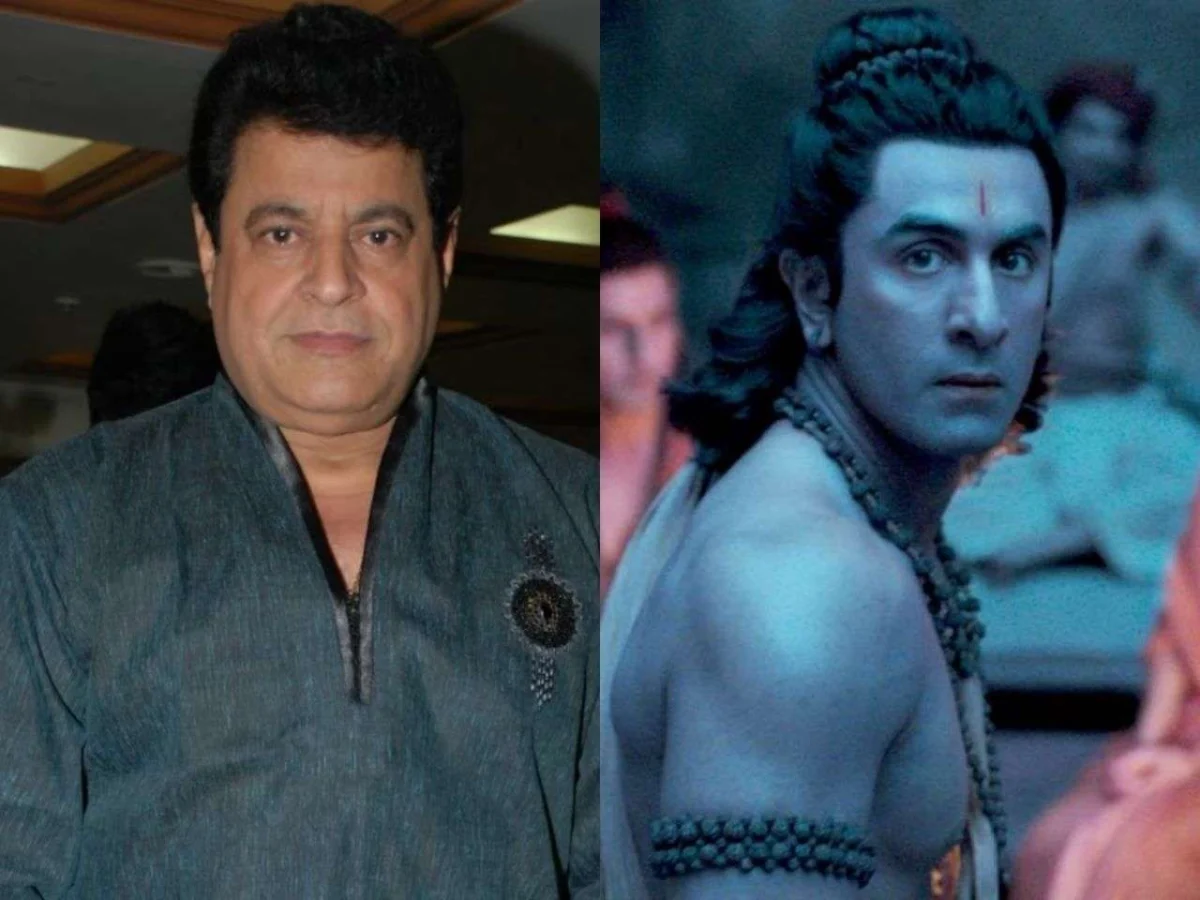
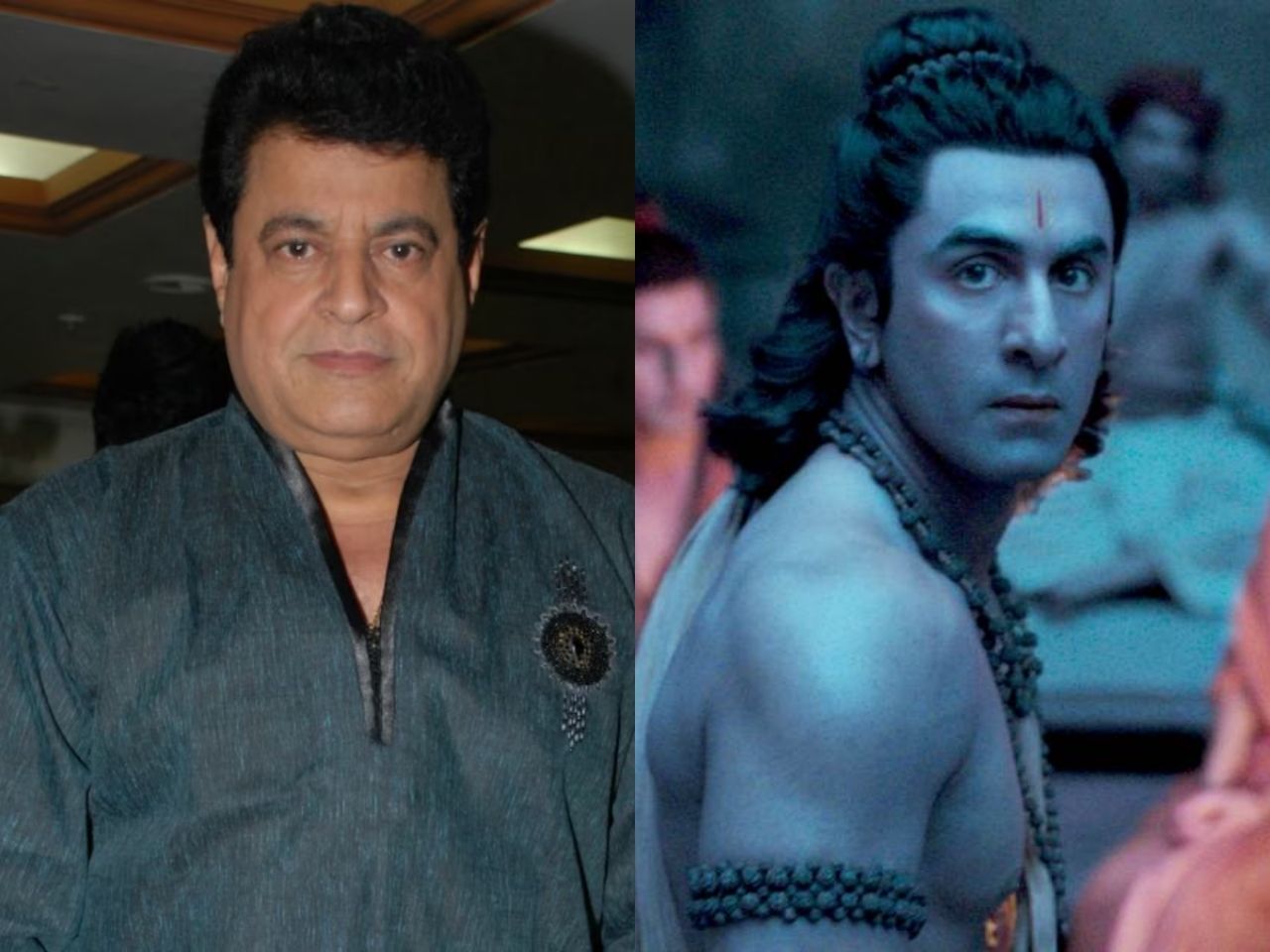
Mumbai, India – August 12, 2026 – A palpable buzz has surrounded the upcoming cinematic adaptation of the epic "Ramayana," helmed by director Nitesh Tiwari and produced by Namit Malhotra. The recent unveiling of the theatrical trailer, featuring Ranbir Kapoor as Lord Ram, Sai Pallavi as Sita, and Yash as Ravana, has ignited fervent discussions across the nation. However, amidst the widespread anticipation, veteran actor Gajendra Chauhan, renowned for his iconic portrayal of Yudhishthira in BR Chopra’s seminal "Mahabharat," has voiced significant reservations, expressing a distinct lack of impression with the film’s direction and aesthetic choices.
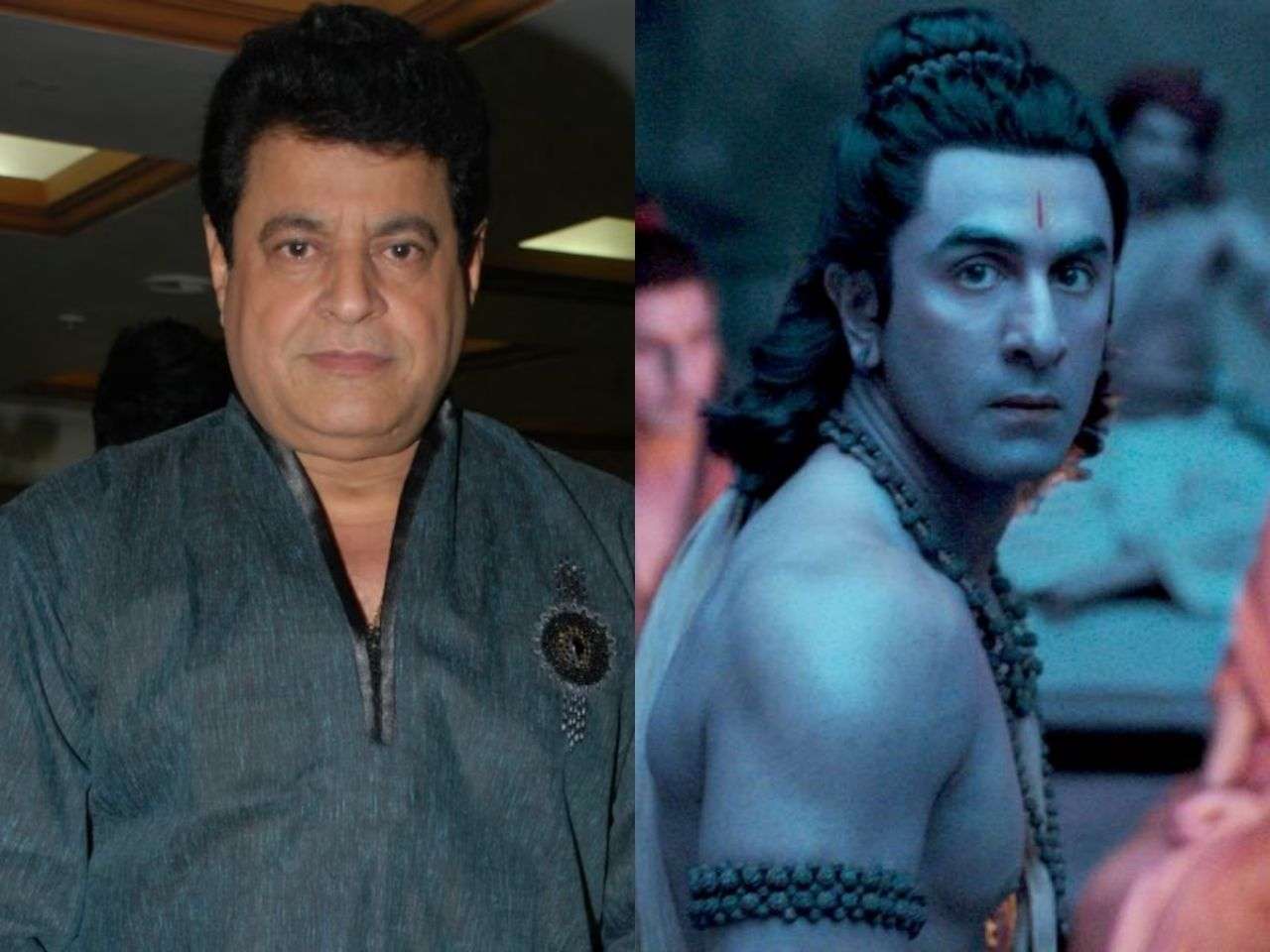
Chauhan, a seasoned performer with a deep understanding of mythological narratives and their cinematic representation, has openly criticized what he perceives as a departure from the traditional ethos of the "Ramayana." His primary concerns revolve around the film’s alleged overreliance on visual effects, the modernization of character portrayals, and the inherent challenges of casting established stars in divine roles, which he believes can detract from the authenticity of the epic.
)
The Veteran’s Verdict: A Critical Appraisal of the "Ramayana" Trailer
In a candid interview with Hindi Rush, Gajendra Chauhan did not mince words when describing his reaction to the trailer. "Personally, I am telling you, I was not impressed," he stated unequivocally. His critique extended to specific characterizations, with the portrayal of Kaikeyi, played by Lara Dutta, drawing particular ire. Chauhan found her depiction, especially the scene where she demands Ram’s exile, to be jarringly modern.
)
"Her dressing, for one, is very modern," he observed, referencing the costume choices for Kaikeyi. "They have given her a modern sari." This observation, while seemingly focused on sartorial details, points to a deeper concern about the film’s willingness to contemporize elements of a sacred epic, potentially diluting its timeless and spiritual essence. Chauhan, who himself essayed the role of Dashratha in BR Chopra’s "Ramayan" in 2002, drew a stark contrast between his experience and the perceived direction of the current adaptation. He implied that the historical and mythological dramas he was part of prioritized emotional depth and devotional representation over superficial modernization.

The Specter of Star Image: A Hindrance to Divine Portrayal?
Beyond aesthetic concerns, Chauhan raised a critical point regarding the impact of star power on mythological storytelling. He argued that the established personas of contemporary actors can pose a significant challenge when portraying divine or epic figures. "Stars have an image," Chauhan explained. "It is very difficult for that star image to be accepted in mythology."
)
He elaborated on this sentiment, suggesting that for an actor to truly embody a mythological character, they should ideally possess a less pronounced public image. "If you want to play these characters, you should not have too much of an image. You should not be too exposed to the public." This perspective suggests that the audience’s pre-existing notions of a star, shaped by their previous roles and public life, can interfere with their ability to suspend disbelief and fully immerse themselves in the divine narrative. The casting of a major star like Ranbir Kapoor, while a commercial draw, can, according to Chauhan, create a disconnect between the actor and the sacred character he is meant to represent.
)
However, it is important to note that Chauhan did acknowledge Ranbir Kapoor’s dedication and visual transformation for the role. "He is looking good, no doubt. He looks very good in the get-up," he conceded. This dual perspective highlights that Chauhan’s criticism is not a blanket condemnation of the actors but rather a critique of the overarching artistic choices and the potential pitfalls of blending commercial stardom with deeply revered mythology.
)
The "Ramayana" Project: A Glimpse into Ambition and Controversy
The "Ramayana" project, reportedly a massive duology with an estimated budget of ₹4000 crore, marks one of the most ambitious cinematic undertakings in Indian cinema. The film aims to bring the timeless tale of Lord Ram to a new generation through cutting-edge visual effects and a grand scale. However, the sheer magnitude of the production, coupled with its sensitive subject matter, has inevitably invited scrutiny and high expectations.
)
Chronology of Expectations and Reactions:
)
- Early Announcements & Casting Rumors: Speculation surrounding the "Ramayana" film has been rife for years, with various actors and directors being linked to the project. The official confirmation of Ranbir Kapoor, Sai Pallavi, and Yash in the lead roles generated significant excitement, underscoring the film’s star power.
- Production Scale and Budget: News of the colossal budget and planned two-part release set a precedent for the film’s scale, promising a visual spectacle.
- Trailer Release and Initial Fan Frenzy: The recent unveiling of the trailer was met with a flurry of reactions. While many fans lauded the visual grandeur and the actors’ appearances, others expressed initial reservations, mirroring some of the sentiments later articulated by Gajendra Chauhan.
- Gajendra Chauhan’s Critique: The interview with Hindi Rush, where Chauhan shared his unimpressions, has added another layer of discourse to the ongoing discussion, bringing the perspective of a veteran who has successfully navigated mythological roles.
Supporting Data and Industry Perspectives:
)
The film industry often grapples with the delicate balance between artistic integrity and commercial viability, especially when dealing with sacred texts. The success of previous mythological adaptations, like BR Chopra’s "Mahabharat" and Ramanand Sagar’s "Ramayan," can be attributed to their deep emotional resonance, devotional undertones, and a commitment to traditional storytelling. These series, produced in an era with limited technological capabilities, often relied on strong performances and a profound connection with the source material to captivate audiences.
)
Chauhan’s comments echo a sentiment shared by some purists and sections of the audience who believe that the essence of epics like the "Ramayana" lies in their spiritual and moral teachings, which can be overshadowed by excessive visual effects or modern interpretations. The reported ₹4000 crore budget itself raises questions about the return on investment and the pressure to deliver a spectacle that might, in turn, compromise narrative depth.
)
Official Responses (or Lack Thereof):
)
As of the current reporting, there has been no official statement from the producers, director Nitesh Tiwari, or the lead actors of "Ramayana" directly addressing Gajendra Chauhan’s specific criticisms. The industry often adopts a policy of letting the film speak for itself, especially during the pre-release phase. However, the veteran actor’s candid remarks are likely to be noted by the filmmaking team and could potentially influence how they address public concerns in future promotional activities.
)
Implications for the "Ramayana" Cinematic Experience:
)
Gajendra Chauhan’s critique, while representing one perspective, highlights several critical considerations for the "Ramayana" film:
)
- The Balancing Act: The film faces the immense challenge of appeasing both traditionalists who value authenticity and devotional representation, and modern audiences who expect grand visual spectacles and contemporary filmmaking techniques.
- The Power of Perception: The casting of major stars like Ranbir Kapoor is a double-edged sword. While it guarantees commercial appeal, it also places a significant burden on the actor to transcend their established persona and inhabit a role that is deeply ingrained in the cultural consciousness of millions.
- Preserving the Spiritual Core: The "Ramayana" is more than just a story; it is a foundational text for many, embodying virtues, ethics, and spiritual ideals. The cinematic adaptation’s success will hinge on its ability to not only entertain but also to resonate with the deeper spiritual and moral underpinnings of the epic.
Chauhan’s candid observations serve as a timely reminder of the immense responsibility that filmmakers undertake when adapting such revered narratives. As the release dates for "Ramayana Part 1" (Diwali 2026) and "Ramayana Part 2" (Diwali 2027) approach, the debate surrounding its portrayal and artistic direction is only likely to intensify. The veteran actor’s voice, grounded in his own significant contributions to mythological cinema, adds a crucial dimension to this ongoing discourse, prompting a closer examination of what truly makes an epic truly epic on screen.
