


New Delhi, [Insert Date Here] – In a significant announcement that brings a glimmer of hope for Indian consumers, Union Petroleum Minister Hardeep Singh Puri has indicated that the government is prepared to review domestic fuel prices, including petrol, diesel, and LPG, should the recent decline in global crude oil prices demonstrate sustained stability. This cautious optimism comes despite India’s public sector Oil Marketing Companies (OMCs) having collectively incurred staggering losses of Rs 74,781 crore due to selling fuel below procurement cost, a direct consequence of the volatility spurred by the recent West Asia conflict.
Minister Puri’s statement underscores a delicate balancing act for the government: addressing consumer aspirations for lower prices while simultaneously safeguarding the financial health of the nation’s critical oil marketing infrastructure. The review, he clarified, would only commence once a prolonged period of lower crude oil prices provides the necessary buffer for OMCs to recover from their substantial losses.
Main Facts: The Nexus of Global Volatility and Domestic Pricing
The core of the current fuel pricing dilemma in India lies in the inherent time lag between the purchase of crude oil on international markets and its eventual sale as refined fuel at retail pumps. India, a major importer of crude oil, is highly susceptible to global price fluctuations. The recent period, marked by geopolitical tensions in West Asia, saw a sharp surge in international crude prices, forcing OMCs to procure at elevated rates.
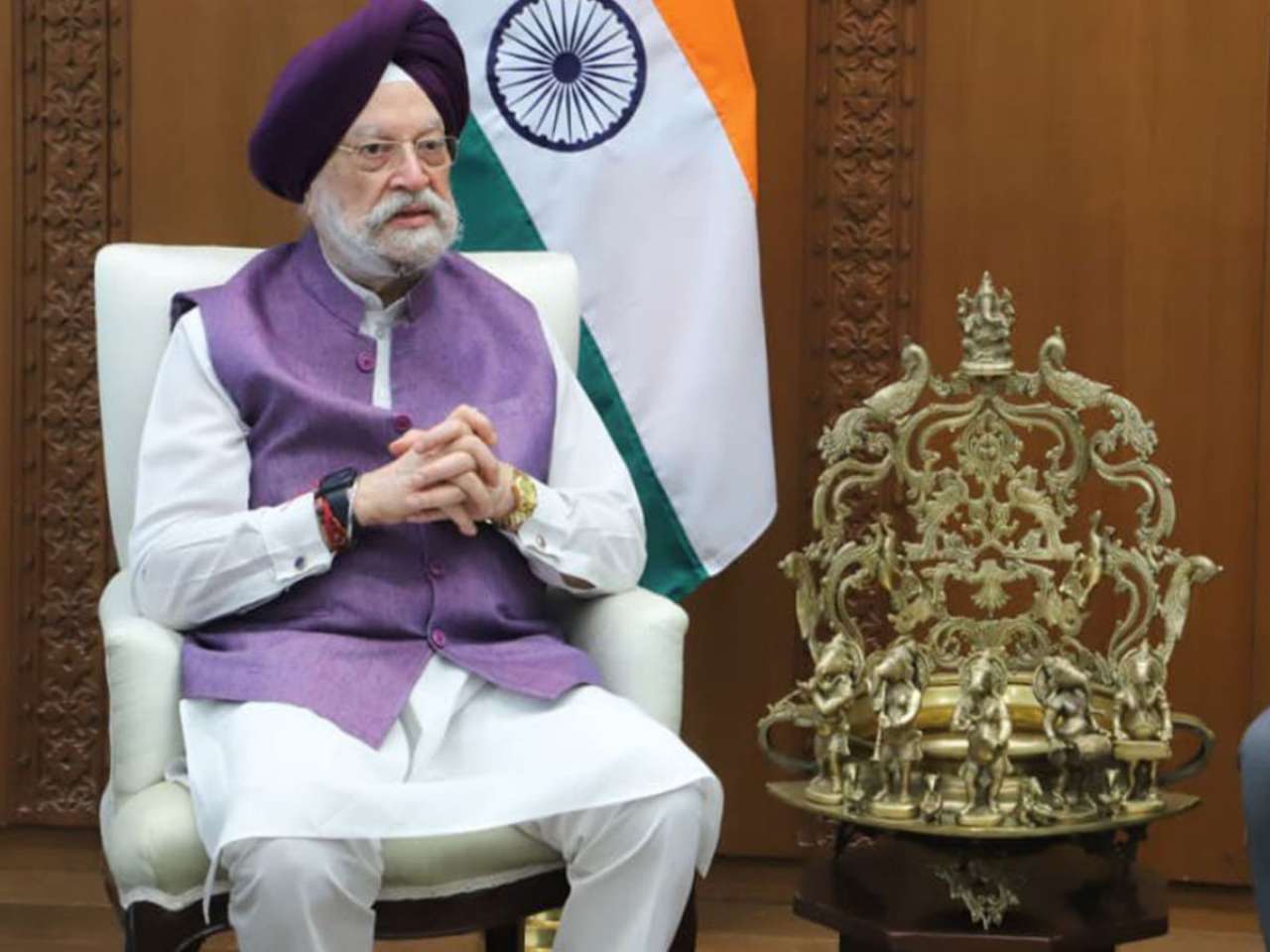
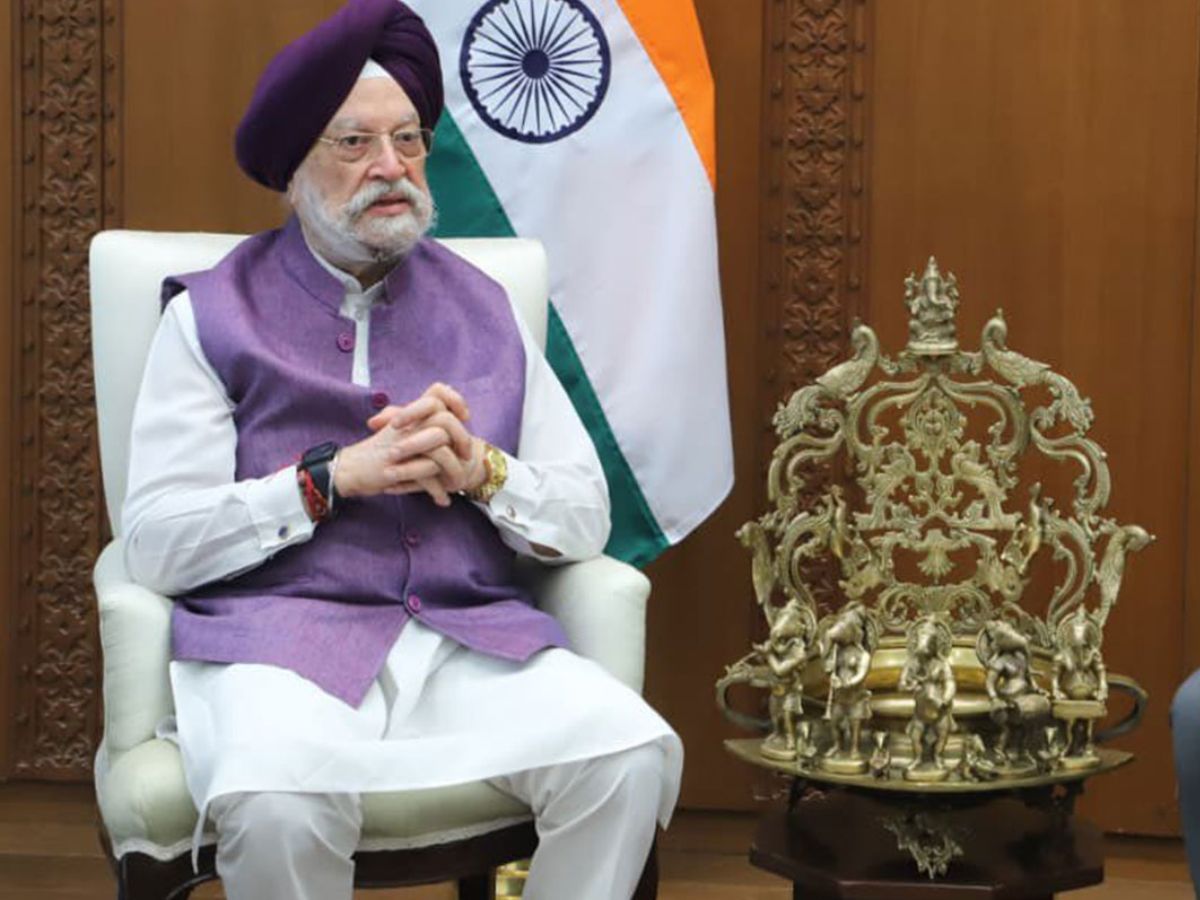
Union Petroleum Minister Hardeep Singh Puri, addressing the media on Thursday, articulated the government’s position clearly: a review of domestic fuel prices is contingent upon the stability of lower global crude oil prices. He emphasized that the prices consumers currently pay reflect crude oil procured several months ago, when international rates were significantly higher.
)
"The prices are fixed based on the supplies procured a couple of months back. If the situation persists, we will relook it," Puri stated, providing a direct insight into the government’s wait-and-watch approach. This two-month procurement cycle means that even if global crude prices drop today, the impact on retail prices will not be immediate, as OMCs are still processing and selling crude purchased at a premium.
Crucially, Puri highlighted the severe financial strain faced by OMCs. They absorbed losses amounting to Rs 74,781 crore up to June 30, selling petrol, diesel, and LPG below their production cost. This period coincided with the peak of the West Asia conflict, which drove global crude oil prices sky-high. The minister also reassured the public that despite the challenging international environment, the country did not face any oil disruption, shortage, or long queues at fuel stations, a testament to the government’s proactive energy security measures.

The government’s challenge is multifaceted: it must manage public expectations for price relief, ensure the financial viability of OMCs, and maintain national energy security, all while navigating unpredictable global geopolitical currents.
Chronology: A Timeline of Geopolitics, Procurement, and Price Pressures
Understanding the current scenario requires a look back at the sequence of events that led to the present pricing dynamics. The journey from international crude markets to domestic fuel pumps is complex, influenced heavily by global politics and the inherent lead times in the supply chain.
)
Pre-Conflict Stability and Rising Tensions
Before the recent escalation in West Asia, the global oil market had seen periods of relative stability, albeit with underlying concerns about supply and demand dynamics, global economic growth, and the production policies of OPEC+ nations. Prices were subject to usual market forces, with India benefiting from a somewhat predictable environment for its crude procurement. However, geopolitical fault lines in the Middle East always represent a latent risk to oil supplies, given the region’s immense production capacity and strategic chokepoints.
The Onset of the West Asia Conflict and Price Spikes
The outbreak of the West Asia conflict marked a dramatic shift. Starting around April and extending into early May, the conflict triggered widespread fears of supply disruptions from a region vital to global oil flows. These geopolitical anxieties led to a significant "fear premium" being factored into crude oil prices. Traders and refiners, anticipating potential shortages or prolonged instability, drove prices upwards rapidly. Benchmarks like Brent crude and WTI saw substantial increases, reflecting the heightened risk perception across international markets. This period was characterized by extreme volatility, making long-term procurement decisions particularly challenging for importing nations.
)
OMCs Grapple with Elevated Procurement Costs
During this critical period of heightened conflict and surging prices (April to early May), India’s Oil Marketing Companies – primarily state-owned entities like Indian Oil, Bharat Petroleum, and Hindustan Petroleum – were compelled to make their crude oil purchases. Given the typical two-month lead time required for shipping, refining, and distribution, the crude being processed and sold in June and July was acquired at these peak, conflict-inflated rates. This created an immediate mismatch: OMCs were buying expensive crude but were constrained in passing on the full cost to consumers, leading to substantial "under-recoveries" or losses.
Government Interventions and Domestic Price Adjustments
As global crude prices soared, the domestic retail prices in India also saw significant adjustments. The article notes a cumulative increase of nearly Rs 7.50 per litre following the outbreak of the West Asia conflict. To cushion the immediate impact on consumers, the government initially intervened by significantly reducing import duties on crude oil and petroleum products. This measure aimed to absorb some of the international price shock and prevent an even steeper rise in domestic fuel costs. However, as the conflict persisted and procurement costs remained high, OMCs eventually had to adjust retail prices upwards to reflect the underlying economics, albeit with a lag and partial absorption of costs.
)
De-escalation and the Recent Dip in Crude Prices
A turning point arrived in the second half of June, when international crude oil prices began to decrease. This decline was largely attributed to a de-escalation of tensions in West Asia, particularly following reports of an agreement between the US and Iran to ease some of the conflict. The reduced geopolitical risk premium, coupled with other market factors such as concerns over global demand, contributed to a softening of crude prices. This recent downward trend has sparked renewed hope among consumers for a reduction in domestic fuel costs.
The Current Stance: Awaiting Stability
Despite the recent dip in international crude prices, the domestic retail prices have not yet been adjusted downwards. This is precisely where Minister Puri’s statement comes into play. The OMCs are still working through their inventory of crude purchased at higher rates. Furthermore, the government’s condition for a price review – sustained stability in lower crude prices – highlights a cautious approach. It aims to avoid knee-jerk reactions to temporary market fluctuations and ensure that any price reduction is financially sustainable for OMCs, preventing a recurrence of the massive losses recently incurred.
)
Supporting Data: The Financial Imperative Behind Pricing Decisions
The decision-making process around fuel prices in India is not merely a political one; it is deeply rooted in complex economic realities, market dynamics, and the financial health of the entities involved. The numbers presented by Minister Puri paint a stark picture of the challenges faced.
The Staggering Under-Recoveries of OMCs
The figure of Rs 74,781 crore in losses suffered by Oil Marketing Companies (OMCs) up to June 30 is a critical piece of data. These are not merely accounting losses but represent "under-recoveries" – the revenue shortfall incurred when OMCs sell refined petroleum products (petrol, diesel, LPG) at prices lower than their cost of production and procurement. This cost includes the price of crude oil, refining costs, freight, marketing expenses, and other operational overheads.
)
Such massive under-recoveries have profound implications for OMCs. They erode profitability, strain balance sheets, and can severely impact their working capital. This limits their capacity for future investments in critical infrastructure, such as refinery upgrades, expansion of distribution networks, and exploration activities, which are vital for India’s long-term energy security. Moreover, as largely state-owned entities, these losses ultimately represent a burden on the public exchequer, even if not directly subsidized, by impacting their ability to contribute to government revenue or fund expansion independently. The current situation demands that OMCs be allowed a period of recovery to regain financial strength before any significant retail price cuts.
Global Crude Oil Benchmarks and Volatility
Global crude oil prices are primarily tracked through key benchmarks like Brent Crude (for crude from the North Sea, a major international marker) and West Texas Intermediate (WTI, for U.S. crude). These benchmarks are highly sensitive to a myriad of factors, including:
)
- Geopolitical Events: Conflicts, political instability in oil-producing regions (like the West Asia conflict), and sanctions directly impact supply expectations and trigger price spikes.
- Supply and Demand: Decisions by major producers (OPEC+), changes in global economic growth forecasts, and industrial demand significantly influence prices.
- Currency Fluctuations: As crude is traded in US dollars, the strength or weakness of the dollar can affect purchasing power for importing nations like India.
During the West Asia conflict, the fear of supply disruption pushed Brent crude prices well above historical averages, at times nearing or exceeding $90-100 per barrel. The recent de-escalation saw prices retreat, hovering in a range that is considerably lower, potentially in the $75-85 per barrel range (specific numbers not provided in original article, but contextual range is implied). This volatility highlights the precarious nature of relying heavily on imported crude and the constant need for agile policy responses.
India’s Fuel Pricing Mechanism
India transitioned to a ‘daily dynamic pricing’ mechanism for petrol and diesel in June 2017, meaning prices are theoretically revised daily based on international crude oil prices and the rupee-dollar exchange rate. While this system aims for transparency and responsiveness, the reality is that OMCs often absorb significant price shocks, especially during periods of extreme volatility, rather than passing on the full burden immediately to consumers.
)
The retail price of fuel in India comprises several components:
- Base Price: The international crude oil cost, refining cost, and freight.
- Dealer Commission: A fixed amount paid to petrol pump owners.
- Central Excise Duty: Levied by the central government.
- State Value Added Tax (VAT): Levied by individual state governments, which varies from state to state.
Taxes (excise duty and VAT) constitute a substantial portion of the final retail price, often exceeding 40-50%. This structure means that even a moderate decrease in the base price of crude might not translate into a proportionally large drop in retail prices if the tax component remains constant. Conversely, if the government decides to cut excise duties, it can provide significant relief, but at a cost to its own revenue.
)
Government Revenue and Fiscal Health
Fuel taxes represent a significant revenue stream for both the central and state governments in India. These revenues are crucial for funding public infrastructure projects, social welfare schemes, and managing the overall fiscal deficit. The dilemma for the government is profound: providing consumer relief through tax cuts directly impacts its financial resources. Therefore, any decision to reduce fuel prices, especially through duty cuts, must be carefully weighed against the broader economic and fiscal health of the nation. The current focus on allowing OMCs to recover their losses suggests a prioritization of their financial stability, which indirectly supports government finances by ensuring the health of state-owned enterprises.
Official Responses: Balancing Act of Energy Security and Consumer Welfare
The government’s response to the fluctuating global oil market and its impact on domestic fuel prices has been characterized by a strategic focus on energy security, consumer protection, and the financial stability of its oil marketing companies. Minister Hardeep Singh Puri’s recent statements are a testament to this multifaceted approach.
)
Minister Puri’s Explicit Statements
Minister Puri’s explicit articulation of the conditions for a fuel price review is a cornerstone of the official response. He has unequivocally stated that the government will "review the situation if lower crude oil prices remained stable." This emphasis on "stability" is crucial, as it signals a desire to avoid premature decisions based on short-term market corrections. The two-month procurement lag, as highlighted by Puri, is not merely an operational detail but a fundamental factor influencing retail prices. "International oil prices have come down, but companies are still processing crude bought at the height of the West Asia crisis," he explained, providing a clear rationale for why current domestic prices do not yet reflect the recent global dip. This transparency aims to manage public expectations while underscoring the economic realities faced by OMCs.
Prioritizing Energy Security
One of the proudest points of the government, as voiced by Minister Puri, is its unwavering commitment to energy security. Despite the high-intensity West Asia conflict, which typically sends ripples of fear and disruption through global energy markets, India successfully maintained an uninterrupted supply of petroleum products. Puri proudly stated that "the people of the country did not face any oil disruption, shortage or held long queues outside fuel stations during the war." This achievement highlights the effectiveness of India’s diversified crude sourcing strategies, robust supply chain management, and strategic oil reserves, all of which are paramount for a nation heavily reliant on energy imports. Ensuring stable supply, even at a higher cost, was a key priority during the crisis, preventing greater economic dislocation and public hardship.
)
The Triple Mandate
The government’s approach to fuel pricing operates under a triple mandate:
- Consumer Welfare: Striving to provide fuel at affordable rates, as evidenced by past interventions like duty reductions.
- OMC Financial Health: Ensuring the viability and profitability of state-owned OMCs, which are crucial for the country’s energy infrastructure and security. The Rs 74,781 crore loss figure underscores the importance of this mandate.
- National Energy Security: Guaranteeing a continuous and reliable supply of fuel, regardless of global geopolitical turbulences.
These three objectives often present conflicting priorities. A swift, deep cut in retail prices might satisfy consumers but could further cripple OMCs. Conversely, allowing OMCs to fully recover costs might burden consumers. The government’s current stance reflects an attempt to balance these objectives, prioritizing OMC recovery in the short term, with a promise of consumer relief once market conditions stabilize sustainably.
)
Historical Context of Interventions
This is not the first time the Indian government has navigated such a delicate situation. In the past, during periods of extreme crude oil price volatility, the government has often resorted to reducing excise duties to cushion the impact on consumers. For instance, the article mentions that to cushion the initial impact of the West Asia conflict, the government significantly reduced import duty. These interventions, while providing immediate relief, come at a cost to the national exchequer. The current cautious approach, waiting for stable lower prices before considering a review, indicates a mature policy framework that aims for sustainable solutions rather than reactive measures, learning from past experiences of managing both price shocks and fiscal prudence.
Implications: Ripple Effects Across Economy and Society
The government’s stance on fuel pricing and the underlying dynamics of the global oil market have far-reaching implications across various segments of Indian society and the economy. From individual households to industrial sectors and the broader fiscal landscape, the ripple effects are significant.
)
For the Indian Consumer
- Potential Relief, But Not Immediate: For the average Indian consumer, the primary implication is the promise of potential relief, albeit not an immediate one. The minister’s condition of "stable lower crude oil prices" means that consumers will have to wait for a sustained period of reduced global prices before any significant domestic price cuts are implemented. This can lead to frustration given the immediate decrease observed in international markets.
- Impact on Household Budgets: High fuel prices directly impact household budgets. Transportation costs for daily commutes, food delivery, and other essential goods are all influenced by petrol and diesel prices. A reduction in fuel prices, when it eventually materializes, would ease inflationary pressures on household expenses, potentially freeing up disposable income for other spending or savings. This would be particularly beneficial for lower and middle-income groups.
- Psychological Impact: There’s a strong psychological element at play. Public expectation for lower prices often outpaces the economic realities of procurement cycles and OMC losses. The government’s communication needs to clearly explain the rationale behind the lag to maintain public trust and manage expectations effectively.
For Oil Marketing Companies (OMCs)
- Financial Recovery and Future Investments: The current period, where retail prices are held relatively firm despite lower crude acquisition costs, is crucial for OMCs to recover the substantial Rs 74,781 crore in losses they incurred. This financial recovery is vital for improving their balance sheets, enhancing liquidity, and restoring investor confidence. A healthy financial position will enable OMCs to make necessary investments in expanding and modernizing their refining capacities, upgrading infrastructure, and exploring new energy sources, all of which are critical for India’s long-term energy security and transition goals.
- Navigating the Public-Private Balance: As largely state-owned enterprises, OMCs operate under a dual mandate: achieving commercial viability and fulfilling public service obligations. The government’s current policy prioritizes their financial recovery, acknowledging their strategic importance to the nation. This approach helps ensure that OMCs remain robust players capable of serving the nation’s energy needs without becoming overly reliant on direct government subsidies.
For the Indian Economy and Government
- Inflation Management: Fuel prices are a significant driver of headline inflation in India. A sustained reduction in fuel costs, when implemented, could help cool inflationary pressures across the economy, as transportation costs for goods and services would decrease. This would provide more headroom for the Reserve Bank of India in its monetary policy decisions.
- Fiscal Implications: If the government eventually decides to reduce central excise duties to further lower fuel prices, it would inevitably impact government revenues. This decision would require a careful assessment of the country’s fiscal position, balancing the need for consumer relief against other spending priorities and the broader goal of fiscal consolidation. The government’s current wait-and-watch approach allows for a more considered fiscal strategy.
- Energy Security Posture: The experience of the West Asia conflict has undoubtedly reinforced India’s focus on strengthening its energy security posture. This includes diversifying crude oil sources, enhancing strategic petroleum reserves, and accelerating the transition towards cleaner energy alternatives to reduce reliance on volatile international markets. The lessons learned from the recent price shocks will likely inform future energy policy decisions.
- Broader Economic Growth: Lower and more stable fuel prices can act as a catalyst for broader economic growth. Reduced input costs for industries (transportation, manufacturing, agriculture) can boost profitability and encourage investment. For consumers, lower fuel expenses can stimulate demand for other goods and services, contributing to overall economic momentum.
In conclusion, Minister Puri’s statement represents a pragmatic approach to a complex economic challenge. While consumers eagerly await a reduction in fuel prices, the government is carefully navigating the delicate balance between immediate relief and the long-term financial health of its critical energy infrastructure, all while keeping a vigilant eye on the ever-evolving global energy landscape. The path to lower fuel prices for Indian consumers appears to be contingent on a period of sustained stability in international crude markets, allowing OMCs to recoup their significant losses and ensuring a robust energy supply for the nation.
