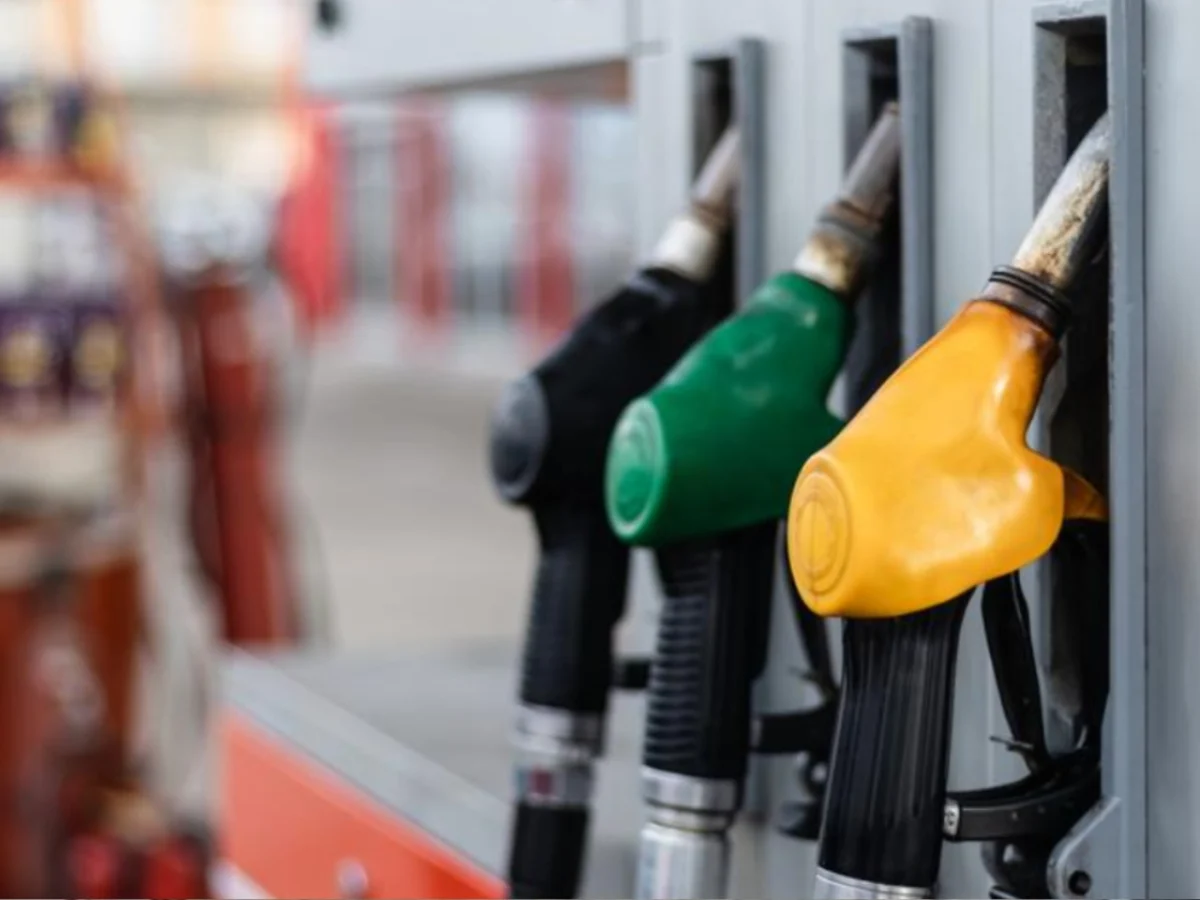
New Delhi, India – In a significant development stirring public debate and raising questions within the automotive sector, a recent report by the Automotive Research Association of India (ARAI) has cast a spotlight on the potential ramifications of using E20 fuel in vehicles primarily designed for E10 blends. The findings, emerging amidst the government’s aggressive push for higher ethanol blending, indicate a concerning accelerated wear of critical rubber components in E10-compliant vehicles, prompting both consumer anxiety and renewed scrutiny from manufacturers and policymakers alike.
The ARAI study, a pivotal reference point for both the government and the automobile industry, specifically highlights that the 20% ethanol-blended fuel can prematurely degrade rubber parts such as fuel hoses, gaskets, seals, and O-rings in older vehicle models. While the government maintains a firm stance on the safety and efficacy of E20, citing extensive prior testing and international precedents, the granular details of the ARAI report underscore the complex challenges inherent in a nationwide fuel transition of this magnitude.
The Core of the Concern: Accelerated Wear and Mixed Performance
The central revelation from the ARAI report pertains to the material compatibility issues arising from E20 fuel. For vehicles designed to run on petrol with up to 10% ethanol (E10), the increased ethanol content in E20 appears to act as a more aggressive solvent, leading to the faster deterioration of certain non-metallic components within the fuel system. This includes:
- Fuel Hoses: Critical for transporting fuel from the tank to the engine, premature hardening or cracking of hoses can lead to leaks, fire hazards, and reduced fuel efficiency.
- Gaskets and Seals: Essential for preventing leaks in various parts of the engine and fuel system, their accelerated wear can compromise engine integrity and lead to costly repairs.
- O-rings: Small but vital components used to seal connections, their degradation can result in minor but persistent fuel leaks and system inefficiencies.
The report explicitly states that these components "may need replacement" sooner than anticipated in E10 vehicles running on E20. This finding directly impacts millions of vehicle owners across the country who might face unforeseen maintenance costs and potential safety concerns if their vehicles are not fully compatible with the higher ethanol blend.
)
Beyond component wear, the ARAI study also presented a mixed bag of results concerning engine durability tests, particularly for four-wheelers. While some engines, like a BS-IV unit, reportedly ran without issues on E20, others exhibited problems. A BS-VI turbo engine, for instance, encountered issues after just 265 hours of testing, significantly short of the industry standard of 2,000 hours for durability tests. Another automotive manufacturer reported "thermomechanical failure" of the exhaust valve – indicating cracking or warping due to heat and pressure – after 809 hours in their tests. These varying outcomes suggest that compatibility is not universal across all E10 vehicle models and engine types, adding layers of complexity for both consumers and manufacturers.
In contrast, the findings for two-wheelers offered a more reassuring picture. Durability tests conducted by three two-wheeler manufacturers found "no issue," with performance deemed "acceptable with E20 fuel." The study also noted no adverse impact on metallic components or the vehicle itself across all tested vehicles, irrespective of their type. Furthermore, tailpipe emissions with E20 remained within legislative limits for E10-compatible vehicles, and startability and drivability performance were deemed "ok."

However, the report also highlighted a consistent increase in fuel consumption. Vehicles running on E20 showed a 2-6% increase in fuel consumption compared to E10, a figure that varies based on the specific vehicle model. While evaporative emissions were also found to be within legislative limits, the increased fuel consumption presents a direct economic burden on consumers, potentially offsetting some of the broader environmental and economic benefits touted by the government.
The Genesis of a Transition: India’s Ethanol Blending Chronology
India’s journey towards higher ethanol blending is rooted in strategic imperatives to enhance energy security, reduce its substantial crude oil import bill, and mitigate vehicular emissions. The Ethanol Blended Petrol (EBP) Programme, launched by the government, aims to achieve 20% ethanol blending in petrol (E20) nationwide.
)
The program gained significant momentum over the past decade, driven by ambitious targets. Initially, the focus was on achieving E10 blending across the country. The success of this phase, coupled with a growing domestic ethanol production capacity, paved the way for the more ambitious E20 target. The government set a target for a pan-India rollout of E20 fuel by April 1, 2025. This date marked a pivotal moment, signaling a nationwide shift in fuel standards and prompting the automotive industry to accelerate its transition towards E20-compliant vehicles.
The push for E20 is not merely an environmental or economic measure; it is seen as a critical step towards energy independence. India, being one of the world’s largest crude oil importers, spends billions of dollars annually on oil purchases. Blending ethanol, which can be produced from agricultural feedstocks like sugarcane and maize, offers a domestic alternative, supporting farmers and reducing the nation’s reliance on volatile international oil markets.
)
Leading up to the pan-India rollout, the government engaged in extensive studies and consultations with stakeholders, including the automotive industry. The initial phases of testing by various agencies, including ARAI, Indian Oil R&D, and the Indian Institute of Petroleum (IIP), reportedly indicated no significant engine durability or performance issues with E20 in older vehicles. This positive preliminary assessment formed the bedrock of the government’s confidence in the E20 transition, leading to the current widespread availability and encouragement of its use. However, the latest ARAI report, with its specific findings on rubber component degradation, has introduced a new layer of complexity to this carefully orchestrated transition.
Supporting Data: A Deep Dive into the ARAI Findings
The detailed observations from the ARAI study provide crucial insights into the technical challenges posed by E20 fuel. The differentiation between metallic and rubber components is key to understanding the report’s nuanced findings.
)
Material Compatibility: The Vulnerability of Rubber Components
Ethanol, being an alcohol, possesses solvent properties that differ from traditional gasoline. While modern engine metallic components are generally designed to withstand a range of fuel compositions, certain elastomers and polymers used in older fuel systems, especially those engineered for E0 (pure gasoline) or E10, may not be robust enough for E20.
- Elastomer Degradation: Ethanol can cause certain types of rubber and plastic compounds to swell, soften, or become brittle over time. This leads to cracking, loss of elasticity, and reduced sealing effectiveness. For components like fuel hoses, this could mean internal delamination or external cracking, potentially leading to fuel leaks.
- Chemical Reaction: The hydroxyl group in ethanol can react with certain polymers, altering their chemical structure and compromising their physical properties. This is particularly relevant for older vehicles where fuel system components might use materials less resistant to higher ethanol concentrations.
- Accelerated Wear: Even if a component doesn’t immediately fail, the constant exposure to E20 can accelerate the natural wear and tear process, shortening the lifespan of parts that would otherwise last for many more years. The report’s mention of "may need replacement" underscores this accelerated degradation.
Engine Durability Tests: A Closer Look at Discrepancies
The varied outcomes in engine durability tests for four-wheelers are perhaps the most perplexing aspect of the ARAI report. The automotive industry typically conducts rigorous durability tests, often simulating years of driving conditions, with 2,000 hours being a common benchmark for engine longevity assessment.
)
- BS-IV Engine Performance: The observation that a BS-IV engine ran fine on E20 for an unspecified duration suggests that some older engine designs, or perhaps specific material choices by certain manufacturers, might be more resilient.
- BS-VI Turbo Engine Concerns: The "problems after 265 hours" for a BS-VI turbo engine are alarming. Modern turbo-charged engines often operate under higher temperatures and pressures, and any material incompatibility or combustion issue could manifest more quickly. The specific nature of the "problems" would be crucial for further analysis, but it clearly indicates a non-universal compatibility.
- Thermomechanical Failure: The "thermomechanical failure" of the exhaust valve after 809 hours is a serious concern. Exhaust valves are exposed to extreme temperatures and corrosive gases. If E20 combustion characteristics or material interactions exacerbate these conditions, it could lead to catastrophic engine damage. The fact that this occurred at less than half the standard durability test duration suggests a significant issue for that particular engine design.
These disparities highlight the challenges in making a blanket statement about E20 compatibility for all E10 vehicles. Each manufacturer’s engineering choices, material specifications, and engine design variations play a critical role.
Fuel Consumption and Emissions: Economic vs. Environmental Trade-offs
The 2-6% increase in fuel consumption with E20, while seemingly small, translates into a tangible economic impact for consumers over time. For a daily commuter, this could mean hundreds or even thousands of extra rupees spent on fuel annually, eroding some of the perceived savings from a potentially cheaper blend or the broader economic benefits of reduced oil imports. This factor is particularly relevant in a price-sensitive market like India.
)
On the environmental front, the report notes that tailpipe emissions with E20 were "within the legislative limits" and evaporative emissions also stayed within limits. This is a positive finding, suggesting that E20 does not inherently lead to a spike in harmful pollutants. Ethanol combustion generally produces fewer carbon monoxide (CO) and unburnt hydrocarbons (HC) compared to pure gasoline. However, it can also lead to slightly higher nitrogen oxide (NOx) emissions, depending on engine calibration. The "within limits" assessment indicates that any such changes are manageable within existing regulatory frameworks. The broader environmental benefit, as argued by the government, comes from the reduced carbon footprint of ethanol production itself and the overall reduction in fossil fuel consumption.
Official Responses: Government’s Stance and Industry Adaptations
The government has been quick to address the burgeoning concerns, reiterating its commitment to the EBP program and attempting to assuage public fears.
)
Government’s Defense: Science, Standards, and Sustainability
The Ministry of Information and Broadcasting, acting as a spokesperson for the government’s energy policy, has issued several clarifications:
- Industry Alignment: The government asserts that the automobile industry has been actively aligning vehicles with prescribed ethanol-blending standards. This implies that newer vehicles are increasingly E20-compliant, and manufacturers are expected to adapt their designs.
- Warranty Validity: Crucially, the Ministry clarified that "use of approved E20 fuel does not automatically void the manufacturer’s warranty merely because ethanol-blended petrol is used." This statement aims to alleviate a major concern for consumers, though the specifics of "approved E20 fuel" and manufacturer-specific warranty clauses might still require careful reading.
- Scientific Basis and International Precedent: The government emphasizes that ethanol blending is a "scientifically designed, internationally accepted fuel formulation," citing countries like Brazil as pioneers in this field. This comparison is often used to validate the program’s technical soundness and global acceptance.
- Not Adulteration: To counter negative public sentiment, the government stressed that E20 is governed by established fuel quality standards and "is not fuel adulteration." This distinction is vital for maintaining public trust and ensuring that the fuel is perceived as a legitimate, regulated product.
- Prior Testing and Operational Experience: The Ministry highlighted "extensive testing previously by ARAI, Indian Oil R&D and IIP" that found "no significant engine durability or performance issues with E20 in older vehicles." Furthermore, it stated that "millions of vehicles have been operating on E20 since 1st April 2025 (Pan rollout of E20) without any evidence of engine failure attributable to the fuel." This last point, if accurate, would be a strong counter-argument to the specific findings of the latest ARAI report regarding rubber component wear. The discrepancy between "no significant issues" from previous tests and the current report’s detailed findings on rubber degradation might be a point of contention and further investigation.
Industry’s Balancing Act: Adaptation and Innovation
For the automotive industry, the E20 mandate presents a dual challenge: ensuring new vehicles are fully E20-compliant and managing the installed base of E10 vehicles.
)
- New Vehicle Development: Manufacturers have been investing in R&D to develop E20-compatible materials for fuel systems, including advanced elastomers and plastics, and recalibrating engine management systems to optimize performance and emissions with the higher ethanol blend. Many new models are now explicitly marketed as "E20-ready."
- Legacy Vehicle Support: The bigger challenge lies with the existing fleet of E10 vehicles. Manufacturers are unlikely to issue widespread recalls or offer free upgrades for fuel system components. Instead, the onus will likely fall on vehicle owners to be aware of potential issues and undertake necessary maintenance. Some manufacturers might offer retrofit kits or specific component upgrades, but this is not a universal practice.
- Communication Strategy: Auto companies face the delicate task of communicating the implications of E20 to their diverse customer base, balancing the government’s push with the technical realities and potential consumer concerns.
Broader Implications: Navigating the Road Ahead
The E20 transition, illuminated by the ARAI report, carries far-reaching implications across various facets of the Indian economy and society.
For Consumers: Costs, Choices, and Confidence
The primary impact on consumers revolves around financial considerations and vehicle longevity. The 2-6% increase in fuel consumption translates directly to higher running costs. More significantly, the potential for accelerated wear of rubber parts in E10 vehicles introduces the specter of unforeseen maintenance expenses. While the government clarifies that warranties aren’t automatically voided, consumers might still face costs for replacing parts not covered under standard wear-and-tear clauses, especially if the damage is attributed to using fuel not fully compatible with their vehicle’s original design.
)
This situation creates a dilemma for owners of older E10 vehicles. Should they continue using E20, potentially risking premature component failure, or seek out pure petrol (E0) or E10 if available, which might become increasingly scarce? For those looking to purchase new vehicles, the distinction between "E20-compatible" and "E20-ready" (meaning optimized for E20) becomes crucial, influencing buying decisions and pushing demand towards newer, fully adapted models. Ultimately, consumer confidence in the fuel transition hinges on transparent information, accessible solutions, and assurance of vehicle safety and reliability.
For the Automotive Industry: Innovation, Responsibility, and Market Dynamics
The automotive industry is at the forefront of adapting to the E20 mandate. While it spurs innovation in material science and engine technology for new vehicles, it also places a responsibility on manufacturers regarding their existing fleet. Clear guidelines on component replacement intervals for E10 vehicles using E20, and potentially offering upgraded parts, could be a path forward. The cost of such upgrades, however, remains a point of contention.
)
The transition also impacts market dynamics. Vehicles explicitly labeled "E20-ready" might gain a competitive edge. It could also accelerate the phasing out of older, less compatible vehicles, subtly influencing the average age of the vehicle fleet on Indian roads.
For the Government: Balancing Ambition with Ground Realities
For the government, the E20 program is a cornerstone of its energy and environmental policy. It aims to reduce India’s import dependence, boost agricultural incomes, and contribute to climate goals. However, the ARAI report highlights the practical challenges of implementing such a large-scale change. The government must balance its strategic ambitions with the immediate concerns of consumer welfare and vehicle compatibility.
)
Transparent communication about the ARAI findings, coupled with proactive measures to support consumers (e.g., public awareness campaigns on compatible vehicles, clear guidelines for maintenance), will be crucial. Addressing the discrepancy between previous "no significant issues" assessments and the current report’s detailed findings on rubber component wear is essential to maintain credibility.
Environmental and Economic Ecosystem
From an environmental perspective, while E20 reduces dependence on fossil fuels and generally lowers CO and HC emissions, the reported 2-6% increase in fuel consumption could partially negate the overall carbon reduction benefits if vehicles consume more fuel to travel the same distance. This aspect requires careful lifecycle analysis. Economically, the EBP program is a boon for the agricultural sector, creating demand for ethanol feedstocks and supporting farmers. It also contributes significantly to reducing the national oil import bill, strengthening India’s macroeconomic stability.
)
In conclusion, the ARAI report on E20 fuel has introduced a vital layer of technical detail and consumer concern into India’s ambitious ethanol blending journey. While the strategic imperatives behind the EBP program remain strong, the findings underscore the necessity for continued vigilance, precise communication, and adaptive strategies from all stakeholders to ensure a smooth, safe, and equitable transition for millions of vehicle owners across the nation. The road ahead for E20 is paved with both promise and technical complexities, demanding a nuanced approach to safeguard both national interests and individual consumer well-being.
(With inputs from ANI)