

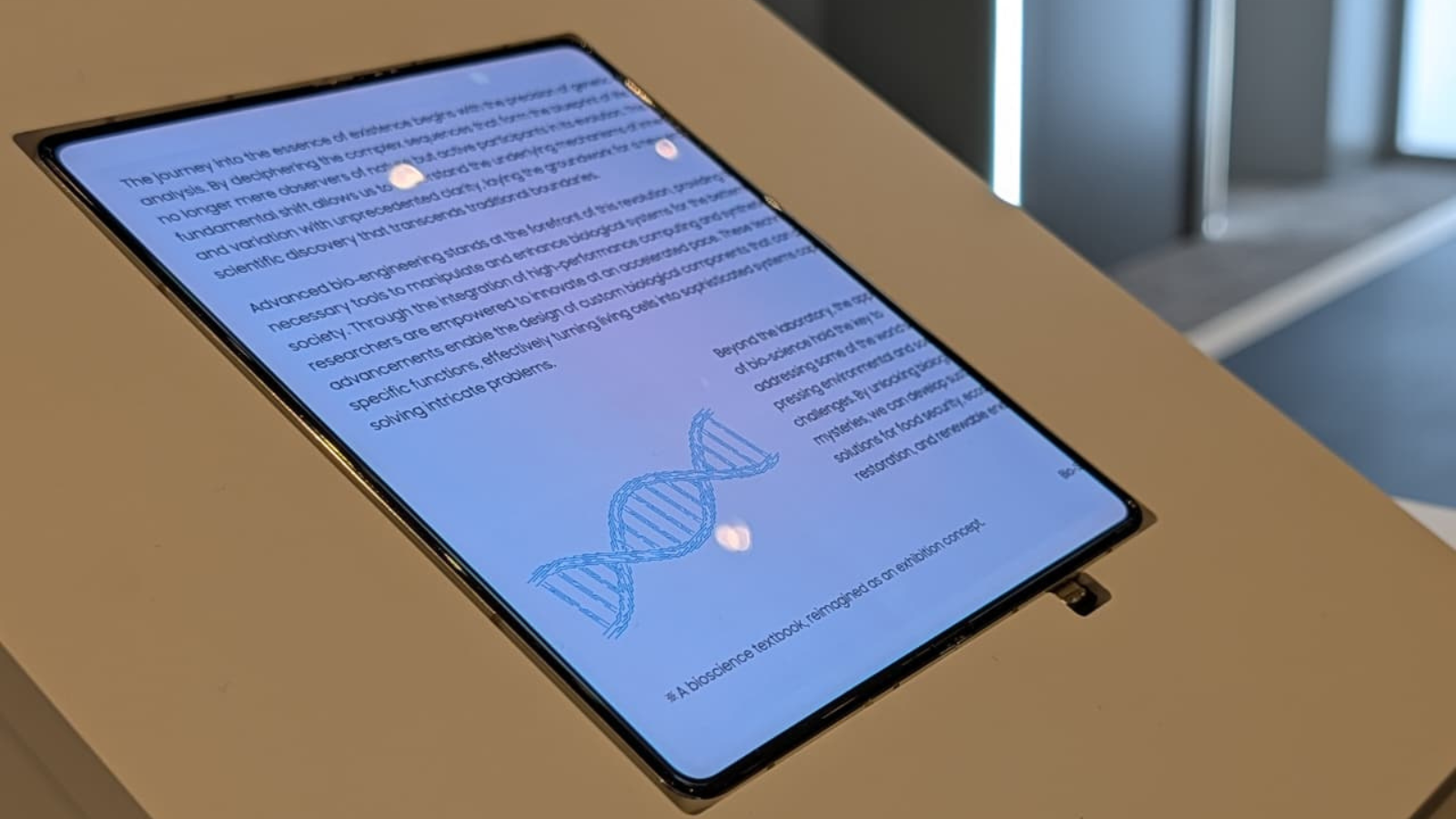
The smartphone industry stands at a critical juncture. After years of iterative updates, consumers are signaling a clear shift: either they no longer find incremental upgrades compelling enough to warrant frequent purchases, or they are actively seeking a truly differentiated experience, one they are prepared to pay a premium for. In this evolving landscape, Samsung, the undisputed global leader in smartphone manufacturing, is confronting arguably its most significant challenge yet. The South Korean tech behemoth is tasked with delivering an ultra-premium device that not only reshapes consumer perception but also fundamentally alters the dynamics of a smartphone market grappling with sluggish demand and a noticeable absence of high-profile launches. This ambitious goal comes amidst formidable economic headwinds, including a looming memory chip supply crunch and geopolitical tensions stemming from the Iran conflict, both threatening to escalate costs and further impede growth.
Main Facts: A New Era for Foldables
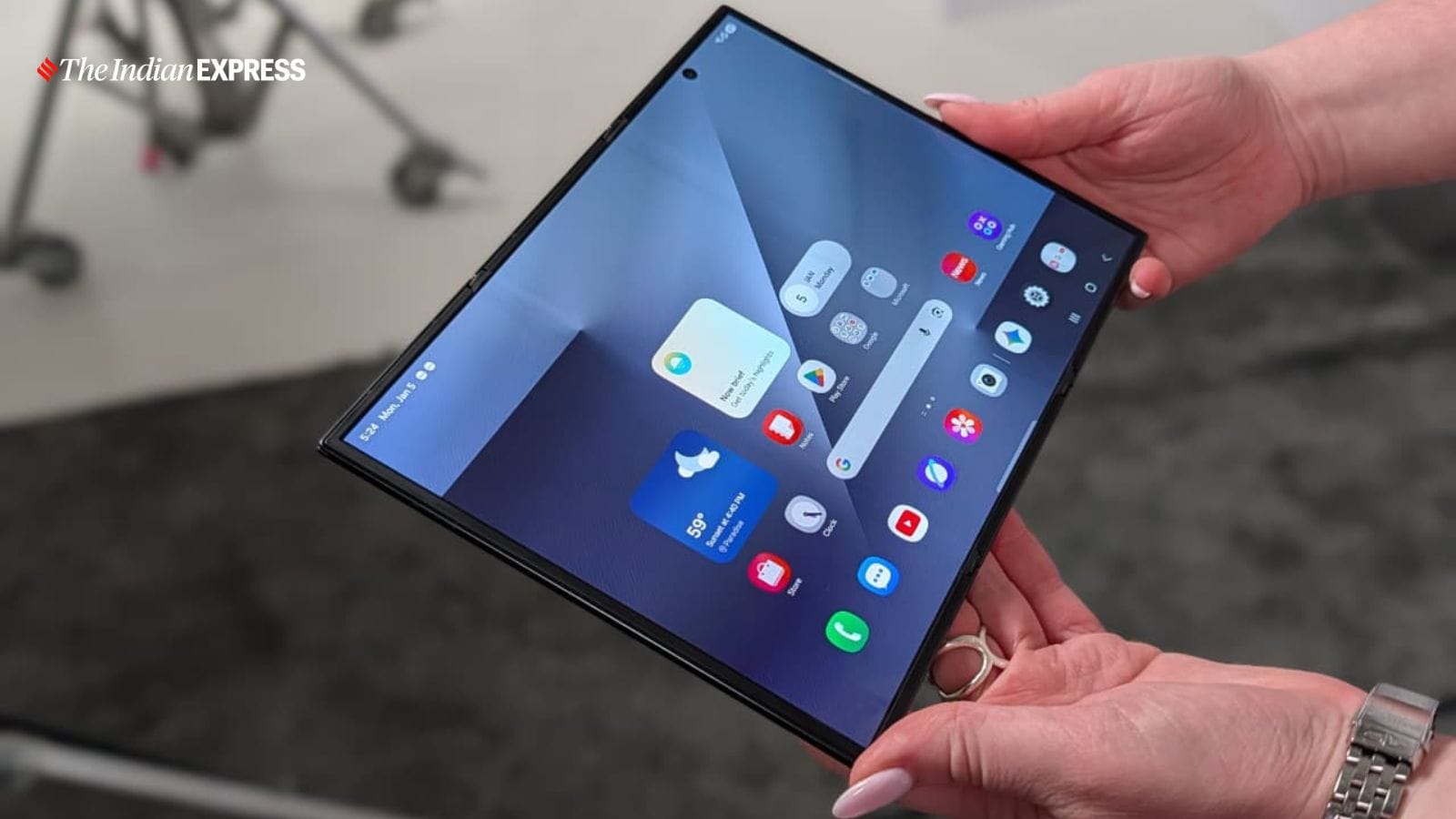
Next week, all eyes will be on London as Samsung hosts its highly anticipated launch event. The centerpiece is expected to be a groundbreaking high-end smartphone, rumored to be a wider foldable designed to appeal to an affluent customer base willing to invest in cutting-edge technology. This device is believed to feature a "passport" aspect ratio, presenting a wider, more boxy design when folded, which then unfolds into a spacious, tablet-sized display. This strategic move is not merely about introducing a new product; it’s about pioneering a new form factor within the foldable segment, aiming to capture the imagination of users seeking a more immersive content consumption experience. Alongside this flagship, several other new products, including smartwatches and potentially smart glasses, are expected to be unveiled, reinforcing Samsung’s broader ecosystem strategy.
Samsung is no stranger to the foldable frontier. The company bravely entered this nascent market in 2019, launching one of the very first foldable smartphones. Since then, it has meticulously expanded its lineup, establishing two distinct and popular form factors: the book-style Galaxy Z Fold, catering to productivity-focused users, and the clamshell-style Galaxy Z Flip, appealing to those seeking a compact yet stylish device. This consistent innovation has solidified Samsung’s position as the pioneer and market leader in the foldable space.
Earlier this year, the company briefly ventured into an even more experimental territory with a $3,000 tri-fold design that unfurled into an expansive tablet-sized device. However, sales of this highly ambitious model were wound down less than two months after its launch, indicating either a lack of market readiness or inherent design challenges. Undeterred, Samsung appears ready to pivot, focusing its latest experimental efforts on a new wider foldable phone, tentatively dubbed the Galaxy Z Fold 8 Wide.
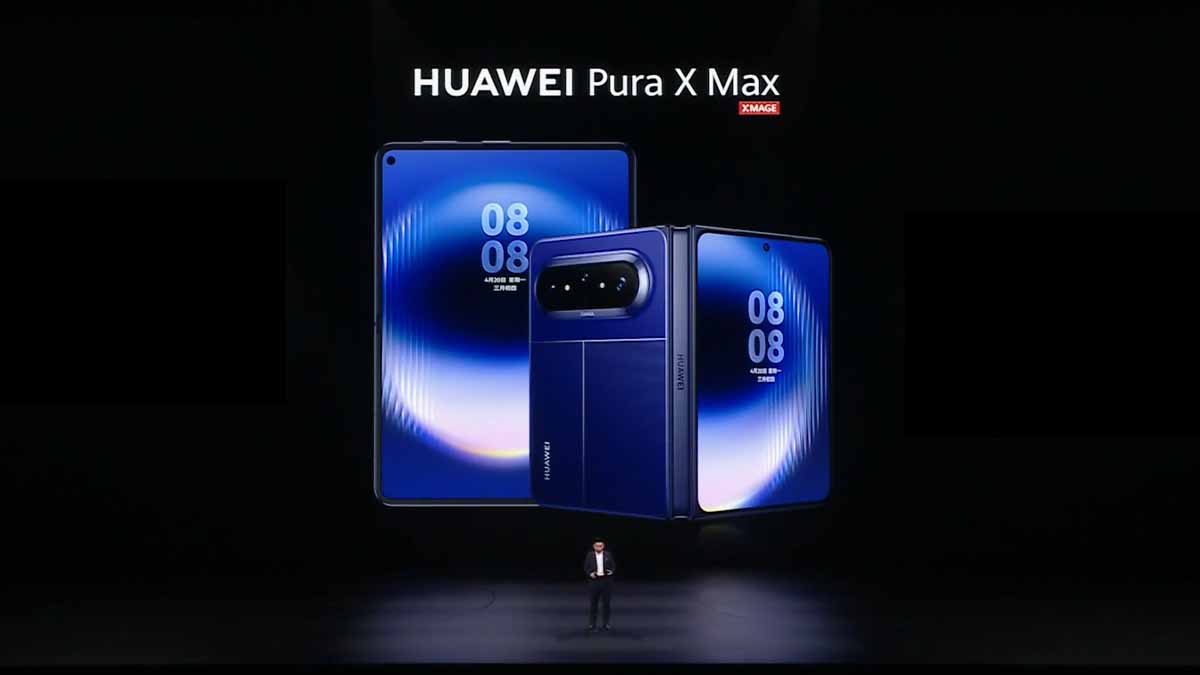
The concept of a "wide phone" isn’t entirely novel. In 2020, Microsoft introduced the Surface Duo, a device that achieved a wide screen by combining two separate displays rather than a single folding panel. Long before that, in 2014, BlackBerry launched the Passport, a smartphone explicitly named for its dimensions, which closely mirrored a physical passport. This unique device featured a QWERTY keyboard below its display and notably did not fold. More recently, in a significant development that underscores the burgeoning trend, Huawei unveiled the Pura X Max this year. This wide-screen foldable phone is already available for purchase, though currently exclusive to the Chinese market.

Chronology: A History of Foldable Evolution
Samsung’s journey with foldables began with a bold step into uncharted territory in 2019. The initial Galaxy Fold, while groundbreaking, faced early durability concerns that Samsung quickly addressed, demonstrating its commitment to the technology. This early experience laid the foundation for subsequent, more refined iterations.
The evolution saw the introduction of two distinct lines: the Galaxy Z Fold series, which offers a larger, tablet-like screen when unfolded, targeting users who prioritize productivity and a larger display for multitasking; and the Galaxy Z Flip series, a compact, fashion-forward clamshell design that folds down to a pocketable size, appealing to a different demographic. Each generation brought improvements in hinge design, display durability, and software optimization, steadily improving the user experience and increasing market acceptance.
The brief flirtation with the tri-fold device, while commercially unsuccessful, highlights Samsung’s aggressive R&D strategy and its willingness to push boundaries. The rapid discontinuation suggests that the market wasn’t ready for such a complex form factor, or perhaps the device itself presented compromises in terms of usability or cost-effectiveness that made it unviable for mass production. However, it also provided invaluable lessons that likely informed the development of the current wider foldable design.
The re-emergence of wider form factors, as seen with Huawei’s Pura X Max, indicates a broader industry trend. Huawei’s device, with its 5.4-inch cover display expanding to a 7.7-inch internal screen, provides a contemporary example of a squat, wide design. This historical context from both Samsung’s internal experiments and competitor offerings positions Samsung’s upcoming launch not as an isolated innovation, but as a strategic response to evolving market demands and technological capabilities.
Supporting Data: Market Shifts and Expert Insights
The smartphone market has indeed reached a "turning point," as described by industry analysts. Consumers are no longer impressed by marginal improvements in camera resolution or processing speed. What they seek is a fundamentally different interaction model or a significant enhancement to their daily digital lives. This quest for differentiation is driving the push towards foldables, and specifically, new form factors within this segment.
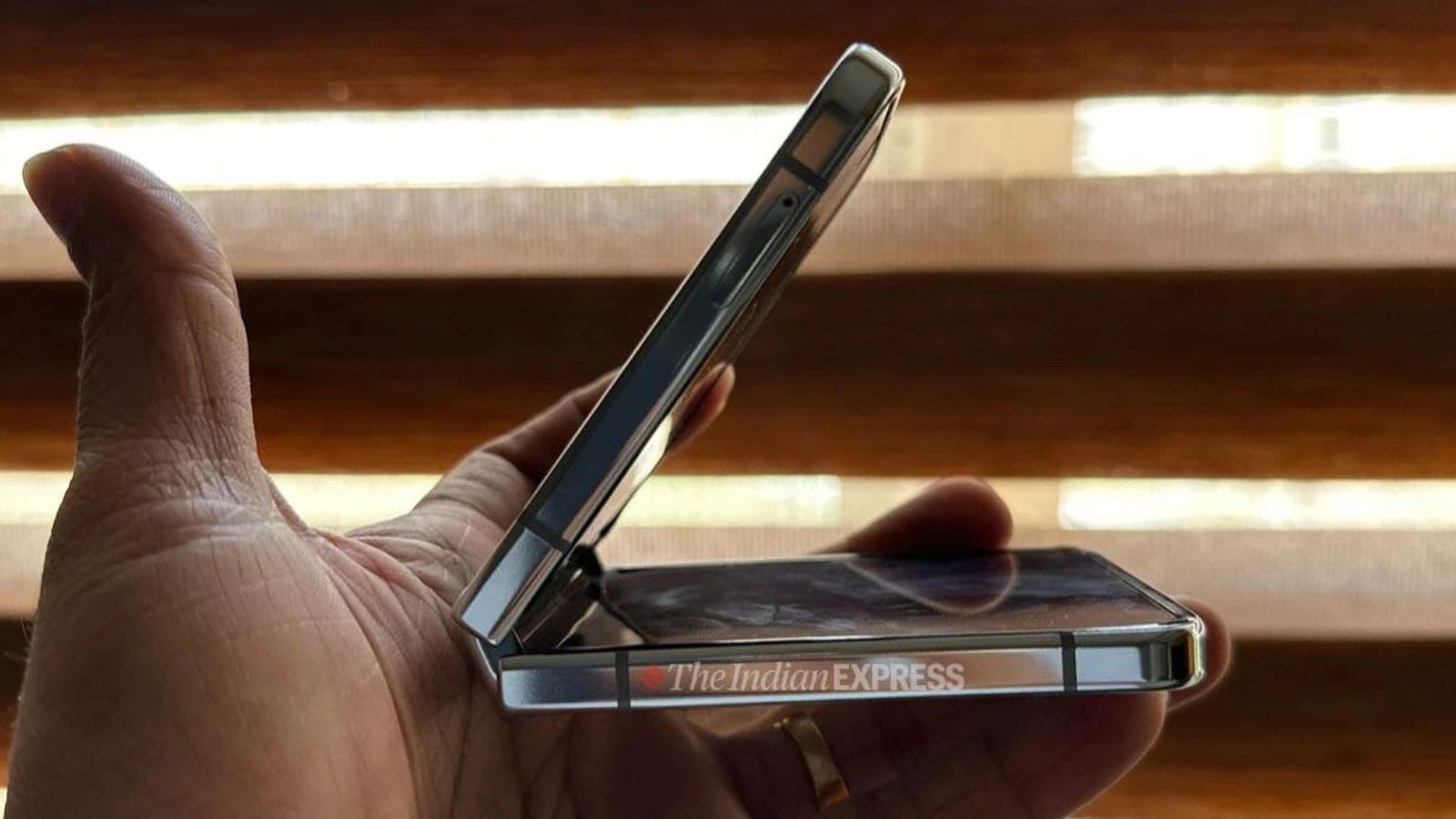
Francisco Jeronimo, Vice President of Client Devices at the market research firm IDC, provides critical insight into this strategic pivot. He notes that the "passport-style [phone] that Samsung is introducing addresses that compromise directly, and therefore, is targeted to consumers rather than professional users." Jeronimo elaborates that this aspect ratio is "better matched to video and content consumption, and unfolded it offers a larger, more tablet-like canvas." This directly contrasts with the traditional book-style foldables, which, while offering a larger screen, often have proportions less suited for media viewing, leading to significant black bars.
However, Jeronimo also highlights the trade-offs: "when closed, it remains an uncommon format that is awkward to carry in a pocket, and typing takes up most of the available screen, so it is less practical than a standard smartphone in its folded state." This underscores the ongoing challenge of balancing innovation with practicality and ergonomics. The decision to launch a wider variant alongside a potentially updated book-style option, like the rumored Galaxy Z Fold 8 Ultra, suggests Samsung is preparing for a market divergence rather than betting on a single dominant form factor. "The book style leans towards professional and productivity users who value a familiar closed experience, while the passport style appeals to those who prioritise content and viewing," Jeronimo adds, concluding, "I don’t think the market will converge on one winner. Buyers will select based on their primary use case, and Samsung is adding a new format to prepare for that divergence rather than assuming that a single form factor will dominate.”
Runar Bjorhovde, principal analyst at Omdia, offers a detailed perspective on the financial aspects and market penetration of foldables. He acknowledges that foldables remain a niche category, primarily due to their premium price tags, with the current-generation Galaxy Z Fold 7 retailing at $2,000. Despite this, he observes a segment of consumers who are unequivocally "willing to pay the premium." Bjorhovde projects a robust year for foldable growth in 2026, with shipments anticipated to surge by 33 percent to 27.1 million units. However, it’s crucial to contextualize this growth: the segment accounted for just over 18 million units, or a mere 1.5 percent, of the 1.23 billion smartphones sold globally in 2025.
Regionally, China leads the charge in foldable adoption, with approximately 3.3 percent of smartphone sales in 2025 attributed to these devices, largely fueled by fierce competition among domestic brands like Huawei. Outside China, adoption rates are lower, with North America at 2.1 percent and Western Europe at 1.4 percent. Samsung maintains its position as the dominant player in the global foldable market, while competitors like Motorola and Honor have strategically focused on specific market segments.
Bjorhovde further emphasizes the financial implications: "Foldables have an average selling price around four times higher than traditional smartphones, while flip-style folding phones are about twice as expensive." However, this comes with significantly higher research and development costs and complex manufacturing processes, adding substantial expense to each device. The commercial failure of a foldable phone can lead to "substantial financial losses" from unsold inventory, making this a high-stakes game that "only a few brands can afford to take that risk." He succinctly illustrates this point: "A 50 per cent discount on a $2000 phone is still a very expensive phone." This highlights the immense pressure on Samsung to ensure commercial success with its new wider foldable.
Official Responses (Expert Analysis): The Strategic Imperative
While no direct "official responses" from Samsung are available in the provided text, the insights from industry analysts like Francisco Jeronimo and Runar Bjorhovde serve as expert interpretations of Samsung’s strategic decisions. Their analyses effectively articulate the "why" behind Samsung’s actions, acting as an informed proxy for official positioning.
Jeronimo’s assessment that Samsung is targeting "consumers rather than professional users" with the passport-style phone, and that it aims to cater to both content consumption and productivity users by offering diverse form factors, is a key takeaway. This suggests Samsung understands the nuances of user preferences and is proactively diversifying its foldable portfolio to capture a broader market. His statement about the market not converging on a single winner and Samsung’s preparation for "divergence" underlines a sophisticated understanding of market segmentation.
Bjorhovde’s analysis on Average Selling Price (ASP) and the high costs associated with foldable R&D and manufacturing reveals the underlying economic pressure. His observation that "devices that can generate revenue and profit have become even more important – which happens in the premium segment" directly explains why Samsung is pushing into the ultra-premium foldable space. It’s a calculated move to boost ASPs and profitability in a mature market where unit growth is slowing. Furthermore, his comment about Samsung’s role as a key supplier for Apple’s foldable project underscores Samsung’s broader influence and the strategic advantage gained from its decade of foldable innovation. These expert insights paint a clear picture of Samsung’s calculated and multi-faceted strategy.
Implications: Reshaping the Premium Segment
The implications of Samsung’s wider foldable launch are far-reaching, potentially reshaping the entire premium smartphone segment.
The Shift to Wider Foldables: Mainstreaming a New Design
Samsung may not be the first to launch a wide foldable, but its global market presence and marketing prowess mean it could be the company that finally makes the passport-shaped smartphone with a flexible screen mainstream in major markets like the US, UK, and India. While Huawei’s Pura X Max has a squat shape, a similar design with a shorter and wider profile is expected from the Galaxy Z Fold 8 Wide. This design promises to significantly enhance the content consumption experience, a critical factor for modern smartphone users.
Balancing Act: Content vs. Productivity
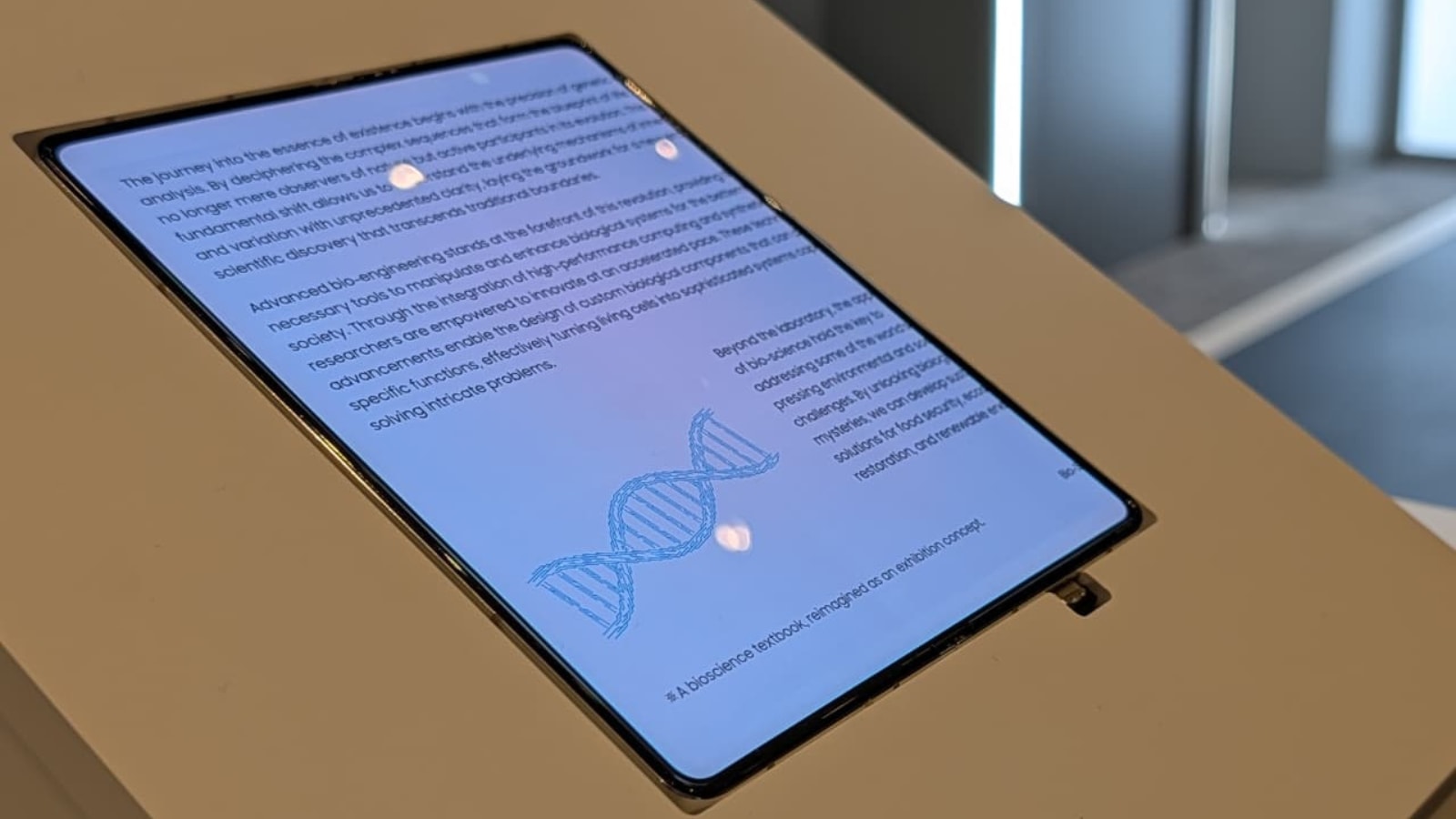
Samsung’s strategy of introducing a wide foldable alongside its traditional book-style option (likely the Galaxy Z Fold 8 Ultra) signifies a nuanced understanding of consumer needs. The "passport-style" is explicitly designed for content consumption, offering a 4:3 screen that feels ideal for reading, browsing, or watching videos without distracting black bars. This aspect ratio makes media look more natural and immersive, addressing a long-standing criticism of some book-style foldables which, despite their larger screens, were less optimized for video.
Conversely, the book-style remains geared towards professional and productivity users, providing a familiar phone experience when closed and a larger canvas for multitasking when open. This dual-pronged approach acknowledges that different users prioritize different functionalities, and Samsung aims to cater to both, preparing for a divergence in consumer preferences rather than forcing a single form factor.
The Apple Effect: Pre-emptive Strike and Market Validation
The timing of Samsung’s wide foldable launch, weeks ahead of the rumored Apple iPhone Fold (or iPhone Ultra), is strategically significant. It’s a calculated move to reduce Apple’s potential "first-mover advantage" in this specific wide foldable form factor. If Apple does indeed adopt a wider foldable design, as speculated – perhaps featuring an outer screen akin to a compact iPhone and an unfolded display offering an iPad mini-style workspace – it would validate Samsung’s direction and accelerate the adoption of this new form factor. The entry of both tech giants into the "passport-style" segment could very well establish it as a new standard for foldable devices.
The Ultra-Premium Drive: Boosting ASPs Amidst Economic Headwinds
The emphasis on ultra-premium foldables is a direct response to the stagnant smartphone market. With saturation in many mature markets, driving revenue growth through unit sales alone is increasingly difficult. Instead, companies are focusing on increasing the Average Selling Price (ASP) of their devices. Foldable smartphones, by their nature and advanced technology, command significantly higher prices. This allows brands like Samsung to maintain and even grow revenue despite flat or declining unit shipments.
However, this strategy is not without risks. The substantial R&D and manufacturing costs associated with foldables mean that commercial failure can lead to severe financial losses. This restricts the number of players who can afford to innovate in this space, effectively solidifying the positions of giants like Samsung and Huawei who have the financial muscle to absorb such risks.
The Chip Crunch and Geopolitical Fallout: A Test of Resilience
The global memory chip shortage, exacerbated by the booming demand from AI data centers, is driving up chip prices dramatically. This, coupled with the potential for geopolitical tensions like the Iran conflict to further disrupt supply chains and increase costs, creates a challenging environment for smartphone manufacturers. As Runar Bjorhovde noted, DRAM costs in Q2 2026 were 4-5 times higher than in Q2 2025, forcing companies like Apple and Samsung to hike product prices.
Despite these significant cost pressures, Samsung’s decision to proceed with its launch schedule demonstrates remarkable confidence in its supply chain resilience and its strategic imperative to dominate the premium segment. It highlights that in such an environment, devices capable of generating substantial revenue and profit, i.e., ultra-premium flagships, become even more critical for a company’s financial health.
Ecosystem Loyalty and Broader Industry Influence
The London event is expected to unveil not just the new foldable but also new smartwatches and possibly smart glasses. This signifies Samsung’s broader strategy of locking customers into its Galaxy ecosystem. In markets where smartphone ownership is nearing saturation and users are holding onto devices longer, loyalty to an integrated ecosystem of products and services becomes crucial for sustained revenue.
Beyond its own product sales, Samsung’s influence extends across the entire industry. As Bjorhovde points out, Samsung is a critical supplier of display and semiconductor innovations to other brands. Its decade of pioneering work in foldable display technology positions it as a key partner, even for rivals like Apple, in their own foldable ventures. This dual role – as a leading product innovator and a foundational technology supplier – solidifies Samsung’s strategic importance and long-term viability in the global tech landscape.
Conclusion
Samsung’s upcoming London event and the anticipated launch of its wider foldable phone represent a high-stakes gamble in a rapidly evolving market. The company is not merely introducing a new device; it is attempting to redefine consumer expectations, drive Average Selling Prices in a stagnant market, and strategically position itself against impending competition from tech giants like Apple.
The shift towards wider foldables, designed specifically for enhanced content consumption, reflects a keen understanding of modern user preferences. While trade-offs in portability and one-handed use may exist, the promise of an immersive, tablet-like canvas in a pocketable form factor is compelling. As the memory chip crunch and geopolitical uncertainties continue to exert pressure on costs, Samsung’s unwavering commitment to launching these ultra-premium devices underscores their critical role in maintaining profitability and market leadership.
Ultimately, the success of the Galaxy Z Fold 8 Wide will hinge on consumer readiness to embrace a new form factor and pay a premium for a truly differentiated experience. If successful, Samsung will not only reaffirm its position as an innovation powerhouse but also accelerate the mainstream adoption of foldable technology, ushering in a new era for premium smartphones where form factor diversity caters to an increasingly segmented user base. The future of the smartphone market, particularly its high-end segment, may very well unfold with a wider, more immersive view.
