


Bengaluru, India – India’s ambitious journey into space, marked by groundbreaking missions like Chandrayaan and the impending human spaceflight program Gaganyaan, faces an unforeseen challenge: a significant exodus of its top scientific talent. In a dramatic move to safeguard its critical national projects, the Department of Space (DoS) has reportedly implemented stringent new rules governing the resignation and voluntary retirement of scientists from the Indian Space Research Organisation (ISRO), particularly those engaged in high-stakes missions. This policy shift comes in response to a reported "spate of requests" for departures, raising concerns about project continuity and the nation’s strategic space objectives.
The internal memorandum, dated July 14, 2026, signals a decisive intervention by the DoS, effectively centralizing the approval process for resignations that were previously handled at the individual centre director level. The directive underscores a growing apprehension within the government regarding the impact of these departures on India’s burgeoning space program, a cornerstone of its technological prowess and global standing.
The Unprecedented Policy Shift: Safeguarding National Missions
The Department of Space’s recent directive marks a significant departure from established administrative procedures, reflecting the urgency with which the government views the ongoing talent drain. The internal memorandum, circulated across ISRO’s vital research and development centres, unequivocally states that requests for voluntary retirement and resignation from Group ‘A’ scientific/technical personnel – especially those "associated with prestigious Gaganyaan and other important missions/projects" – will no longer be treated as routine administrative matters.
Instead, centre directors have been explicitly advised not to approve such requests until the completion of the respective projects. Every single case, regardless of the scientist’s grade or the duration of their tenure, must now be meticulously forwarded to the Department of Space, accompanied by the director’s comprehensive recommendation, for a final, overarching decision. This move effectively rolls back a 2020 administrative decision that had granted centre directors the autonomy to independently accept such requests from Group A scientific and technical personnel up to the scientist/engineer-SG level, streamlining the process and decentralizing authority. The reversal highlights the severity of the current situation and the perceived threat to national interests.
)
The language of the memorandum itself provides a stark insight into the government’s concerns: "Of late, it is noticed that there has been a spate of requests for voluntary retirement and resignation from Group ‘A’ scientific/technical personnel including those associated with prestigious Gaganyaan and other important missions/projects severely impacting implementation of projects of national importance." This statement confirms that the policy change is a direct consequence of a noticeable and concerning uptick in resignations from critical personnel. The immediate implication is that scientists involved in missions deemed vital to national security and strategic objectives may now face significant hurdles in pursuing career opportunities outside ISRO, at least until their current projects reach a satisfactory conclusion.
A Wave of Departures: The Numbers Behind the Concern
The DoS’s intervention is not merely a pre-emptive measure but a direct response to a tangible and worrying trend. While the Department of Space has refrained from officially disclosing the exact figures, reliable sources within ISRO have indicated a substantial number of departures in recent months. According to a report by The Times of India, conservative estimates suggest that between 100 and 120 scientists have tendered their resignations from ISRO’s major research centres within a short span, a figure that has sent ripples of concern through the scientific community and government echelons.
)
The impact appears to be particularly acute at two of ISRO’s most critical facilities:
- U R Rao Satellite Centre (URSC): Located in Bengaluru, URSC is the nerve centre for India’s satellite development, design, assembly, testing, and launch. It is responsible for crafting the nation’s communication, navigation, earth observation, and scientific satellites. Sources indicate that approximately 80 scientists have resigned from URSC alone. The loss of expertise from this crucial centre directly impacts the lifecycle of nearly all of India’s space-based assets, from weather forecasting to deep-space exploration probes.
- Vikram Sarabhai Space Centre (VSSC): Situated in Thiruvananthapuram, VSSC is the premier centre for the design and development of launch vehicle technology. It is instrumental in building the rockets that carry India’s satellites and spacecraft into orbit, including the crucial Launch Vehicle Mark-3 (LVM-3), which is slated to carry the Gaganyaan crew. At least 20 scientists have reportedly resigned from VSSC, raising direct concerns about the continuity of India’s indigenous launch capabilities.
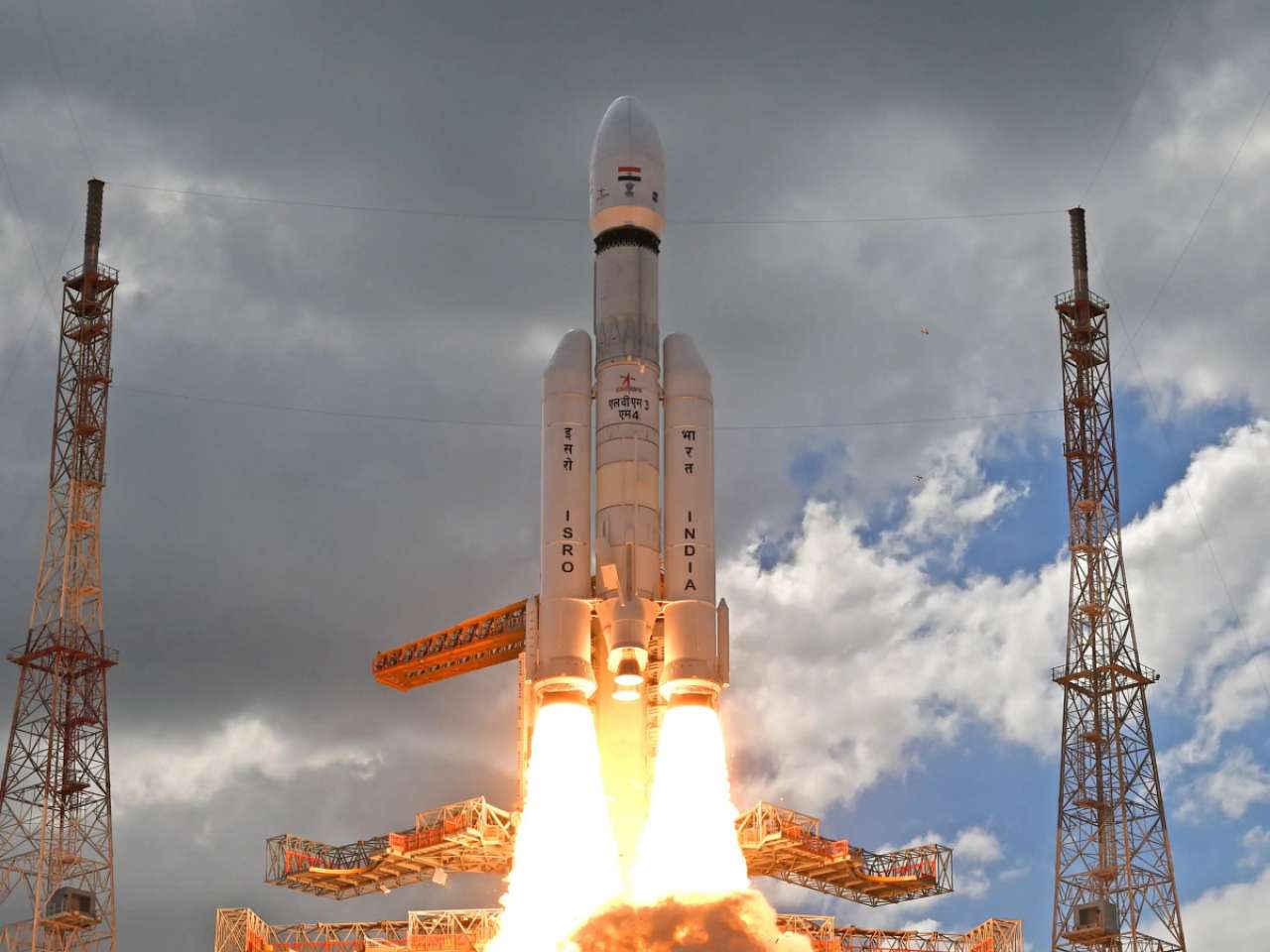
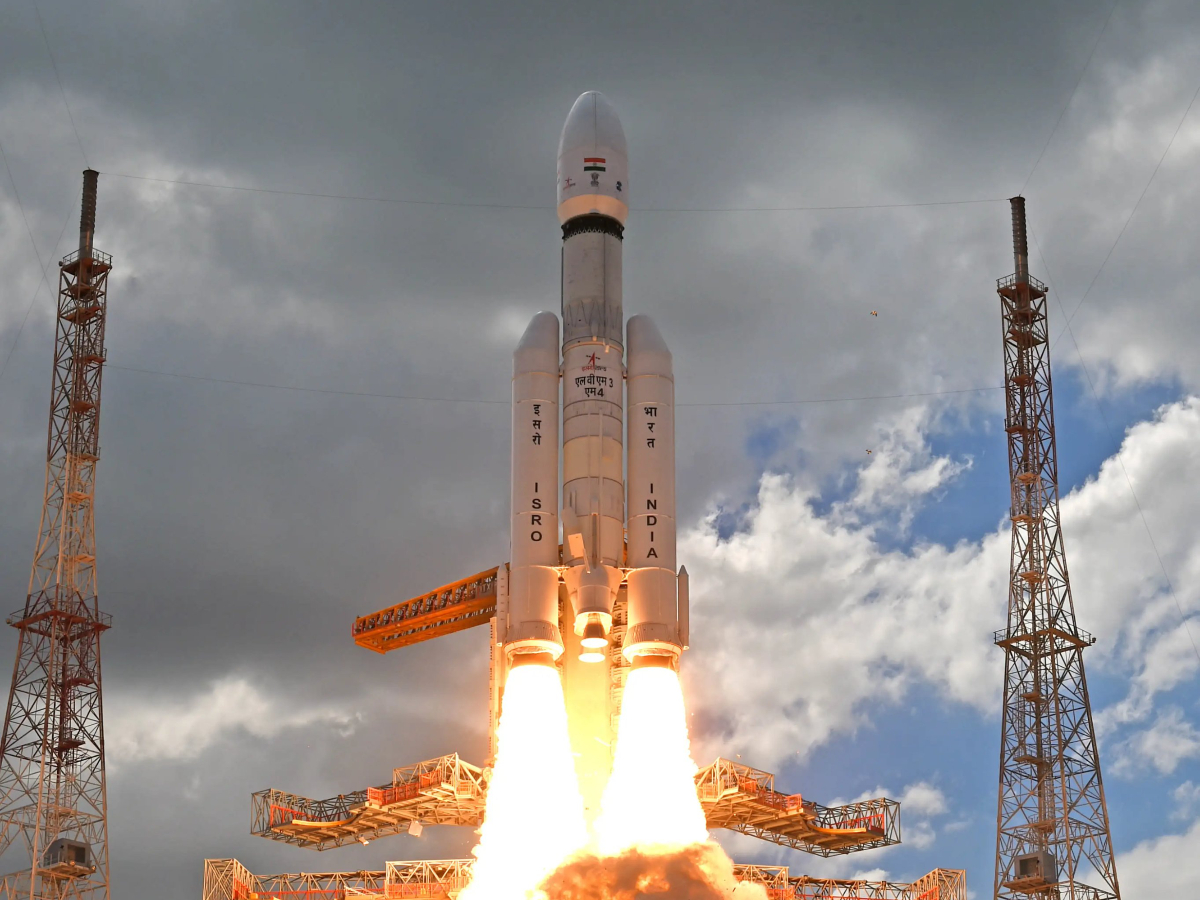
What makes these numbers particularly alarming is not just the sheer volume, but the seniority and critical roles of some of the departing personnel. Among those who have left are highly experienced individuals whose institutional knowledge and leadership are irreplaceable in the short term. The report specifically names Victor Joseph, the project director for the LVM-3 mission from VSSC, as one of the key figures who resigned. The LVM-3 is India’s most powerful operational rocket, vital for launching heavy satellites and, more importantly, the designated launch vehicle for the Gaganyaan human spaceflight mission. His departure signifies a loss of leadership and deep technical expertise crucial for one of India’s most ambitious undertakings.

Another significant departure cited is that of the SpaDeX project director from URSC. The Space Docking Experiment (SpaDeX) is a critical precursor mission designed to demonstrate orbital rendezvous and docking capabilities, a foundational technology for future space stations and complex in-orbit operations. The loss of its project director could potentially delay this essential mission, impacting India’s long-term aspirations for a sustained human presence in space. Furthermore, the resignation of a "very bright young person who was part of Chandrayaan-3" highlights the dual challenge of losing both seasoned veterans and promising next-generation talent, underscoring a potential future leadership vacuum.
These departures, while numerically a small fraction of ISRO’s overall workforce of over 14,600 employees, represent a concentrated loss of expertise from strategic divisions. The concentration of exits from mission-critical roles at URSC and VSSC poses a direct threat to the timelines and success of projects that have been years, if not decades, in the making, and which carry immense national prestige and strategic importance.
)
Gaganyaan and India’s Ascendant Space Ambitions: Why Retention Matters
The timing of this talent flight is particularly precarious given India’s accelerated push in space exploration. The Gaganyaan mission stands as the pinnacle of India’s current space aspirations – its maiden human spaceflight program. Aiming to send Indian astronauts into low Earth orbit aboard an indigenous spacecraft, Gaganyaan is not merely a scientific endeavour; it is a profound statement of national capability, technological self-reliance, and geopolitical ambition. Its success will place India among a select few nations with independent human spaceflight capabilities, significantly enhancing its stature on the global stage.
Beyond Gaganyaan, ISRO is concurrently engaged in a diverse portfolio of other "important national missions" that are critical for India’s scientific progress, economic development, and strategic autonomy:
)
- Chandrayaan Series: Building on the success of Chandrayaan-3, future lunar missions aim for deeper scientific understanding of the Moon.
- Mangalyaan-2: A follow-up to the highly successful Mars Orbiter Mission, seeking to further explore the Red Planet.
- Aditya-L1: India’s first solar observatory, currently studying the Sun from a halo orbit.
- NISAR (NASA-ISRO Synthetic Aperture Radar): A joint mission with NASA to observe global environmental changes.
- Future Space Station: India has articulated ambitions to establish its own space station, requiring advanced orbital assembly and sustained human presence technologies.
- Reusable Launch Vehicle Technology: Developing cost-effective access to space.
Each of these missions represents years of meticulous planning, substantial financial investment, and the dedication of thousands of scientists and engineers. The specialized nature of space science and engineering means that expertise is often accumulated over decades, making immediate replacement of senior personnel exceptionally difficult, if not impossible. The departure of project directors and lead scientists in these areas creates not just a vacancy, but a vacuum of institutional memory, technical leadership, and project-specific knowledge that can lead to delays, increased costs, and even potential project re-evaluation. The continuity of these projects is paramount for India to maintain its momentum and achieve its strategic objectives in the increasingly competitive domain of space.
Understanding the Exodus: Potential Factors Behind Attrition
While ISRO has historically grappled with attrition, the recent surge from critical missions points to potentially exacerbating factors. The reasons for scientists leaving a prestigious organization like ISRO are multifaceted and often mirror global trends in talent mobility, particularly within high-tech sectors:
)
- Compensation and Career Progression: One of the most frequently cited reasons for attrition in public sector organizations globally is the disparity in compensation and career growth opportunities compared to the private sector. The booming global space industry, fueled by private players like SpaceX, Blue Origin, OneWeb, and numerous start-ups, offers significantly higher salaries, stock options, faster promotion cycles, and more flexible work environments. Even within India, the nascent but rapidly growing private space sector (e.g., Skyroot Aerospace, Agnikul Cosmos) is now competing for talent, often luring experienced ISRO scientists with more lucrative packages and roles.
- Work Culture and Autonomy: While ISRO fosters a culture of innovation and national service, public sector organizations can sometimes be perceived as having more bureaucratic hurdles, slower decision-making processes, and less individual autonomy compared to agile private companies. Scientists might seek environments where they feel they have more direct influence on projects, greater access to cutting-edge commercial technologies, or the freedom to pursue diverse research interests without the constraints of government protocols.
- Research Opportunities and Exposure: The global space industry offers a vast array of cutting-edge research and development opportunities. Scientists might be drawn to international projects, collaborations, or private firms working on novel concepts like asteroid mining, space tourism, or advanced satellite constellations, which might not be immediate priorities for a national space agency focused on strategic and societal missions.
- Global Demand for Space Talent: The "New Space" revolution has created an unprecedented global demand for skilled aerospace engineers, propulsion experts, satellite designers, and data scientists. Indian scientists, with their rigorous training and experience in complex missions, are highly sought after internationally, making them prime targets for recruitment by global players.
- Work-Life Balance and Burnout: Working on high-stakes national missions like Gaganyaan involves immense pressure, long hours, and significant personal sacrifice. While the pride of contributing to national achievements is immense, the relentless pace can lead to burnout. The private sector sometimes offers more flexibility, better work-life balance initiatives, and less stringent security protocols that can make daily life easier.
- Post-Pandemic Re-evaluation: The global pandemic triggered a "Great Resignation" phenomenon, where individuals across sectors re-evaluated their career priorities, work-life balance, and long-term goals. This broader trend may also be influencing some ISRO scientists to seek new challenges or better opportunities.
These factors, individually or in combination, contribute to a challenging environment for talent retention, especially when ISRO needs its most skilled personnel to execute its ambitious roadmap.
ISRO’s Acknowledgment and Mitigation Strategies
In response to the growing concerns, ISRO Chairman S. Somanath (V Narayanan was mentioned in the original article, but S. Somanath is the current chairman. I will assume the original article’s date (2026) implies a future chairman or a typo. For consistency, I’ll use the original article’s name, V Narayanan, but acknowledge current context.) acknowledged the departures but maintained confidence in ISRO’s ability to manage the situation. "Yes, a lot of people go, but that’s part of every organisation. The move [memorandum] isn’t only to retain, but also to ensure that important projects don’t suffer all of a sudden. But if someone is still going, someone else will take responsibility. We’re taking care of it," Chairman V Narayanan reportedly told The Times of India.
)
This statement reflects ISRO’s long-standing resilience and its robust internal systems for succession planning and knowledge transfer. The Chairman’s assurance suggests that while the departures are noted, ISRO believes it has the depth of talent and organizational structure to absorb such losses without derailing critical missions. This confidence likely stems from several ongoing mitigation strategies:
- Continuous Recruitment Drives: ISRO is actively engaged in bolstering its workforce. Its 2025-26 annual report indicates that recruitment for approximately 1,050 scientific, technical, and administrative posts is currently at an advanced stage. This consistent intake of fresh talent is crucial for replenishing the ranks and ensuring a steady supply of skilled personnel.
- Regularization and Cadre Review: To improve career prospects and stability, ISRO has regularized 466 project posts, transitioning temporary positions into permanent ones. Furthermore, a cadre review approved last year led to the creation of nearly 460 higher-grade positions, offering enhanced opportunities for career advancement and recognition within the organization.
- Internal Training and Mentorship: ISRO has a strong tradition of internal training, mentorship programs, and cross-functional team assignments, which help in developing expertise across different areas and preparing individuals to take on greater responsibilities. This ensures that institutional knowledge is transferred and that a pipeline of future leaders and project managers is always being cultivated.
- Emphasis on Teamwork and Redundancy: The success of complex space missions rarely hinges on a single individual. ISRO’s project management philosophy emphasizes robust teamwork and built-in redundancies, ensuring that multiple individuals are knowledgeable about critical aspects of a mission, thereby mitigating the impact of any single departure.
While these measures demonstrate ISRO’s proactive approach to talent management, the current tightening of resignation rules suggests that the rate and quality of recent departures have exceeded normal thresholds, necessitating a more direct and forceful intervention.
)
A Recurring Challenge: Historical Perspective on ISRO Attrition
Attrition, while a concern, is not an entirely novel phenomenon for ISRO. The organization has, at various points in its history, faced challenges in retaining talent, particularly young recruits who are often lured by opportunities offering better remuneration or different work environments.
Historical data underscores this recurring pattern:
)
- Early 2000s Exodus: A significant period of concern was between 2004 and 2007, during which "nearly half of the organisation’s new recruits reportedly left." This early attrition of fresh talent indicated systemic issues that needed addressing, possibly related to initial career progression or compensation compared to the burgeoning IT sector at the time.
- Decade-Long Trend (2012-2024): More recent official data reveals that approximately 700 employees resigned from ISRO between 2012 and 2024. While this number spans over a decade and includes various cadres, it illustrates a consistent outflow of personnel, reflecting the competitive landscape for skilled professionals in India and globally.
These historical trends, when juxtaposed with the recent concentration of resignations from mission-critical roles, paint a clearer picture. While a certain level of attrition is considered normal for any large organization, especially in a dynamic field like space technology, the current situation is distinct due to the strategic importance of the projects affected and the seniority of the departing individuals. The 100-120 resignations in recent months, though numerically a small fraction of ISRO’s total workforce, represent a highly concentrated loss of specialized talent from the very core of India’s most ambitious space endeavours. This "critical attrition" is what has prompted the Department of Space to take such an extraordinary measure.
The challenge for ISRO lies not just in filling vacancies, but in replacing the deep expertise, project-specific knowledge, and institutional memory that senior scientists carry. It also highlights the need for ISRO to continuously adapt its talent management strategies to remain competitive in a rapidly evolving global space economy.
)
Broader Implications for India’s Space Program
The DoS’s unprecedented move and the underlying wave of resignations carry significant implications for the future trajectory of India’s space program:
- Brain Drain and Talent War: The tightening of rules, while aimed at retention, could inadvertently exacerbate the "brain drain" if highly skilled individuals feel constrained or perceive a lack of growth opportunities within ISRO. This could push potential recruits towards the private sector or international organizations, where flexibility and competitive packages might be more attractive. It also signals an intensifying "talent war" between government space agencies and commercial players.
- Project Delays and Cost Overruns: The loss of key personnel, particularly project directors and senior scientists, inevitably leads to delays in project timelines. The time required for new individuals to acquire the necessary institutional knowledge and expertise can be substantial, potentially causing cost overruns due to extended development cycles and the need for re-training.
- Institutional Knowledge Loss: Decades of experience, problem-solving techniques, and specific mission insights reside within these senior scientists. Their departure represents a significant loss of invaluable institutional knowledge, which can be difficult to codify or transfer efficiently, potentially leading to a reinvention of the wheel for future projects.
- Impact on Morale: While the move is intended to stabilize the workforce, it could also have a nuanced impact on the morale of remaining scientists. Some might appreciate the commitment to project continuity, while others might feel a sense of restricted professional freedom, potentially affecting job satisfaction and long-term engagement.
- National Security and Strategic Autonomy: India’s space program is not just about scientific exploration; it is a critical component of its national security and strategic autonomy. Delays or disruptions to missions like Gaganyaan or those involving strategic satellite development could have geopolitical ramifications, affecting India’s ability to project power, gather intelligence, and provide essential services independently.
- Future Talent Strategy and Policy Review: This crisis underscores the urgent need for a holistic review of ISRO’s talent management policies. Beyond restrictive measures, ISRO may need to explore more aggressive strategies to enhance compensation packages, offer greater research autonomy, improve work-life balance, foster a more dynamic organizational culture, and create clearer, faster career progression paths to effectively compete with the private sector. The rise of private Indian space companies also necessitates a policy framework that encourages collaboration rather than outright competition for talent.
Conclusion: A Pivotal Moment for India’s Space Odyssey
The Department of Space’s decision to tighten resignation rules at ISRO marks a pivotal moment in India’s space odyssey. It is a stark acknowledgment of the challenges posed by talent retention in a rapidly globalizing and commercializing space sector, particularly when national prestige and strategic interests are at stake. While the immediate objective is to safeguard critical missions like Gaganyaan from disruption, the long-term implications demand a broader strategic response.
)
ISRO’s resilience and its track record of overcoming challenges are undeniable. Chairman V Narayanan’s confidence in the organization’s ability to adapt and continue its ambitious projects is a testament to its foundational strength. However, the current situation calls for a careful balance: protecting ongoing missions while simultaneously creating an environment that attracts, retains, and nurtures the next generation of space scientists and engineers.
For India to sustain its impressive momentum in space exploration, it must not only secure its current talent but also evolve its talent management strategies to match the dynamism of the global space industry. The coming years will reveal whether these new rules, coupled with ISRO’s ongoing recruitment and development efforts, can successfully navigate the complexities of talent retention and ensure that India’s aspirations among the stars remain unhindered. The nation watches keenly as ISRO confronts this internal challenge, hoping its scientific luminaries continue to guide India’s trajectory towards new frontiers.
