

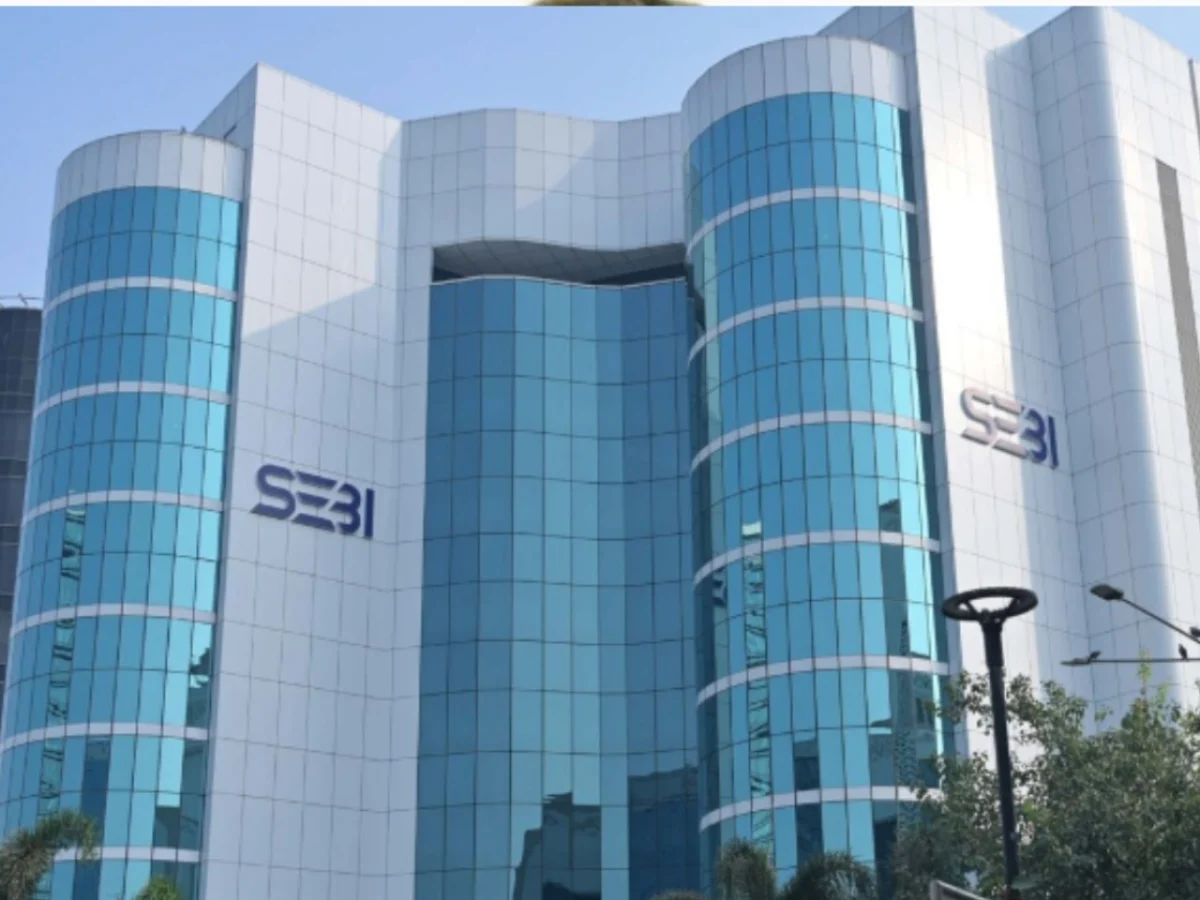
Mumbai, India – In a significant move underscoring its unwavering commitment to maintaining the sanctity and fairness of India’s capital markets, the Securities and Exchange Board of India (SEBI) has taken stringent action against two entities for alleged manipulative trading practices during the crucial Closing Auction Session (CAS) on a recent Sensex expiry day. The market regulator has issued an ex-parte interim order against Copthall Mauritius Investment Limited and Mansi Share and Stock Broking Private Limited, prohibiting them from accessing the securities markets and impounding wrongful gains totaling Rs 3.68 crore.
The regulatory crackdown comes after SEBI’s preliminary findings indicated highly unusual trading patterns on August 13, the Sensex expiry day, which appeared to directly influence the benchmark index’s final settlement price, thereby creating "asymmetric wrongful gains" in derivative positions. While SEBI has clarified that the evidence does not, prima facie, suggest the two entities acted in concert, their individual trading activities have been deemed egregious enough to warrant immediate and decisive intervention to protect market integrity and ensure fair price discovery. This development sends a clear message to all market participants about SEBI’s heightened vigilance against any attempts to exploit market mechanisms for illicit gains.
The Anatomy of Alleged Manipulation: Unpacking the Sensex Expiry Day Shock
The heart of SEBI’s interim order lies in the detailed analysis of trading activities during the Closing Auction Session (CAS) on August 13. The CAS is a critical window for determining the closing price of securities, especially on expiry days, as it impacts the final settlement of derivative contracts. Any undue influence during this period can have far-reaching consequences for the broader market and numerous participants.
A Day of Unusual Volatility: The August 13 Incident
On the fateful Sensex expiry day of August 13, SEBI’s surveillance systems flagged highly anomalous movements in the Sensex during the CAS. The regulator observed three distinct and sharp spikes in the index, each occurring within a remarkably short timeframe:
- A surge of 362.02 points in just two seconds.
- A subsequent rise of 132.67 points over a 12-second interval.
- A final, significant jump of 405.08 points within 28 seconds.
These rapid and substantial fluctuations, concentrated within the critical closing minutes, immediately raised red flags, prompting SEBI to initiate a thorough investigation into the trading patterns of entities active during these specific periods. The unusual nature of these movements suggested a coordinated or highly aggressive intent rather than organic market dynamics.
Copthall’s Role: Aggressive Buying and Price Influence
SEBI’s investigation meticulously dissected the buy-side activity during these volatile spikes, revealing Copthall Mauritius Investment Limited as a dominant force. According to the order, Copthall accounted for an overwhelming majority of the buy-order value during these periods:
)
- First spike: 99.91 per cent of the buy-order value.
- Second spike: 96.09 per cent of the buy-order value.
- Third spike: 85.21 per cent of the buy-order value.
The regulator observed that Copthall placed aggressive buy orders across various Sensex constituents, consistently at prices close to 3 per cent above the prevailing reference price. This strategy of placing large buy orders at significantly inflated prices is indicative of an intent to aggressively push up the price of the underlying securities. Crucially, SEBI noted that Copthall subsequently cancelled buy orders worth approximately Rs 98.12 crore across 30 Sensex constituents. This pattern of placing large, aggressive orders only to cancel them later, particularly after the market has reacted, is a classic hallmark of manipulative practices aimed at creating artificial price movements.
The primary objective of such aggressive buying, as per SEBI’s preliminary findings, appeared to be to influence the Sensex’s Indicative Equilibrium Price (IEP). The IEP is a crucial price point determined during the CAS, which serves as a reference for the final settlement of derivative contracts. By artificially inflating the prices of Sensex constituents, Copthall could potentially manipulate the IEP upwards, directly benefiting its positions in Sensex options expiring on the same day.
Mansi’s Involvement: Suppressive Selling and Strategic Cancellations
While Copthall was allegedly driving prices up, Mansi Share and Stock Broking Private Limited exhibited a contrasting but equally suspicious trading pattern. The SEBI order details that Mansi placed aggressive sell orders across eight Sensex constituents, aggregating a substantial 12.65 lakh shares. These sell orders were placed at prices substantially below the reference price, suggesting an intent to depress the market.

However, the most striking aspect of Mansi’s trading was the rapid cancellation of the entire quantity of these sell orders within a few seconds of their placement. Similar to Copthall’s strategy, the placement and subsequent cancellation of large orders, especially at prices significantly divergent from the market, are strong indicators of manipulative intent. SEBI concluded that Mansi’s actions appeared, prima facie, intended to suppress the IEP.
This suppressive selling strategy would have been particularly beneficial for Mansi’s outstanding put-option positions. A put option profits when the price of the underlying asset falls. By attempting to drive down the Sensex’s IEP through aggressive selling, Mansi could have significantly increased the value of its put options at expiry, leading to "wrongful gains."
The Underlying Nexus: Cash Market and Derivatives Link
A critical aspect of SEBI’s findings is the established link between the cash market activities of both entities and their positions in Sensex options. The regulator explicitly stated that the underlying cash-market activity had a "direct economic relevance" to their Sensex options positions expiring on the same day. This connection is central to understanding the alleged manipulation.
)
Sensex options are derivative contracts whose value is derived from the Sensex index. On expiry day, the final settlement price of these options is determined by the closing value of the Sensex. Even a slight shift in the index’s closing price, particularly during the critical CAS, can translate into significant gains or losses for options holders, especially those holding "in-the-money" (ITM) or "near-the-money" options.
SEBI’s order highlights that "Each of the notices tried to create a favourable move for themselves in the Sensex constituents to enrich themselves with wrongful gains in their expiry day Sensex Option positions." This implies a calculated strategy: Copthall’s aggressive buying aimed to push the Sensex up to benefit its call options (or disadvantage its put options), while Mansi’s suppressive selling aimed to push the Sensex down to benefit its put options (or disadvantage its call options). This intricate interplay between the cash market and derivatives market, when manipulated, undermines the fundamental principles of fair price discovery.
Chronology of Events and Regulatory Scrutiny
The regulatory action by SEBI is the culmination of a systematic surveillance and investigation process, triggered by unusual market activity.
)
August 13: The Fateful Expiry Day
August 13 marked a routine Sensex expiry day, a period traditionally associated with heightened activity and volatility as derivative contracts near their settlement. The Closing Auction Session (CAS), typically held in the final minutes of trading, is particularly sensitive. During CAS, orders are collected and matched to determine a single equilibrium price for each security, which then contributes to the index’s closing value. This session is designed to ensure a fair and transparent closing price, but its mechanism also presents a potential target for manipulation if large, strategic orders are placed.
It was during this critical CAS that the three sharp, rapid movements in the Sensex occurred, instantly catching the attention of SEBI’s sophisticated market surveillance systems. These systems are designed to detect anomalies in trading volumes, prices, and order book activity, flagging patterns that deviate from normal market behaviour.
SEBI’s Investigation Begins
Following the red flags raised by the unusual Sensex movements, SEBI’s surveillance and enforcement divisions initiated a comprehensive investigation. This involved:
)
- Data Collection: Gathering extensive data on all trades executed during the CAS, focusing on the Sensex constituents and the overall index.
- Order Book Analysis: Meticulously examining the order books for the relevant securities, identifying the participants placing large or unusual orders, and tracking their modifications or cancellations.
- Derivative Position Mapping: Correlating the cash market activities of the identified entities with their open positions in Sensex options expiring on the same day. This step was crucial to establish the economic relevance and potential motive behind the alleged manipulation.
- Pattern Recognition: Analyzing the timing, size, and nature of the orders placed by Copthall and Mansi, and comparing them to their overall trading strategies and market impact.
The investigation revealed the distinct, yet potentially complementary, patterns of aggressive buying by Copthall and suppressive selling by Mansi, both followed by significant order cancellations, all geared towards influencing the Sensex’s IEP.
The Ex-Parte Interim Order
Based on these preliminary but compelling findings, SEBI proceeded to issue an ex-parte interim order. An "ex-parte" order is a regulatory directive issued without providing the affected parties an opportunity to be heard beforehand. This measure is typically employed in situations where immediate action is deemed necessary to prevent further harm to the market or to protect investors, as waiting for a full hearing could exacerbate the problem or allow the alleged wrongdoers to dissipate assets.
The issuance of such an order highlights SEBI’s assessment of the gravity and urgency of the situation. It signals that the prima facie evidence of manipulative intent and potential market disruption was strong enough to warrant immediate restrictive measures.
)
Supporting Data and Analysis: Quantifying the Allegations
SEBI’s order is not merely based on qualitative observations but is supported by concrete data outlining the financial implications of the alleged manipulation.
The Scale of Alleged Wrongful Gains
One of the most critical aspects of SEBI’s order is the quantification of the "wrongful gains" allegedly accrued by the two entities. "Wrongful gains" refer to profits or advantages obtained through illegal or unethical means, in this case, through market manipulation.
- Copthall Mauritius Investment Limited: Alleged wrongful gains of Rs 2.96 crore.
- Mansi Share and Stock Broking Private Limited: Alleged wrongful gains of Rs 71.65 lakh.
The total sum of alleged wrongful gains attributed to both entities stands at a significant Rs 3.68 crore. This figure represents the estimated financial benefit derived by the entities from their alleged manipulative activities in the derivatives segment, directly linked to their actions in the cash market. The impoundment of this precise amount demonstrates SEBI’s commitment to ensuring that illicit gains are not retained.
)
Impact on Indicative Equilibrium Price (IEP)
The Indicative Equilibrium Price (IEP) is a cornerstone of the Closing Auction Session. It represents the price at which the maximum quantity of shares can be traded during the auction, ensuring the fairest possible closing price for a security. Manipulating the IEP directly impacts the final settlement of derivative contracts, making it a lucrative target for those seeking to exploit expiry day dynamics.
SEBI’s analysis strongly suggests that Copthall’s aggressive buy orders were aimed at pushing the IEP upwards, while Mansi’s aggressive sell orders sought to suppress it. The fact that the Sensex closed at 78,080 on the expiry day, amidst these unusual activities, further underscores the potential impact of these alleged manipulations on the final index value used for derivative settlements. Even a minor shift in the IEP can have substantial financial consequences for positions that are "on the cusp" of being in-the-money or out-of-the-money.
The Role of Sensex Options Positions
To fully appreciate the alleged manipulation, it’s essential to understand the dynamics of Sensex options, particularly on expiry day. Sensex options are contracts that give the holder the right, but not the obligation, to buy (call option) or sell (put option) the Sensex at a specified price (strike price) on or before a certain date (expiry date).
)
Near expiry, the value of these options becomes highly sensitive to even small movements in the underlying Sensex index. If a trader holds a large position in call options, pushing the Sensex up slightly at expiry can convert out-of-the-money options into in-the-money options, or significantly increase the profit from existing in-the-money options. Conversely, for put options, a downward push in the Sensex can yield similar benefits. The "asymmetric wrongful gain" observed by SEBI implies that the alleged manipulation created disproportionate profits in the derivatives segment relative to the effort or risk taken in the cash market. This leverage inherent in derivatives makes them a prime target for manipulation when combined with control over the underlying asset’s price discovery mechanism.
Official Responses and Regulatory Directives
SEBI’s interim order outlines not only the findings but also the immediate actions taken and the rationale behind them, emphasizing the regulator’s proactive stance.
SEBI’s Stance: Protecting Market Integrity
The primary motivation behind SEBI’s swift intervention is unequivocally stated as the need to "protect market integrity and fair price discovery." These are fundamental tenets of any well-functioning capital market, ensuring that prices reflect genuine supply and demand rather than artificial influences. Market integrity fosters investor confidence, which is crucial for capital formation and economic growth. Any perceived manipulation erodes this trust, deterring both domestic and international investors.
)
The regulator also highlighted that Copthall’s trading activity prima facie generated an "asymmetric wrongful gain" in the derivatives segment. This means that the gains reaped in the options market were disproportionately large compared to the effort or capital deployed in the cash market, indicating an exploitative strategy.
Immediate Actions Taken by SEBI
To mitigate further risk and ensure accountability, SEBI has imposed several immediate and stringent interim directions:
- Impoundment of Funds: The regulator has ordered the impoundment of Rs 3.68 crore, corresponding to the alleged wrongful gains. This amount is to be placed into fixed deposits with a lien in SEBI’s favour, ensuring that the funds are secured pending the final outcome of the investigation. Specifically, Rs 2.96 crore is attributed to Copthall and Rs 71.65 lakh to Mansi.
- Market Access Restriction: Both entities have been restrained from accessing the securities markets. This is a severe punitive measure that prevents them from engaging in any trading activity.
- Prohibition from CAS: More specifically, they are prohibited from participating in the equity-segment Closing Auction Session until further orders. This directly targets the mechanism through which the alleged manipulation occurred, preventing a recurrence.
These measures are "immediate directions…necessary to protect market integrity and fair price discovery," as stated by SEBI. The regulator explicitly noted that allowing the entities to continue participating in the CAS pending further examination could expose the market to the risk of recurrence of the observed conduct.
)
Distinction: No Prima Facie Concerted Action
An important clarification from SEBI is that "the evidence did not prima facie indicate that the two entities acted in concert." This distinction is crucial. While both entities engaged in activities deemed manipulative, SEBI’s initial assessment suggests they may have operated independently, each pursuing their own manipulative agenda. This does not lessen the severity of their individual actions but means the investigation is not, at this stage, pursuing a collusion angle. It also underscores that even individual manipulative acts, if significant enough, will attract strict regulatory action.
Ongoing Investigation
It is important to note that these are interim directions. The investigation into the matter is ongoing, and the directions will remain in force until further orders. This implies that SEBI will continue to gather evidence, potentially issue show-cause notices to the entities, and provide them an opportunity to present their defence. A final order, which could include permanent bans, penalties, or other directives, will be passed only after a comprehensive hearing and evaluation of all facts.
Broader Implications and Market Impact
SEBI’s swift and decisive action against alleged market manipulation has significant ramifications for the broader Indian financial ecosystem, reinforcing regulatory authority and shaping future market conduct.
)
Message to Market Participants
This action serves as a powerful deterrent and a clear message to all market participants: SEBI is actively monitoring trading activities, especially during critical periods like expiry days, and will not tolerate any attempts to manipulate market prices for illicit gains. It underscores the regulator’s enhanced surveillance capabilities and its willingness to use its powers to protect fair play. For genuine investors and traders, it offers reassurance that the market is policed against those who seek to exploit its mechanisms. For potential manipulators, it signals that the risks of detection and severe penalties are high.
Impact on Trader Confidence
Maintaining confidence in the integrity of financial markets is paramount. Incidents of manipulation, if unchecked, can erode trust among investors, leading to reduced participation and capital flight. By acting decisively, SEBI helps to bolster trader confidence, ensuring that participants believe they are operating on a level playing field where prices are determined by genuine supply and demand, not by artificial means. This proactive enforcement strengthens the credibility of the Indian market as a safe and transparent investment destination.
Regulatory Evolution and Future Measures
Every significant case of alleged market manipulation provides SEBI with valuable insights, leading to the refinement of its surveillance systems, regulatory frameworks, and enforcement strategies. The specific nature of this alleged manipulation – focusing on the Closing Auction Session and the interplay between cash and derivatives markets – might prompt SEBI to further scrutinize trading algorithms and order placement strategies during critical market windows. This could lead to new guidelines or enhanced technological solutions to detect and prevent similar incidents in the future. The regulator’s continuous adaptation is crucial in keeping pace with the evolving sophistication of market participants and their trading techniques.
)
The Role of Algorithmic Trading and High-Frequency Trading (HFT)
While the original article does not explicitly mention algorithmic trading or High-Frequency Trading (HFT), the described actions – aggressive order placement, rapid cancellations, and execution within seconds – are characteristic of automated trading systems. Such systems, while offering efficiency and liquidity, also present challenges for regulators. They can execute vast numbers of orders at speeds impossible for humans, making it difficult to discern legitimate trading from manipulative tactics like "spoofing" (placing large orders with no intention of executing them) or "quote stuffing." This case highlights the ongoing regulatory challenge of distinguishing between legitimate, high-speed trading strategies and those designed to exploit market inefficiencies or influence prices artificially. SEBI’s ability to identify and act against such sophisticated patterns demonstrates its growing capacity to monitor the automated trading landscape.
Legal Precedents and Challenges
The interim order is just the beginning of a legal process. The entities involved will have the opportunity to challenge SEBI’s findings and present their defence. Such cases often involve complex legal arguments regarding intent, evidence, and the interpretation of market regulations. The final outcome will not only determine the fate of Copthall and Mansi but could also set precedents for how similar cases of alleged market manipulation are handled in the future, further refining India’s securities jurisprudence.
In conclusion, SEBI’s decisive action against Copthall Mauritius Investment Limited and Mansi Share and Stock Broking Private Limited underscores its unwavering commitment to upholding the integrity and fairness of the Indian securities market. The alleged manipulative trading during the Sensex expiry day’s Closing Auction Session, targeting the Indicative Equilibrium Price to generate "wrongful gains" in derivative positions, represents a serious breach of market conduct. By impounding illicit gains and restricting market access, SEBI sends a powerful message that such exploitative practices will be met with immediate and stringent regulatory consequences. The ongoing investigation will continue to shed light on the intricacies of this case, ultimately strengthening the regulatory framework and reinforcing investor confidence in India’s dynamic capital markets.
