

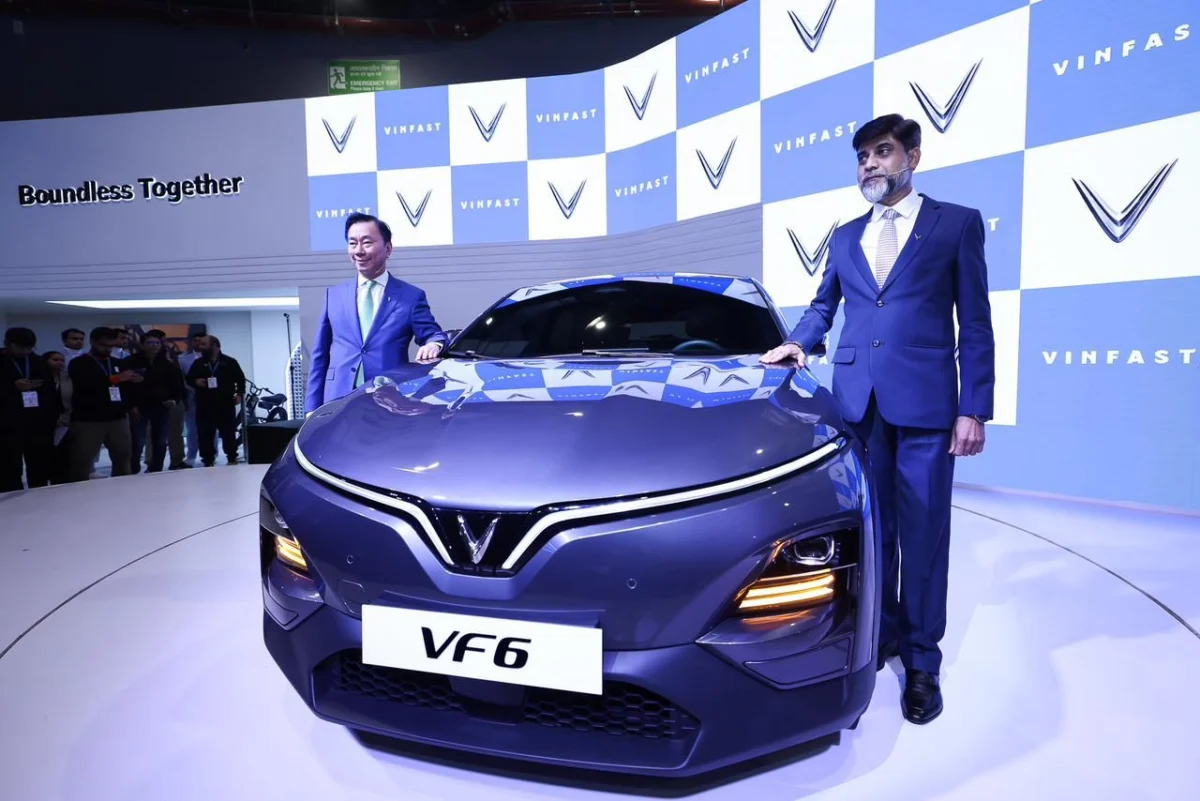
CHENNAI – In a significant shift for the burgeoning Indian electric vehicle (EV) landscape, Vietnamese automotive giant VinFast has reportedly hit the "pause" button on its ambitious plans to deepen the localization of three key electric models: the VF3, VF6, and VF7. The move, characterized as a strategic reassessment of development costs and market positioning, signals a more cautious approach by the automaker as it navigates the complexities of the world’s third-largest auto market.
While the company remains committed to its long-term manufacturing presence in India, the temporary suspension of localization activities for these specific models highlights the intense pricing pressures and logistical hurdles inherent in the Indian automotive sector.
1. The Decision to Pause: Chronology of a Strategic Shift
The roadmap for VinFast’s Indian entry was initially marked by rapid expansion and aggressive localization targets. However, internal documents and industry reports suggest a pivot occurred mid-year.
The July Directive
According to reports citing internal memos and supplier communications, VinFast issued a directive in July 2024 instructing its Indian partner suppliers to "hold all activities" related to the development and sourcing of components for the VF3, VF6, and VF7 programs. This halt came after months of active collaboration where suppliers were working on everything from tooling to engineering specifications for locally sourced parts.
The Financial Audit
Following the pause, VinFast reportedly requested detailed financial disclosures from its suppliers. The company asked for comprehensive breakdowns of investments already committed to these programs, including expenditures on engineering, raw materials, and specialized tooling. This move is interpreted by industry analysts as an effort to quantify the "sunk costs" before deciding whether to proceed with current designs or pivot to more cost-effective alternatives.

Identifying the Bottleneck: Cost Targets
Sources close to the development suggest that the primary driver behind this pause was the inability to meet aggressive cost-per-component targets. In the Indian market, where price sensitivity is paramount, even a minor deviation from the projected Bill of Materials (BOM) can render a vehicle uncompetitive against established local players like Tata Motors and Mahindra & Mahindra.
2. Model Breakdown: What’s at Stake?
The three affected models represent different segments of the market, each carrying its own weight in VinFast’s original Indian strategy.
The VF3: The Mass-Market Contender
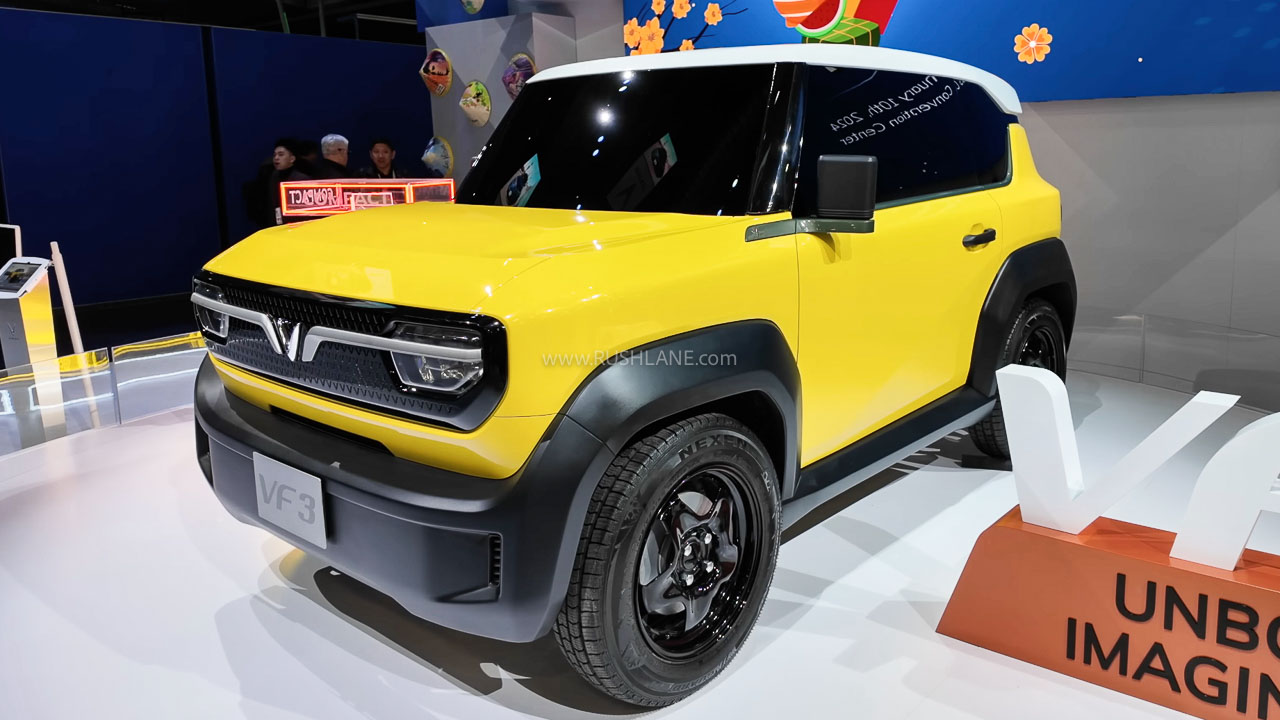
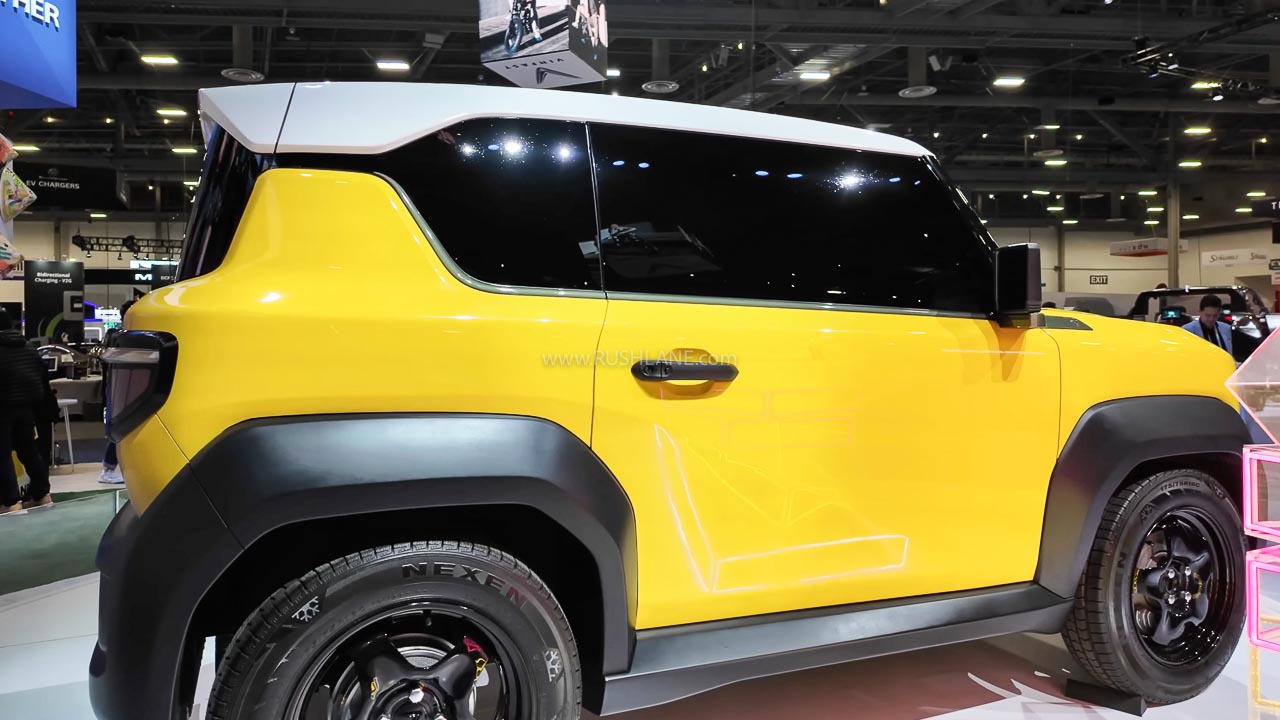
The VF3 is perhaps the most critical model in this trio. A compact, two-door electric SUV, it was envisioned as VinFast’s entry-level offering to rival the likes of the MG Comet EV and the Tata Tiago EV. For the VF3 to succeed, heavy localization—potentially exceeding 70-80%—is essential to keep the price tag attractive to first-time EV buyers. The pause on its localization puts its "affordable" status in jeopardy.
The VF6 and VF7: The Premium SUV Duo
The VF6 (a B-segment SUV) and the VF7 (a C-segment SUV) are positioned higher in the value chain. While these models are already being assembled at VinFast’s Tamil Nadu facility, the plan was to gradually replace imported components with locally manufactured ones to improve margins and hedge against currency fluctuations. For now, these vehicles will continue to rely on a higher percentage of imported parts.
3. Manufacturing and Operations: The Tamil Nadu Hub
Despite the localization setback, VinFast’s physical footprint in India remains a cornerstone of its global expansion.
The Integrated Production Facility
Located in Thoothukudi, Tamil Nadu, VinFast’s manufacturing plant is the company’s first venture outside of Vietnam. The facility was inaugurated with a planned initial capacity of 50,000 units per annum, with the infrastructure designed to scale up to 150,000 units. This plant is not just intended for the domestic market but is positioned as a strategic export hub for South Asia, the Middle East, and Africa.
Sales Performance and the "Green SM" Factor
To date, VinFast has recorded sales of approximately 10,000 vehicles in the Indian market. However, a significant portion of these volumes is attributed to Green SM, a ride-hailing company also owned by VinFast’s parent, Vingroup. This internal demand has provided a necessary cushion for the factory’s early production cycles, but long-term viability depends on capturing the retail consumer market.
4. Official Responses and the Pivot to "India-Specific" Models
VinFast has been quick to clarify that a pause in localization does not equate to a withdrawal from the market. Instead, the company is framing this as a transition toward a more tailored product philosophy.
Clarifying VF6 and VF7 Operations
The company has officially stated that operations for the VF6 and VF7 have not been suspended. Both SUVs will continue to be available to Indian consumers, maintaining the assembly lines at the Tamil Nadu plant. The suspension is strictly limited to the deepening of localization—meaning the transition from imported kits to locally manufactured components—rather than the sale of the vehicles themselves.
The Move Toward Local Engineering
In a statement reflecting its long-term vision, VinFast noted: "India remains an integral part of our global growth strategy. We are currently making adjustments based on extensive market research and customer feedback to better address the unique requirements of Indian drivers."
This "adjustment" involves a shift from simply introducing global models to developing "India-specific" EVs. This approach mirrors the strategies of other successful foreign OEMs, such as the Volkswagen Group’s "India 2.0" project, which adapted global platforms for local road conditions and cost structures.
The Mystery Test Mule
Lending credence to this "India-specific" strategy is the recent sighting of a new VinFast EV test mule on Indian roads. While the vehicle resembles the global VF5, it features distinct modifications in lighting, ground clearance, and interior layout. This suggests that while localization for the VF3/6/7 is on hold, engineering resources may have been diverted toward a new, more localized platform—possibly a "VF5 India Edition"—that can hit the necessary price points from day one.
5. Supporting Data: The Cost of Localization in India
Localization is a double-edged sword for foreign automakers in India. While it reduces import duties (which can range from 15% to 35% for parts and up to 100% for fully built units), the initial capital expenditure (CAPEX) is staggering.
- Tooling Costs: Setting up local dies and molds for body panels and interior plastics can cost tens of millions of dollars per model.
- Supply Chain Maturity: While India has a robust ecosystem for internal combustion engine (ICE) parts, the supply chain for high-voltage EV components (battery cells, power electronics, motors) is still in its infancy, often requiring expensive technology transfers.
- Volume Requirements: Most Tier-1 suppliers in India require a minimum guaranteed volume (often 30,000+ units per year) to justify the investment in dedicated production lines. With VinFast’s retail sales still scaling, meeting these volume commitments is a financial risk.
6. Implications for the Indian EV Market
VinFast’s decision to pause and pivot has several implications for the broader industry and the competitive landscape.
Impact on the Supplier Ecosystem
For Indian suppliers, the "hold" order is a setback. Many had already allocated floor space and engineering hours to VinFast’s projects. This development may lead to a more cautious approach from local vendors when partnering with new-age EV entrants, emphasizing the need for more stable production forecasts.

Competitive Breathing Room for Incumbents
The delay in a fully localized, aggressively priced VF3 provides a temporary sigh of relief for incumbents like Tata Motors. The Tata Punch EV and Tiago EV currently dominate the sub-15 lakh INR segment. A delay in VinFast’s entry-level offering prevents a price war in the short term, allowing local players to further solidify their charging infrastructure and brand loyalty.
Government Policy and Incentives
VinFast’s strategy will also be influenced by the Indian government’s evolving EV policies. With the transition from FAME-II to the PM E-DRIVE scheme and the new EV manufacturing policy (which offers lower import duties in exchange for a $500 million investment and 50% localization within five years), VinFast is likely recalibrating its plans to ensure it qualifies for maximum fiscal benefits.
7. Conclusion: A Strategic Retreat or a Smarter Charge?
The suspension of localization for the VF3, VF6, and VF7 should not be viewed as a sign of failure, but rather as a "fiscal reality check." In the high-stakes world of automotive manufacturing, the "move fast and break things" mantra of Silicon Valley often crashes against the hard reality of manufacturing margins.
VinFast’s willingness to pause, audit its suppliers, and potentially redesign its offerings for the Indian market suggests a maturing corporate strategy. By focusing on India-specific models—as hinted by the VF5 test mules—VinFast may be attempting to avoid the mistakes of previous foreign automakers who tried to sell "global" products to a "local" market with unique needs.
For now, the industry watches the Tamil Nadu plant. Whether it becomes a bustling hub for localized Indian EVs or remains an assembly point for Vietnamese designs will depend on how VinFast navigates the next twelve months of its Indian journey. The road to electrification in India is long, and as VinFast has discovered, the most important part of the race isn’t just speed—it’s the efficiency of the engine under the hood.
