

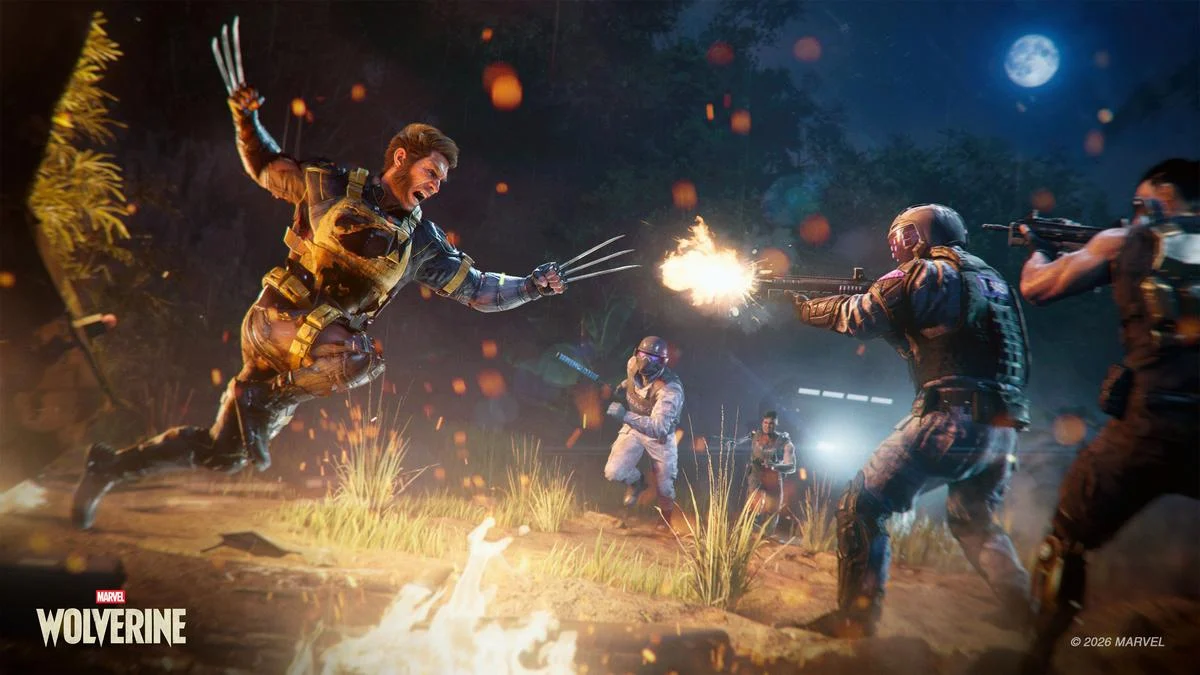
Insomniac Games’ latest title, Marvel’s Wolverine, claws its way onto the PlayStation 5, carving a brutal, visceral path that defies the open-world conventions established by the studio’s critically acclaimed Spider-Man series. Far from a sprawling urban sandbox, this highly anticipated entry plunges players into a tightly controlled, action-packed rollercoaster ride, more akin to the relentless intensity of a Call of Duty campaign than a free-roaming superhero epic. This bold creative pivot necessitates a recalibration of expectations, as embracing its distinct, linear identity is key to unlocking the game’s formidable strengths.
From the moment its existence was teased, the prospect of Insomniac Games tackling Wolverine ignited widespread excitement, fueled by the studio’s stellar track record with the web-slinger. The prevailing assumption was a similar formula: a vast, explorable environment, teeming with side quests and dynamic encounters, allowing players to fully embody Logan’s relentless spirit across a richly detailed rendition of a mutant-filled world. However, Wolverine eschews this familiar blueprint, opting instead for a laser-focused, narrative-driven experience that prioritizes cinematic spectacle and intense, moment-to-moment combat over expansive exploration. This article delves into the various facets of this surprising direction, exploring its narrative foundations, innovative combat, technical achievements, and the implications of Insomniac’s audacious design choices.
Setting the Stage: A Departure from the Norm
The narrative framework of Marvel’s Wolverine is perhaps its most liberating departure from established lore, offering Insomniac Games an expansive canvas to paint a fresh, unburdened portrait of James "Logan" Howlett. By completely sidestepping the intricate, often convoluted timelines of the mainstream X-Men universe and the constraints of cinematic adaptations, the game carves out its own alternate reality. This bold choice allows for a concentrated focus on Logan’s raw, untamed essence without the baggage of pre-existing continuity, ensuring that every narrative beat and character interaction feels fresh and impactful.
Forging a New Path: Narrative and Lore
At the heart of this new reality lies the shadowy organization known as Team X, a black-ops unit comprising mutant operatives. While the presence of iconic figures like Sabretooth and Mystique immediately grounds the story in familiar X-Men territory, their reimagined roles within Team X offer a darker, more ambiguous dynamic. Sabretooth, Logan’s perennial adversary, here operates alongside him, hinting at a complex history and a strained alliance that promises deep character exploration. Mystique, the shapeshifting enigma, adds another layer of intrigue, her motivations and allegiances always shifting, mirroring the morally grey world Team X inhabits.
The true architect behind this iteration of Team X, and a pivotal antagonist, is Dr. Nathaniel Essex, a name that will resonate deeply with long-time comic book aficionados as the notorious Mr. Sinister. His inclusion as the leader of this black-ops outfit immediately elevates the stakes, promising a narrative steeped in genetic manipulation, dark experimentation, and a sinister agenda far removed from the more overtly political conflicts typically associated with the X-Men. Sinister’s intellectual menace provides a stark contrast to Logan’s physical ferocity, setting the stage for a compelling clash of ideologies and methods.
Crucially, the game deliberately omits central figures like Magneto and Professor X, characters who often define the broader mutant struggle. Their absence is not a void but a deliberate narrative choice, allowing the game to explore a different facet of mutant persecution. Instead, the narrative introduces Bolivar Trask as a primary antagonist, actively hunting mutants for his "infernal experiments." This shift places a more direct, immediate threat on Logan and his fellow mutants, grounding the conflict in a brutal, survivalist struggle rather than a philosophical debate. Trask’s presence highlights the horrific exploitation mutants face, focusing on the individual suffering and the visceral fight for existence.
Freed from the shackles of existing movie adaptations or previous game iterations, Wolverine truly powers through with a world and narrative all its own. This creative liberty manifests most profoundly in the portrayal of Logan himself. Insomniac has meticulously crafted a character who transcends simple archetypes. We witness Logan’s journey from his untamed, "wild man" origins, hinting at the primal savagery that defines him, to his evolution into an angry, reluctant hero. This anger, however, is not one-dimensional; it’s a palpable manifestation of the profound pain he carries, a burden evident in his expressive eyes. As he slashes through the story with blind ferocity, every swing of his adamantium claws is imbued with this inner turmoil, making his violent actions resonate with a tragic depth. The narrative consistently grounds his brutality in his personal struggle, making him not just a weapon, but a deeply wounded individual fighting for something beyond mere survival.
Gameplay: The Adamantium-Clad Freight Train
The core gameplay loop of Marvel’s Wolverine is best described as a relentless, adamantium-clad freight train that, once set in motion, barrels forward with unyielding momentum. This descriptor perfectly encapsulates the game’s commitment to a linear, tightly-scripted experience. While this design choice might initially feel restrictive to players accustomed to the expansive freedom of Insomniac’s Spider-Man titles, it is precisely within this framework that Wolverine finds its unique rhythm and delivers its most impactful moments.
A Masterclass in Linear Storytelling
The game’s linearity is not a flaw but a deliberate artistic decision, allowing Insomniac to meticulously control the pacing, amplify narrative tension, and orchestrate breathtaking cinematic sequences without interruption. Players are led by the hand from one intense section to another, with seamlessly integrated cutscenes punctuating the action and propelling the story forward. This approach evokes the spirit of the early God of War games, where players were funneled through epic set-pieces and powerful narrative beats. However, Wolverine takes this commitment to linearity even further, embracing it almost as a philosophical stance on how Logan’s story should be told – a focused, relentless drive towards an inevitable confrontation, much like Wolverine himself.
This structured progression ensures that every environment, every enemy encounter, and every narrative revelation serves a specific purpose, contributing to a cohesive and impactful journey. There are no extraneous open-world activities to distract; instead, the player is fully immersed in Logan’s personal quest, making each step forward feel significant. The carefully curated experience allows for a level of narrative density and emotional resonance that a more sprawling design might struggle to achieve, allowing the developers to sculpt a truly cinematic experience from start to finish.
The Dance of Claws: Combat Mechanics
At the heart of Wolverine‘s engaging gameplay lies its combat system, a meticulously crafted fusion of familiar mechanics and brutal innovation. It skillfully blends the acrobatic fluidity and crowd-control elements perfected in the Spider-Man games with a healthy dash of the precise, reactive parry system found in titles like Sekiro: Shadows Die Twice. The result is a fast, furious, and deeply satisfying martial art form tailored specifically to Logan’s unique fighting style.
The parry system, while reminiscent of Sekiro, is distinctly Wolverine. It’s less about perfect timing for a defensive deflection and more about stylish, cinematic counters that showcase Logan’s animalistic reflexes and brutal efficiency. Successful parries are not merely defensive maneuvers; they are offensive opportunities, rewarding players with openings for devastating counter-attacks and often triggering visually spectacular animations that underscore Wolverine’s raw power. In many encounters with the X-Men universe’s most formidable villains, mastering the art of the duck, roll, and parry becomes essential for survival, transforming each fight into a ballet of lethal precision.
Adding another layer of strategic depth is the "lunge" mechanic. This ability allows Logan to close distances with astonishing speed, instantly traversing the battlefield to engage specific threats or escape overwhelming odds. It is perhaps the single most effective move for turning the tide against formidable bosses or quickly dispatching ranged enemies, emphasizing Wolverine’s predatory agility. Logan’s physical stature in the game is notable; he is often depicted as a crouching, compact figure, with many adversaries towering over him. What he might lack in imposing height, he more than compensates for with sheer speed, unbridled ferocity, and the devastating reach of his adamantium claws. This design choice reinforces his identity as an underdog, a compact bundle of rage and lethal efficiency.

The combat system is designed to be intuitive and fun, allowing players to quickly grasp its fundamentals. However, its true depth emerges as players learn to string together parries, lunges, light and heavy attacks, and special abilities, creating a seamless flow of aggression and defense. The satisfaction derived from successfully parrying a powerful blow and immediately retaliating with a flurry of claw strikes is immense, making each encounter a test of skill and reaction.
The Healing Factor & Rage: Unique Systems
Wolverine’s legendary healing factor is central to his character, and Marvel’s Wolverine ingeniously integrates it into the gameplay without rendering him invincible. While Logan can endure an incredible amount of punishment, his health bar depletes rapidly under sustained assault. The ingenious twist is how it replenishes: by pouring his rage into aggressive attacks. This means that instead of passively waiting for health regeneration, players are actively encouraged to remain on the offensive. Successfully executing certain attack sequences or chaining together powerful combos will visibly restore Logan’s health, creating a dynamic feedback loop where aggression is rewarded with resilience. This design choice perfectly encapsulates Wolverine’s character – a relentless force who becomes stronger the more he fights.
However, the game introduces a "quick heal" mechanic that allows Logan a single, immediate recovery from near-death, akin to the resurrection mechanic in Sekiro. While functionally sound, this design choice has sparked discussion among fans. Given Wolverine’s comic book lore of near-instantaneous and continuous regeneration, a full revival system might have felt more authentic to his character. The current system, despite its thematic grounding in gameplay, still leads to a death and restart sequence after the single quick heal is expended, which can feel at odds with the character’s famed inability to truly stay down.
Complementing the healing factor is the "rage meter." As Logan inflicts damage and takes hits, this meter steadily fills. Once fully charged, it unleashes a devastating "killing frenzy," temporarily transforming Wolverine into an unstoppable force of nature. During this heightened state, his attacks become more powerful, his healing factor accelerates, and he can tear through hordes of enemies with unparalleled efficiency. This mechanic provides a satisfying peak to combat encounters, allowing players to truly feel the raw, untamed power of the berserker mutant. It serves as a tactical tool, allowing players to strategically unleash bursts of overwhelming aggression to clear difficult sections or swiftly dispatch powerful foes.
Challenges and Contradictions: The Grind and the Lull
While Marvel’s Wolverine excels in many areas, particularly its narrative and core combat, it is not without its challenges. The very design choices that foster its cinematic intensity can, at times, lead to friction points, particularly regarding combat variety and pacing.
The Repetitive Combat Loop
One of the most notable criticisms leveled against the game is its tendency towards repetitive combat encounters. While the fighting system itself is fluid and satisfying, the game frequently throws waves of the same cyborg enemies at the player. These adversaries typically consist of a predictable trio: a shielded enemy requiring specific parry or break moves, a sword-wielding brawler demanding precise dodges, and a ranged gunner necessitating swift closure of distance. This predictable enemy composition, while initially engaging, can quickly become tedious, leading to a sense of "padding" rather than genuine challenge.
The constant recycling of these enemy types means that players are often executing the same sequences of parry, attack, and kick, which, despite the inherent fun of the combat, can lead to monotony over extended play sessions. This lack of enemy diversity can undermine the otherwise excellent combat mechanics, transforming what should be exhilarating encounters into a somewhat predictable grind. A greater variety of enemy archetypes, each demanding unique tactical approaches, would have significantly enhanced the longevity and strategic depth of the combat.
Pacing and Emotional Whiplash
The game’s tight scripting, while excellent for maintaining narrative momentum, occasionally creates a peculiar sense of emotional whiplash. To break up the relentless adrenaline-fueled action, Wolverine integrates quieter storytelling sequences and stealth hunt sections that leverage Logan’s keen, animal-like senses. These moments are designed to provide narrative context and emotional depth, offering a respite from the bloodshed.
However, the transition between these modes can feel abrupt. Just moments after carving up a room full of enemies "like a shawarma rotisserie," the game suddenly "hits the brakes" for a quiet, contemplative scene. This jarring shift can make it difficult for players to fully disengage from the high-octane action and genuinely connect with the emotional nuances of the quieter moments. The lingering adrenaline from the previous combat encounter can overshadow the intended emotional impact, preventing the player from fully immersing in the narrative’s more introspective beats.
This issue of emotional pacing is something that games like the newer God of War titles manage with exceptional finesse, seamlessly blending brutal combat with profound character moments. While Wolverine does hit several key emotional high points and nails them with impressive conviction, the journey to those moments can sometimes be undermined by this uneven transition. Furthermore, a minor design choice that has already become a meme among players – the conspicuous blue, gas-like trails Logan must follow when tracking enemies – occasionally breaks immersion, drawing attention to the game’s guiding hand rather than allowing players to feel organically connected to Logan’s predatory instincts.
Technical Prowess and Sensory Impact
Beyond its narrative and gameplay mechanics, Marvel’s Wolverine stands as a testament to Insomniac Games’ technical prowess, delivering a graphical and audio experience that is nothing short of spectacular, especially in its portrayal of Logan’s brutal world.
Visuals: A Feast of Gore and Detail
The game’s graphics, which already impressed in trailers, look even better in actual gameplay. The fidelity and detail are exceptional, particularly in how the game renders its visceral combat. The gore is absolutely off the charts, a deliberate design choice that emphasizes the brutal reality of Wolverine’s powers. Players will witness horrifyingly detailed damage models, from the exposed metal ribs on a heavily injured Logan, revealing his adamantium skeleton, to the generous buckets of blood that accompany each successful strike. Limbs are lopped off with satisfying crunch, and Logan’s claws casually (yet graphically) embed themselves into waves of "meat puppet" enemies, creating a truly impactful sense of destructive power.
There is a palpable weight and friction to each hit, a tactile sensation that makes every slash and punch feel incredibly impactful. This attention to detail in the visual feedback of combat not only enhances the player’s immersion but also reinforces the sheer savagery of Wolverine’s fighting style. Boss encounters, in particular, are visual spectacles, designed to be peak entertainment, showcasing complex animations and dynamic environmental destruction that elevate these confrontations to cinematic grandeur.

Audio: Immersive Roar of Battle
Complementing the stunning visuals is an incredible sound design that takes full advantage of modern audio technologies, particularly spatial audio headphones. The roars of Wolverine, the metallic snickt of his claws extending, the sickening squelch of flesh being torn, and the clang of adamantium against armor are all rendered with startling clarity and directionality. This immersive soundscape pulls players deeper into the action, allowing them to pinpoint enemy positions, anticipate attacks, and truly feel the percussive impact of every blow.
The sound design during boss battles is especially noteworthy, contributing significantly to their intensity and epic scale. The booming voices of adversaries, the distinct sound of their unique abilities, and the dramatic musical score all combine to create an auditory experience that matches the visual spectacle, ensuring that these encounters are etched into the player’s memory long after they conclude. The blend of visual and auditory feedback creates a cohesive and deeply satisfying experience that underscores the game’s commitment to delivering a truly visceral adventure.
The Insomniac Signature and Future Implications
Marvel’s Wolverine represents a significant, perhaps even audacious, entry in Insomniac Games’ burgeoning portfolio and Sony’s expanding universe of Marvel titles. Its distinct design philosophy and execution carry broad implications for the studio’s future, the wider Marvel gaming landscape, and player expectations.
Design Philosophy: The Linear Choice
The most striking aspect of Wolverine‘s design is Insomniac’s deliberate decision to embrace linearity, especially given their acclaimed success with the open-world Spider-Man games. This choice was undoubtedly a conscious one, likely stemming from a desire to tell a highly focused, character-driven story without the potential distractions or narrative fragmentation that an open-world structure can sometimes introduce. For a character as intensely personal and driven as Wolverine, a linear path allows for unparalleled control over pacing, emotional beats, and the crafting of bespoke, cinematic set-pieces.
While some might lament the absence of the sprawling freedom offered by titles like the Norse God of War games, with their expansive yet contained levels, Insomniac’s approach with Wolverine serves a different purpose. It’s about delivering an unadulterated, raw experience of being Wolverine, funneling players directly into his rage and pain without detours. This commitment to a tightly scripted narrative demonstrates Insomniac’s versatility and willingness to experiment with different forms of game design, proving they are not confined to a single successful formula. The trade-off is clear: less player agency in world exploration, but significantly more impact in narrative delivery and moment-to-moment action.
Impact on the Marvel Gaming Universe
Marvel’s Wolverine is poised to carve out a unique niche within Sony’s growing stable of Marvel-licensed video games. Following the success of Spider-Man and its sequels, Wolverine signals a diversification of approach, demonstrating that not all superhero games need to adhere to the open-world template. This could set a new precedent for how other Marvel characters are adapted, potentially leading to a broader array of genre experiences that cater to the specific strengths and narratives of individual heroes. Imagine a stealth-focused Daredevil game or a team-based X-Men title that leverages its unique mechanics rather than defaulting to an open-world design.
The game also solidifies Insomniac’s position as a premier developer for Marvel properties, showcasing their ability to interpret and adapt iconic characters with both fidelity and creative license. The critical reception of Wolverine will undoubtedly influence future collaborations and shape the expectations for what a Marvel game from Sony can be. It presents a more mature, grittier take on the superhero genre, exploring themes of violence, trauma, and identity in a way that stands apart from the more lighthearted tone of Spider-Man. This darker aesthetic opens doors for other mature-rated adaptations in the future, expanding the demographic reach of superhero video games.
A New Identity for Insomniac
For Insomniac Games itself, Wolverine is more than just another title; it’s a statement. It demonstrates the studio’s range and its capacity to deliver high-quality experiences across different game genres and structural philosophies. While Spider-Man established them as masters of the open-world superhero sandbox, Wolverine showcases their ability to craft an equally compelling, albeit distinctly different, linear action-adventure. This diversification is crucial for a studio looking to maintain its creative edge and appeal to a broader audience.
The game solidifies Insomniac’s reputation for stellar character portrayal, tight combat mechanics, and breathtaking visuals, irrespective of the game’s overall structure. It proves that their inherent talent for game development transcends specific formats, allowing them to infuse their signature polish and engaging gameplay into any genre they tackle. Wolverine acts as a powerful testament to their versatility, assuring fans that Insomniac is capable of delivering diverse, high-quality experiences that remain true to the essence of their source material while pushing creative boundaries.
Conclusion: A Bloody Good Story
Marvel’s Wolverine is undeniably a game that players will tear through in short order once they embark on Logan’s intensely personal and often brutal story. While it may not offer the expansive freedom and sprawling exploration that some might have anticipated from Insomniac Games, particularly in comparison to the "large levels" of a game like God of War (Norse), its deliberate choice of a linear, tightly-scripted experience is ultimately its strength. By eschewing open-world conventions and locking players onto rails, the game ensures a relentless pace, a focused narrative, and an unwavering commitment to delivering intense, moment-to-moment action.
That said, the game’s repetitive enemy design can, at times, feel like an unnecessary padding, detracting from the otherwise stellar combat. The abrupt transitions between high-octane violence and quiet, emotional moments can also lead to a sense of emotional disconnect. However, these are relatively minor caveats in an otherwise compelling package.
Ultimately, Marvel’s Wolverine is a bloody good story, with a heavy emphasis on "bloody." It is a raw, visceral, and deeply personal exploration of a tortured hero, delivered with a cinematic flair and a combat system that, despite its occasional repetition, remains immensely satisfying. For fans willing to temper their expectations and embrace its distinct identity as a linear, action-packed spectacle, this game delivers a powerful, impactful experience that truly delves into the ferocity, pain, and enduring spirit of James "Logan" Howlett. It is a bold new chapter for Insomniac Games and a significant entry into the pantheon of superhero video games, offering a unique and unforgettable take on one of Marvel’s most iconic characters.
