

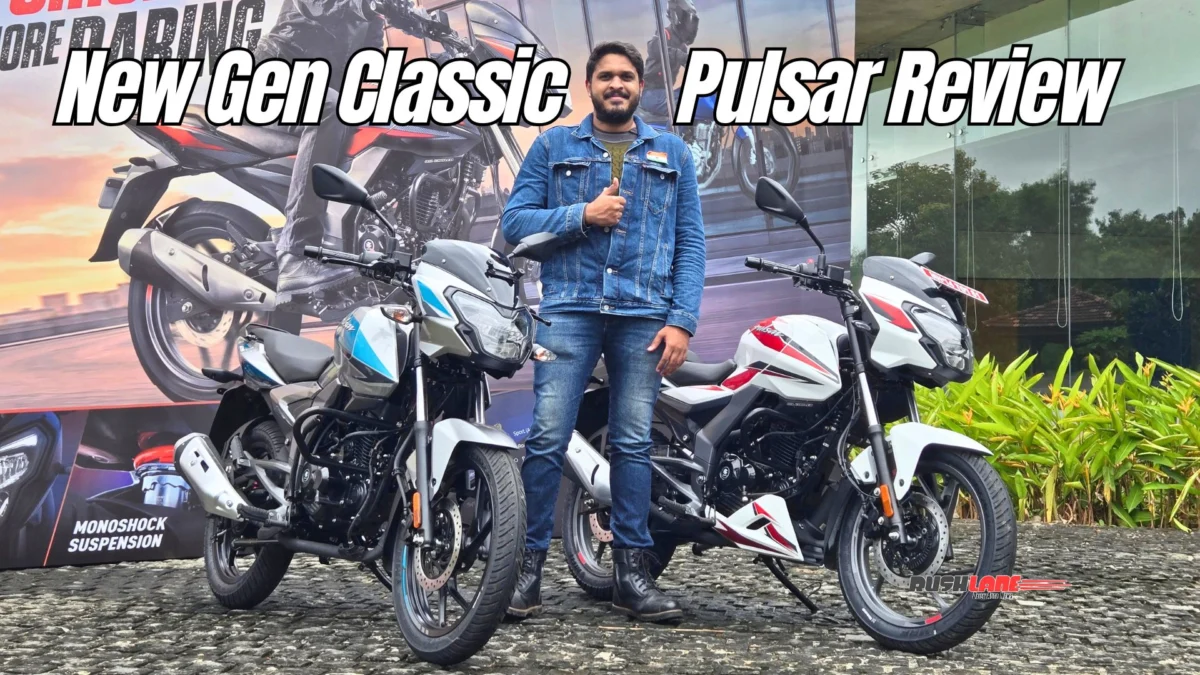
The Indian motorcycling landscape has been defined by a few select nameplates, but perhaps none carry as much weight or emotional resonance as the Bajaj Pulsar. Often referred to as the "temple" of Bajaj Auto’s portfolio, the Pulsar series—specifically the 150cc and 125cc variants—has remained a dominant force for over two decades. However, as the market evolved with sharper designs and sophisticated technology, the "Classic" Pulsar silhouette began to show its age.
Recognizing the need for a radical yet respectful overhaul, Bajaj Auto has finally unveiled the next generation of the Classic Pulsar. This update represents the most significant transformation for the Pulsar 150 since its legendary "UG4" (Upgrade 4) iteration years ago. By introducing a new platform, updated powertrains, and segment-first technology, Bajaj aims to recapture the hearts of both loyalists and a new generation of riders.
Main Facts: A New Chapter for the Pulsar 125 and 150
The new-generation Classic Pulsar range is not merely a cosmetic exercise; it is a ground-up reconstruction of the motorcycles that built the Bajaj empire. The launch focuses on the Pulsar 125 and Pulsar 150, while the larger Pulsar 180 and the legendary 220F are expected to receive similar treatments in the near future.

Pricing and Variants
Bajaj has positioned the new range competitively, ensuring that the "commuter-plus" segment remains accessible while offering premium features.
- Pulsar 125: Prices start at ₹92,990, with the range-topping variant reaching ₹1,04,318.
- Pulsar 150: The base model begins at ₹1,15,233, while the fully-loaded version is priced at ₹1,23,187 (all prices are Ex-showroom).
Core Philosophy
The design philosophy behind the new generation is "evolutionary revolution." Bajaj has meticulously maintained the iconic silhouette—the muscular tank, the wolf-eye headlamp, and the athletic stance—while replacing almost every internal component. The result is a motorcycle that feels familiar at a glance but reveals a completely different character upon closer inspection.
Chronology: The Road to the New Generation
To understand the weight of this launch, one must look at the timeline of the Pulsar’s development.

- 2001-2003: The original Pulsar twins (150 and 180) are launched, featuring round headlamps and "DTS-i" technology.
- 2009-2010: The UG4 update introduces the "Wolf-Eyed" headlamp and clip-on handlebars, a design that would define the "Classic" Pulsar for the next 15 years.
- 2019: The Pulsar 125 is introduced to provide an entry point into the brand during the transition to BS6 emission norms.
- 2021-2023: Bajaj launches the "N" and "F" series (N160, N250), leading many to believe the Classic Pulsar would be phased out.
- Present Day: Bajaj reaffirms the Classic range’s importance by giving it a modern "New Gen" architecture, proving that the old-school Pulsar DNA still has a massive market.
Supporting Data: Technical Specifications and Features
The new-generation Pulsar is built on a foundation of modern engineering, moving away from the aging hardware of the previous decade.
Chassis and Suspension: The Diamond Frame Revolution
For the first time in the history of the Classic Pulsar, Bajaj has abandoned the traditional double-cradle frame. In its place is a Diamond-type frame, where the engine acts as a stressed member. This change has profound implications for the bike’s rigidity and weight distribution.
- Rear Monoshock: Perhaps the most requested update, the twin gas-charged shock absorbers have been replaced by a mono-shock unit. This not only cleans up the rear aesthetic but significantly improves cornering stability.
- Front End: The bikes retain reliable telescopic forks but are tuned for a more refined damping experience.
Powertrain: Smoothness Over Raw Power
The engines are entirely new architectures, designed to meet modern emission standards while providing a smoother, vibration-free ride.

- Pulsar 150 Engine: A 149.5cc single-cylinder, oil-cooled unit producing 14 PS and 14.1 Nm of torque. The addition of an oil cooler is a significant step up for the 150cc segment.
- Pulsar 125 Engine: A 124.58cc air-cooled unit delivering 12.1 PS and 11.4 Nm.
- Transmission: Both motorcycles are paired with a 5-speed gearbox. Notably, Bajaj has introduced a lighter clutch action, though a slip-and-assist clutch is absent.
- ISG Technology: The new Pulsars now feature an Integrated Starter Generator (ISG), enabling a "silent start" and an auto engine start/stop system to enhance fuel efficiency in traffic.
Technology: Segment-Leading Electronics
Bajaj has leapfrogged many competitors by installing a high-tech TFT instrument cluster that would look at home on a much more expensive motorcycle.
- Connectivity: Bluetooth integration allows for music control, call management, and third-party app notifications (such as WhatsApp).
- Navigation: The screen supports Google Maps mirroring, providing turn-by-turn directions directly on the console.
- Riding Modes: In a first for the segment, the Pulsar 150 features four riding modes: Sport, Road, Rain, and Tour. These modes adjust the throttle response and Traction Control (TC) sensitivity.
- Safety: Traction Control is now standard on the higher trims, a feature rarely seen in the 125-150cc commuter class.
Official Responses and Market Positioning
Bajaj Auto’s leadership has been vocal about the "Pulsar" brand being more than just a product; it is a sub-brand that requires careful stewardship. During the media ride in Pune, representatives emphasized that the Classic Pulsar continues to outsell the more modern "N" series in many regions of India.
The company’s strategy is clear: the "N" series (N160, N250) is for the rider seeking modern streetfighter aesthetics, while the New-Gen Classic range is for the rider who loves the "OG" Pulsar look but demands 2024-level technology. By offering features like Google Maps mirroring and Traction Control on a 125cc bike, Bajaj is positioning itself as the "value-for-money tech leader" in the segment.

However, the company has also faced questions regarding certain design choices. For instance, the move to slimmer tires—from a 120-section rear on the previous 150cc to a 100-section on the new model—was explained as a move to optimize fuel efficiency and flickability in urban environments.
Implications: The Verdict for the Indian Rider
The arrival of the New-Gen Classic Pulsar has several implications for the Indian motorcycle market and the consumers within it.
1. The Death of the "Basic" Commuter
By bringing high-end features like TFT displays and riding modes to the 125cc and 150cc categories, Bajaj is forcing competitors like Hero MotoCorp and TVS to upgrade their offerings. The "basic" 150cc commuter is effectively dead; riders now expect a level of digital sophistication previously reserved for 300cc+ motorcycles.

2. A Refined Riding Experience
The transition to a diamond frame and mono-shock suspension transforms the Pulsar’s dynamics. The bike is no longer just a straight-line performer; it is now an agile, "flickable" machine that can handle corners with newfound confidence. The reduction in vibrations makes it a much more viable option for long-distance touring, especially with the 150cc’s oil-cooling system.
3. Safety and Efficiency
While the inclusion of Traction Control is a welcome safety net, the lack of dual-channel ABS on the 150cc model remains a missed opportunity. Nevertheless, the claimed fuel efficiency of 50 km/l for the 150 and 55 km/l for the 125 ensures that the Pulsar remains a practical choice for the daily grind.
4. The Nostalgia Factor
For the millions of Indians who grew up dreaming of a Pulsar 150, this new generation provides a way to relive that nostalgia without compromising on modern amenities. It feels like a "grown-up" version of a childhood hero.

Final Thoughts
The New-Gen Bajaj Classic Pulsar 125 and 150 are successful exercises in brand preservation. Bajaj has managed to fix the aging hardware—replacing the frame, suspension, and engine—while keeping the soul of the motorcycle intact. While there are minor gripes, such as the overly busy graphics and the skinnier tires, the overall package is undeniably strong.
For the rider who wants a slice of Indian motorcycling history but demands the convenience of Google Maps and the safety of Traction Control, the new Pulsar range is perhaps the most compelling it has been in over a decade. Bajaj hasn’t just updated a bike; they have re-energized a legend.
