TECHNOLOGY
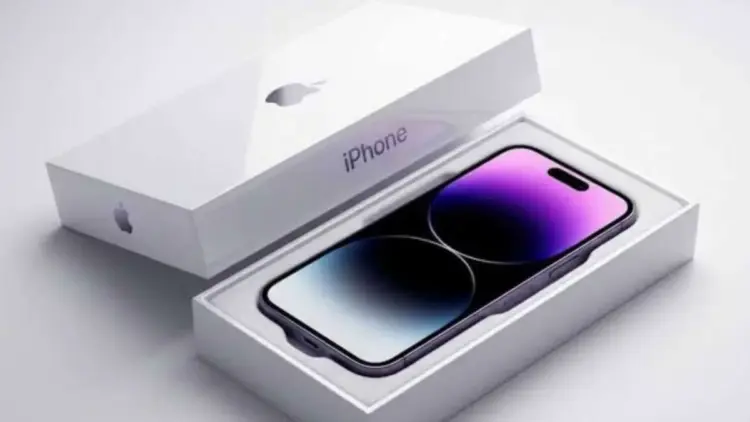
In a significant development that signals potential shifts in the premium smartphone market, Apple has reportedly scaled back component orders for its latest flagship devices, the iPhone 18 Pro and iPhone 18 Pro Max. This strategic adjustment comes barely a month after their much-anticipated September launch, indicating that initial demand may be cooling faster than anticipated. The decision, if confirmed, underscores growing pressures from elevated pricing and a global surge in memory chip costs, prompting a re-evaluation of Apple’s market strategy in an increasingly complex economic landscape.
Main Facts: Apple’s iPhone 18 Pro Production Cut Signals Market Shift
Apple, a titan in the global technology sector renowned for its meticulous supply chain management and robust product launches, is reportedly facing an unexpected hurdle with its newest premium smartphone offerings. Sources close to the company’s intricate manufacturing network indicate that the Cupertino giant has asked its suppliers to reduce the production of components for the iPhone 18 Pro and iPhone 18 Pro Max by a substantial 15 to 20 percent for the month of October. This reported directive, initially brought to light by Nikkei Asia, suggests a proactive response to evolving market dynamics rather than a supply chain bottleneck.

The core reasons behind this reported reduction appear multifaceted. Firstly, there are clear indications of softening consumer demand for the high-end Pro models. Despite the customary initial rush following an Apple launch, the sustained appetite for the most expensive variants seems to be diminishing. This dip in demand is closely linked to the elevated price points of the iPhone 18 Pro series, which saw a notable increase compared to previous generations, including a $100 hike in the United States and a starting price of Rs 1,64,900 for the Pro and Rs 1,79,900 for the Pro Max in India.
Secondly, Apple’s margins are under pressure from a global upswing in memory chip costs. This surge is largely driven by unprecedented demand from tech companies investing heavily in artificial intelligence (AI) data centers, creating a ripple effect across the electronics industry and leading to higher production expenses for smartphones and other devices. These combined factors — a potentially price-sensitive consumer base and increasing input costs — present a challenging environment for maintaining the customary trajectory of Apple’s premium product cycles. The reported cut in component orders thus emerges as a critical indicator of Apple’s strategic maneuvering to align production with real-world market absorption, potentially setting a precedent for how the company navigates future product cycles in an era of economic uncertainty.
Chronology: A Timeline of Launches, Expectations, and Realities
The trajectory of any Apple product, particularly the iPhone, typically follows a predictable pattern of intense anticipation, a high-profile launch, and an initial period of robust sales. The reported production cuts for the iPhone 18 Pro series suggest a deviation from this well-trodden path, hinting at a quicker-than-expected transition from peak demand to a more normalized, or even subdued, sales curve.

The September Launch: High Hopes and Premium Positioning
The launch of the iPhone 18 Pro and iPhone 18 Pro Max in September was, as always, an event marked by significant global excitement. Weeks, if not months, of leaks and rumors culminated in a polished presentation unveiling Apple’s latest technological marvels. These devices typically showcase cutting-edge processors, advanced camera systems, enhanced display technologies, and refined industrial designs. For the iPhone 18 Pro series, the expectation was that these innovations would justify a premium pricing strategy, building on Apple’s established reputation for delivering top-tier performance and user experience.
During the launch, Apple undoubtedly highlighted new features such as potentially improved photographic capabilities, longer battery life, enhanced durability, or perhaps groundbreaking AI integration within the device itself. These advancements are crucial for stimulating upgrade cycles, particularly among the affluent demographic that typically constitutes the early adopter base for Pro models. Initial pre-orders often sell out quickly, leading to extended waiting times that are frequently cited by analysts as a proxy for strong demand. The narrative was, as ever, one of technological leadership and an aspirational product.
Post-Launch Analysis: Initial Indicators and Shifting Tides
In the weeks immediately following a new iPhone launch, market watchers and financial analysts meticulously track various metrics to gauge the product’s success. Among these, average waiting times for delivery are a key indicator. Shorter waiting times can signal either an improvement in Apple’s supply chain efficiency or, more concerningly, a softening of demand.

In the case of the iPhone 18 Pro, reports from UBS analysts noted a decrease in average waiting times across more than 30 global markets. While initially, this could be interpreted as Apple having successfully ramped up production to meet anticipated demand, the subsequent news of component order cuts strongly suggests the latter scenario: a reduction in demand. This swift decline in waiting periods, typically seen as a positive for supply, instead became an early warning signal of potentially reduced consumer appetite for the high-priced models. It implied that the initial surge of enthusiasm might not be translating into sustained purchasing behavior at the premium tiers, forcing Apple to reassess its production forecasts much sooner than in previous cycles.
The Nikkei Asia Report: Confirmation of a Strategic Shift
The report from Nikkei Asia, detailing Apple’s request to suppliers for a 15 to 20 percent reduction in component production for October, serves as the most concrete indication of a strategic shift. This isn’t merely a minor tweak but a significant recalibration, reflecting a cautious outlook from Apple’s executive leadership. Such decisions are not made lightly within Apple, a company celebrated for its meticulous planning and tight control over its vast global supply chain.
The implications of such a cut are far-reaching, affecting numerous component manufacturers, assembly partners, and logistical operations. For Apple, it represents an effort to prevent an oversupply of inventory, which can lead to costly write-downs and exert downward pressure on prices. By adjusting production so soon after launch, Apple is acknowledging that the market conditions for its latest Pro models are proving more challenging than initially projected. This proactive measure, while potentially impacting short-term revenue forecasts, is aimed at maintaining profitability and inventory health in a volatile market environment. It underscores the severity of the perceived demand cooling and the rising cost pressures the company is currently navigating.

Supporting Data: Economic Headwinds and Market Dynamics
The reported production cut for the iPhone 18 Pro series is not an isolated event but rather a symptom of broader macroeconomic trends and specific market dynamics impacting the global technology industry. A confluence of factors, ranging from elevated product pricing to escalating manufacturing costs and a general slowdown in the smartphone market, is creating a challenging environment for even the most resilient companies like Apple.
The Price Premium: A Double-Edged Sword
The iPhone 18 Pro series launched with higher price points than its predecessors, a strategic move by Apple to potentially offset rising component costs and maintain premium margins. In the United States, consumers faced a $100 increase, while in India, the Pro model started at Rs 1,64,900 and the Pro Max at Rs 1,79,900. While Apple has historically commanded a premium for its products, these increases are occurring at a time when global economic conditions are less favorable for discretionary spending.
Consumers worldwide are grappling with persistent inflation, rising interest rates, and uncertain job markets, all of which erode disposable income. This economic backdrop makes price sensitivity a more significant factor in purchasing decisions, even for luxury items like premium smartphones. While a segment of Apple’s loyal customer base may be insulated from these pressures, a broader demographic might find the increased cost of the iPhone 18 Pro series a deterrent, leading them to either delay upgrades, opt for older, more affordable iPhone models, or consider premium offerings from competitors. The challenge for Apple lies in balancing its premium brand positioning with the realities of consumer affordability in a tightening global economy.

Rising Component Costs: The Memory Chip Conundrum
A significant contributor to the upward pressure on smartphone prices and Apple’s production costs is the escalating price of memory chips. The world is currently witnessing an unprecedented surge in demand for these critical components, particularly from tech giants heavily investing in artificial intelligence (AI) data centers. AI models require vast amounts of high-speed memory (DRAM) and storage (NAND flash) to process and store immense datasets, driving up demand and subsequently, prices.
This insatiable appetite from the AI sector has created a ripple effect, impacting the availability and cost of memory chips for other industries, including consumer electronics. Smartphone manufacturers, including Apple, rely heavily on these chips for their devices’ performance and storage capabilities. When the cost of these fundamental components increases, it directly impacts the bill of materials (BOM) for each iPhone. Companies face a difficult choice: absorb the higher costs, thereby reducing profit margins, or pass them on to consumers through higher retail prices. Apple appears to have chosen the latter, contributing to the iPhone 18 Pro’s higher sticker price, but this strategy, as seen, comes with the risk of dampening demand. The memory chip market’s volatility thus becomes a critical factor in the profitability and pricing strategies of smartphone manufacturers.
Global Smartphone Market Contraction: A Broader Trend
The challenges faced by the iPhone 18 Pro are not entirely unique to Apple but reflect a broader contraction in the global smartphone market. Research firm IDC projects a significant 16.7% drop in global smartphone shipments in 2026. This anticipated decline underscores several underlying trends: market saturation in many developed economies, longer smartphone upgrade cycles as devices become more durable and capable, and intense competition from a diverse array of Android manufacturers offering compelling alternatives at various price points.

Despite the projected drop in shipments, IDC also anticipates that the average selling price (ASP) of smartphones will rise by 27.6%. This seemingly contradictory trend highlights the industry’s shift towards premiumization, where manufacturers focus on selling fewer, more expensive devices to maintain revenue. However, this strategy hinges on consumers’ willingness and ability to pay higher prices, which is increasingly being tested by economic headwinds. Apple, as the leader in the premium segment, is at the forefront of this trend, but the reported production cuts suggest that even its brand power has limits when faced with persistent economic pressures.
Local Market Pressures: The Indian Example
The Indian market provides a specific illustration of how local economic conditions exacerbate global trends. The weakening of the Indian Rupee against the US Dollar directly contributes to higher prices for imported electronics, including iPhones. As the Rupee depreciates, it costs more in local currency to purchase components and finished goods priced in Dollars, forcing companies to increase retail prices to maintain margins.
India is a rapidly growing smartphone market, but it remains highly price-sensitive. While the premium segment is expanding, the vast majority of consumers operate within tighter budget constraints. The starting price of nearly Rs 1.65 lakh for the iPhone 18 Pro places it firmly in the ultra-premium category, making it inaccessible to a large segment of the population. The combined effect of global price increases and local currency depreciation creates a significant barrier to entry, even for aspirational buyers, potentially limiting the market for Apple’s most expensive devices in a crucial growth region.

Official Responses: Apple’s Silence and Industry Speculation
In the highly competitive and secretive world of consumer electronics, official responses to supply chain rumors are rare, especially from companies like Apple. This customary discretion, while maintaining competitive advantage, also fuels a vibrant ecosystem of industry analysts and speculative reports.
Apple’s Customary Discretion
Apple has a long-standing policy of not commenting on supply chain rumors, production figures, or future product plans outside of its official earnings calls and product announcements. This stance is rooted in a strategy to control its narrative, prevent competitors from gaining insight into its operations, and manage investor expectations. Consequently, there has been no official statement from Apple regarding the reported cuts in iPhone 18 Pro component orders.
This silence, however, does not diminish the impact of such reports. Instead, it places greater emphasis on independent analyses from financial institutions, industry research firms, and supply chain intelligence networks. Investors and market watchers typically look for confirmation through indirect means, such as revised earnings guidance from Apple’s suppliers, changes in shipping volumes reported by logistics firms, or further analytical reports from reputable financial services. Apple’s earnings calls, where executives discuss past performance and future outlook, become critical events where subtle clues about product demand and market conditions might be gleaned, though direct confirmations of specific production cuts are almost never provided.

Supplier Perspectives and Industry Analysts
While suppliers are bound by non-disclosure agreements with Apple, their revised forecasts and internal adjustments often serve as indirect confirmations of changes in demand. A request from Apple to reduce component orders by 15-20% would necessitate significant adjustments across numerous supplier factories, impacting their own production schedules and financial projections. These changes, though not publicly attributed to Apple, can be observed through broader industry reports on component demand and inventory levels.
Industry analysts play a crucial role in interpreting these signals. They synthesize information from various sources – supplier checks, market surveys, macroeconomic data, and competitive intelligence – to form a cohesive picture. For the iPhone 18 Pro, analysts are likely scrutinizing these reports to update their financial models for Apple’s upcoming quarters. A reduction in Pro model sales could have a measurable impact on Apple’s average selling price (ASP) for iPhones and overall revenue, given that the Pro variants are typically the most profitable. Speculation might also arise about Apple’s potential counter-strategies, such as shifting marketing focus to its standard iPhone 18 models or accelerating plans for other product categories, though these remain speculative without official confirmation. The current environment highlights the critical role of these unofficial channels in understanding Apple’s strategic pulse.
Implications: The Road Ahead for Apple and the Premium Segment
The reported production cuts for the iPhone 18 Pro series carry significant implications, not just for Apple’s immediate financial outlook but also for its long-term strategy, its future product roadmap, and the broader premium smartphone market. This development could force Apple to re-evaluate its pricing strategies, innovation cycles, and approach to new, unproven technologies like foldable phones.

Financial Outlook and Investor Confidence
For Apple, the iPhone remains the bedrock of its financial success, contributing the largest share of its revenue and acting as the gateway to its increasingly lucrative services ecosystem. Any indication of slowing demand for its flagship models, particularly the higher-margin Pro versions, could directly impact revenue and profit projections. While Apple’s vast cash reserves and diversified revenue streams (services, Mac, iPad, wearables) provide a cushion, a persistent slump in iPhone sales could dampen investor confidence.
Investors closely monitor iPhone performance as a bellwether for Apple’s overall health. A sustained period of weaker-than-expected iPhone sales could lead to a reassessment of Apple’s growth trajectory, potentially impacting its stock valuation. The company will be under pressure to demonstrate resilience and provide clear guidance on how it plans to navigate these challenges during its upcoming earnings calls. The ability to maintain strong profitability, even with reduced unit sales, will depend on Apple’s capacity to manage costs and potentially shift focus towards even higher-margin services or innovative new products.
The Foldable Frontier: A Costly Gamble?
The discussion around the iPhone Duo, Apple’s rumored first foldable phone, takes on new significance in light of the iPhone 18 Pro’s reported demand issues. The original article already highlighted concerns about its high price point (Rs 2,99,900 for the 256GB model in India) and manufacturing complexities. A source cited by Nikkei Asia called it "pricey for a smartphone," a sentiment that resonates even more strongly given the current market’s sensitivity to high-end pricing.

Developing a foldable smartphone presents immense engineering challenges, particularly in perfecting the foldable display and hinge mechanism, while adhering to Apple’s notoriously stringent quality standards. These complexities invariably drive up production costs. If Apple launches the iPhone Duo at such an exorbitant price, it could face similar, if not greater, challenges in generating substantial demand, especially if the current economic climate persists. The foldable phone market, currently led by companies like Samsung and Huawei, remains a niche segment, appealing primarily to early adopters and tech enthusiasts willing to pay a premium for novelty. However, even within this niche, value proposition and perceived utility are crucial.
The reported delay of the iPhone Duo could be a blessing in disguise, allowing Apple more time to refine the technology, reduce manufacturing costs, and potentially wait for a more favorable market environment. Lessons learned from the iPhone 18 Pro’s demand issues — particularly concerning price sensitivity — could influence Apple’s strategy for launching its foldable device, perhaps pushing it to optimize for a more palatable price point or to delay until the technology offers an undeniable, mass-market compelling advantage. The foldable iPhone represents a significant R&D investment, and its success will depend heavily on Apple’s ability to balance cutting-edge innovation with market realities and consumer affordability.
Strategic Adjustments and Future Innovations
In response to these market signals, Apple may undertake several strategic adjustments. This could include a renewed focus on its base iPhone 18 models, which typically sell in higher volumes and cater to a broader market segment. Marketing efforts might shift to emphasize the value proposition of these standard models or even older generations, which remain highly capable.

Beyond the iPhone, Apple’s diversification strategy becomes even more critical. The company continues to invest heavily in its services division, which offers robust recurring revenue streams from App Store commissions, Apple Music, iCloud, and other subscriptions. Furthermore, groundbreaking new product categories, such as the Vision Pro, represent Apple’s long-term bet on augmented and virtual reality. While these are distinct from the iPhone, their success could provide new growth avenues and reinforce Apple’s reputation for innovation, indirectly bolstering its brand appeal across all product lines. The current situation might also spur Apple to accelerate research into more cost-effective manufacturing processes or explore new material sciences to mitigate future component cost increases.
Consumer Decision-Making in a Shifting Landscape
For consumers, the current market dynamics present a complex decision-making landscape. The advice to "wait and compare options" or "evaluate the iPhone 18 Pro alongside older models and other premium choices" becomes particularly pertinent. With prices expected to remain stable, as Apple has not announced any price cuts, potential buyers must weigh the desire for the latest technology against financial prudence.
Those with functional phones might find compelling reasons to delay upgrades, especially if the incremental improvements of the iPhone 18 Pro don’t justify the significant price jump. Older iPhone models, often available at reduced prices, still offer excellent performance and access to Apple’s ecosystem. Simultaneously, the Android ecosystem provides a rich array of premium alternatives from manufacturers like Samsung, Google, and others, often at more competitive price points or with unique features. The current environment encourages a more rational, needs-based approach to smartphone purchasing, moving away from purely aspirational upgrades. The total cost of ownership, including accessories and potential repair costs, becomes an increasingly important consideration for consumers navigating a period of economic uncertainty and elevated prices for flagship devices.

Find your daily dose of All Latest News including Sports News, Entertainment News, Lifestyle News, explainers & more. Stay updated, Stay informed- Follow DNA on WhatsApp.