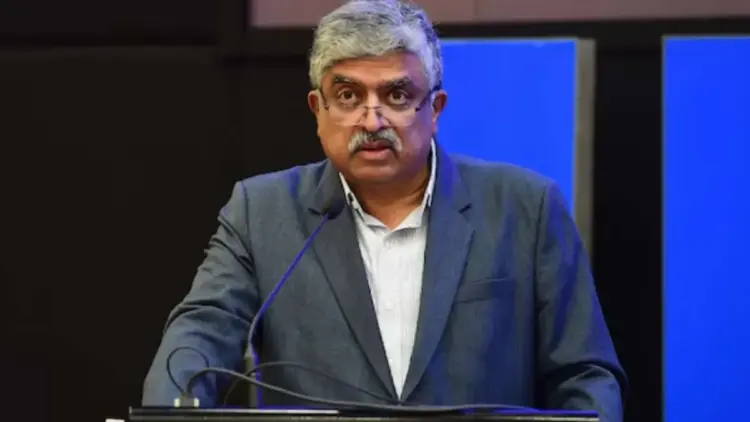
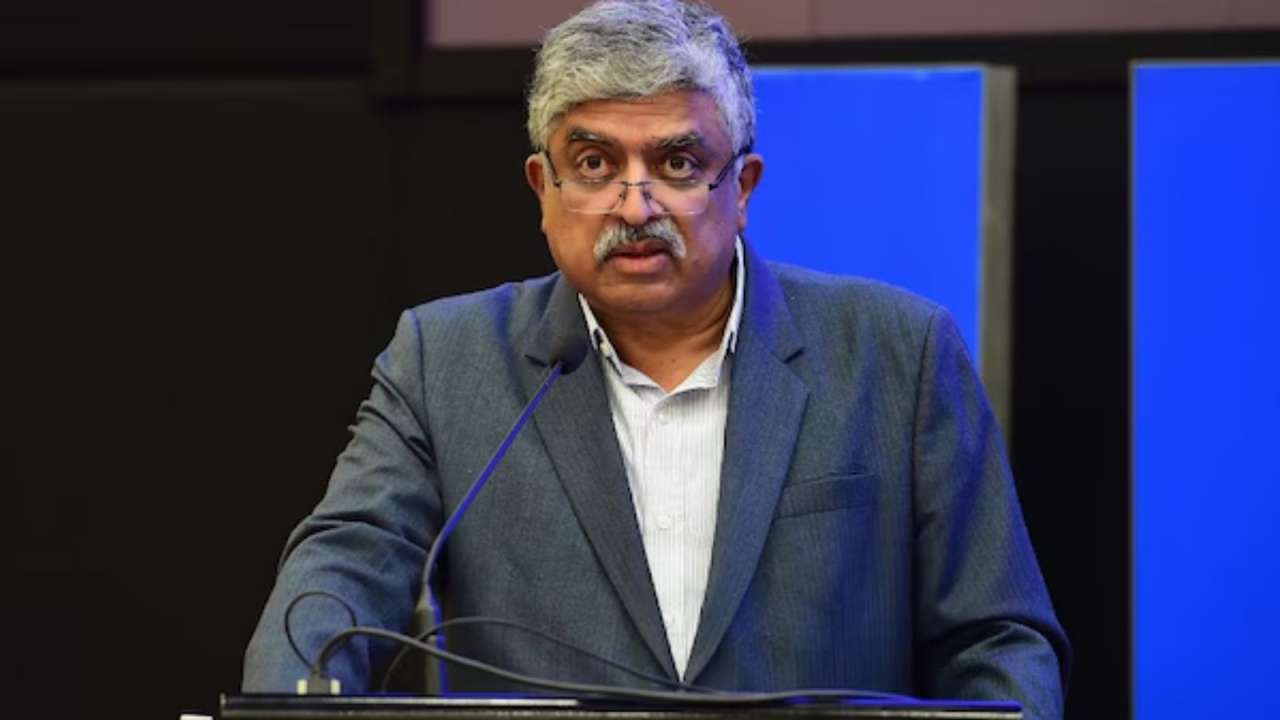
Bengaluru, India – October 14, 2026 – In a move that could revolutionize the integrity of India’s high-stakes examinations, Nandan Nilekani, the visionary co-founder of Infosys and a prominent figure in India’s digital transformation, has put forth a groundbreaking proposal: leveraging Artificial Intelligence (AI) to generate question papers at the eleventh hour. This innovative strategy, unveiled at the Bloomberg New Economy Forum 2026, aims to dismantle the lucrative ecosystem of paper leaks by eliminating the very concept of a pre-determined question paper. Nilekani, who is spearheading a crucial government task force on exam reforms, believes this, coupled with a definitive shift to computer-based testing, offers a robust solution to a persistent and damaging problem plaguing the nation’s educational landscape.
The Core of the Problem: Economic Incentives and Traditional Formats
For years, India has grappled with the pervasive issue of examination paper leaks. These leaks not only undermine the meritocratic principles of education but also sow deep distrust in the fairness of the examination system, impacting millions of aspiring students. The traditional method of creating and distributing physical question papers has, unfortunately, created a fertile ground for malpractices. As Nilekani articulated, "The idea of a predetermined question paper makes it more appealing to leak and sell it. Why do we need to have something called ‘a question paper’? Because that creates an economic incentive for it to be sold." This candid observation cuts to the heart of the matter: the predictability and tangible nature of paper-based exams have inadvertently fostered a criminal enterprise.
The proposed AI-driven solution directly attacks this economic incentive. By creating a massive, dynamic question bank and generating unique question papers for each examination session only minutes before the test begins, the opportunity for leaks is drastically curtailed. This approach renders the traditional methods of leak and sale obsolete, as there would be no stable, predictable document to intercept and distribute. The AI would meticulously curate questions from this vast repository, ensuring variety and preventing any single paper from becoming a commodity.

The Imperative of Computer-Based Testing (CBT)
Nilekani emphasized that the success of this AI-generated question paper model is intrinsically linked to a widespread adoption of computer-based testing (CBT). He revealed that the government-appointed task force is actively exploring the transition of all major examinations to a CBT format. "The committee is looking at how to make sure all exams are done on CBT. That requires a network of locations," he stated. This implies a significant expansion of testing infrastructure, leveraging existing educational institutions and potentially creating new, standardized testing centers.

The rationale behind this push for CBT is multifaceted. Beyond enabling the dynamic generation of question papers, CBT offers several inherent advantages:

- Enhanced Security: Digital testing environments can be more secure, with robust access controls, encryption, and real-time monitoring to prevent unauthorized access or manipulation.
- Efficiency and Speed: CBT allows for faster administration and immediate scoring, significantly reducing the time taken for results declaration. This can be crucial for competitive exams where timely admissions are critical.
- Standardization: Computer-based tests ensure a uniform testing experience for all candidates, eliminating variations that can arise from different invigilators, paper quality, or handwriting legibility.
- Reduced Environmental Impact: A shift to digital exams would drastically reduce the consumption of paper, contributing to environmental sustainability.
However, the transition to CBT is not without its challenges. The report acknowledges that Nilekani did not elaborate on how this would be implemented in areas with limited internet connectivity and the persistent digital divide between urban and rural populations. This is a critical consideration for a country as diverse as India, where equitable access to technology remains a significant hurdle. The National Testing Agency (NTA), as per reports, is already seeking collaboration with the All India Council for Technical Education (AICTE) to identify suitable IT infrastructure and government institutions for establishing standardized testing centers, while consciously avoiding private centers due to integrity concerns. This suggests a cautious and strategic approach to infrastructure development, aiming to build a reliable and accessible network.

Chronology of Reform Efforts: A Response to Crisis
The establishment of the task force on exam reforms is a direct consequence of the mounting pressure on the government to address the escalating problem of paper leaks. The resignation of Education Minister Dharmendra Pradhan in July 2026, amidst widespread protests fueled by recurrent paper leaks, underscored the gravity of the situation. This event served as a catalyst for the formation of the six-member task force, tasked with finding comprehensive and sustainable solutions.

The task force, led by Nandan Nilekani, comprises distinguished individuals from various fields, including former ISRO chief S. Somanath and former Intelligence Bureau (IB) director Tapan Deka. This diverse expertise brings a holistic perspective to the reform process, encompassing technological, administrative, and security aspects. The panel was given a three-month mandate to submit its report, a timeline that reflects the urgency of the issue. In a remarkably short period, the task force has been actively engaged, conducting 18 internal meetings and holding extensive consultations with over 40 stakeholders. This engagement has yielded a wealth of insights, with over 50,000 suggestions collected from students, parents, and various exam bodies such as the National Recruitment Agency (NRA), Staff Selection Commission (SSC), and Railway Recruitment Boards (RRB). This extensive consultation process demonstrates a commitment to a bottom-up approach, ensuring that the proposed reforms are practical and address the concerns of those directly affected.

Supporting Data and the Scale of the Problem
While the provided text does not contain explicit statistical data on the frequency or economic impact of paper leaks, the sheer scale of protests and the minister’s resignation suggest a problem of significant magnitude. Major examinations in India, such as the National Eligibility cum Entrance Test (NEET) for medical admissions, the Joint Entrance Examination (JEE) for engineering, and various recruitment examinations for government jobs, are often marred by leak allegations. The economic incentive alluded to by Nilekani likely stems from the substantial fees charged by coaching centers and the desperation of students to secure admissions or jobs, making them vulnerable to fraudulent schemes.

The task force’s efforts to gather over 50,000 suggestions highlight the widespread impact and concern surrounding exam integrity. This vast repository of feedback is invaluable in understanding the nuances of the problem and formulating effective solutions that are acceptable to the broader student and parent community.

Official Responses and Stakeholder Engagement
The formation of the task force itself signifies an official acknowledgment of the severity of paper leaks and a commitment to finding solutions. Nandan Nilekani’s proactive proposal at the Bloomberg New Economy Forum demonstrates the task force’s willingness to explore unconventional and technologically advanced approaches. His leadership, drawing on his extensive experience in technology and public service, instills confidence in the reform process.

The extensive stakeholder engagement, including consultations with students, parents, and exam regulatory bodies, is a crucial aspect of the reform. By actively seeking and incorporating feedback, the task force aims to build consensus and ensure that the proposed changes are not only effective but also widely accepted. The NTA’s collaboration with AICTE for infrastructure development further indicates a coordinated effort among government agencies to address the logistical challenges of implementing CBT.

Implications and Future Outlook
Nandan Nilekani’s proposal to use AI for last-minute question paper generation, coupled with a push for computer-based testing, carries profound implications for the future of examinations in India.

- Erosion of the Leak Market: If successfully implemented, this strategy could effectively dismantle the black market for leaked examination papers, restoring fairness and meritocracy to the system.
- Enhanced Credibility: A more secure and transparent examination process will bolster the credibility of educational institutions and recruitment agencies, fostering greater trust among students and the public.
- Technological Advancement in Education: This initiative could serve as a catalyst for greater adoption of advanced technologies like AI in the education sector, driving innovation and efficiency.
- Bridging the Digital Divide: The success of CBT hinges on addressing the digital divide. This could spur investments in digital infrastructure, particularly in rural and underserved areas, ultimately contributing to greater digital inclusion.
- Potential for New Challenges: While promising, the AI-driven model might introduce new vulnerabilities, such as the potential for sophisticated cyber-attacks on the AI system or the question bank itself. Robust cybersecurity measures will be paramount. Furthermore, the ethical implications of AI in decision-making processes, even in generating question papers, will require careful consideration and oversight.
The path forward involves meticulous planning, substantial investment in infrastructure, and a commitment to equitable access. The task force’s report, expected soon, will likely outline a detailed roadmap for implementing these transformative changes. If successful, Nandan Nilekani’s vision could mark a turning point in India’s long struggle for examination integrity, paving the way for a more just, equitable, and technologically advanced educational future. The nation watches with anticipation as this bold proposal moves from concept to potential reality.