

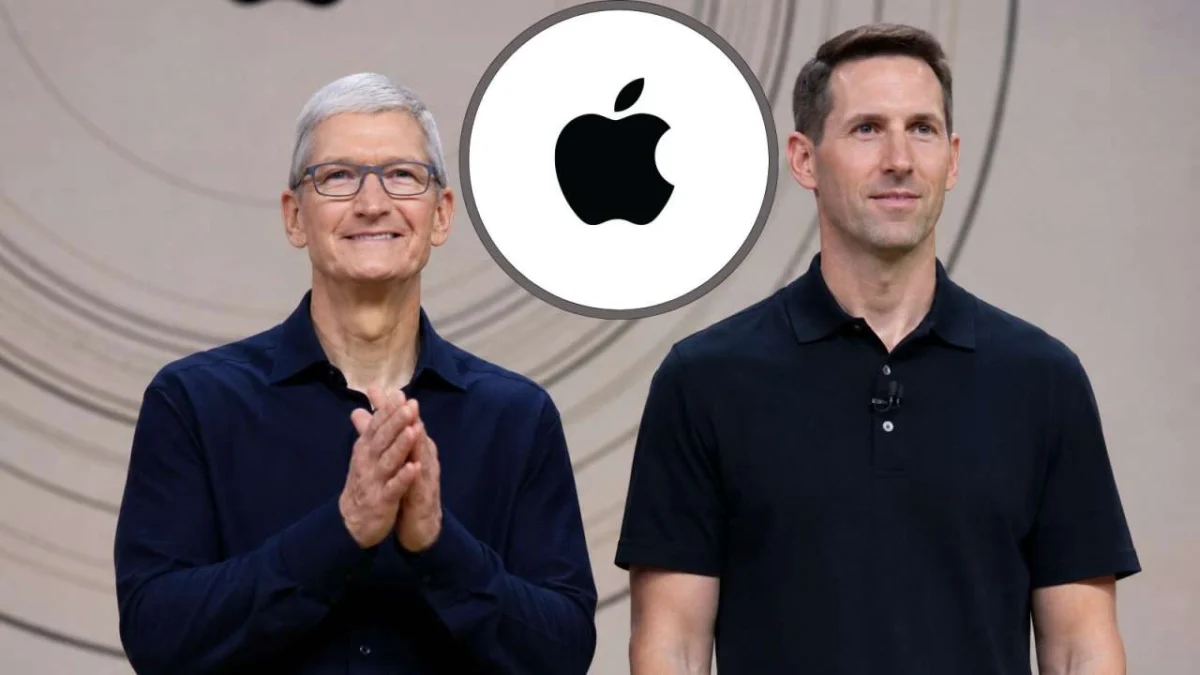
CUPERTINO, CA – September 2, 2026 – In a pivotal moment marking a significant leadership transition, technology titan Apple Inc. has officially ushered in a new era with John Ternus taking the helm as Chief Executive Officer. The company, in a detailed filing with the U.S. Securities and Exchange Commission (SEC) on September 1, 2026, formally disclosed the ambitious compensation targets for its new CEO, set at an estimated $58 million for fiscal year 2027. Concurrently, the filing outlined the compensation structure for outgoing CEO Tim Cook, who transitions to the role of Executive Chairman, with a target pay of $47 million for the same fiscal period. This meticulously planned succession and accompanying compensation framework underscore Apple’s commitment to long-term stability, strategic leadership, and performance-driven incentives as it navigates the complex global technology landscape.
The comprehensive SEC filing not only confirmed the highly anticipated change at the very top of the world’s most valuable company but also provided unprecedented insight into how Apple intends to reward its leadership for steering its future direction. The figures, while substantial, are heavily weighted towards performance-based incentives, aligning executive fortunes directly with shareholder returns and the company’s continued innovation and market dominance.
Main Facts: A New Chapter in Apple’s Leadership
The core of Apple’s recent SEC filing centers on two monumental announcements: the formal appointment of John Ternus as CEO and the detailed remuneration packages for both him and the transitioning Tim Cook. This strategic move, effective September 1, 2026, signals a carefully orchestrated succession plan designed to ensure continuity while injecting new leadership at the pinnacle of the Cupertino-based giant.
John Ternus: The New Architect of Apple’s Future
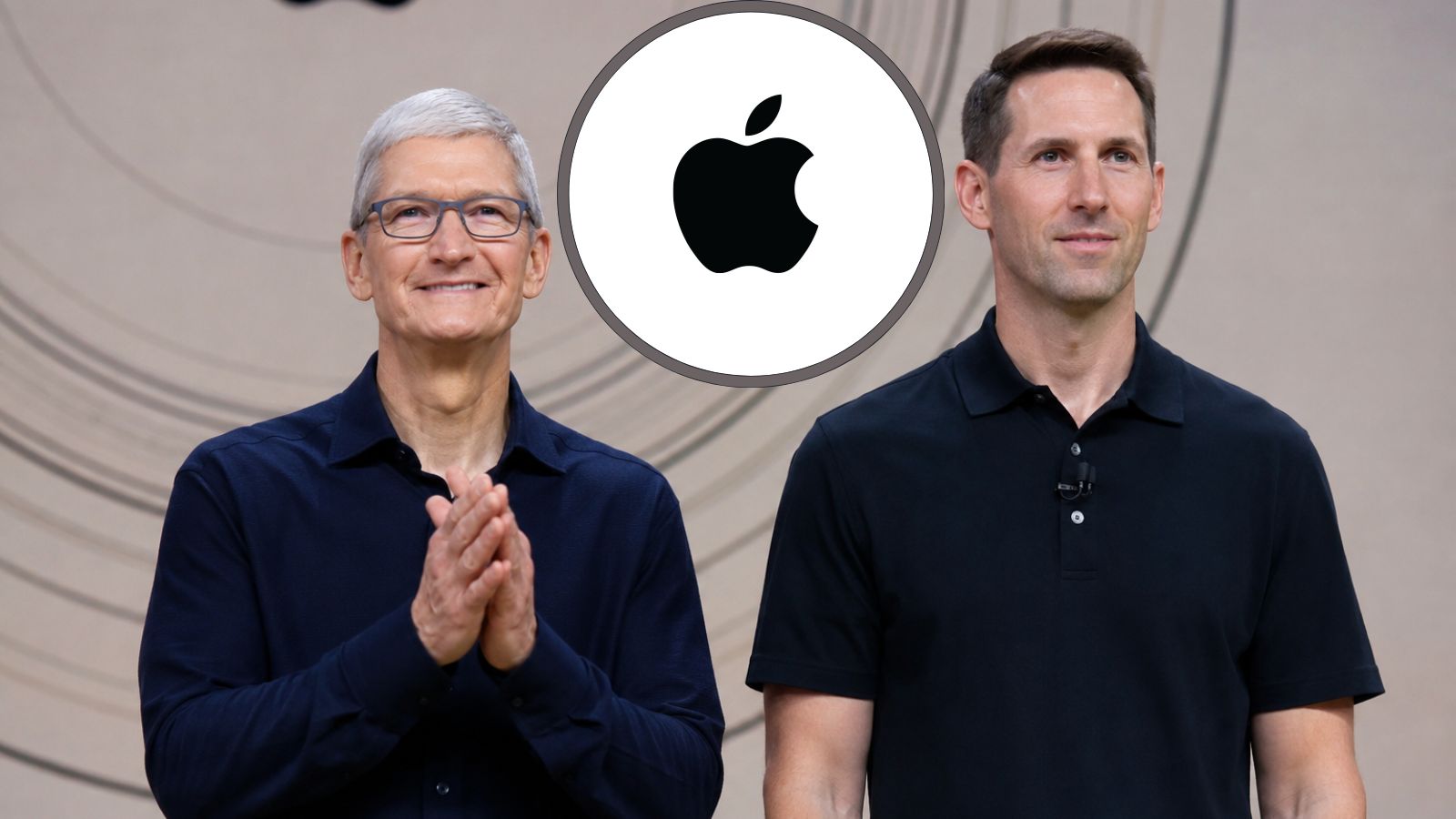
John Ternus, a long-standing and highly respected figure within Apple’s executive ranks, officially began his tenure as CEO on September 1, 2026. His compensation package for fiscal year 2027 is targeted at approximately $58 million. This figure is meticulously broken down into:
)
- An annual base salary of $3 million.
- An annual equity award totaling $55 million. A significant 75% of this stock award is performance-based, contingent upon Apple’s total shareholder return relative to other companies within the S&P 500 index. The remaining 25% comprises time-based restricted stock units, designed to vest incrementally over four years, with distributions every six months. This structure is a clear indicator of Apple’s philosophy of linking executive compensation directly to the company’s financial health and market performance.
Furthermore, the filing revealed that Ternus received a prorated stock award of $2.5 million for fiscal year 2026, acknowledging his transition into the CEO role during that period. This new compensation package represents a substantial increase from his estimated previous earnings as Senior Vice President of Hardware Engineering, a role where executives are typically reported to earn around $25 million annually, including stock, bonuses, and base pay.
Tim Cook: Transition to Executive Chairman
After an illustrious 15-year tenure as CEO, Tim Cook has transitioned into the role of Executive Chairman. His target compensation for fiscal year 2027 is set at approximately $47 million. Cook’s new remuneration package includes:

- A revised annual base salary, decreasing from $3 million to $2 million, effective September 26, 2026.
- A 2027 stock award with a target value of $45 million. Similar to Ternus’s package, half of this award will be performance-based, while the other half will consist of time-based units vesting over four years.
A notable clause in Cook’s filing indicates a departure from standard practices: he will retain his equity if he chooses to retire after the first anniversary of his stock grant. This provision underscores Apple’s desire to leverage Cook’s invaluable experience and strategic insights for an extended period, particularly in critical areas such as government relations and US-China ties, which are explicitly part of his new mandate.
The SEC filing, lodged on September 1, 2026, serves as the definitive public record of these significant changes, providing transparency into Apple’s executive compensation strategies as it embarks on this new leadership chapter.
)
Chronology: A Planned Evolution of Leadership
The transition of power at Apple, culminating in the September 1, 2026, announcement, has been a carefully managed process, reflecting the company’s commitment to robust succession planning. This timeline details the key events and the progression of both Tim Cook and John Ternus within the company.
Tim Cook’s Enduring Legacy (2011-2026 as CEO)
Tim Cook’s journey to the executive chairman role began with his appointment as CEO in August 2011, following the passing of Apple’s iconic co-founder, Steve Jobs. Over the past 15 years, Cook has not merely sustained Apple’s trajectory but has propelled it to unprecedented heights. His tenure has been characterized by:
)
- Massive Market Cap Growth: Under his leadership, Apple’s market capitalization soared, at times exceeding $3 trillion, making it the world’s most valuable company.
- Product Diversification and Expansion: While maintaining the core strength of the iPhone, Cook oversaw the expansion into new categories such as the Apple Watch, AirPods, and a robust suite of services, including Apple Music, Apple TV+, and iCloud. These services have become a significant revenue driver for the company.
- Supply Chain Mastery: Leveraging his background in operations, Cook further optimized Apple’s global supply chain, ensuring efficient production and distribution, even amidst global economic challenges.
- Commitment to Social Responsibility: He championed initiatives in environmental sustainability, privacy, and diversity, embedding these values deeper into Apple’s corporate identity.
- Navigating Global Challenges: Cook successfully steered Apple through periods of intense geopolitical tension, economic downturns, and regulatory scrutiny, particularly concerning competition and app store policies.
His decision to transition, rather than depart, signifies a strategic desire to retain his institutional knowledge and diplomatic skills for the company’s benefit, particularly in complex international relations. The formal announcement of his new role as Executive Chairman and the associated compensation details in the September 1, 2026, SEC filing mark the official commencement of this new chapter.
John Ternus: From Hardware Visionary to CEO (2001-2026)
John Ternus’s ascent to the CEO position is a testament to his long-standing dedication and critical contributions to Apple’s product development. Ternus joined Apple in 2001, a pivotal year for the company with the launch of the original iPod, and has since played an instrumental role in shaping the physical manifestation of Apple’s innovation.
)
- Early Career and Rise: He steadily climbed the ranks within Apple’s product design and engineering teams, gaining a reputation for meticulous attention to detail and a deep understanding of hardware integration.
- SVP of Hardware Engineering: Prior to his CEO appointment, Ternus served as the Senior Vice President of Hardware Engineering, a role he assumed in 2021. In this capacity, he oversaw the engineering of virtually all of Apple’s product lines, including the iPhone, iPad, Mac, AirPods, and the groundbreaking Apple Vision Pro. His leadership was crucial in the development and successful launch of many of these products, particularly in integrating advanced technologies and maintaining Apple’s hallmark industrial design.
- Public Profile: While often operating behind the scenes, Ternus became a more public figure in recent years, frequently appearing at Apple’s product launch events to introduce new hardware, showcasing his deep technical knowledge and articulate presentation style.
- Succession Planning: His promotion to CEO on September 1, 2026, is the culmination of what industry observers believe has been a multi-year succession planning effort, preparing him to take on the most challenging leadership role in the tech world. The prorated stock award for fiscal year 2026 and the subsequent full compensation package for fiscal year 2027 outlined in the SEC filing underscore the comprehensive nature of this transition.
The timing of the SEC filing, released on the very day of Ternus’s official CEO commencement, ensures immediate transparency and adherence to regulatory requirements, clearly delineating the new executive structure and compensation framework for investors and the public.
Supporting Data: Unpacking the Compensation Philosophy
The financial details unveiled in Apple’s September 1, 2026, SEC filing offer a granular view into the company’s executive compensation philosophy, emphasizing performance, long-term commitment, and alignment with shareholder interests. Both John Ternus’s and Tim Cook’s packages are structured to incentivize sustained growth and strategic direction.
)
John Ternus’s Compensation Deep Dive:
The $58 million target pay for Ternus in fiscal 2027 is a significant figure, yet its composition reveals a deliberate strategy:
- Base Salary ($3 million): This component provides a stable, albeit relatively small, portion of his total compensation, ensuring a baseline income for the CEO. In the context of a multi-billion dollar corporation, this fixed salary reflects a minimal portion of the overall package, pushing the focus onto variable compensation.
- Equity Award ($55 million): This is the cornerstone of Ternus’s remuneration, designed to align his financial interests directly with Apple’s long-term performance and market valuation.
- Performance-Based Stock (75% of $55 million = $41.25 million): This substantial portion is contingent on Apple’s Total Shareholder Return (TSR) performance relative to the S&P 500. TSR includes stock price appreciation and dividends, providing a holistic measure of investor returns. By benchmarking against the S&P 500, Apple ensures that Ternus is rewarded not just for absolute growth, but for outperforming a broad market index, thereby demanding superior results from his leadership. This mechanism is a powerful incentive for strategic decision-making that enhances shareholder value over time.
- Time-Based Restricted Stock Units (25% of $55 million = $13.75 million): These units vest every six months over a four-year period. This component serves as a retention tool, encouraging Ternus to remain with the company for the long haul and providing a steady stream of equity-based compensation that builds wealth over his tenure. It also mitigates some of the short-term volatility associated with purely performance-based awards, ensuring a degree of stability in his equity accumulation.
Tim Cook’s Executive Chairman Package:
Cook’s $47 million target pay for fiscal 2027, while lower than his previous CEO earnings, remains a substantial sum, reflecting his continued importance to Apple.
)
- Reduced Base Salary ($2 million): The decrease from $3 million to $2 million signifies a shift in his day-to-day operational responsibilities, acknowledging his transition from CEO.
- Equity Award ($45 million): This component continues to tie Cook’s financial well-being to Apple’s success, even in his new role.
- Performance-Based Stock (50% of $45 million = $22.5 million): This ensures that Cook, in his advisory and strategic capacity, remains motivated to contribute to Apple’s strong market performance. His insights into government relations and US-China ties directly impact the company’s global revenue and market access, making this performance link crucial.
- Time-Based Stock (50% of $45 million = $22.5 million): Vesting over four years, this serves as a significant retention incentive, ensuring Cook’s continued presence and counsel for the foreseeable future.
- Unique Equity Retention Clause: The provision allowing Cook to retain his equity if he retires after the first anniversary of his stock grant is a testament to his unique status and invaluable contributions. It provides him with flexibility while ensuring Apple benefits from his expertise for a defined period, preventing a sudden departure from potentially undermining key strategic initiatives.
Comparison with Previous Earnings:
- Ternus’s Jump: His previous estimated annual compensation as SVP of hardware engineering was around $25 million. The move to $58 million as CEO represents a more than doubling of his pay, reflecting the immense increase in responsibility, accountability, and the broader scope of his role overseeing the entire company.
- Cook’s Transition: In 2025, as CEO, Cook earned a total of $74.3 million, which included a $3 million salary, $57.5 million in stock awards, and a $12 million cash bonus. His new target of $47 million represents a decrease, commensurate with his reduced operational duties but still recognizing his strategic importance. This illustrates a thoughtful scaling back of compensation as the role shifts from direct operational leadership to strategic oversight.
Industry Context and Shareholder Alignment:
Apple’s executive compensation strategy aligns with prevailing trends among mega-cap technology companies, where a significant portion of CEO and top executive pay is equity-based and tied to performance metrics. This approach is favored by many institutional investors and proxy advisory firms, as it theoretically aligns the interests of leadership with those of shareholders. The reliance on Total Shareholder Return relative to the S&P 500 is a common and robust benchmark, ensuring that Apple’s executives are incentivized to not just grow the company, but to outperform the broader market. This structure aims to foster long-term value creation, innovation, and disciplined capital allocation.
)
Official Responses: Transparency Through Regulatory Filings
In the highly regulated world of corporate governance, particularly for publicly traded entities of Apple’s magnitude, official communications regarding executive compensation and leadership transitions are meticulously managed. While Apple has not issued a separate, elaborate press release beyond the regulatory document, the September 1, 2026, SEC filing itself serves as the definitive and legally binding official response from the company.
The SEC Filing as Official Stance:
The U.S. Securities and Exchange Commission (SEC) requires public companies to disclose material information that could affect investment decisions. Details regarding executive appointments, compensation structures, and changes in leadership fall squarely within this mandate. By filing the comprehensive document, Apple fulfills its obligations for transparency to investors and the public.
)
- Legal Compliance: The filing ensures Apple’s compliance with federal securities laws, providing a structured and standardized format for presenting critical financial and governance information.
- Investor Communication: For institutional investors, analysts, and individual shareholders, the SEC filing is the primary source of verifiable information. It provides the precise terms, conditions, and financial breakdown of the compensation packages for both John Ternus and Tim Cook. This direct disclosure eliminates ambiguity and provides a factual basis for evaluating the company’s governance and compensation practices.
- Rationale by Implication: While the filing doesn’t contain direct quotes explaining why these specific figures were chosen, the structure of the compensation—particularly the heavy weighting towards performance-based equity—implicitly communicates Apple’s rationale. It signals a strong belief that executive compensation should be directly linked to the company’s financial success and shareholder value creation. The detailed breakdown of performance metrics (TSR against S&P 500) further clarifies the criteria by which the executives’ success will be measured and rewarded.
- Board’s Endorsement: The information contained within the SEC filing represents the official decision and endorsement of Apple’s Board of Directors and its Compensation Committee. These bodies are responsible for setting executive pay, ensuring it is competitive, aligns with corporate strategy, and is defensible to shareholders. The act of filing itself indicates that the board has approved these packages after careful deliberation.
Absence of Further Public Statements:
The absence of a separate, more colloquial press statement or executive interviews immediately following the filing is not unusual for such announcements. Large corporations often prefer to let the official regulatory filings speak for themselves on matters of executive compensation, avoiding potential misinterpretations or speculative commentary that might arise from less formal communications. The detailed nature of the SEC filing is designed to provide all necessary information in a precise and legally sound manner.
In essence, Apple’s official response to the significant leadership transition and associated executive compensation is embodied entirely within the comprehensive September 1, 2026, SEC filing, a document designed to offer complete transparency and compliance with regulatory requirements.
)
Implications: Charting Apple’s Future Course
The leadership transition at Apple, coupled with the detailed executive compensation packages, carries profound implications across multiple facets of the company’s operations, strategic direction, corporate governance, and broader market perception.
1. Strategic Direction and Innovation under John Ternus:
)
- Hardware-Centric Focus: Ternus’s deep background in hardware engineering suggests a potential renewed or intensified focus on product innovation, design excellence, and the seamless integration of hardware and software that has long been Apple’s hallmark. His leadership could drive advancements in existing product lines (iPhone, Mac, iPad) and potentially accelerate development in emerging categories, such as augmented/virtual reality (e.g., Apple Vision Pro development) and perhaps even new ventures.
- Continuity and Evolution: While Ternus represents a new generation of leadership, his long tenure at Apple ensures continuity with the company’s core values and strategic vision. The challenge for him will be to balance this continuity with the necessity for bold new directions and market disruption to maintain Apple’s competitive edge.
- Operational Execution: Ternus’s experience in managing complex engineering projects bodes well for Apple’s continued operational excellence, especially in manufacturing and supply chain management, areas critical for delivering products at scale.
2. Tim Cook’s Enduring Influence as Executive Chairman:
- Strategic Advisory Role: Cook’s focus on government relations and US-China ties is strategically vital. As Apple faces increasing regulatory scrutiny globally and navigates complex geopolitical dynamics, particularly concerning its manufacturing base and market access in China, Cook’s diplomatic skills and deep relationships will be invaluable. This role ensures Apple maintains a powerful voice in shaping policies that affect its business.
- Mentorship and Transition Support: His continued presence provides a critical layer of mentorship and institutional knowledge for Ternus, ensuring a smooth leadership handoff and safeguarding Apple’s corporate culture and long-term vision. The unique equity retention clause underscores the company’s desire to secure his expertise for an extended period.
- Broader Strategic Counsel: Beyond specific mandates, Cook will likely provide high-level strategic counsel to the board and CEO on major corporate decisions, mergers and acquisitions, and long-term market trends.
3. Corporate Governance and Succession Planning:
)
- Exemplary Succession: The orderly transition from Cook to Ternus, with Cook remaining as Executive Chairman, is a textbook example of robust succession planning at the highest levels of corporate leadership. It minimizes disruption and provides stability during a critical change.
- Performance-Driven Compensation: The heavy emphasis on performance-based equity for both executives reinforces Apple’s commitment to aligning leadership incentives with shareholder value creation. This approach is generally viewed favorably by corporate governance advocates and institutional investors, as it holds executives accountable for long-term results.
- Shareholder Scrutiny: While the compensation packages are structured with performance in mind, the sheer size of the figures ($58 million for Ternus, $47 million for Cook) will undoubtedly draw public and media scrutiny, especially in an era of increasing debate over executive pay disparity. Apple’s transparency through the SEC filing allows for this scrutiny, which is a necessary component of corporate accountability.
4. Market Perception and Investor Confidence:
- Stability Signal: The clear communication of leadership roles and compensation structures projects an image of stability and foresight to the market. This can bolster investor confidence, assuring them that Apple has a clear plan for its future leadership.
- Valuation Impact: Successful execution under Ternus, supported by Cook’s strategic guidance, could lead to continued market cap growth. Conversely, any perceived missteps or failure to meet performance targets (especially TSR against S&P 500) could impact investor sentiment and stock performance.
- Competitive Landscape: The appointment of a hardware-focused CEO sends a signal to competitors about Apple’s ongoing commitment to pushing the boundaries of physical product innovation, potentially intensifying competition in key technology sectors.
5. Broader Industry Trends and Executive Pay Debate:
)
- Benchmarking for Tech CEOs: Apple’s executive compensation figures often serve as a benchmark within the technology industry. These packages could influence how other major tech companies structure their own executive remuneration, particularly regarding the balance between fixed salary, time-based equity, and performance-based incentives.
- Public Discourse on Wealth: The substantial figures will undoubtedly fuel the ongoing public discourse about executive compensation, wealth distribution, and the role of corporate giants in the global economy. Apple, as one of the world’s most recognizable and valuable companies, often finds itself at the center of such discussions.
In conclusion, the announcements regarding John Ternus’s appointment as CEO and Tim Cook’s transition to Executive Chairman, complete with their detailed compensation structures, represent a calculated and strategic move by Apple. It signifies a future that balances continuity with innovation, global strategic engagement with internal product excellence, and robust corporate governance with performance-driven incentives. The success of this new chapter will hinge on Ternus’s ability to steer Apple through evolving technological landscapes and Cook’s continued strategic contributions, all under the watchful eyes of investors and the global market.
