

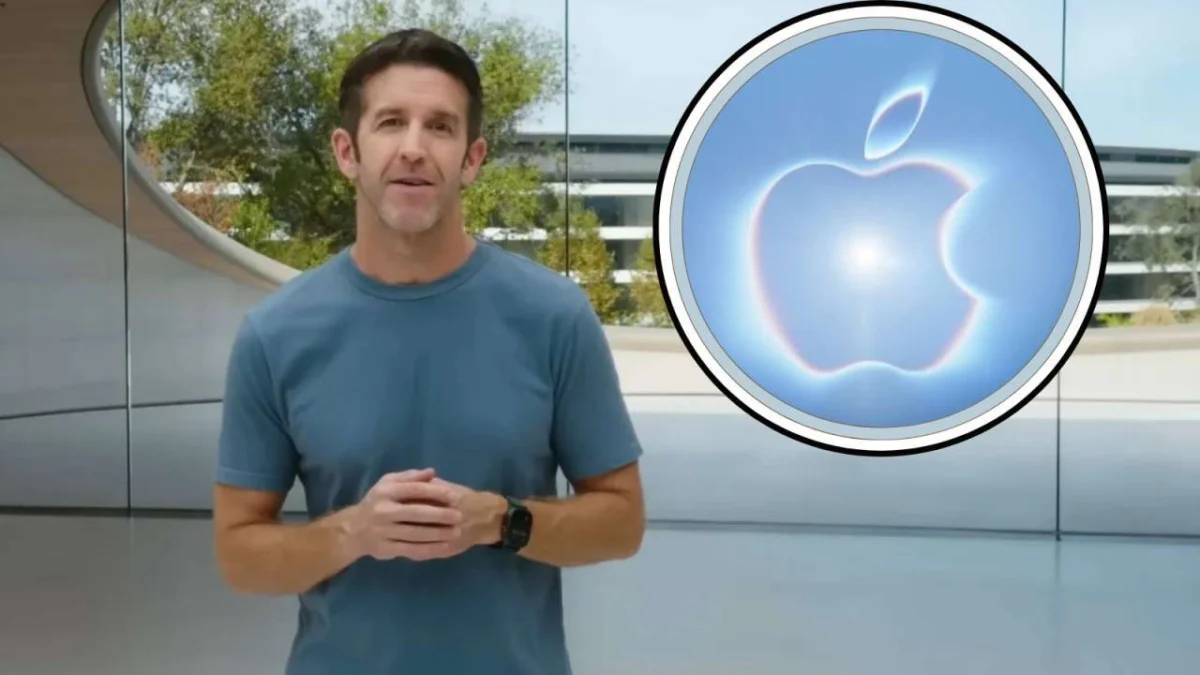
A New Era at Apple: John Ternus Takes the Reins
CUPERTINO, CALIFORNIA – In a significant leadership transition, John Ternus, a long-serving and highly respected figure within Apple Inc., has ascended to the role of Chief Executive Officer. At 51, Ternus steps into the formidable shoes left by Tim Cook, who presided over Apple’s unparalleled growth for 15 years, cementing its status as the world’s most valuable company. Ternus’s appointment marks a pivotal moment for the tech giant, signaling a continuity of vision while also ushering in a new generation of leadership.
However, Ternus’s journey to the pinnacle of corporate power was not without its personal challenges. Far from a narrative of unbridled confidence, his early days at Apple were characterized by profound self-doubt, a struggle he has openly shared, offering a powerful message of humility, resilience, and the invaluable art of continuous learning. His story resonates deeply, providing a blueprint for aspiring leaders and professionals navigating the complex landscape of high-stakes innovation.
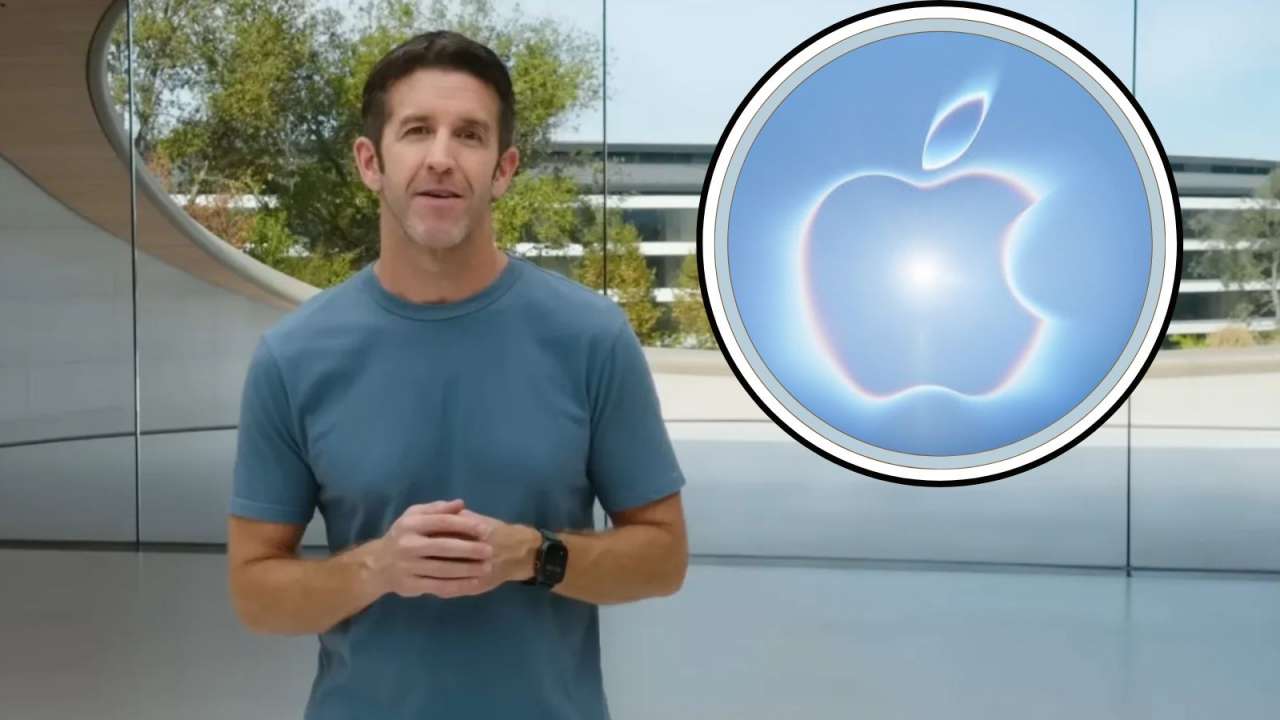
The Genesis of a Leader: Early Days and the Crucible of Apple
John Ternus first joined Apple in 2001 at the age of 26, fresh out of the University of Pennsylvania where he earned a Bachelor of Science in Mechanical Engineering. It was only his second job after college, and the move plunged him into an environment that was, by his own admission, both "intimidating and exhilarating."
Stepping into a Transformed Apple (2001)
When Ternus arrived, Apple was in the midst of a remarkable renaissance, largely orchestrated by the triumphant return of Steve Jobs. The company had just launched the revolutionary iPod in October 2001, a device that would fundamentally redefine the music industry and set Apple on an unprecedented trajectory of innovation. The corporate culture, invigorated by Jobs’s demanding yet visionary leadership, was characterized by an intense focus on design, engineering excellence, and a relentless pursuit of perfection.
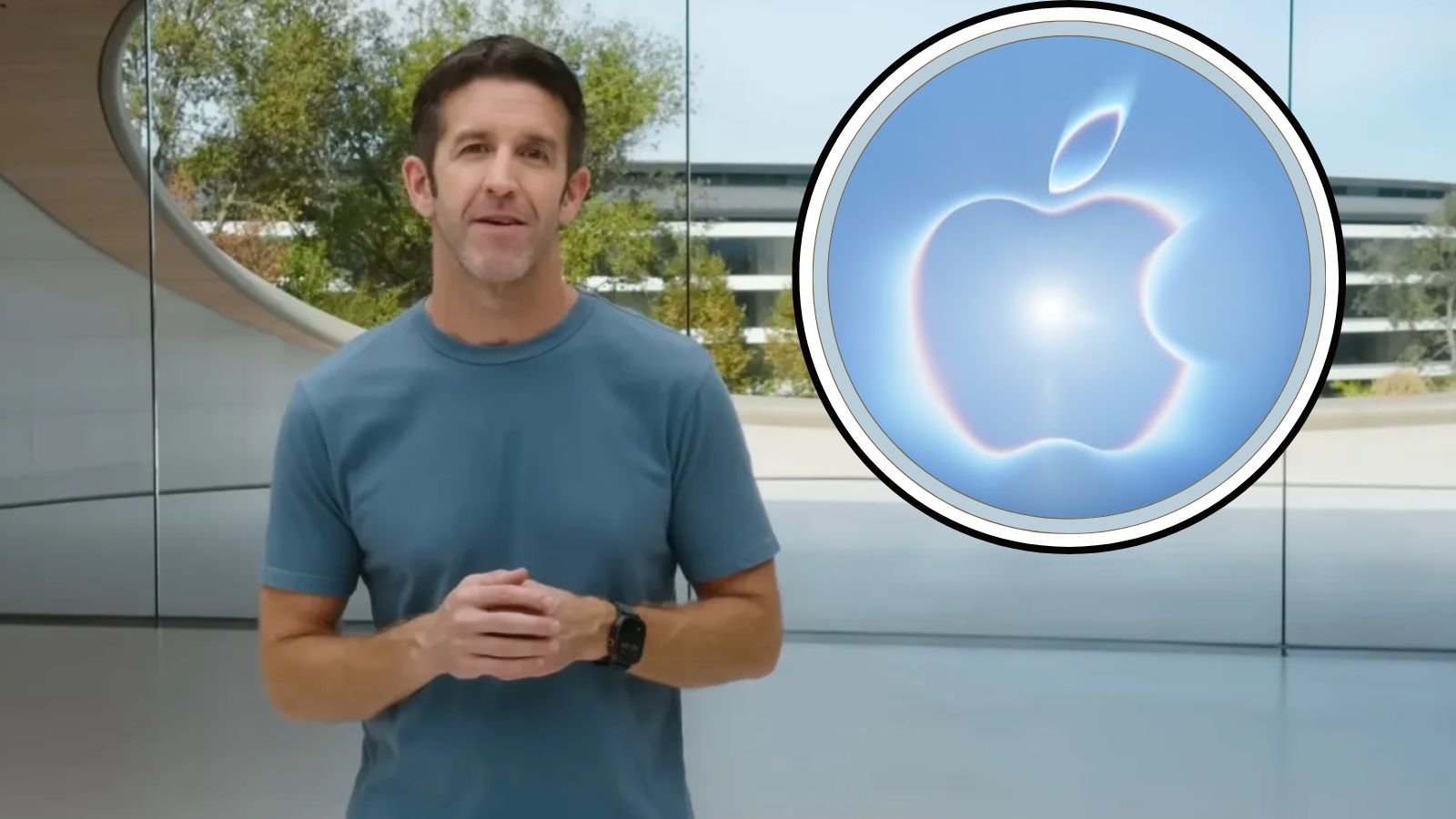)
For a young engineer, this environment was a double-edged sword. On one hand, it offered an unparalleled opportunity to contribute to world-changing products. On the other, it presented a stark challenge to one’s self-perception and capabilities. Ternus was initially involved with projects like the elegant Cinema Display and the groundbreaking G5-era iMacs, products that showcased Apple’s commitment to integrated design and powerful performance. These early assignments immersed him in the meticulous engineering and aesthetic demands that define Apple’s hardware.
The Shadow of Self-Doubt
It was during this formative period that Ternus grappled with significant self-doubt. In a candid 2024 commencement speech at his alma mater, the University of Pennsylvania, he recounted his feelings, stating, "I wasn’t sure I belonged there. The people I met were so smart and so confident, and they knew so much more than me." This sentiment is a common, yet often unspoken, experience for many who enter highly competitive and intellectually rigorous environments. The sheer brilliance and confidence of his colleagues at Apple, a company famed for attracting top talent, made him question his own place and abilities.

This period of introspection, rather than hindering his progress, ultimately forged a critical aspect of his leadership philosophy. It instilled in him a profound appreciation for humility and the collective wisdom of a team, lessons that would prove invaluable as he rose through the ranks.
A Steady Ascent: From Engineer to Hardware Visionary
Ternus’s career at Apple is a testament to consistent performance, deep technical expertise, and a remarkable ability to transition from individual contributor to a pivotal leadership role. His trajectory highlights a clear path of growth, characterized by increasing responsibility and a widening scope of influence.
)
Engineering Excellence and Product Innovation
After his initial roles, Ternus quickly proved his mettle, demonstrating a keen understanding of hardware design and manufacturing processes. His contributions became central to some of Apple’s most iconic products. He transitioned into management, a move that required not just technical prowess but also the ability to guide and inspire teams of highly skilled engineers.
By 2013, his dedication and expertise were formally recognized with his appointment as Vice President of Hardware Engineering. In this critical role, Ternus was instrumental in the development of every generation of iPad, a device that revolutionized personal computing and media consumption. He also played a key role in the creation of the first AirPods, a product that swiftly became a cultural phenomenon and a dominant force in the wireless audio market. His responsibilities later expanded to encompass the design and engineering of the iPhone Pro line, the Mac, and the Apple Watch, putting him at the heart of Apple’s core product offerings.
)
His leadership in these areas required navigating immense technical challenges, managing complex supply chains, and fostering a culture of relentless innovation. The transition from plastic to aluminum designs across many of Apple’s product lines, which Ternus referenced in his speech, exemplifies the kind of fundamental engineering shifts he oversaw. This experience taught him the necessity of approaching problems from multiple perspectives, iterating endlessly, and collaborating across diverse teams to achieve groundbreaking results.
The Path to Executive Leadership
Ternus’s elevation to Senior Vice President of Hardware Engineering in 2021 further solidified his position as a key executive. In this role, he reported directly to Tim Cook and was responsible for all hardware engineering for all Apple products, a colossal undertaking. His oversight extended from the initial concept and design phases to manufacturing and quality control. This comprehensive mandate gave him a holistic view of Apple’s product development lifecycle and exposed him to the strategic decision-making at the highest levels of the company. It was during this period that his leadership style, characterized by a blend of confidence, humility, and an insatiable curiosity, truly blossomed.
)
The Mindset that Conquers Doubt: Ternus’s Leadership Philosophy
The personal struggle with self-doubt early in his career profoundly shaped Ternus’s approach to leadership and professional growth. He distilled these lessons into a simple yet powerful rule, which he shared with the University of Pennsylvania graduates: "Always assume you’re as smart as anyone else in the room, but never assume that you know as much as they do."
Confidence and Humility: A Symbiotic Relationship
This maxim encapsulates a sophisticated understanding of intellectual humility. It encourages individuals to approach challenges with an innate belief in their own capabilities ("assume you’re as smart as anyone else") while simultaneously fostering an open-mindedness and willingness to learn from others ("never assume that you know as much as they do"). In an organization like Apple, where specialized knowledge runs deep and innovation thrives on cross-functional collaboration, this mindset is invaluable.
)
- Confidence as a Foundation: Believing in one’s intelligence allows for assertive participation, critical thinking, and the courage to propose novel ideas. Without this baseline confidence, individuals might self-censor or shy away from contributing their unique perspectives.
- Humility as a Catalyst for Learning: Acknowledging that one doesn’t possess all the answers is the gateway to continuous learning. It encourages active listening, asking probing questions, and seeking out diverse viewpoints. In the fast-evolving tech industry, where knowledge quickly becomes outdated, this humility is not merely a virtue but a strategic necessity. It fosters an environment where growth is constant, and innovation is fueled by a collective pursuit of knowledge.
The Power of Asking for Help and Collaborative Growth
Ternus emphasized that this confident and humble mindset actively fosters learning and, crucially, encourages asking for help. In a complex, highly specialized environment like Apple, no single individual can possess all the necessary expertise. The ability to articulate what one doesn’t know and to seek assistance from colleagues is a hallmark of effective leadership and a driver of team success.
He reflected on how being surrounded by "caring individuals" pushed him to exceed his limits and understand his growth path. This highlights the importance of a supportive and collaborative work culture. When team members feel safe to admit their limitations and ask for guidance, it strengthens the collective intelligence and problem-solving capacity of the group. It transforms potential weaknesses into opportunities for shared learning and mutual advancement.
)
His experience with Apple’s design shifts, such as moving from plastic to aluminum, perfectly illustrates this principle. Such a transition isn’t just an engineering problem; it involves materials science, manufacturing processes, industrial design, supply chain logistics, and cost analysis. No single person could master all these domains. Success depended on confident individuals bringing their specific expertise to the table, coupled with the humility to learn from experts in other fields and collaborate towards a unified solution.
Official Responses and Endorsements: The Legacy of Tim Cook
The transition of power from Tim Cook to John Ternus is not merely a corporate reshuffle but a carefully orchestrated succession, underscored by strong endorsements from the outgoing CEO. Tim Cook’s 15-year tenure saw Apple’s market capitalization soar, its product ecosystem expand exponentially, and its global influence solidify. His backing of Ternus carries immense weight.
)
Tim Cook’s Unwavering Support
Cook, known for his meticulous approach to leadership and succession planning, has publicly championed Ternus. He described his successor as "brilliant, wonderful, and capable," a testament to Ternus’s intellectual prowess, leadership qualities, and proven track record. Cook’s most compelling endorsement highlighted Ternus’s unique ability to translate vision into tangible products: "few understand how to build world-changing products as Ternus does."
This statement is particularly significant given Apple’s core identity as a product company. It signals that Ternus possesses the rare combination of technical acumen, strategic vision, and an acute understanding of user experience that is essential for leading Apple into its next chapter of innovation. Cook’s confidence in Ternus assures stakeholders that the company’s commitment to groundbreaking products will continue unabated.
)
The Commencement Speech: A Platform for Universal Wisdom
Ternus’s commencement speech at the University of Pennsylvania served as a powerful platform not only to share his personal journey but also to impart broader life lessons to the next generation. The choice to reveal his early self-doubt in such a public forum demonstrates his authentic leadership style and his belief in the power of vulnerability. By sharing this often-hidden aspect of professional life, he normalized a common struggle and provided a relatable example of how to overcome it.
The speech was not just a retrospective but a forward-looking message, encapsulating the values he believes are crucial for success in any field. It reinforced the idea that true strength lies not in never doubting oneself, but in having the tools and mindset to navigate those doubts productively.
)
Implications for Apple and the Broader Professional Landscape
John Ternus’s ascent to CEO carries significant implications for Apple’s future direction and offers profound lessons for professionals across all industries.
Apple’s Future Under Ternus
With Ternus at the helm, Apple is likely to maintain its strong focus on hardware innovation, seamlessly integrated with its software and services ecosystem. His deep roots in hardware engineering suggest a continued emphasis on meticulous design, robust performance, and groundbreaking new technologies. As Apple explores new frontiers like augmented and virtual reality with products like the Vision Pro, Ternus’s hardware expertise will be invaluable. His leadership is expected to foster an environment where technical excellence and user-centric design remain paramount.
)
The transition also suggests a continuation of Apple’s existing strategic trajectory rather than a radical departure. Ternus has been an integral part of Apple’s leadership team for many years, deeply involved in the very strategies that have propelled the company forward. This continuity will likely reassure investors and employees alike, providing stability during a period of global economic and technological flux.
Advice for the Young and Aspiring
Ternus’s advice to graduates extends beyond the corporate walls of Apple, offering timeless wisdom for young professionals embarking on their careers. He urged them to define success not "solely by salary or job titles, but to select work that aligns with their interests, excitement and values." This counsel speaks to the importance of intrinsic motivation and finding purpose in one’s work, a crucial element for long-term satisfaction and resilience. In a world often driven by external markers of success, Ternus champions an internal compass.
)
Furthermore, his emphasis on lifelong learning is particularly pertinent in the rapidly evolving 21st century. "Ongoing change is one of the great gifts of life, and learning how to learn and keep learning is one of the great gifts of your college education," he stated. This philosophy acknowledges that formal education is merely the beginning of a continuous journey of acquiring new skills, adapting to new technologies, and evolving one’s understanding of the world. For any professional today, especially in tech, the capacity for continuous learning is arguably the most critical skill.
The Universal Message of Resilience
John Ternus’s story is a powerful reminder that even those who reach the highest echelons of success often grapple with self-doubt. His willingness to share this vulnerability transforms it from a personal weakness into a source of strength and inspiration. It underscores the universal truth that growth often emerges from discomfort and that acknowledging one’s limitations, rather than hiding them, can be the first step towards overcoming them.
)
His journey from a self-doubting young engineer to the CEO of one of the world’s most influential companies serves as a compelling narrative of resilience, the power of a growth mindset, and the enduring value of humility in leadership. As Apple embarks on its next chapter under his guidance, Ternus’s personal story will undoubtedly continue to inspire countless individuals to embrace their challenges, learn from their experiences, and strive for greatness with both confidence and humility.
