

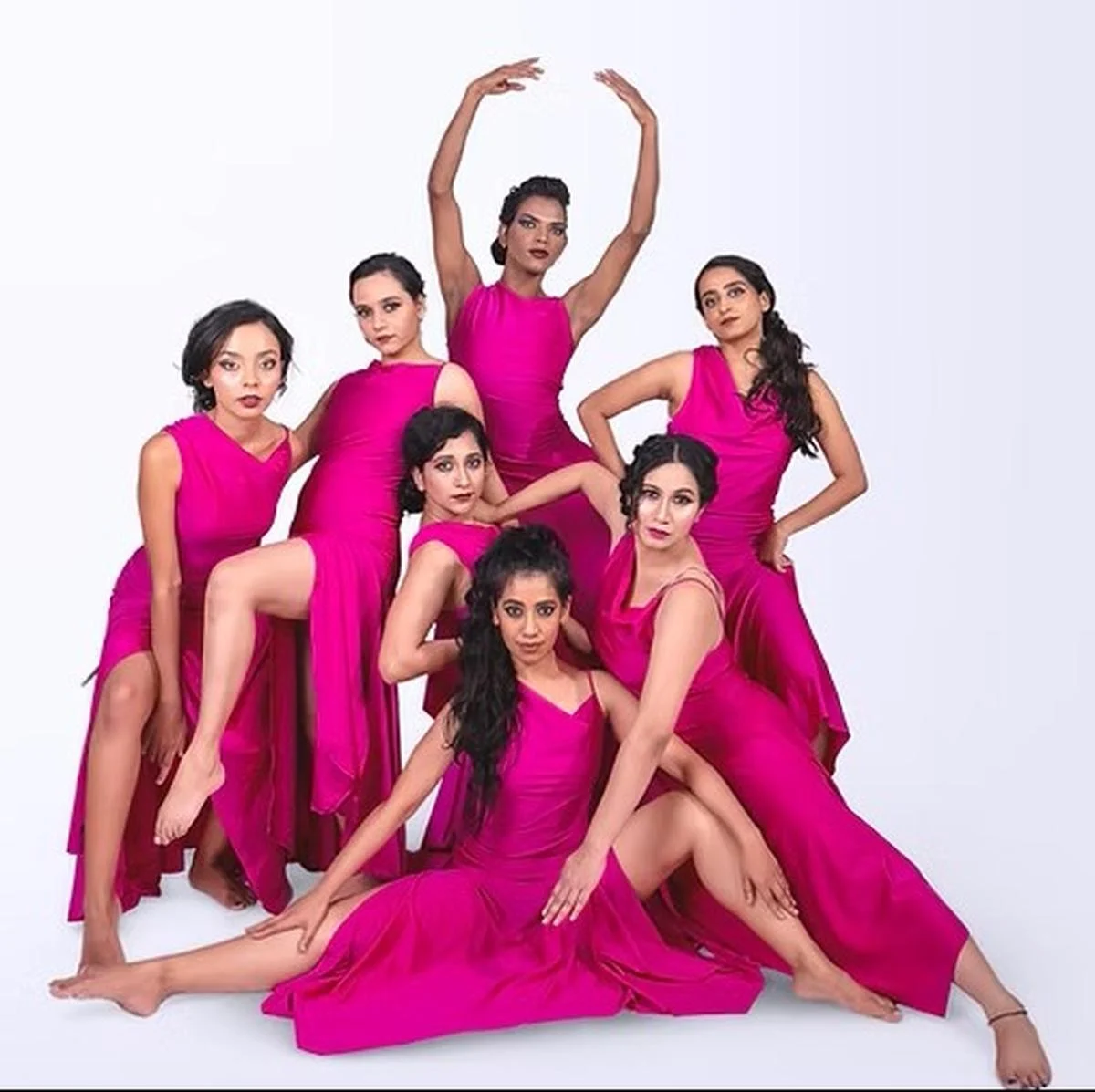
Bengaluru, India – September 15, 2026 – Five decades after her voice last graced the stage, the legendary Egyptian singer Umm Kulthum continues to cast an unparalleled spell, her melodies resonating across the Arab world and far beyond. This enduring legacy is now set to be vibrantly reinterpreted in a captivating dance theatre production titled "To Burn to Bloom." Bengaluru-based choreographer and dancer Debapriya Das, along with her acclaimed ensemble Nrityakosh, will bring to life the profound emotional tapestry of Umm Kulthum’s iconic works in a 60-minute performance that promises to be a transcendent experience.
The Genesis of a Vision: A Personal and Artistic Convergence
The inspiration for "To Burn to Bloom" stems from Debapriya Das’s deeply personal journey of immersing herself in the rich traditions of Egyptian dance and classical music. It was during this intensive study that Umm Kulthum, revered as one of the titans of Egyptian classical music, became an integral part of her artistic exploration.
"Umm Kulthum was one of the stalwarts of Egyptian classical music, and her repertoire has been central to my journey," explains Debapriya. "Her music possesses an extraordinary ability to hold complex emotional states – love, longing, heartbreak, desire, and surrender. These emotions exist vividly in her music, and they unfold over time rather than being expressed in a single moment. As a dancer, that gives you enormous scope to work with."
This profound connection fueled Debapriya’s desire to not only explore these emotions through movement but also to introduce Bengaluru audiences to the mesmerizing world of Umm Kulthum and the sophisticated artistry of classical Egyptian music and dance. "To Burn to Bloom" is the culmination of this vision, a deliberate effort to bridge cultural divides through the universal language of art.
A Chronology of Inspiration: Tracing the Arc of Umm Kulthum’s Influence
The production meticulously traces the emotional arc inherent in Umm Kulthum’s vast repertoire, selecting songs that rose to prominence between the 1930s and 1970s. This period represents the zenith of her career and the era that shaped her profound influence on global music.

"Through ‘To Burn to Bloom,’ I have curated a repertoire of Umm Kulthum’s songs, each representing a different moment in her life," Debapriya elaborates. "Together, they tell a story, not necessarily of her biography, but of her artistic journey and the emotional landscapes she navigated."
The selection of these songs is not arbitrary. Each piece carries the weight of history, of personal triumphs and universal sorrows, and has been chosen for its potent capacity to evoke deep emotional responses. The production aims to capture the essence of these eras, allowing audiences to not only connect with the music but also to gain an understanding of the cultural milieu that nurtured such artistic brilliance.
Supporting Data: The Universal Resonance of Umm Kulthum’s Artistry
Umm Kulthum’s music is renowned for its ability to transcend linguistic and cultural barriers. Even for those unfamiliar with the Arabic lyrics, the sheer power of her vocal delivery, the poetic depth of the melodies, and the intricate unfolding of the musical narrative strike a profound chord.
"The production deliberately avoids simplifying Kulthum’s music for the Indian audience," Debapriya emphasizes. "Instead, we have tried to respond to it honestly through movement, theatre, and visual storytelling. Umm Kulthum’s music has a remarkable ability to transcend language barriers. Even when the words are unfamiliar, the emotion in her voice, the poetry of the music, and the way it unfolds still resonate. That is the space we wanted our work to inhabit."
This statement underscores a critical aspect of the production: its commitment to artistic integrity. Rather than diluting the source material, "To Burn to Bloom" seeks to amplify its inherent emotional resonance through a multi-disciplinary approach. The production integrates elements of Egyptian dance, music, spoken text, and contemporary theatrical techniques, creating a rich and immersive experience.

Official Responses and Artistic Vision: A Tribute Beyond Biography
"To Burn to Bloom" is consciously positioned not as a biographical account of Umm Kulthum’s life, but as a deeply personal tribute. This artistic choice allows Debapriya and Nrityakosh to delve into the emotional core of her music, exploring the universal themes that have captivated generations.
"The production deliberately avoids being a biography and instead is more of a personal tribute," Debapriya states. This approach liberates the artists from the constraints of historical accuracy and allows for a more fluid and expressive interpretation. By focusing on the artistic journey and the emotional landscapes, the production aims to connect with audiences on a more visceral level.
The creation of the performance also involved a meticulous reconstruction of the mid-20th-century Cairo that served as the backdrop to Umm Kulthum’s rise to fame. This is achieved through carefully curated costumes, evocative lighting, and archival-inspired visuals that aim to transport the audience to that vibrant cultural era. The aim is to recreate not just the artist, but the entire atmosphere that contributed to her enduring stardom.
Implications for Cultural Exchange and Artistic Innovation
"To Burn to Bloom" holds significant implications for cultural exchange and the evolution of artistic expression in India. By bringing the artistry of Umm Kulthum to a contemporary Indian stage, Debapriya Das is fostering a dialogue between distinct cultural traditions.
"When I started as a practitioner of Egyptian dance, popularly known as belly dance, I knew that I wanted to make the form more accessible to the contemporary Indian audience without changing its spirit," shares Debapriya. This ambition highlights a broader trend of artists seeking to present global art forms in ways that are relatable and engaging for local audiences, fostering mutual understanding and appreciation.

The production’s hybrid nature, seamlessly blending Egyptian dance, music, and contemporary theatre, also speaks to the evolving landscape of performance art. This fusion of styles demonstrates a willingness to innovate and push artistic boundaries, creating new avenues for storytelling and emotional expression.
Debapriya expresses her hope that "To Burn to Bloom" will offer audiences a profound glimpse into the richness of Egyptian culture, a culture that, in many ways, shares familiar threads with Indian traditions. "I think audiences will find many points of connection even while encountering a culture that is geographically and historically different from our own," she believes. This sentiment underscores the power of art to reveal universal human experiences that bind us, regardless of our origins.
The production "To Burn to Bloom" is scheduled to be staged on September 20th at 6 p.m. at Alliance Française, Bengaluru. Tickets are available for purchase through BookMyShow. This performance promises to be a poignant and powerful exploration of emotion, legacy, and the enduring magic of one of the 20th century’s most iconic voices.
