

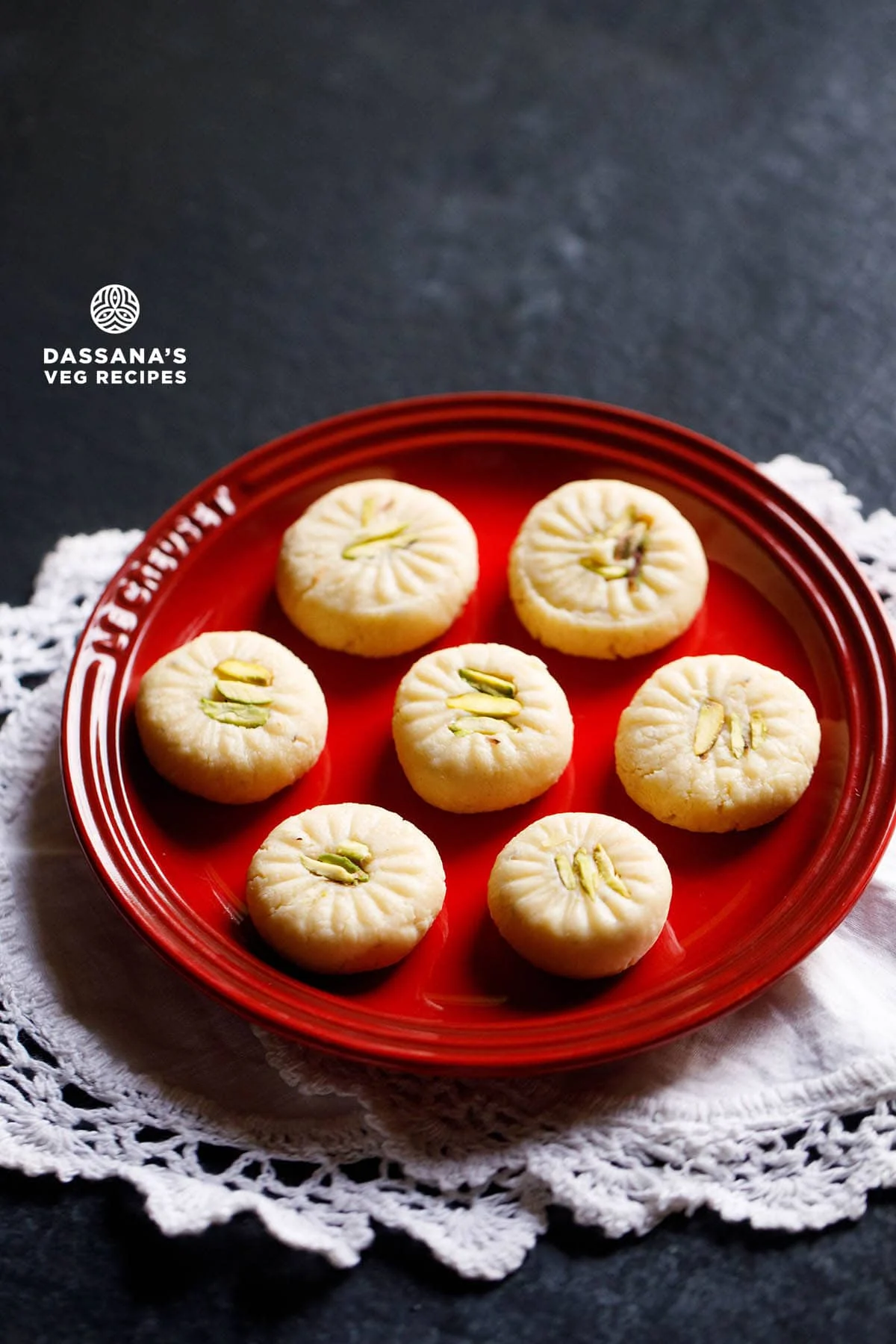
New Delhi – In the vast and vibrant landscape of Indian confectionery, few sweets carry the cultural weight and nostalgic resonance of the Milk Peda. Often referred to as "Doodh Peda," this fudge-like delicacy has transitioned from a labor-intensive temple offering to a cornerstone of home-based festive celebrations. As India prepares for its upcoming festival cycle, culinary experts are noting a significant shift: the "quick-khoya" revolution is making traditional sweets accessible to a new generation of time-constrained urban dwellers.

The Essence of the Craft: Main Facts and Cultural Significance
At its core, the Milk Peda is a deceptively simple concoction of milk solids (khoya),

sugar, and aromatic spices, typically cardamom. However, its simplicity belies its importance in the Indian social fabric. Unlike the flamboyant, silver-leafed barfis or the syrup-soaked gulab jamuns, the Peda is characterized by its earthy, matte texture and deep, milky soul.

Traditionally, making Peda was an act of endurance. It required hours of standing over a heavy-bottomed kadai (wok), stirring liters of full-cream milk until the water evaporated, leaving behind a rich, caramelized mass known as mawa or khoya. Today, the narrative has changed. The modern Milk Peda recipe has been streamlined into a 15-minute process, utilizing high-quality store-bought khoya and precise ratios of sugar and spice.

The Peda serves two primary roles in Indian society:

- Prasad (Religious Offering): It is the preferred offering for deities during Ganesh Chaturthi and at the temples of Mathura.
- Festive Staple: During Diwali, the festival of lights, Peda boxes are the currency of social goodwill, exchanged between neighbors and families to signify sweetness and prosperity.
A Chronology of Confection: From Ancient Ghats to Modern Stovetops
The history of the Peda is inextricably linked to the city of Mathura in Uttar Pradesh. Often cited as the birthplace of the sweet, the "Mathura Peda" has been prepared for centuries, originally as a way to preserve surplus milk in a pre-refrigeration era.

- 18th – 19th Century: The Peda gains prominence in the Braj region. Its robust shelf life makes it ideal for pilgrims traveling long distances.
- Early 20th Century: Regional variations begin to emerge. In Karnataka, the "Dharwad Peda" is born when a family from Unnao migrates south, creating a darker, more caramelized version that eventually gains a Geographical Indication (GI) tag.
- The Post-Independence Era: As dairy cooperatives like Amul revolutionized milk production in India, khoya became more readily available in urban markets, moving Peda-making from the Halwai (professional confectioner) shops into domestic kitchens.
- The 2010s – Present: The "Digital Culinary Age" sees a surge in simplified recipes. The focus shifts from the "slow-milk-reduction" method to the "15-minute khoya-mix" method, allowing the tradition to survive despite the fast-paced nature of modern life.
The Methodology of Modern Mithai: Supporting Data and Ratios
The success of the modern Milk Peda depends on the scientific interaction between dairy solids and sucrose. According to culinary data, the ideal "quick" Peda follows a strict ratio to ensure the fudge remains soft yet firm enough to hold a decorative stamp.

The Standard Formula
For a professional-grade result at home, the following proportions have become the industry standard for domestic cooks:

- Khoya Base: 200 to 205 grams (approximately one tightly packed cup).
- Sweetener: 125 grams (½ cup) of fine sugar.
- Hydration: 2 to 3 tablespoons of milk (used to facilitate the melting of sugar without adding excessive moisture).
- Aromatics: ½ teaspoon of freshly ground cardamom powder.
The Thermal Process
The chemistry of the 15-minute Peda involves a low-heat stovetop process. As the khoya and sugar are heated together, the sugar undergoes a mild hygroscopic reaction, drawing out the remaining moisture in the milk solids to create a smooth, liquid paste. As the stirring continues, the proteins in the milk solids (casein and whey) undergo a subtle Maillard reaction, giving the Peda its characteristic "cooked milk" aroma without the dark browning seen in varieties like Mathura Peda.

The mixture is considered "stable" once it begins to leave the sides of the pan, typically reaching a temperature that allows it to be shaped once cooled to a lukewarm state. Overcooking at this stage leads to a "chewy" or "rubbery" texture, a common pitfall that modern recipes aim to eliminate through precise timing.

Expert Perspectives: Official Responses to the Mithai Renaissance
Culinary professionals and food historians have weighed in on the evolution of this sweet. Dassana Amit, a prominent culinary researcher and creator of a widely followed Milk Peda methodology, emphasizes the democratization of Indian sweets through these simplified techniques.

"The goal is to maintain the integrity of the flavor while respecting the constraints of the modern cook," says Amit. "By using high-quality khoya and omitting ghee—which is often unnecessary if the khoya is rich enough—we can produce a Peda that is firm, classic, and elegant in under twenty minutes."

Industry analysts also note that the rise of "DIY Mithai" is a response to concerns over food purity. "There is a growing distrust of mass-produced festive sweets due to potential adulteration in commercial khoya during peak seasons," says a representative from a leading Indian dairy association. "When people make Peda at home using trusted, branded khoya or homemade mawa, they are reclaiming control over the quality of their festive food."

Furthermore, nutritionists point out that while Pedas are calorie-dense (averaging 100 kcal per 25g piece), the homemade version allows for sugar adjustment. A standard serving contains approximately 3g of protein and 118mg of calcium, making it a more nutrient-dense option compared to Western-style "empty calorie" candies.

Implications: The Future of Traditional Confectionery
The resurgence of the Milk Peda carries several implications for the future of the Indian food industry and cultural preservation.

1. Economic Impact on the Dairy Sector
The demand for "ready-made khoya" has created a robust sub-sector within the dairy industry. During the months of August through November (the peak festival season in India), the demand for processed milk solids triples. This has led to better cold-chain logistics and specialized packaging to ensure that "fresh" khoya can reach supermarket shelves with its fat content and moisture levels intact.

2. Cultural Preservation via Innovation
There is a long-standing fear that traditional recipes will die out as younger generations opt for Western desserts like cakes and macarons. However, the "15-minute Peda" proves that innovation can be a tool for preservation. By reducing the "barrier to entry" (the time and effort required), traditional sweets remain competitive in the modern dessert landscape.

3. The Global "Mithai" Market
As the Indian diaspora grows, the demand for authentic Milk Peda has gone global. Export-quality Pedas are now being engineered with slightly lower moisture content to enhance shelf life for international shipping. Simultaneously, the "quick recipe" is being adopted by NRIs (Non-Resident Indians) in London, New York, and Dubai, who use local milk powder substitutes to recreate the taste of home.

4. Health-Conscious Variations
Looking forward, the implication for the Milk Peda is a shift toward "functional sweets." We are already seeing the emergence of Jaggery Pedas (using unrefined cane sugar) and Monk Fruit-sweetened versions for diabetic-friendly celebrations. The foundational technique remains the same, but the ingredients are evolving to meet 21st-century health standards.

Conclusion
The Milk Peda is more than just a sweet; it is a testament to the adaptability of Indian culinary traditions. From its origins on the banks of the Yamuna River to its current status as a 15-minute kitchen triumph, the Doodh Peda continues to satisfy the Indian palate. As families across the country begin to grate their khoya and crush their cardamom for the next festival, they are not just making a snack—they are participating in a delicious, evolving history that refuses to be forgotten.

Nutritional Summary (Per Serving):
- Calories: 100 kcal
- Protein: 3g
- Calcium: 118mg
- Carbohydrates: 12g
- Preparation Time: 15 Minutes
- Shelf Life: 7 Days (Refrigerated)
