

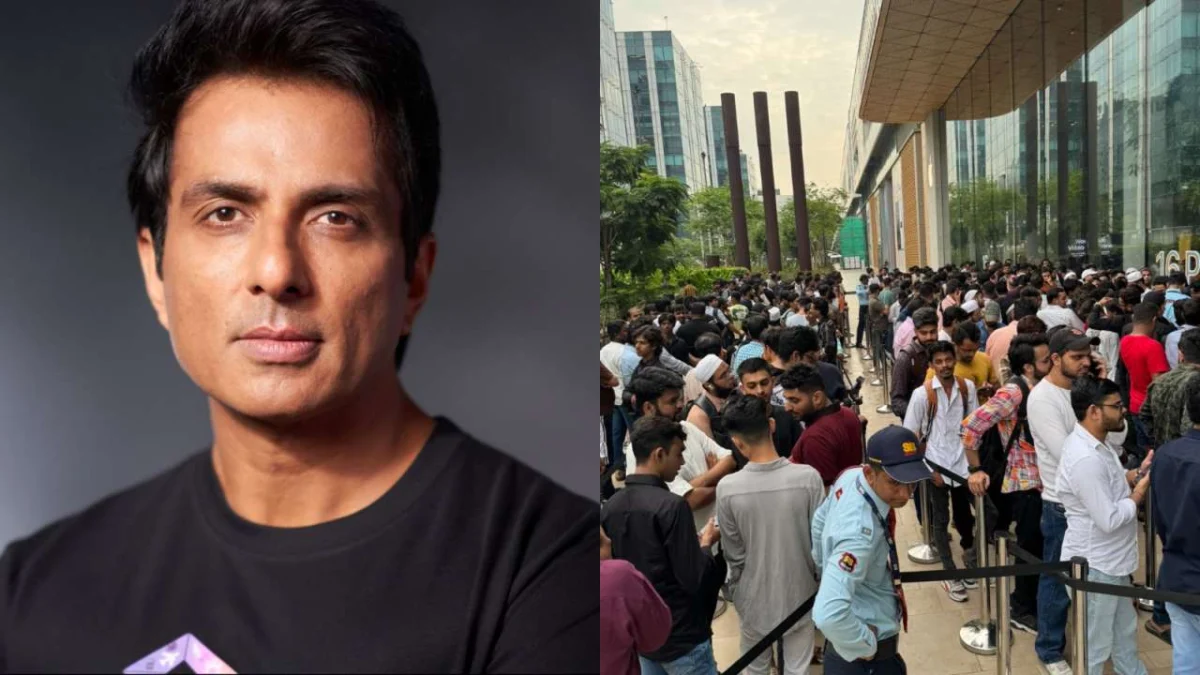
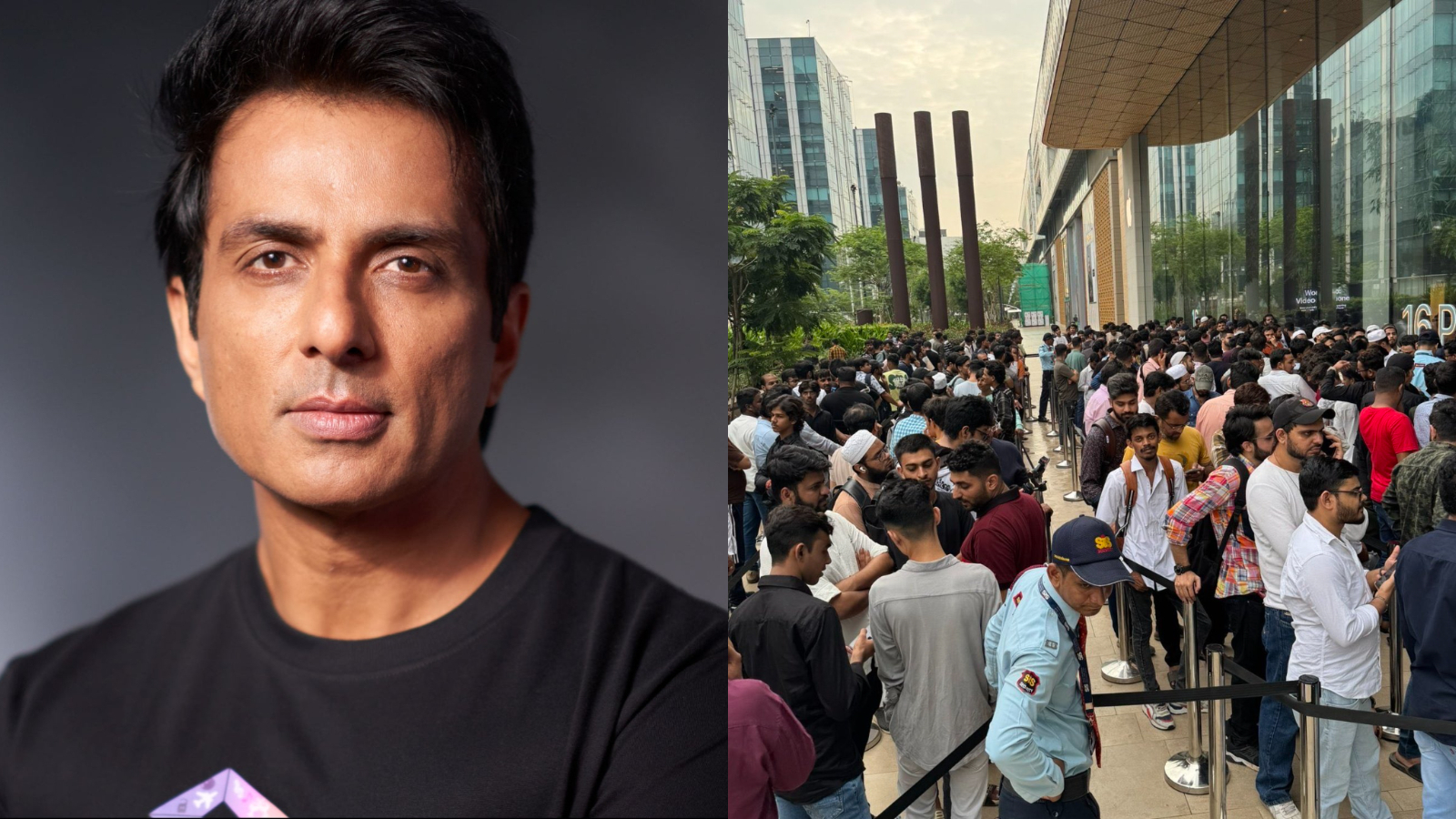
Mumbai, India – September 18, 2026 – As the latest iteration of Apple’s iconic smartphone, the iPhone 18, officially hit the Indian market today, a familiar spectacle unfolded across the nation: serpentine queues snaking outside electronics stores, a testament to the enduring allure of cutting-edge technology. However, amidst the palpable excitement and the fervent anticipation of eager consumers, Bollywood actor and philanthropist Sonu Sood has ignited a national conversation, questioning the societal priorities reflected in this consumerist fervor. His pointed observation, "The real upgrade is a better society," delivered via a post on X (formerly Twitter), has resonated deeply, sparking a vigorous online debate that touches upon consumerism, financial prudence, and the true meaning of progress.
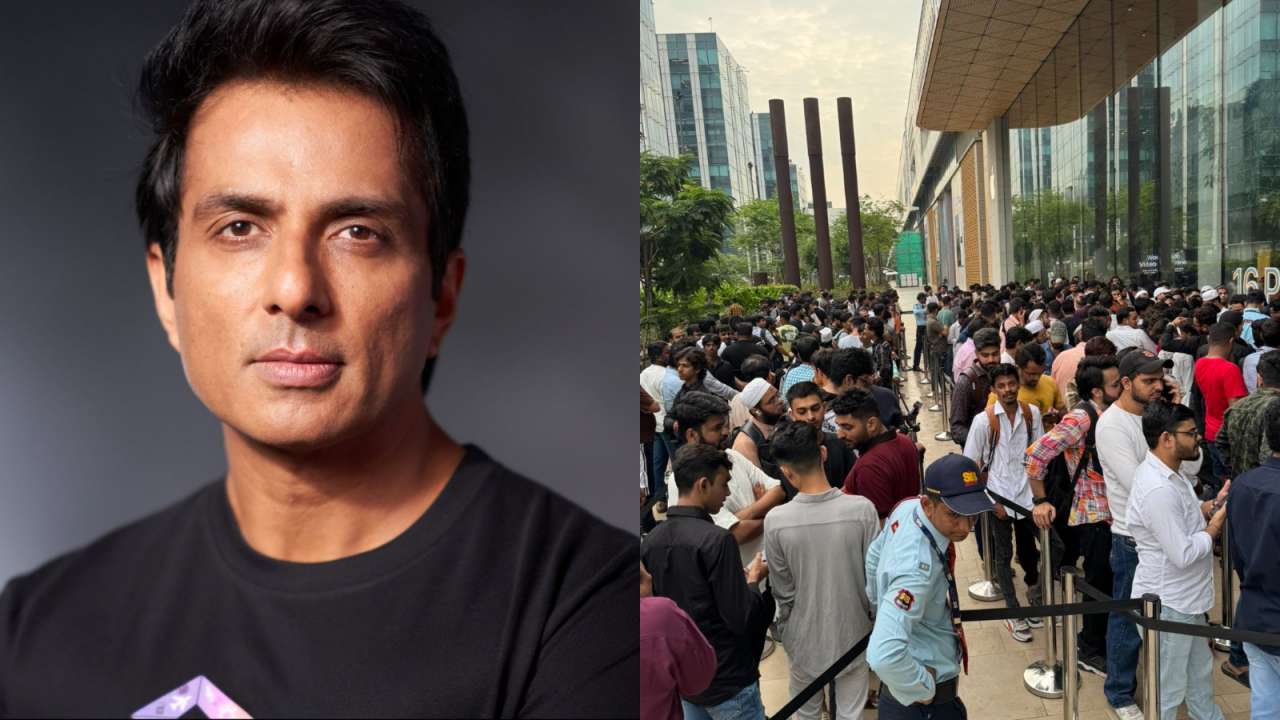
The launch of a new iPhone in India has, for years, been a significant event, often characterized by long waits and a palpable sense of urgency among tech enthusiasts and brand loyalists. This year was no exception. Videos and images of customers braving the elements, some even camping overnight, to be among the first to own the iPhone 18, flooded social media platforms. The device, touted with advanced features such as Apple’s A20 Pro chip and an innovative vapour chamber cooling system, was met with unprecedented demand, pushing prices for the top-tier models to well over ₹3,00,000.
)
The Paradox of Priorities: Consumerism vs. Societal Advancement
Sonu Sood, a prominent figure known for his extensive humanitarian work during the COVID-19 pandemic and his continued advocacy for social causes, did not mince words in his critique. His X post read: "New phone, new EMI…same old bills! Maybe it’s time we queue up to make a difference, not just upgrade our phones. The real upgrade is a better society." This succinct statement encapsulated a sentiment that many have harbored but perhaps hesitated to vocalize, drawing a stark contrast between the pursuit of material possessions and the collective responsibility towards societal betterment.

The actor’s statement has undeniably struck a chord, igniting a flurry of reactions and discussions across the digital landscape. Supporters of Sood’s viewpoint have lauded his courage in challenging the prevailing consumer culture, emphasizing that resources and attention could be better directed towards pressing social issues. Critics, however, have defended the right of individuals to make their own purchasing decisions and questioned the timing and relevance of Sood’s critique amidst a standard product launch.
)
A Chronology of the Debate: From Launch Day Buzz to Societal Reckoning
The genesis of this widespread discourse can be traced back to the official sales commencement of the iPhone 18 on Friday. As soon as the initial wave of launch-day content began to surface, showcasing the enthusiastic crowds and the immediate availability of the device, Sonu Sood’s intervention provided a counter-narrative. His X post, published shortly after the sales began, acted as a catalyst, transforming a story about a product launch into a commentary on national aspirations and individual choices.
)
The ensuing online debate unfolded in several distinct phases:
)
- Initial Reactions (Launch Day – Day 1): Social media platforms buzzed with reactions to both the iPhone 18 launch and Sonu Sood’s statement. Many users expressed agreement with Sood, highlighting the perceived disconnect between consumer spending and urgent societal needs. Memes and witty remarks began to circulate, amplifying the actor’s message.
- Counterarguments and Defense (Day 1 – Day 2): A significant segment of users defended the consumer’s right to purchase what they desire. Arguments centered on personal choice, the aspirational value of technology, and the fact that purchasing a phone, even on installments, does not necessarily preclude an individual from contributing to society. Some pointed out that the queues were indicative of economic buoyancy for some sections of the population.
- Deepening the Discussion (Day 2 onwards): The debate evolved beyond simple agreement or disagreement, delving into more nuanced aspects. Discussions emerged regarding the accessibility of such expensive gadgets, the role of Easy Monthly Installments (EMIs) in enabling these purchases, and the long-term financial implications for consumers. The contrast between people queuing for phones and their perceived apathy towards civic duties like voting also became a recurring theme.
- Broader Societal Implications: The conversation has transcended the immediate context of the iPhone launch, prompting reflections on India’s economic development, the growing middle class, and the evolving definition of a "good life" in a rapidly modernizing nation.
Supporting Data and Emerging Trends: Understanding the Consumer Landscape
The frenzy surrounding the iPhone 18 launch is not an isolated incident but rather a symptom of broader economic and societal trends in India. Several factors contribute to this phenomenon:
)
- Growing Disposable Income: India’s economy has witnessed significant growth in recent years, leading to an expansion of the middle class and an increase in disposable income for a substantial segment of the population. This has fueled demand for premium consumer goods.
- The Rise of EMIs and FinTech: The proliferation of accessible EMI options and Buy Now, Pay Later (BNPL) schemes has made high-value purchases more attainable for a wider audience. While this democratizes access to technology, it also raises concerns about consumer debt.
- Brand Aspiration and Social Status: Global brands like Apple have a strong aspirational value in India. Owning the latest iPhone is often perceived as a symbol of success, technological savviness, and social standing. This "keeping up with the Joneses" phenomenon is particularly pronounced in urban and semi-urban areas.
- Digitalization and Connectivity: India’s increasing reliance on smartphones for communication, entertainment, education, and even financial transactions makes it a crucial device for daily life. The perceived need for the latest technology to remain competitive in this digital landscape also plays a role.
The specific pricing of the iPhone 18 models further highlights the economic stratification involved. The iPhone 18 Pro starts at ₹1,64,900, escalating to ₹3,14,900 for higher storage variants. The iPhone 18 Pro Max commands even steeper prices, beginning at ₹1,79,900 and reaching up to ₹3,29,900. These figures, when juxtaposed with the average Indian income, underscore the exclusivity of these purchases, often facilitated by substantial credit.
)
Official Responses and Public Sentiment: A Spectrum of Opinions
While Apple, as a global corporation, typically focuses on product features and market performance, the societal commentary generated by Sonu Sood’s statement has elicited a range of responses from the public and other stakeholders.
)
- Public Agreement: A significant portion of the online community has rallied behind Sonu Sood’s sentiment. Comments such as, "People can stand in queues for hours for a gadget, but the same people hesitate to stand for voting during election time," reflect a shared concern about civic engagement and social responsibility. Another user poignantly observed, "Absolutely true! Most of the queuers’ salary will be less than 30k and will have to pay EMIs for years, and by the time they complete paying the EMIs, the phone’s value will be one-fifth or even zero."
- Defense of Consumer Choice: Conversely, many have defended the individual’s right to spend their hard-earned money as they deem fit. Arguments include:
- Personal Fulfillment: Owning desirable technology can bring personal satisfaction and enhance productivity.
- Economic Contribution: Purchasing goods and services, even luxury items, contributes to economic activity and job creation.
- Technological Advancement: Embracing new technology can drive innovation and improve quality of life in various aspects.
- "One Man’s Luxury, Another Man’s Livelihood": Some argue that the demand for premium products supports industries and creates employment opportunities for a vast number of people.
- Nuanced Perspectives: A more moderate viewpoint suggests a balance between personal consumption and social responsibility. This perspective acknowledges the allure of new technology while advocating for mindful spending and a conscious effort to contribute to societal well-being. It emphasizes that individuals can pursue both personal aspirations and social causes.
Implications for Society and the Future of Consumerism in India
Sonu Sood’s timely intervention has far-reaching implications, prompting a deeper introspection within Indian society:
)
- Re-evaluating Societal Priorities: The debate forces a national conversation about what truly constitutes progress and societal advancement. Is it measured solely by economic growth and access to material goods, or does it encompass social equity, environmental sustainability, and civic engagement?
- The Ethics of Consumerism: The widespread availability of credit and the relentless marketing of aspirational products raise ethical questions about consumerism. Are individuals being encouraged to live beyond their means, and what are the long-term consequences for financial stability and societal well-being?
- The Role of Influencers and Celebrities: Sonu Sood’s statement highlights the power of public figures to shape discourse. His active engagement in social issues lends significant weight to his critique, encouraging a more responsible approach to consumption and a greater focus on collective good.
- The Future of Consumption: As India continues its trajectory of economic growth, the tension between consumer desires and societal needs is likely to persist. This ongoing debate underscores the importance of fostering a culture of conscious consumption, where individuals are encouraged to make informed choices that align with both personal aspirations and the broader goals of a better society.
The iPhone 18 launch may have generated a temporary buzz, but Sonu Sood’s provocative question has ignited a more enduring and vital discussion about India’s path forward. The "real upgrade," as he suggests, might not be found in a sleek new device, but in a more equitable, engaged, and compassionate society. The nation now grapples with the question: are we collectively ready to queue up for that upgrade?
