

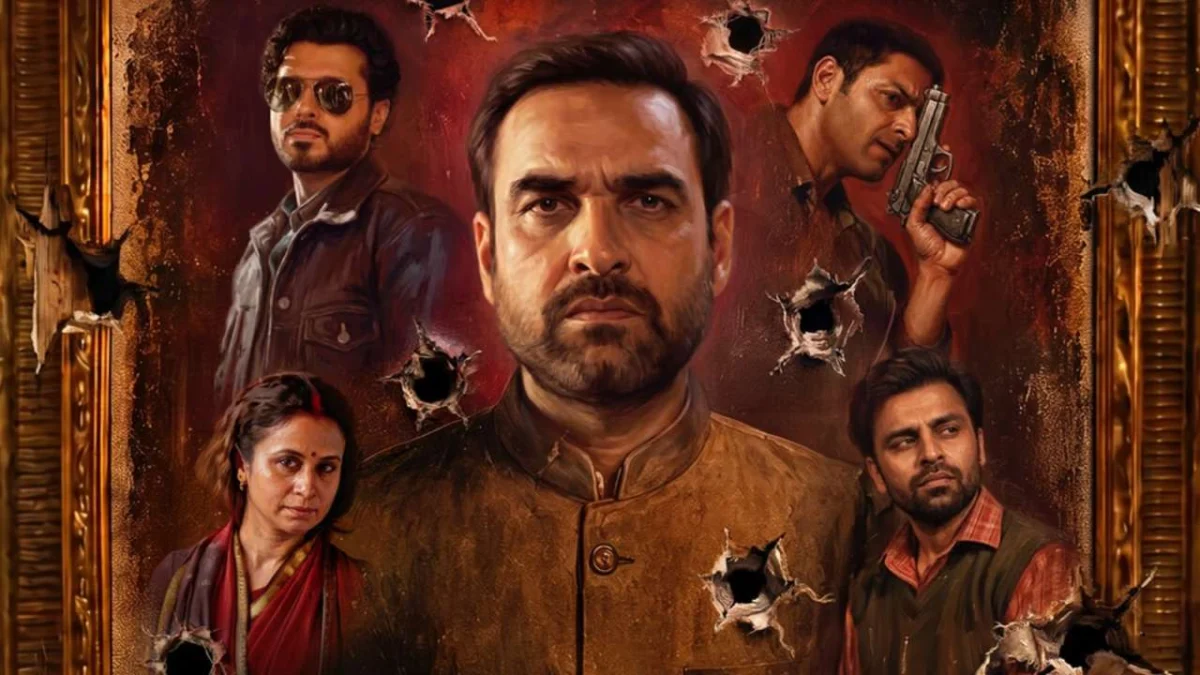
New Delhi, India – The highly anticipated film adaptation of the popular crime drama series, "Mirzapur: The Movie," finds itself embroiled in a legal controversy that has reached the hallowed halls of the Delhi High Court. A Public Interest Litigation (PIL) filed by petitioner Prashant Kumar Singh has raised serious objections to the manner in which the patriotic song "Shoorveer," a tribute to the legendary Rajput warrior Maharana Pratap, is allegedly used as background score during a violent sequence in the film. The court, acknowledging the potential for an "undesirable association" between the revered historical figure and the film’s depiction of criminal activities, has directed the Central Board of Film Certification (CBFC) to review the matter and take a decision within a week.
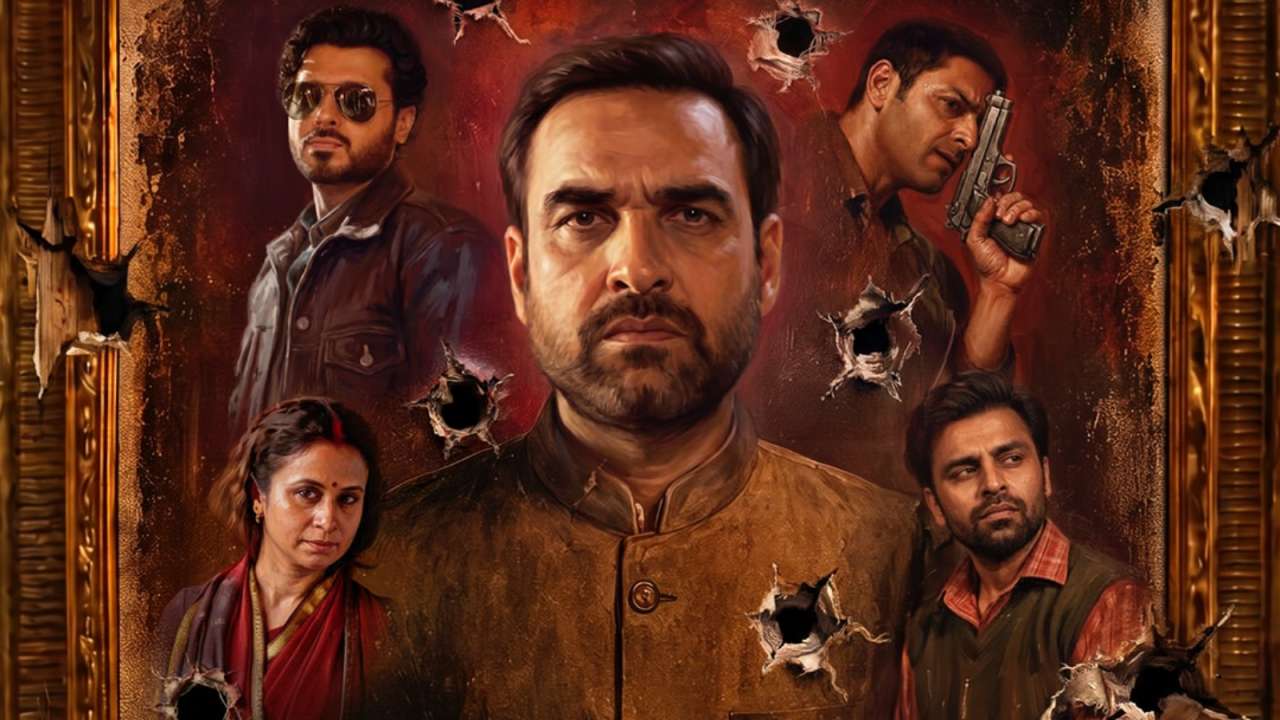
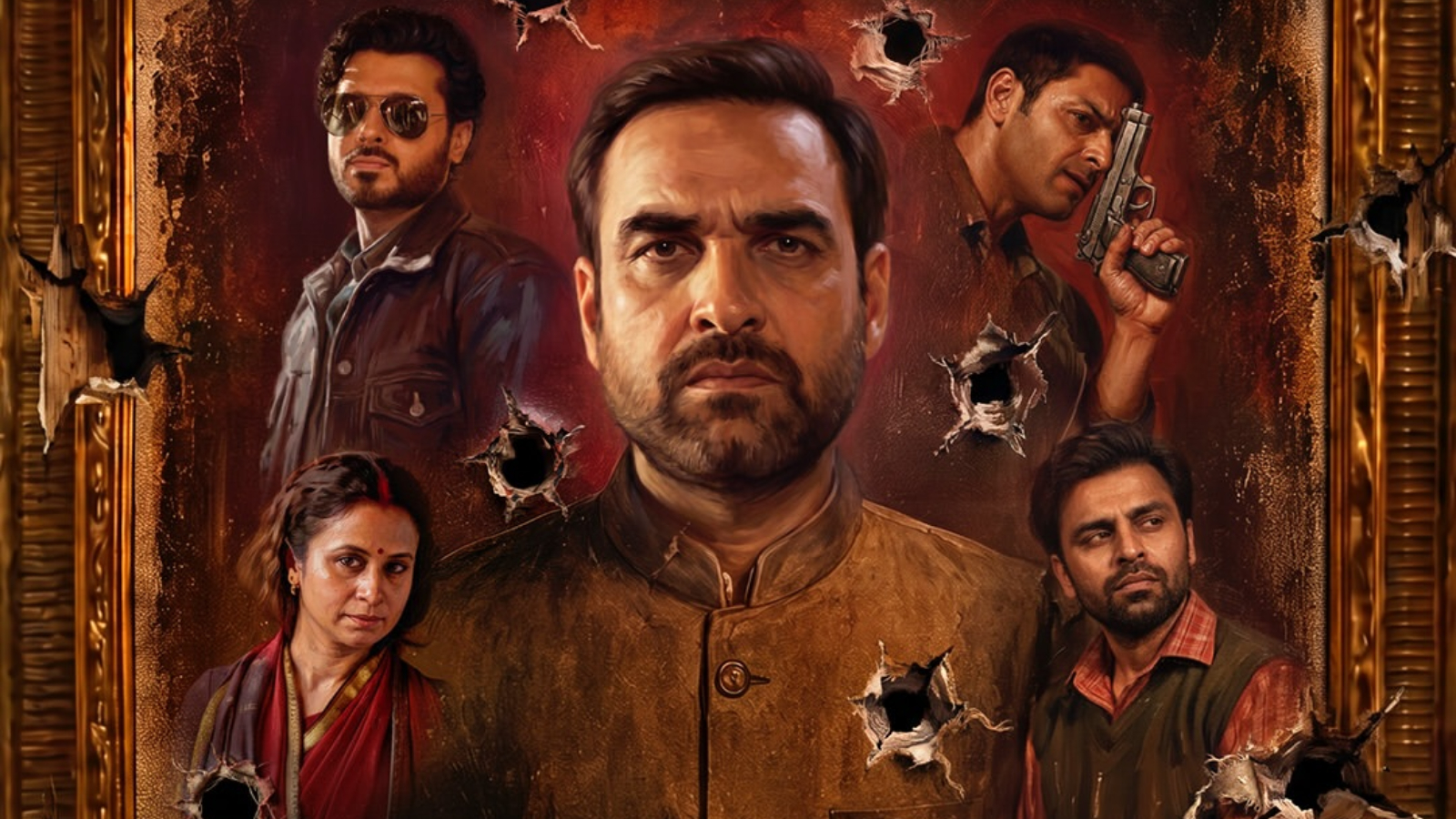
The PIL contends that the use of "Shoorveer" in a scene portraying the violent conduct of the film’s protagonists creates a problematic and misleading connection between the noble ideals of Maharana Pratap – courage, honour, and sacrifice – and the lawless world of organised crime, gang rivalry, and unlawful activities depicted in "Mirzapur: The Movie." The film, which boasts a stellar cast including Pankaj Tripathi, Ali Fazal, Divyenndu, Ravi Kishan, and Rasika Dugal, is set against the backdrop of a powerful criminal empire controlled by characters like Kaleen Bhaiya.
)
The Core of the Controversy: A Song of Valor in a World of Vice
The crux of the legal challenge lies in the perceived dissonance between the patriotic fervor of "Shoorveer" and the grim realities of the "Mirzapur" universe. Petitioner Prashant Kumar Singh argues that the musical composition, publicly recognized as an ode to Maharana Pratap’s bravery and his fight against injustice, is being exploited in a manner that trivializes his legacy and potentially glorifies criminal behavior. The PIL elaborates on the film’s narrative, which involves illegal possession and use of weapons, drug trafficking, extortion, threats, and murder. By juxtaposing the song with these acts, the petitioner fears it could foster an "undesirable and misleading association" in the minds of the audience.

The song "Shoorveer" is not merely a piece of background music; it carries significant cultural and historical weight. It evokes a sense of national pride and admiration for Maharana Pratap, a figure synonymous with resistance and unwavering principles. The concern is that its deployment within the context of a violent crime drama could dilute its symbolic power and inadvertently lend an air of valor to the depicted criminal enterprise. This, according to the petitioner, is not just a matter of artistic choice but a potential affront to national sentiment and historical reverence.
)
Judicial Intervention: A Call for Review and Rectification
The Delhi High Court’s intervention signifies the gravity of the concerns raised. A bench comprising Chief Justice D.K. Upadhyaya and Justice Tejas Karia observed that the use of a song revering Maharana Pratap as background score for a fight sequence is "not in good taste." The court’s remark, "Prima facie, it does not appear to be in good taste. We have come to a situation where we are revering violence," highlights the judicial concern about the potential for such artistic choices to normalize or even romanticize violent and unlawful acts.
)
The court’s direction to the CBFC to take a decision within a week underscores the urgency of the matter. This review process is crucial to ensure that the film’s content aligns with public decency, national sentiment, and the ethical standards expected of cinematic productions, especially those that deal with sensitive themes like crime and historical figures.
)
The Producer’s Stance: Embellishment, Not Equivalence
In response to the court’s proceedings, the counsel representing the producer of "Mirzapur: The Movie" presented a different perspective. The defense argued that the song "Shoorveer" is used solely as background music to "embellish" the climax of the film, where protagonists are engaged in a fight with goons. They explicitly stated that there is "no comparison of any of the characters with a historical figure" and that the song’s usage has "nothing to do with crime per se." The producer’s counsel characterized the scene as a "fight between two factions," implying it is a narrative device rather than an endorsement of criminal behavior or an attempt to draw parallels with historical heroism.
)
Furthermore, the counsel for the CBFC informed the court that the producer has proactively approached the board to seek alterations in the scene. This self-initiated move by the production house suggests an acknowledgment of the potential sensitivities surrounding the song’s usage and a willingness to address the concerns. The CBFC’s commitment to expedite its decision on these proposed changes is a significant development in resolving the legal impasse.
)
The Petitioner’s Apprehension and the Court’s Pragmatism
The petitioner’s counsel expressed concern that the release of the film on Over-The-Top (OTT) platforms might render the PIL infructuous. This apprehension stems from the fact that once a film is widely available, it becomes challenging to implement significant changes. However, the court offered a pragmatic observation, stating, "If they themselves are modifying the song with background music, the whole purpose of your filing the petition is achieved." This suggests that if the producer makes the necessary modifications as proposed, the core objective of the PIL – to prevent the perceived misuse of the song – would be met, regardless of the film’s release status.
)
The court has scheduled the PIL for further hearing on September 24th, emphasizing that a decision on the matter will be taken in the interim. This timeline allows for the CBFC to conduct its review and for the producer to implement any agreed-upon changes.
)
"Mirzapur: The Movie" and its Star-Studded Ensemble
The controversy surrounding "Mirzapur: The Movie" brings into sharp focus the broader implications of artistic freedom and its boundaries, particularly when it intersects with national sentiment and historical narratives. The film itself is a highly anticipated project, building on the success of the web series that garnered immense popularity for its gritty portrayal of power, corruption, and violence in the fictional town of Mirzapur. The series’ compelling storylines and strong performances, especially from Pankaj Tripathi as the formidable Kaleen Bhaiya and Ali Fazal as Guddu Pandit, have cemented its place in popular culture.
)
The ensemble cast of "Mirzapur: The Movie" is a major draw for audiences. Pankaj Tripathi, renowned for his nuanced performances, portrays the patriarch of the Tripathi family, a powerful figure in the criminal underworld. Ali Fazal reprises his role as Guddu Pandit, a character whose journey is marked by ambition, revenge, and survival. Divyenndu, who played the volatile Munna Bhaiya, Ravi Kishan, Jitendra Kumar, and Rasika Dugal, known for her versatile acting, are also integral to the film’s narrative. Their collective star power amplifies the anticipation for the movie, making the current legal scrutiny all the more significant.
)
Broader Implications: Artistic License vs. Cultural Sensitivity
This case raises pertinent questions about the responsibility of filmmakers when drawing upon elements that hold deep cultural or historical significance. While artistic expression is a cornerstone of creative freedom, it is not absolute. There exists a fine line between creative interpretation and potentially disrespectful or misleading portrayals, especially when dealing with revered national icons or historical figures.
)
The legal challenge to "Mirzapur: The Movie" serves as a reminder of the need for filmmakers to exercise sensitivity and thoughtfulness when incorporating such elements into their work. The use of a song like "Shoorveer" could be seen as a shortcut to evoke a particular emotion or add a layer of perceived grandeur, but if not handled with care, it can backfire, leading to public outcry and legal repercussions. The CBFC’s role in certifying films becomes crucial in such instances, acting as a gatekeeper to ensure that content is not offensive or detrimental to societal values.
)
The outcome of this review by the CBFC and the subsequent proceedings in the Delhi High Court will not only determine the fate of a specific scene in "Mirzapur: The Movie" but could also set a precedent for how similar issues are addressed in the future. It underscores the delicate balance between artistic innovation and the preservation of cultural heritage and national sentiment, a balance that filmmakers and regulatory bodies alike must continuously strive to maintain. As the nation awaits the court’s decision and the CBFC’s review, the controversy surrounding "Mirzapur: The Movie" highlights the evolving landscape of cinematic content regulation and the increasing public awareness regarding the impact of media on societal perceptions.
