

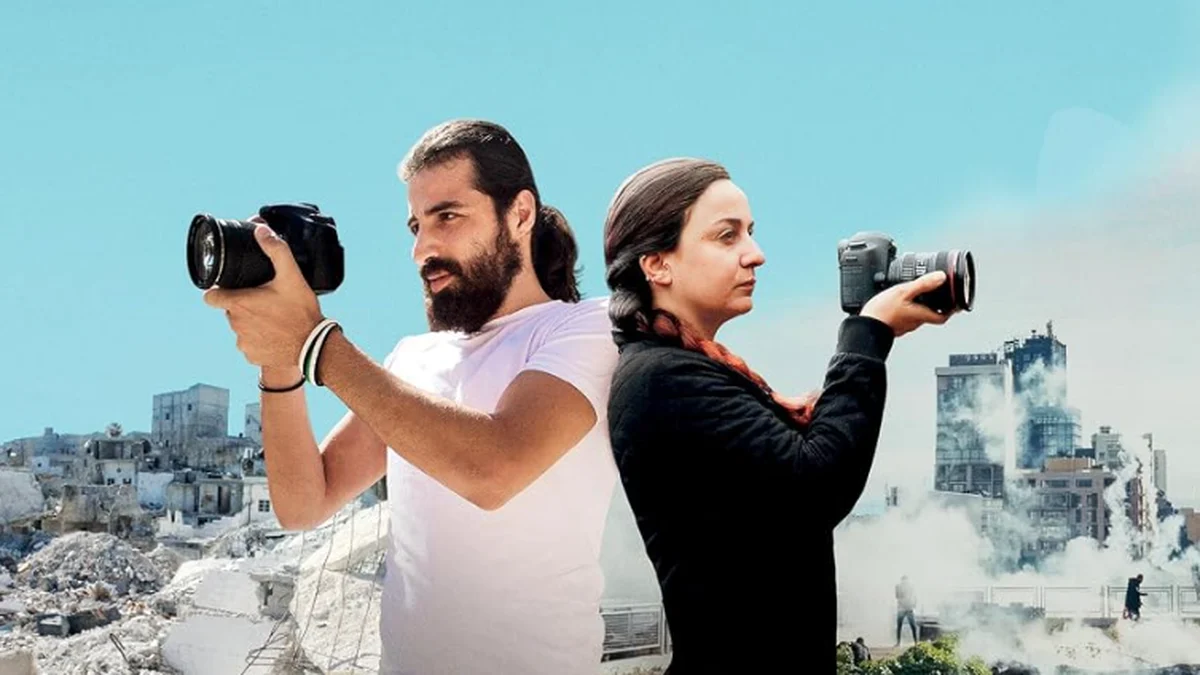
Thiruvananthapuram, Kerala – September 19, 2026 – The 18th International Documentary and Short Film Festival of Kerala (IDSFFK), a prestigious platform for cinematic exploration of contemporary issues, finds itself embroiled in controversy as the Union Ministry of Information and Broadcasting has refused censor exemption for a significant number of films. A total of 31 films, including 18 officially selected entries, have been barred from screening, raising serious questions about artistic freedom and the government’s approach to cultural expression. This development echoes a similar incident at last year’s International Film Festival of Kerala (IFFK), where 19 films faced similar censorship hurdles.
The decision by the Union Ministry has cast a shadow over the festival, which prides itself on showcasing diverse narratives and thought-provoking documentaries from around the globe. The denial of exemption, a mandatory step for films to be screened at festivals without a full censor certificate, has effectively blocked the participation of these 31 films, impacting the festival’s curated program and potentially limiting the audience’s exposure to important global and national stories.
A Pattern of Censorship: Echoes of IFFK
The current situation at the IDSFFK bears an unsettling resemblance to the events that transpired during the 30th International Film Festival of Kerala (IFFK) last year. In that instance, the Union Ministry also denied censor exemption to 19 films, including the critically acclaimed and historically significant "Battleship Potemkin." While some of those films were eventually cleared after considerable debate and intervention, the initial clampdown sent ripples of concern through the filmmaking community and cultural circles.
The recurrence of such denials suggests a potentially more systematic approach by the Union Ministry towards censoring content presented at internationally recognized film festivals held in Kerala. This pattern is particularly worrying for a state that has consistently championed independent cinema and provided a vibrant space for artistic discourse. The Kerala State Chalachitra Academy, the organizing body for both IDSFFK and IFFK, had diligently submitted applications for 347 films, providing detailed synopses to the Ministry. The subsequent rejection of a substantial portion of these, after initial submissions and further requests for detailed synopses and screeners of 40 films, points towards a deliberate selection process for denial.
The Barred Narratives: A Glimpse into Forbidden Stories
The 31 films denied censor exemption represent a diverse range of themes and geographical origins, underscoring the breadth of narratives being stifled. Among the affected are:
- Eighteen officially selected films for the IDSFFK, meaning these were deemed suitable and relevant by the festival’s selection committee, only to be retrospectively deemed problematic by the Union Ministry.
- Nine films from the International Non-Fiction section, indicating that the Ministry’s scrutiny extends beyond domestic productions.
- Three films from the Festival Winners section, suggesting that even critically acclaimed or award-winning works are not immune to this censorship.
- One film from the Nepal Package, highlighting the international reach of these censorship concerns.
- The Malayalam film "Globe" is also among those denied permission, signaling that regional productions are equally targeted.
The specific reasons for the denial of exemption for each of these films have not been publicly disclosed by the Union Ministry. However, the nature of some of the films that have been brought to light provides a potential insight into the kinds of content that may have raised concerns.
Spotlight on Content: Documentaries Tackling Sensitive Issues
Several films that have been publicly identified as denied exemption tackle subjects that are often at the forefront of social and political discourse, raising questions about the government’s tolerance for critical examination of societal issues.
"Sanitised Republic: Cast(e) and Contracts": This documentary offers a poignant and unflinching look at the lives of sanitation workers at Delhi’s Kalawati Saran Children’s Hospital and Lady Hardinge Medical College. The film chronicles their harrowing experiences, including risking their lives to work through the COVID-19 pandemic, only to face job losses in June 2022. Beyond the immediate struggle for employment, the film delves into the systemic issues of contractual labor and the persistent, deeply ingrained relationship between caste and sanitation work in contemporary India. By shining a light on the precarious conditions and systemic discrimination faced by a marginalized community, this film likely confronts uncomfortable truths about social stratification and labor exploitation, which may have been deemed sensitive by the authorities.
"Parliament Street": This film explores the concept of public memory and personal recollections, examining how history has unfolded on a street of national significance. The nature of historical narratives and their interpretation can often be a point of contention, particularly when they challenge official accounts or highlight suppressed histories. The Ministry’s decision to deny exemption to a film that delves into historical memory suggests a potential apprehension about how such narratives are presented and perceived.

Among the international documentaries facing similar restrictions, the selection is equally telling:
"Put Your Soul on Your Hand and Walk": This documentary provides an intimate and immediate perspective on life in Gaza, mediated through video calls between filmmaker Sepideh Farsi and young Palestinian photojournalist Fatma Hassona. Films that document the realities of conflict zones, particularly those with geopolitical implications, often face heightened scrutiny. The raw, personal accounts from a region grappling with ongoing conflict could be perceived as critical of international policies or regional power dynamics.
"Memories of a Window": Set against the backdrop of the crackdown on protests in Iran, this film captures civilians documenting the unrest from behind the perceived safety of their windows. Documentaries that focus on civilian resistance, state repression, and the use of personal documentation as a form of protest can be sensitive. The Ministry’s decision might stem from concerns about how such narratives portray state actions or inspire dissent.
"Birds of War": This film draws upon 13 years of personal archives, chronicling revolutions, war, and exile through the experiences of a London-based Lebanese journalist and a Syrian activist. Their love story serves as a framing device to explore the broader narrative of conflict. Documentaries that intertwine personal lives with political upheaval and war can offer powerful critiques of conflict and its human cost. The subject matter, involving geopolitical conflicts and the experiences of those affected by them, could be a reason for the Ministry’s intervention.
Implications for Artistic Freedom and Cultural Dialogue
The Union Ministry’s repeated interventions in film festival screenings raise significant concerns about the state of artistic freedom in India. While the Ministry has the mandate to regulate content, the pattern of denying exemptions for films that appear to be engaging with social, political, and human rights issues can be interpreted as an attempt to stifle critical voices and limit public discourse.
The IDSFFK, as a platform dedicated to documentaries, plays a crucial role in fostering informed debate and understanding of complex global and local issues. By barring these films, the Ministry not only curtails the festival’s ability to present its chosen program but also potentially deprives audiences of valuable opportunities to engage with diverse perspectives and challenging narratives. This can lead to an impoverished cultural landscape, where only state-sanctioned or less critical narratives are permitted to flourish.
Furthermore, the precedent set by these denials could have a chilling effect on filmmakers, making them hesitant to tackle sensitive subjects for fear of their work being excluded from public platforms. This self-censorship can be more damaging than direct censorship, as it limits the very genesis of critical and socially relevant art.
The Kerala State Chalachitra Academy has yet to issue a formal statement detailing its response to the Ministry’s decision. However, the festival organizers are likely to face immense pressure to either find alternative ways to screen the banned films or to address the implications of this censorship on the festival’s integrity and purpose. The international film community will be watching closely, as such actions can impact India’s reputation as a country that values artistic expression and open dialogue. The current situation at the IDSFFK serves as a stark reminder of the ongoing tension between state control and the fundamental right to artistic freedom.
