

A Pivotal Moment for the Tech Giant
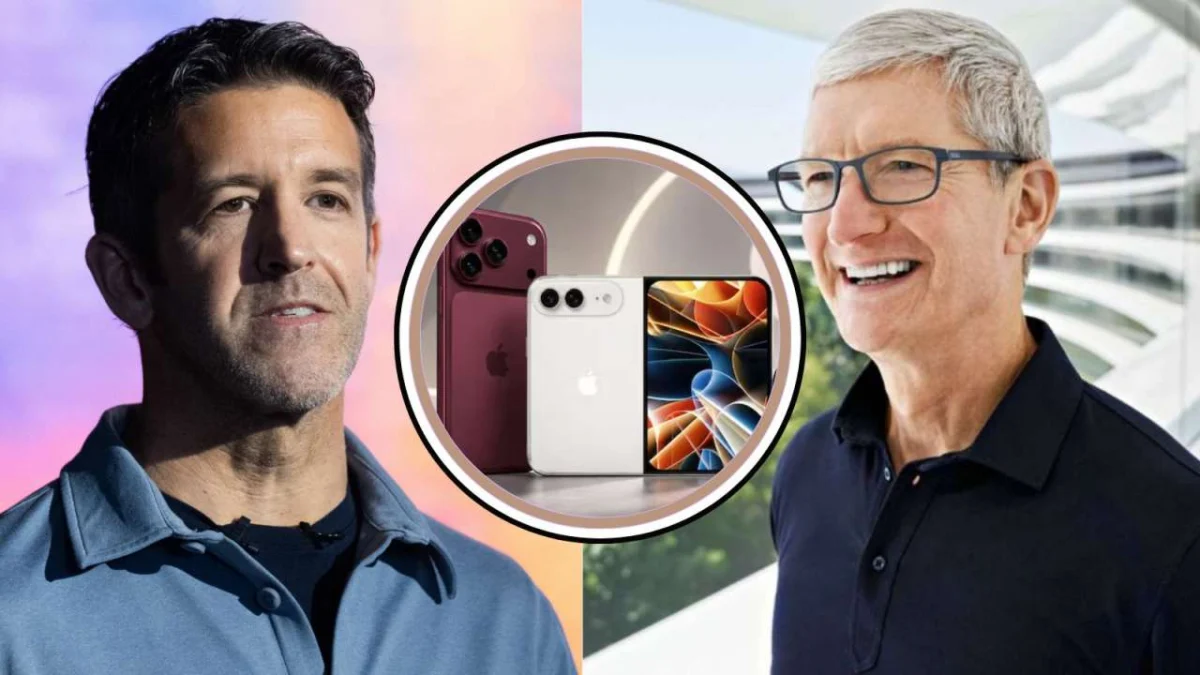
Cupertino, California – September 7, 2026 – Apple Inc. stands on the precipice of a significant leadership transition and a groundbreaking product unveiling. As the tech world gears up for the highly anticipated September 9 event, all eyes are on John Ternus, who officially assumed the role of Apple CEO on September 1. Ternus is set to take the stage and lead the keynote address, marking his first major product launch at the helm of the Cupertino giant. While long-standing CEO Tim Cook will be present as Executive Chairman, his absence from the keynote spotlight signals a deliberate passing of the torch and the dawn of a new era for Apple.
The event, themed "Surprise and Shine," promises more than just incremental updates. Industry insiders and analysts are buzzing with anticipation for the unveiling of the iPhone 18 Pro series and, most notably, Apple’s rumored entry into the foldable smartphone market with the "iPhone Ultra." This strategic move comes at a time when the smartphone industry is grappling with market saturation and a relentless pursuit of innovation to captivate increasingly discerning consumers. The leadership change, coupled with a potentially revolutionary product lineup, underscores Apple’s commitment to evolving its brand, leadership, and product portfolio for the challenges and opportunities of the coming decade.

Main Facts: A New Face, Revolutionary Products, and Strategic Shifts
The core of the upcoming Apple event revolves around three pivotal developments: the formal transition of leadership from Tim Cook to John Ternus, the introduction of the advanced iPhone 18 Pro and iPhone 18 Pro Max, and the highly anticipated debut of Apple’s first foldable smartphone, potentially named the iPhone Ultra.
John Ternus, a long-time Apple veteran with a distinguished career in hardware engineering, is stepping into the spotlight as the new CEO. His ascension to the top leadership position on September 1 has been met with both excitement and intense scrutiny. While Tim Cook, who has steered Apple through a decade of unprecedented growth and diversification, will remain intimately involved as Executive Chairman, his decision to cede the keynote stage to Ternus is a powerful symbolic gesture. It signifies a clear shift in public leadership, aiming to present a fresh face for Apple’s next chapter.
)
The product lineup itself is expected to be equally transformative. The iPhone 18 Pro and iPhone 18 Pro Max are poised to set new benchmarks for smartphone technology. Anticipated features include a groundbreaking variable-aperture main camera, promising unparalleled photographic versatility, and the introduction of the A20 Pro chip, which is expected to deliver significant performance and efficiency gains. Design refinements are also expected, with a slightly smaller Dynamic Island and new color options, while largely retaining the aesthetic language established by the iPhone 17 Pro.
However, the most significant announcement is projected to be the iPhone Ultra, Apple’s inaugural foray into the foldable smartphone segment. This move represents a strategic pivot for Apple, which has historically adopted a cautious approach to emerging technologies, preferring to refine and perfect them before market entry. The iPhone Ultra, rumored to retail at an estimated USD 2,299 in the US, is set to become the most expensive iPhone ever, underscoring its premium positioning and Apple’s ambition to redefine the high-end smartphone market. Beyond iPhones, the event is also expected to showcase new iterations of popular Apple accessories, including the AirPods 5, Apple Watch Ultra 4, and Apple Watch Series 12, further solidifying the company’s robust ecosystem.

Chronology: From Cook’s Decade to Ternus’s Inauguration
The narrative of Apple’s leadership transition and product evolution is a story spanning decades, culminating in this week’s pivotal event. To fully appreciate the significance of September 9, 2026, it is crucial to trace the lineage of Apple’s leadership and its approach to innovation.
The Jobs Era: Laying the Foundation
Apple’s modern era began with the return of Steve Jobs in 1997, a period defined by audacious product introductions like the iMac, iPod, and ultimately, the revolutionary iPhone in 2007. Jobs’s keynotes were legendary – a blend of showmanship, vision, and an almost evangelical fervor that captivated audiences worldwide. He established the template for Apple’s product launches: meticulously crafted presentations that not only unveiled new devices but also articulated a compelling vision for how technology could enrich lives. This era set the incredibly high bar for all subsequent Apple events.
)
The Cook Stewardship: Growth, Diversification, and Refinement
Following Steve Jobs’s passing in 2011, Tim Cook stepped into the formidable role of CEO. Cook’s tenure has been characterized by an extraordinary period of growth, expanding Apple’s market capitalization to unprecedented levels, diversifying its product portfolio beyond the iPhone into services, wearables, and new categories like the Apple Watch. Under Cook, Apple refined its supply chain to an art form, expanded its global footprint, and solidified its position as the world’s most valuable company.
Cook’s keynotes, while lacking some of Jobs’s theatricality, were known for their calm demeanor, focus on practical applications, and emphasis on user experience and privacy. For nearly a decade, he was the familiar face launching every new iPhone, iPad, Mac, and Apple Watch. His consistent presence fostered a sense of stability and continuity, even as Apple pushed the boundaries of technology. The iPhone 17 Pro, launched just a year prior, represented the culmination of Cook’s approach to incremental yet significant hardware and software advancements.
)
The Rise of John Ternus: A New Chapter Begins
John Ternus is no stranger to Apple. He joined the company in 2001, steadily climbing the ranks within the hardware engineering division. Before his appointment as CEO, he served as Senior Vice President of Hardware Engineering, a role that placed him at the heart of the development of virtually all of Apple’s major products, including every generation of iPhone, iPad, Mac, and AirPods. His deep technical expertise, understanding of Apple’s design philosophy, and proven track record in leading complex engineering projects made him a natural successor.
The official announcement of his CEO appointment on September 1, 2026, set the stage for this week’s event. While the transition has been carefully managed, the decision for Cook to step back from the keynote, even as Executive Chairman, is a clear signal of the confidence placed in Ternus. It signifies not just a change in leadership but potentially a shift in how Apple communicates its vision to the world. Ternus allegedly described the impending lineup as "phenomenal" in an internal memo to employees, setting an optimistic and ambitious tone for his leadership. The theme "Surprise and Shine" further hints at Apple’s intent to deliver truly groundbreaking announcements under its new stewardship. This September 9 event, therefore, is not merely a product launch; it is Ternus’s formal introduction to the global stage as the leader of one of the world’s most influential companies.
)
Supporting Data: Diving Deep into the New Products and Market Dynamics
The upcoming product announcements are not merely incremental upgrades; they represent strategic moves designed to maintain Apple’s dominance in a fiercely competitive market. Examining the anticipated features and pricing strategies provides crucial insight into Apple’s vision.
The iPhone 18 Pro Series: Evolution and Refinement
The iPhone 18 Pro and iPhone 18 Pro Max are expected to continue Apple’s tradition of pushing the boundaries of smartphone technology. Key advancements are anticipated across several critical areas:
)
- Variable-Aperture Main Camera: This is a potentially revolutionary feature for smartphone photography. Unlike fixed apertures, a variable aperture allows the camera to adjust the size of the lens opening, controlling the amount of light entering the sensor. This capability would enable greater depth of field control (e.g., more pronounced bokeh for portraits, or sharper foreground-to-background focus for landscapes), improved low-light performance by opening up the aperture, and sharper images in bright conditions by closing it down. This technology, already seen in some professional cameras and a few Android devices, would offer iPhone users unprecedented creative control and image quality, potentially rivaling dedicated point-and-shoot cameras.
- A20 Pro Chip: Apple’s custom silicon has consistently set industry benchmarks, and the A20 Pro is expected to be no different. This chip will power not only the core operating system but also advanced AI functionalities, enhanced graphics for gaming, and more efficient processing for demanding tasks. Speculation suggests significant improvements in neural engine capabilities, crucial for on-device machine learning, computational photography, and future AI features integrated into iOS. The performance gains will also contribute to smoother multitasking and faster app launch times, enhancing the overall user experience.
- Slightly Smaller Dynamic Island: Introduced with the iPhone 14 Pro, the Dynamic Island has been an innovative solution to replace the traditional notch. A "slightly smaller" Dynamic Island in the iPhone 18 Pro models suggests further optimization of the display-to-body ratio, allowing for a more immersive viewing experience. This refinement indicates Apple’s commitment to evolving this unique interface element, potentially integrating it more seamlessly into the user interface for notifications, Live Activities, and background tasks.
- New Colour Options: While seemingly minor, new color options are a significant marketing tool for Apple. They provide a fresh aesthetic appeal, encourage upgrades, and allow users to express their individuality. The specific hues chosen often reflect current design trends and market research, aiming to resonate with the target demographic.
- Larger Battery: Improved battery life remains a top priority for smartphone users. A larger battery, coupled with the enhanced efficiency of the A20 Pro chip and optimized software, is expected to deliver substantial improvements in endurance, allowing users to go longer without needing to recharge. This is a crucial factor for power users and those who rely on their devices throughout the day.
- Design Continuity: Retaining a design similar to the iPhone 17 Pro suggests that Apple is confident in its current industrial design language. This strategy often allows the company to focus its innovation on internal components and software, while maintaining a recognizable and popular aesthetic.
The iPhone Ultra: Apple’s Leap into Foldables
The rumored iPhone Ultra represents a monumental shift in Apple’s product strategy. For years, Apple has observed the foldable market from the sidelines, allowing competitors like Samsung and Huawei to experiment and refine their designs. Apple’s entry now suggests they believe the technology has matured sufficiently to meet their stringent quality and user experience standards.
- Market Positioning: The expected price of approximately USD 2,299 in the US would make the iPhone Ultra the most expensive iPhone ever, positioning it firmly in the ultra-premium segment. This pricing strategy reflects the complexity of foldable technology, the advanced materials required, and Apple’s brand premium. It also targets a niche market of early adopters and luxury consumers willing to pay for cutting-edge innovation and unique form factors.
- Design Speculation: While details are scarce, industry speculation points to two primary foldable designs: a "clamshell" design (like Samsung’s Z Flip) that folds vertically into a compact size, or a "book-style" design (like Samsung’s Z Fold) that unfolds horizontally from a smartphone into a tablet-like device. Given Apple’s focus on productivity and content consumption, a book-style design offering a larger canvas for apps, media, and multitasking seems plausible for a device branded "Ultra."
- Challenges and Opportunities: Apple’s entry could legitimize the foldable category further, driving wider adoption. However, it also faces significant challenges, including ensuring screen durability (creases, dust resistance), optimizing iOS for the unique form factor, and managing production at scale for a complex device. Apple’s meticulous engineering is expected to address these concerns, potentially setting new benchmarks for foldable reliability and user experience.
Pricing Strategy: The Cost of Innovation
The anticipated USD 100 price increase for the new iPhones in the US, attributed to higher storage costs and advanced components, is a significant decision.
)
- Inflation and Component Costs: The global economic landscape, coupled with rising costs for cutting-edge components like advanced camera sensors, custom chips, and high-density storage, likely contributes to this increase.
- Premium Positioning: Apple has historically positioned its Pro models as premium devices, and a price hike reinforces this strategy. It allows Apple to maintain healthy profit margins while investing heavily in research and development.
- Regional Variations: The reported starting price of Rs 1,34,900 for the iPhone 17 Pro in India highlights the impact of import duties, taxes, and currency fluctuations on global pricing. The iPhone 18 Pro series and the iPhone Ultra are expected to follow similar patterns, making them even more premium purchases in markets like India.
- Market Acceptance: The success of this pricing strategy hinges on consumers perceiving the value proposition of the new features and the foldable form factor as commensurate with the increased cost. Apple’s brand loyalty and ecosystem strength will be key factors in market acceptance.
Other Ecosystem Launches
The event will also reinforce Apple’s robust ecosystem with updates to its popular wearables and audio devices:
- AirPods 5: Expectations for the next generation of AirPods include improved audio quality, enhanced active noise cancellation (ANC), better battery life, and potentially new health-tracking features or improved spatial audio capabilities.
- Apple Watch Ultra 4: The Ultra series is designed for extreme sports enthusiasts and adventurers. The fourth iteration is likely to feature more robust materials, advanced GPS, new environmental sensors (e.g., enhanced depth gauge for diving, improved altimeter), and even longer battery life to support multi-day expeditions.
- Apple Watch Series 12: The standard Apple Watch series continues to be a market leader in smartwatches. The Series 12 is expected to bring refinements in health monitoring (e.g., more accurate heart rate, blood oxygen tracking, potential new sensor for blood pressure or glucose monitoring), faster processing, and subtle design changes to improve comfort and aesthetics.
These additional launches underscore Apple’s commitment to an integrated ecosystem, where devices seamlessly work together, enhancing the overall user experience and locking customers further into the Apple platform.
)
Official Responses: Interpreting Apple’s Signals
While Apple rarely provides explicit "official responses" prior to major events, its actions, thematic choices, and internal communications offer clear signals about its strategic direction and confidence.
The Leadership Transition: A Deliberate Handover
The most significant "official response" is the leadership transition itself. Tim Cook’s decision to step back from the keynote, even while remaining Executive Chairman, is a carefully orchestrated message to the market and Apple’s employees. It signals:
)
- Confidence in Ternus: This move indicates immense trust in John Ternus’s capabilities to lead the company and articulate its vision. It suggests that Ternus is not just a figurehead but the chosen architect of Apple’s next chapter.
- Long-Term Succession Planning: It demonstrates Apple’s commitment to robust succession planning, ensuring a smooth and stable transition at the highest level. This reassures investors and stakeholders about the company’s future stability.
- Evolution, Not Revolution, in Governance: Cook’s new role as Executive Chairman suggests he will continue to provide strategic oversight and mentorship, leveraging his vast experience while allowing Ternus the operational freedom to innovate. This is a common model for major corporations undergoing leadership changes, aiming to retain institutional knowledge while empowering new leadership.
"Surprise and Shine": A Theme of Innovation
The chosen theme for the event, "Surprise and Shine," is an official communication in itself. It’s more than just a marketing tagline; it sets expectations for:
- Groundbreaking Announcements: The word "Surprise" hints at genuinely unexpected or revolutionary product introductions, strongly suggesting the foldable iPhone Ultra. Apple rarely uses such emphatic language for mere iterative updates.
- Product Excellence: "Shine" implies a focus on polished, high-quality products that stand out in the market, reflecting Apple’s commitment to design and user experience. It also suggests products that will quite literally "shine" in terms of their display technology and aesthetic appeal.
- A New Beginning: The theme also implicitly speaks to the new leadership, suggesting that Ternus’s era will be marked by bold innovations that will reinvigorate the market and showcase Apple’s continued leadership.
Ternus’s Internal Memo: Setting the Tone
John Ternus’s alleged description of the impending lineup as "phenomenal" in a memo to employees serves as an unofficial "official response" from the new CEO.
)
- Building Internal Morale: Such statements are crucial for rallying employees, instilling confidence, and fostering excitement internally before a public launch.
- Teasing External Expectations: While internal, such leaks often serve to build external anticipation and confirm the significance of the upcoming announcements, particularly the foldable iPhone.
- Establishing Leadership Voice: It’s Ternus’s first major statement in his new role, defining his communication style and his approach to product vision.
These collective signals – the leadership change, the event theme, and internal communications – paint a picture of an Apple that is confident, innovative, and strategically preparing for a new phase of growth and market leadership under fresh leadership.
Implications: A New Era for Apple and the Tech Industry
The September 9 event and the broader leadership transition carry profound implications for Apple, its competitors, and the entire technology landscape.
)
For Apple: A Defining Moment
- Brand Evolution: The event marks a critical juncture in Apple’s brand narrative. For over a decade, Tim Cook’s steady hand defined Apple’s public image. Ternus taking the stage signifies a deliberate effort to evolve this image, potentially appealing to a new generation of consumers and innovators. It tests Apple’s ability to maintain its aspirational brand without its long-standing public figure at the helm of its most visible events.
- Innovation Trajectory: The introduction of a foldable iPhone Ultra suggests Apple is prepared to take bolder risks in product categories where it has historically been cautious. This could signal a more aggressive stance on emerging technologies like AR/VR (beyond the Vision Pro) and advanced AI integration, moving beyond incremental updates to genuinely transformative products. Ternus, with his hardware background, might push for more radical design and engineering innovations.
- Market Share and Revenue: The success of the iPhone 18 Pro series and especially the iPhone Ultra will be critical for Apple’s financial performance. The higher price points, while potentially boosting average selling prices (ASPs) and revenue, also pose a risk if market acceptance is not strong, particularly for the ultra-premium foldable. The goal is likely to capture the highest-end segment of the market and expand the total addressable market with new form factors.
- Ecosystem Reinforcement: The simultaneous launch of new AirPods and Apple Watch models reinforces the strength of Apple’s ecosystem. These devices are crucial for customer retention and increasing the lifetime value of Apple users. They demonstrate Apple’s strategy of creating a tightly integrated suite of products and services that offer a seamless and compelling user experience.
For Competitors: Heightened Pressure and Innovation Race
- Foldable Market Dynamics: Apple’s entry into the foldable market will send shockwaves through the industry. Competitors like Samsung, Huawei, and Google, who have invested heavily in foldables for years, will face unprecedented pressure. Apple’s involvement is likely to accelerate innovation in the foldable space, driving down costs, improving durability, and expanding the software ecosystem around these devices. It validates the category as a mainstream segment, pushing others to innovate faster to maintain their edge.
- Premium Smartphone Segment: The iPhone 18 Pro’s advanced camera, chip, and design refinements will intensify competition in the premium smartphone market. Android manufacturers will need to redouble their efforts in computational photography, custom silicon development, and software optimization to compete effectively with Apple’s ecosystem advantages.
- Wearables and Audio: Updates to the Apple Watch and AirPods will also keep competitors on their toes in the wearables and personal audio segments. Apple’s leadership in these categories is well-established, and continuous innovation forces others to constantly improve their offerings in health tracking, audio quality, and smart features.
For the Technology Industry at Large: Setting New Standards
- Design and Engineering Benchmarks: Apple’s reputation for meticulous design and engineering means that its foldable iPhone Ultra, if successful, could set new industry standards for durability, hinge mechanisms, display quality, and software optimization in foldable devices. This could influence future designs and manufacturing processes across the industry.
- Pricing and Value Perception: The elevated price points for the new iPhones, particularly the Ultra, will contribute to ongoing discussions about the perceived value of premium smartphones. It reflects a broader trend of technological devices becoming more specialized and expensive, pushing the boundaries of what consumers are willing to pay for cutting-edge features.
- The Future of Keynotes: The transition from Tim Cook to John Ternus on the keynote stage is a significant moment in the history of tech presentations. It represents a potential shift in presentation style and emphasis, moving away from a single iconic figure to a more collective or product-focused approach. It also reminds the industry that even the most enduring leaders eventually pass the baton.
- AI Integration: While not explicitly detailed in the provided content, any new Apple silicon, especially the A20 Pro chip, will invariably feature enhanced AI capabilities. The future of smartphones and personal computing is inextricably linked to artificial intelligence, and Apple’s advancements in this area, particularly on-device AI, will significantly influence industry trends in privacy-preserving and powerful AI applications.
The September 9 event is more than just another product launch; it is a foundational moment for Apple’s next chapter. Under John Ternus’s leadership, the company is poised to redefine its product portfolio, re-energize its brand, and set new benchmarks for innovation in the global technology landscape. The tech world watches with bated breath to see how this new era will unfold.
