

Main Facts: The Evolution of a Mediterranean Staple
In the contemporary culinary landscape, the boundary between professional bakeries and the home kitchen has become increasingly porous. Leading this domestic revolution is the resurgence of focaccia—a traditional Italian flatbread characterized by its pillowy interior, structural dimples, and a golden, olive-oil-enriched crust. While commercially produced breads often prioritize shelf-life over sensory depth, a growing movement of home bakers is rediscovering the profound qualitative difference of "slow bread."
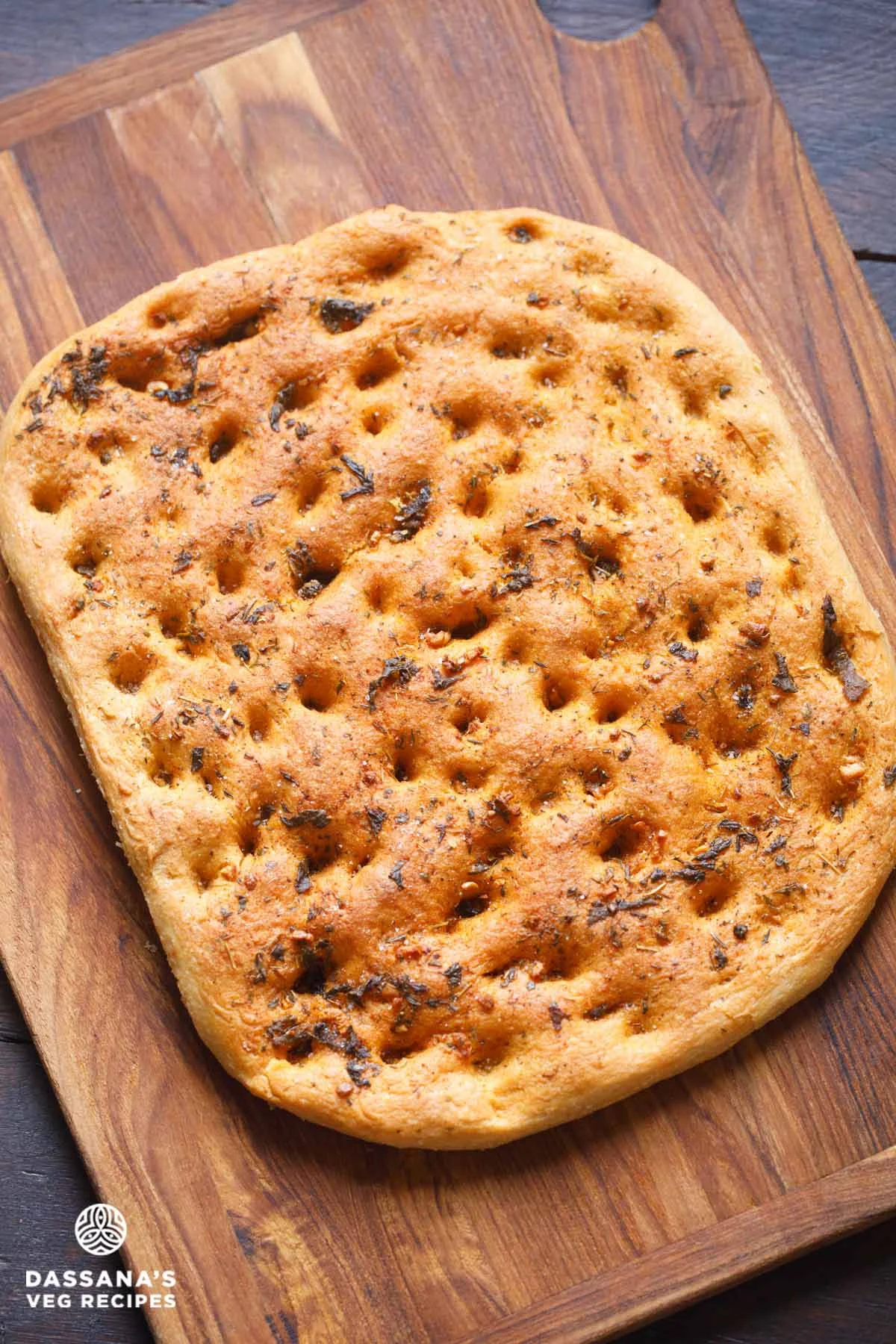
A definitive recipe recently released by culinary experts highlights a significant shift in the focaccia paradigm: the transition from refined all-purpose flour to organic, stone-ground whole wheat. This iteration of focaccia is not merely a side dish but a complex carbohydrate profile featuring hard durum wheat, infused with a sophisticated herb-garlic lipid matrix. By utilizing whole grains, the recipe addresses the modern consumer’s demand for nutritional density without sacrificing the "light and airy" crumb traditionally associated with Italian white breads.
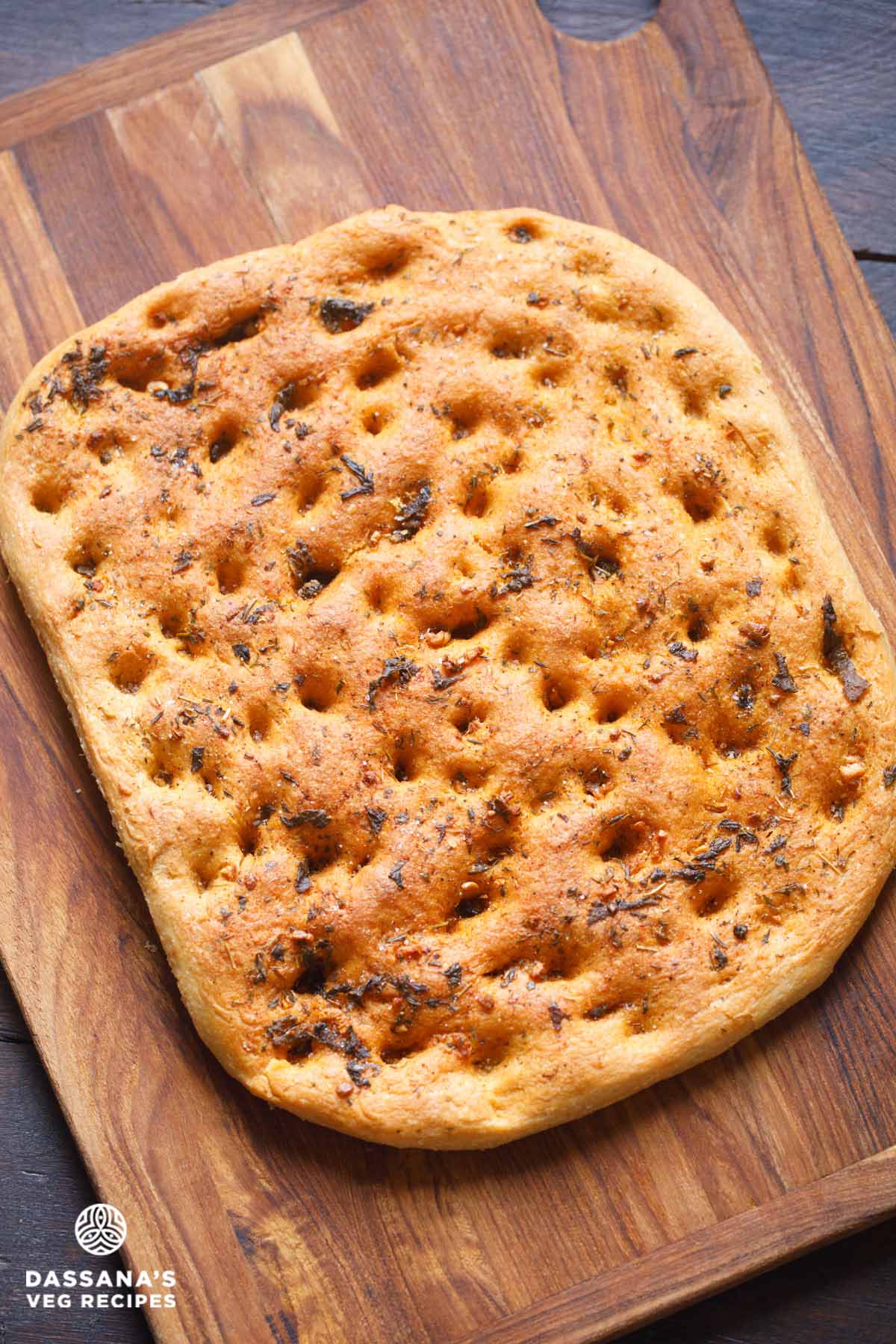
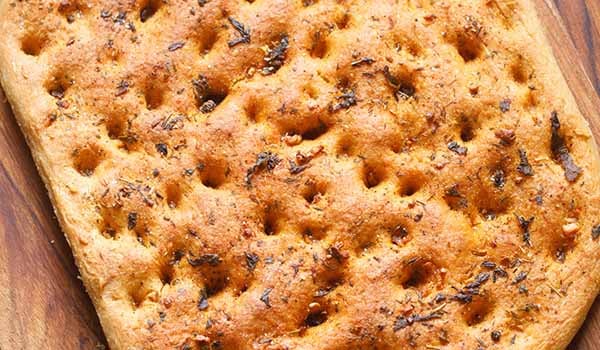
The core of this culinary development lies in the "dimpling" technique—a structural necessity that allows olive oil and aromatics to pool on the surface, creating micro-environments of intense flavor and varied texture. As home baking evolves into a form of functional art, understanding the chemical and chronological requirements of such a loaf becomes essential for the modern gastronome.
Chronology: From Fermentation to the Golden Crust
The creation of a high-quality whole wheat focaccia is a multi-stage chronological process that requires precision, patience, and an understanding of yeast kinetics.
Phase I: Activation and Structural Foundation
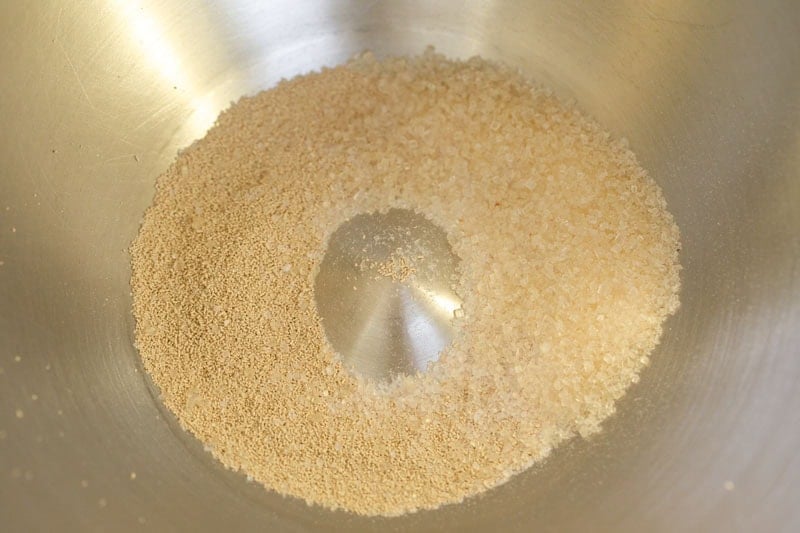
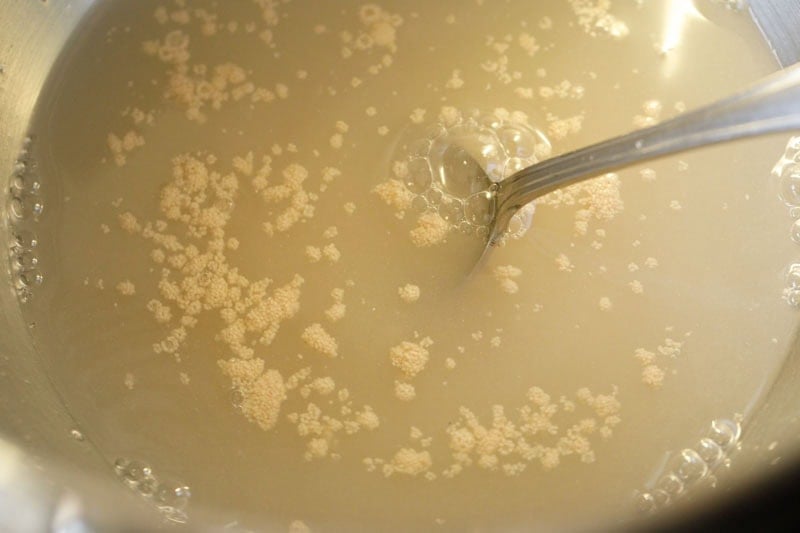
The process begins with the activation of the leavening agent. Using two teaspoons of instant yeast and a catalyst of sugar, the baker establishes a fermentation base. Unlike active dry yeast, which requires a pre-hydration period in warm water to "bloom," instant yeast can be integrated more rapidly, though the use of room-temperature water remains critical to prevent thermal shock to the yeast cells.
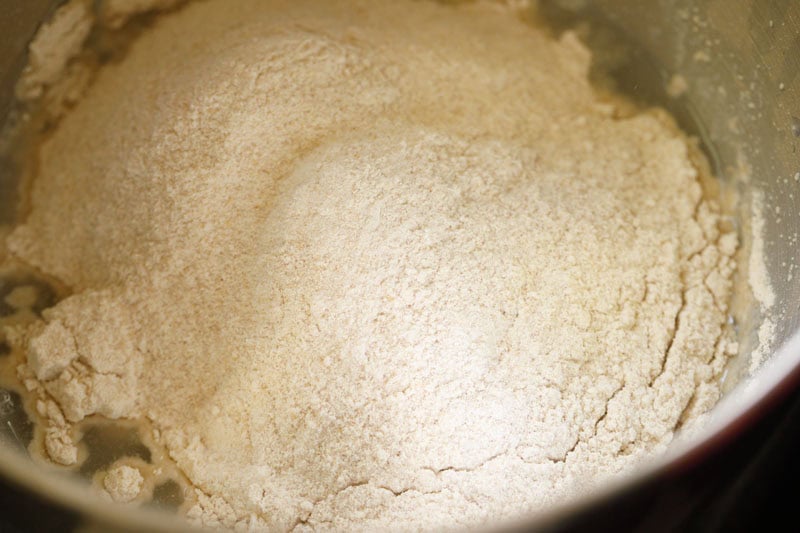
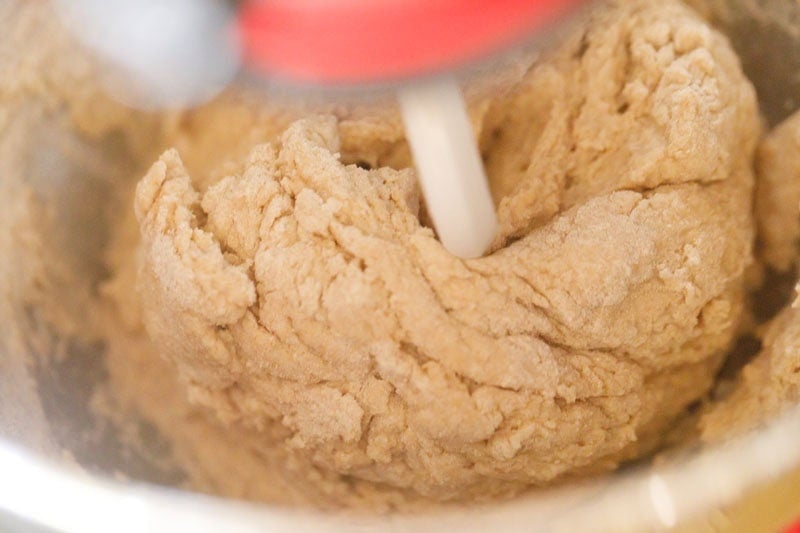
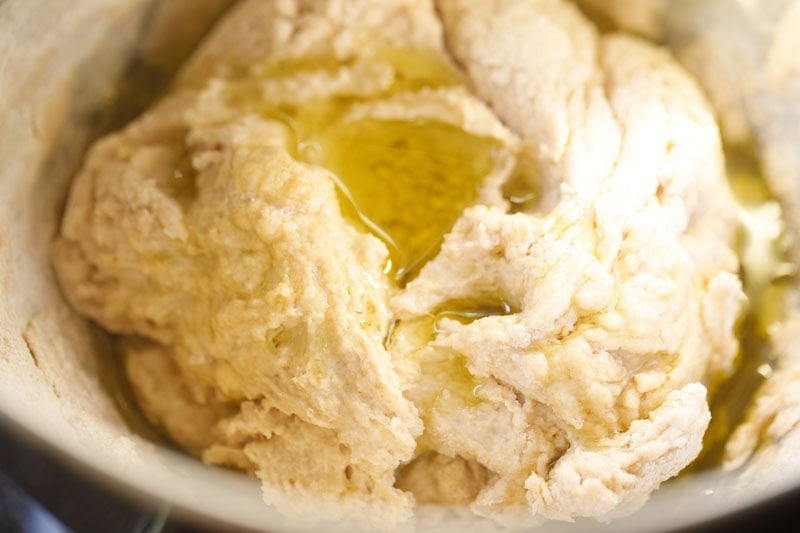
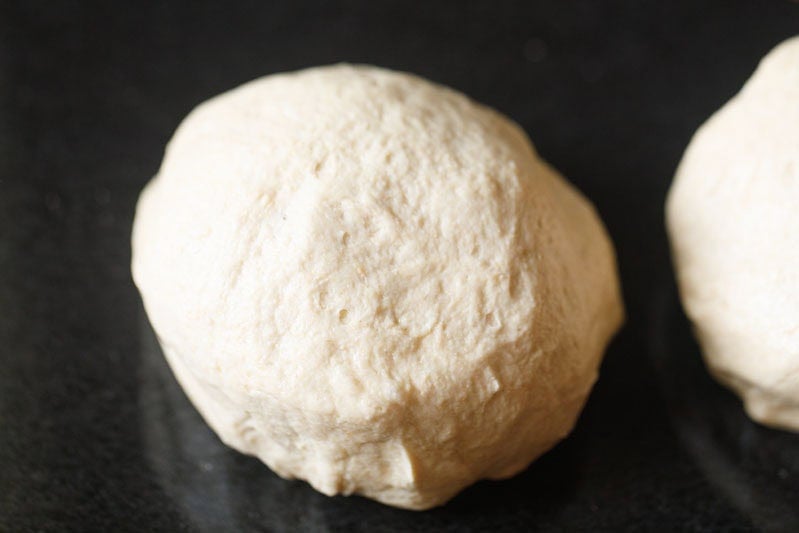
Once the yeast is ready, four cups of whole wheat flour are integrated. The choice of hard durum wheat is significant; its higher protein content is necessary to support the heavy bran particles inherent in whole wheat flour. Kneading—whether performed by hand, stand mixer, or food processor—must continue until the dough reaches a state of "supple elasticity." At this stage, olive oil is introduced, acting as a shortening agent that coats the gluten strands, resulting in a softer final crumb.
Phase II: The Primary Fermentation
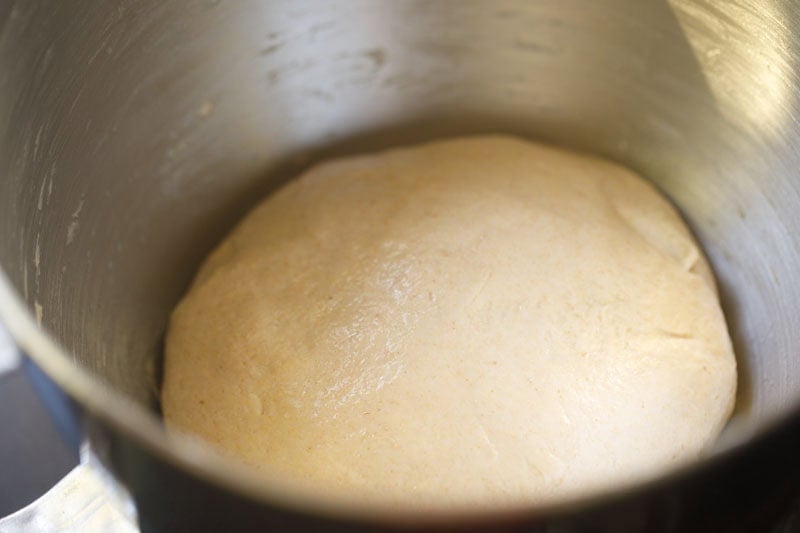
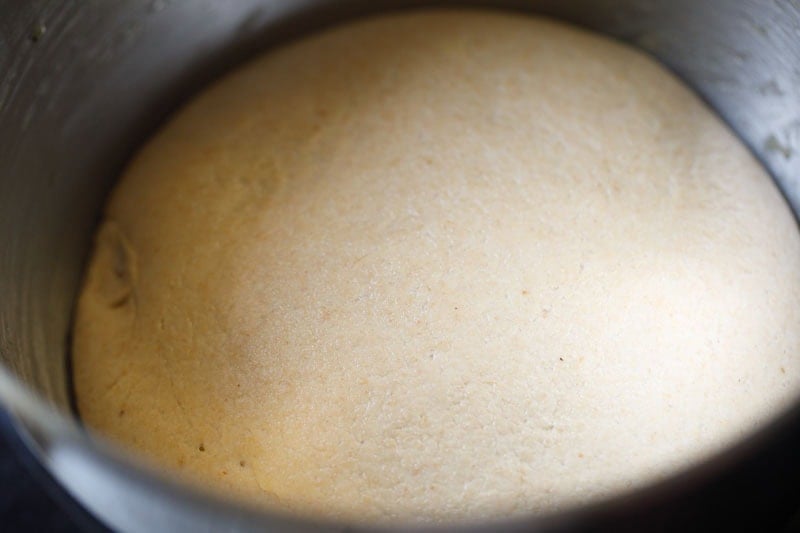
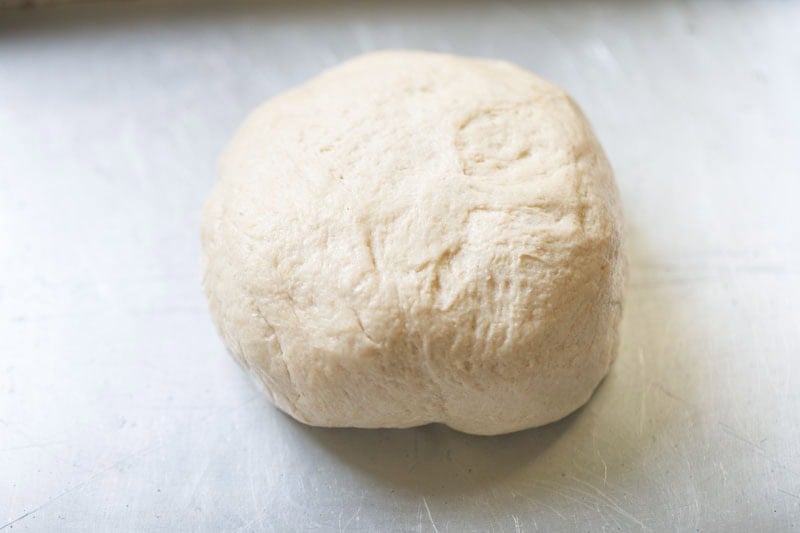
Following the initial knead, the dough enters its first leavening period. This "bulk fermentation" typically lasts between 40 to 50 minutes in optimal conditions, though colder climates or the use of active dry yeast can extend this window to two hours. During this time, yeast consumes the sugars in the flour, releasing carbon dioxide that becomes trapped within the gluten network, causing the dough to double in volume.
Phase III: The Infusion and Architecture
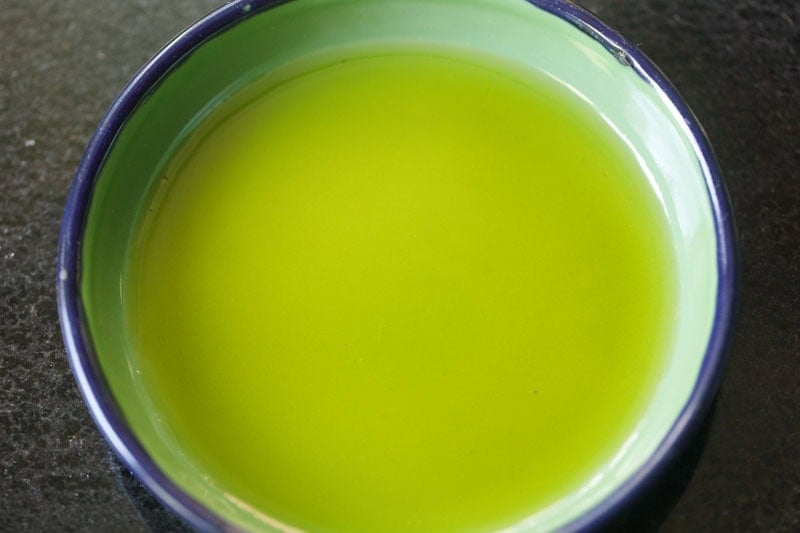
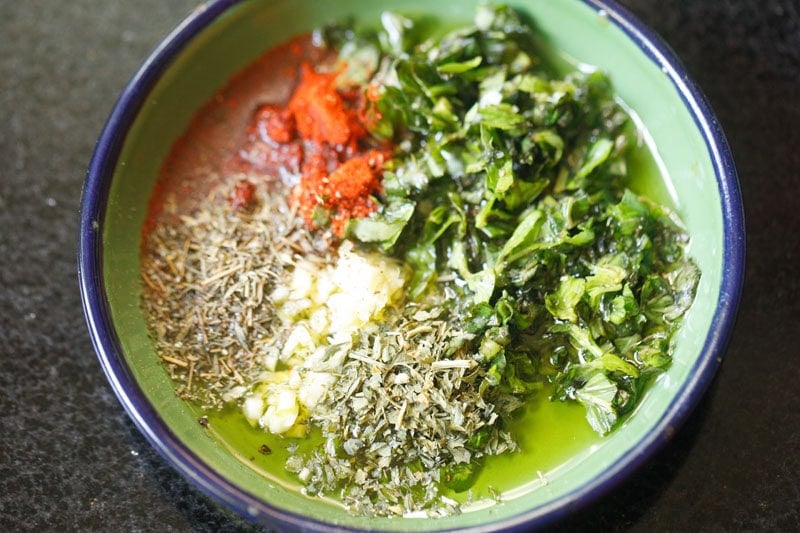
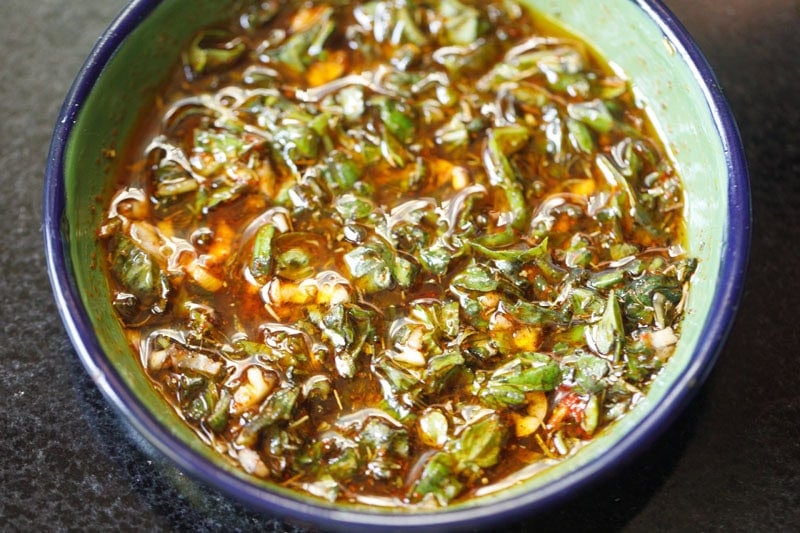
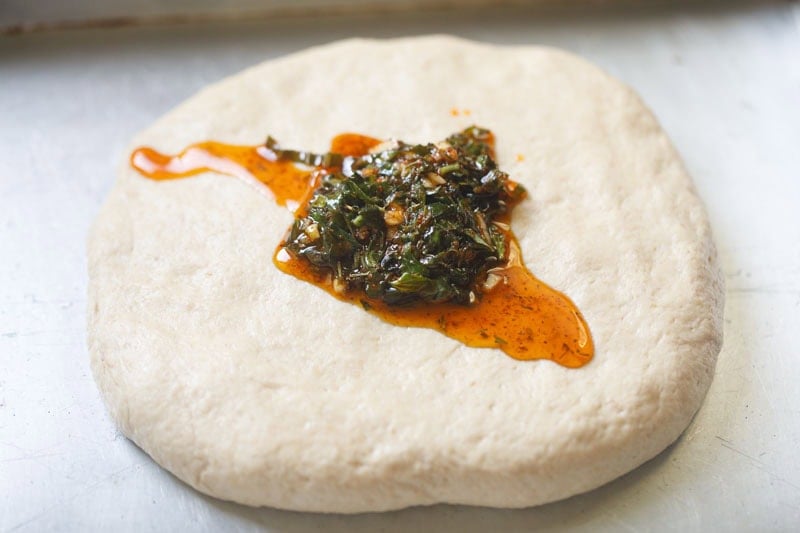
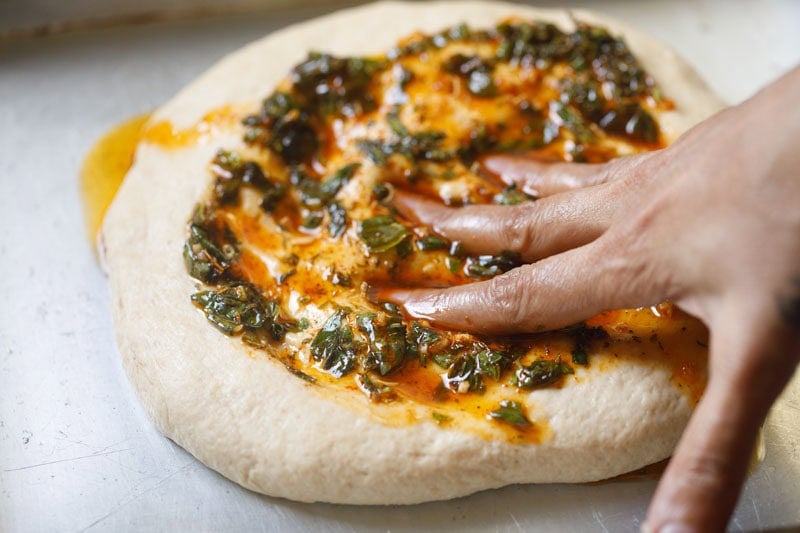
While the dough rises, the baker prepares the "herb garlic oil"—a critical component that defines the bread’s aromatic profile. By warming a quarter-cup of olive oil and steeping fresh basil, parsley, thyme, and minced garlic, the baker creates a flavored lipid that penetrates the dough during the second rise.
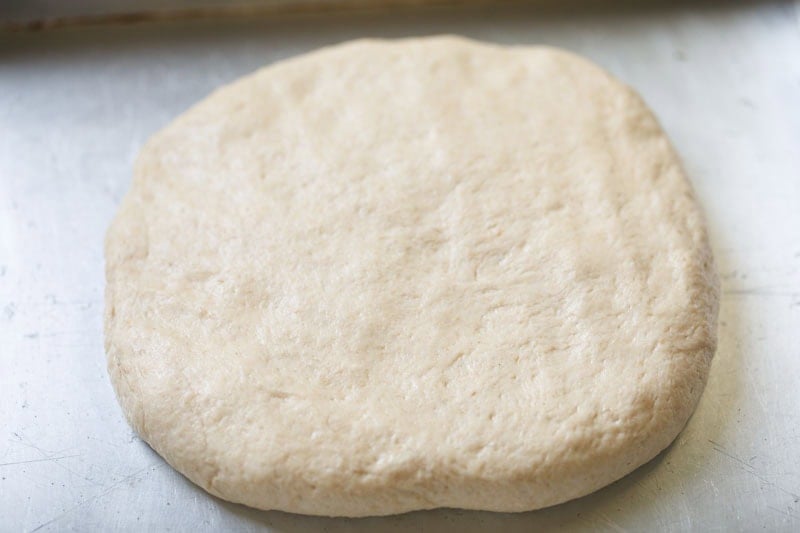
The assembly phase involves transferring the aerated dough to a heavily greased baking tray. Here, the signature "dimpling" occurs. Using the fingertips to create deep indentations, the baker ensures the herb-infused oil is distributed throughout the loaf’s topography. A secondary rise of 30 to 40 minutes follows, allowing the dough to recover its volume around the oil pools.

Phase IV: The Thermal Transformation
The final stage is the bake, conducted at a high temperature of 200°C (390°F). Over 30 to 45 minutes, the Maillard reaction transforms the surface into a golden-brown crust. The high heat causes the water in the dough to turn to steam, providing the "oven spring" that creates the airy internal structure. The bread is deemed complete when it produces a hollow sound upon being tapped—a sign that the moisture has been sufficiently redistributed and the crumb is set.
Supporting Data: Nutritional and Chemical Analysis
The shift toward whole wheat focaccia is supported by compelling nutritional data. According to standardized culinary metrics, a single serving of this homemade loaf provides a robust profile:
- Caloric Density: Approximately 1,301 kcal per loaf (designed for multiple servings).
- Macronutrients: 183g of carbohydrates and 37g of protein. The high protein count is a direct result of using hard durum wheat.
- Fiber Content: At 29g of fiber, this whole wheat version significantly outperforms traditional white focaccia, aiding in digestive health and providing a lower glycemic index.
- Micronutrients: The inclusion of fresh herbs and stone-ground flour contributes 10mg of iron, 341mg of magnesium, and 948mg of phosphorus, alongside 389µg of folate.
Chemically, the success of the bread relies on "hydration levels." Whole wheat flour is more absorbent than refined flour due to the presence of bran and germ. Consequently, the recipe requires a higher water-to-flour ratio (approximately 1.5 to 2 cups of water for 4 cups of flour). This high hydration is what allows a whole-grain bread to remain "soft and light" rather than becoming a dense, heavy brick.
Official Responses: Expert Insights and Baking Standards
Culinary experts and seasoned bakers, including Dassana, the lead developer behind this specific methodology, emphasize that the "feel" of the dough is as important as the measurements. In an official capacity, several "Baking Tips" have been issued to ensure success for the domestic baker:
- Flour Variability: Experts note that the amount of water must be adjusted based on the specific brand and grind of the flour. The "official" target is a dough that is "smooth, elastic, and slightly sticky."
- Yeast Management: For those using active dry yeast, the official recommendation is to increase the quantity to 2.25 teaspoons and strictly utilize warm water to ensure the dormant cells are properly revitalized.
- Temperature Control: Baking experts warn that temperature is the most volatile variable. In cold environments, the use of a "proof setting" in an oven or a warm corner of the kitchen is mandatory to achieve the necessary volume.
- The Freshness Mandate: The culinary consensus is that focaccia reaches its peak sensory quality on the day of baking. The "Official Response" to stale bread is a quick rejuvenation in a skillet or oven to restore the lipid-softened crumb.
Implications: The Future of Home Baking
The move toward homemade, whole-grain breads like this focaccia has several broader implications for society and the food industry.
Health and Wellness
As consumers become more wary of ultra-processed foods (UPFs), the ability to control ingredients—specifically the elimination of preservatives, high-fructose corn syrup, and dough conditioners—becomes a form of healthcare. The high fiber and mineral content of whole wheat focaccia align with Mediterranean diet principles, which are widely linked to cardiovascular health.
Economic Shift
The democratization of artisanal techniques means that high-quality, "bakery-grade" bread is now achievable at a fraction of the retail cost. With organic stone-ground flour and pantry staples like olive oil and herbs, a household can produce premium loaves for pennies, challenging the pricing models of high-end commercial bakeries.
Culinary Versatility and Sustainability
The "focaccia framework" encourages a zero-waste kitchen. The bread’s versatility allows it to serve as a vehicle for leftovers—turning simple tomato soup into a gourmet meal or transforming grilled vegetables into a high-quality sandwich. Furthermore, the ability to freeze and thaw the dough or the baked loaf reduces food waste, as consumers can bake only what they need.
The "Slow Food" Cultural Impact
Finally, the process of making focaccia—requiring hours of waiting and tactile engagement—serves as a counter-narrative to the "instant" nature of modern life. It encourages a "slow food" philosophy, where the act of preparation is as valued as the act of consumption. As more individuals master the dimpling of dough and the infusion of oils, the kitchen is reclaimed as a space of craftsmanship rather than just convenience.
In conclusion, the whole wheat focaccia is more than a recipe; it is a synthesis of history, chemistry, and nutrition. It stands as a testament to the fact that with the right chronological approach and an understanding of raw materials, the home cook can surpass the quality of the commercial market, one golden, herb-crusted loaf at a time.
