

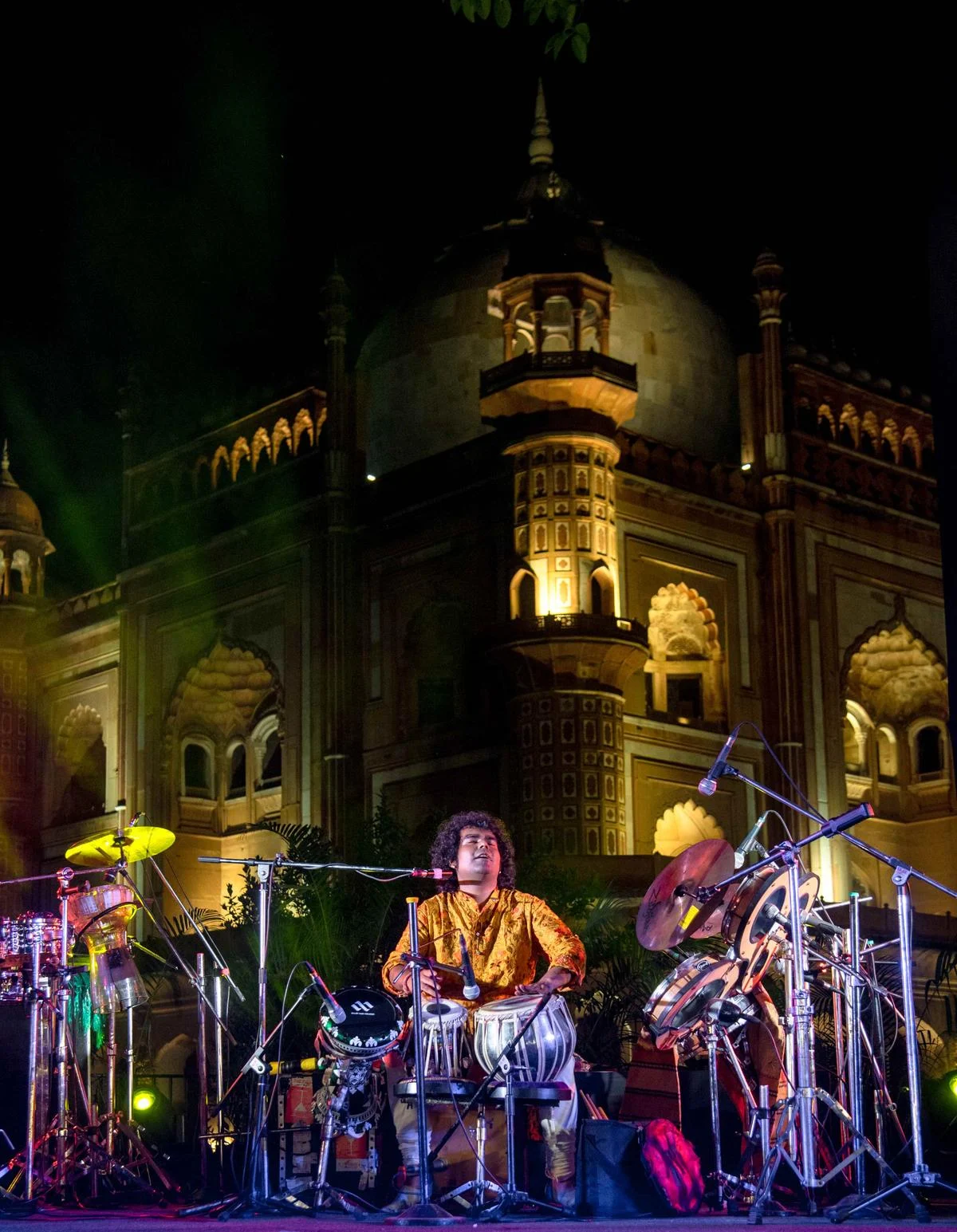
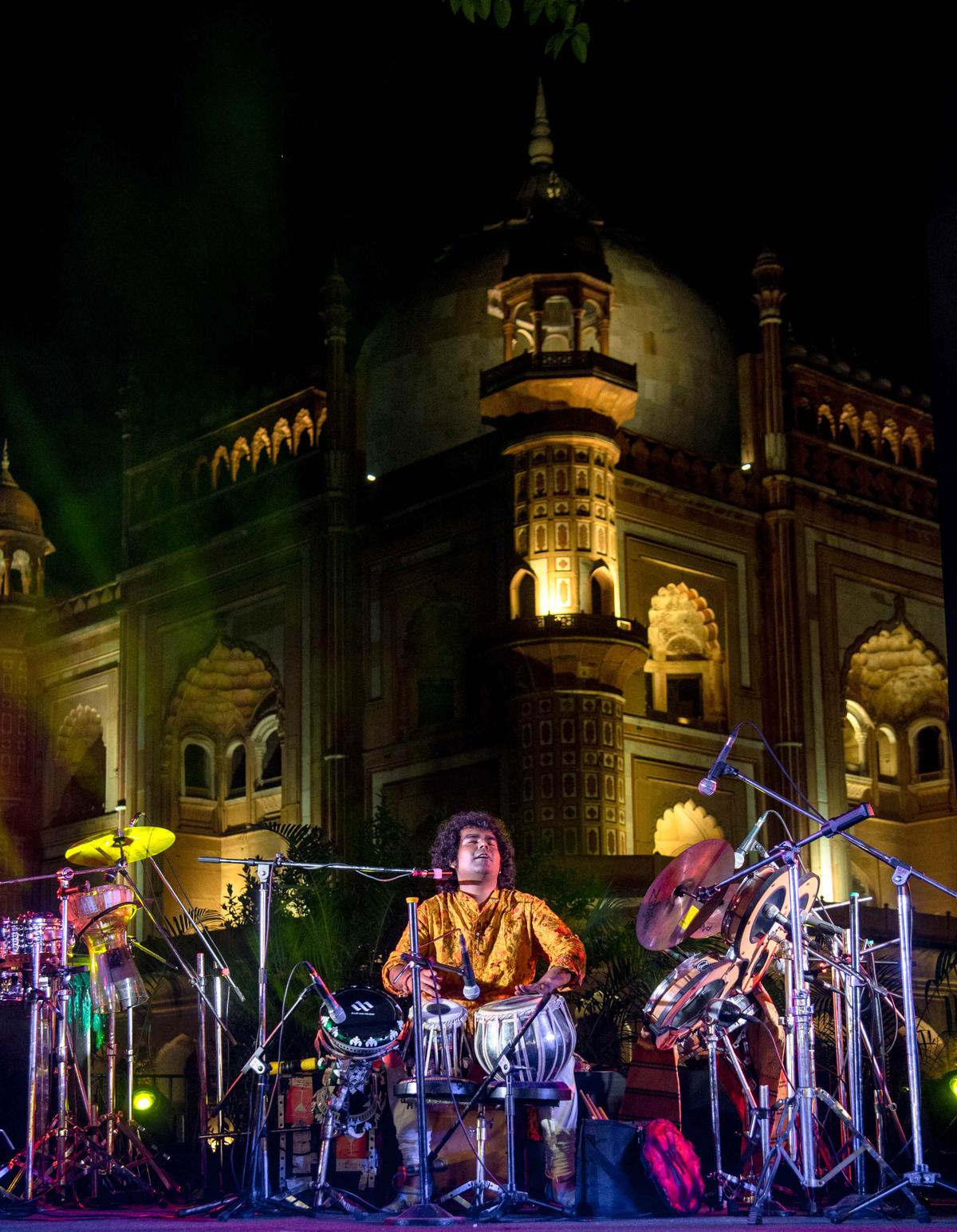
New Delhi: Six decades after his untimely passing, the resonant spirit of Pandit Chatur Lal, a tabla virtuoso whose artistry transcended geographical and cultural boundaries, continues to inspire and echo through the annals of Indian classical music. A recent grand commemoration, held against the majestic backdrop of Delhi’s Safdarjung Tomb, served as a poignant testament to the maestro’s enduring legacy, celebrating a life that, though tragically short, was profoundly impactful. The beautifully illuminated monument, adorned with elegantly framed photographs and meticulously curated anecdotes, evoked a palpable sense of remembrance for the maestro who, in his time, was a pioneering force in bringing Indian percussion to global prominence.
The evening’s tribute unfolded with a deeply felt homage by Pandit Chatur Lal’s grandson, Pranshu Chatur Lal, and his musical ensemble, culminating in a soul-stirring concert by the revered Ghazal singer, Anup Jalota. This convergence of artistic expression, set against a historically significant landmark, underscored the timeless appeal of Pandit Chatur Lal’s contribution to the world of music.
From Udaipur’s Roots to Delhi’s Embrace: Forging a Unique Path
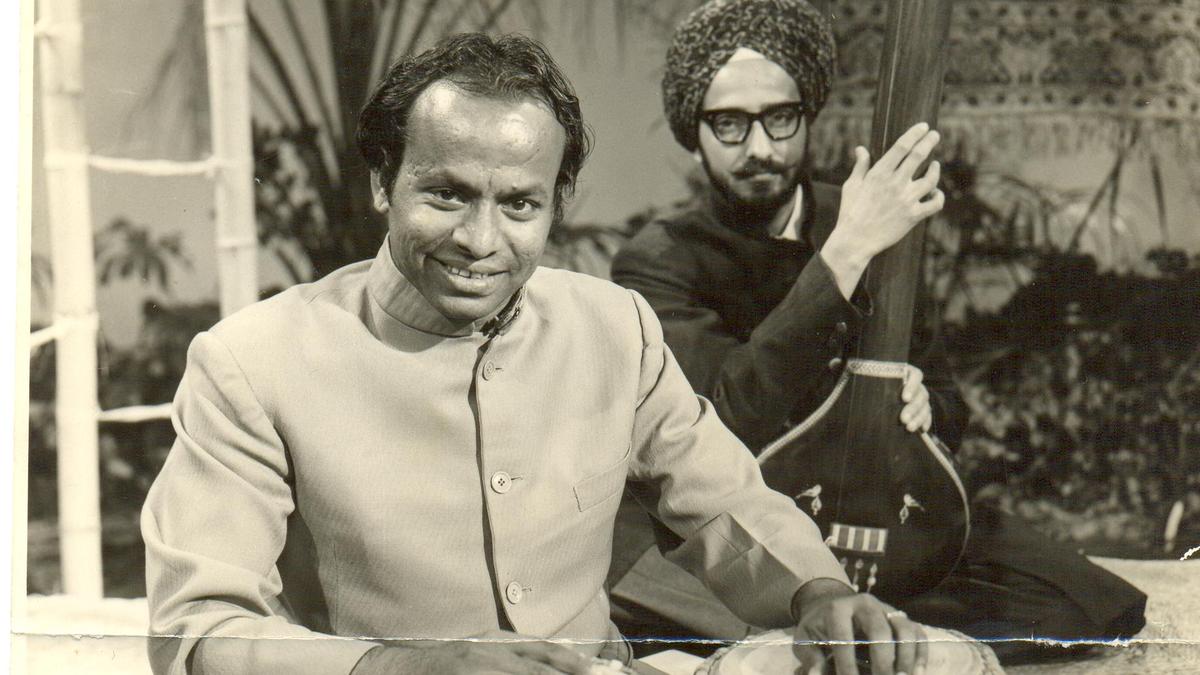
Born in Udaipur, Rajasthan, Pandit Chatur Lal made Delhi his adopted home in the 1940s, a decision that would prove pivotal in his burgeoning career. He hailed from a lineage deeply steeped in musical tradition, with three generations of professional singers preceding him. Yet, Pandit Chatur Lal, much like his younger brother, the celebrated sarangi exponent Pandit Ram Narayan, charted his own distinct musical course. A remarkable aspect of their artistic journeys was their self-taught prowess. Neither brother underwent formal tutelage under established gurus, yet both cultivated highly individualistic and influential styles of music, leaving an indelible mark on the landscape of Indian classical performance. This innate talent and dedication to innovation set them apart, solidifying their positions as luminaries in their respective fields.
A Global Ambassador of Rhythm: Breaking New Ground on the World Stage
Pandit Chatur Lal’s impact extended far beyond the borders of India, particularly his pioneering role in captivating foreign audiences. His profound influence was such that, posthumously, the U.S. Embassy in Delhi instituted an award in his name, a singular honor reflecting his significant contributions to cross-cultural musical exchange. His final international tour, undertaken in 1964, was an ambitious undertaking that spanned 51 cities across Europe, accompanied by his brother, Pandit Ram Narayan.
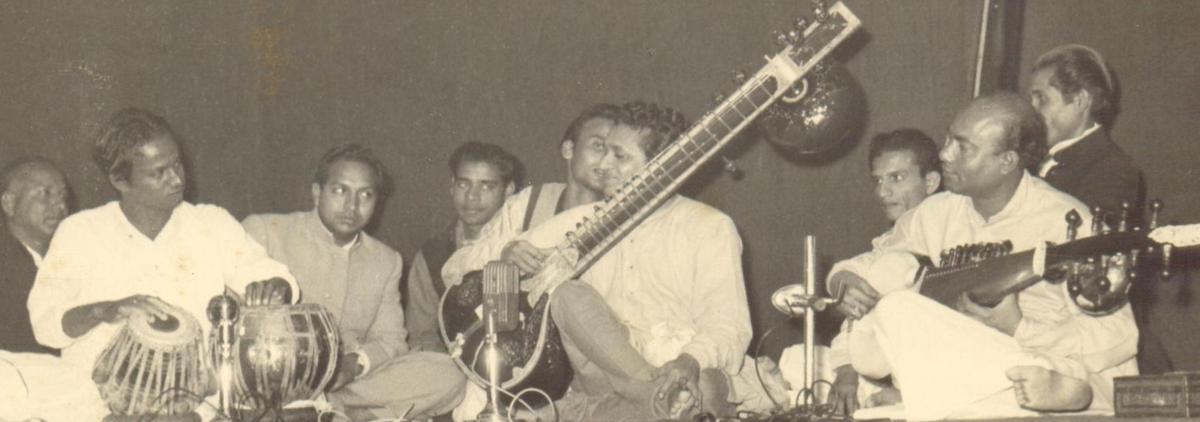
In an era when Indian musicians were often an unfamiliar presence in the Western Hemisphere, Pandit Chatur Lal, alongside luminaries such as Pandit Ravi Shankar and Ustad Ali Akbar Khan, embarked on extensive tours, meticulously introducing the intricate beauty of Indian classical music to nascent and burgeoning audiences. This concerted effort not only broadened the appreciation for Indian music but also paved the way for future generations of Indian artists to gain international recognition and acclaim.
Echoes of Admiration: Testimonials from Masters
The profound respect Pandit Chatur Lal commanded within the music fraternity is vividly captured in the words of his contemporaries and successors. Ustad Zakir Hussain, a tabla maestro in his own right, unequivocally stated that Pandit Chatur Lal was the individual who "paved the way for Indian musicians" on the global stage. He lauded Pandit Chatur Lal’s playing as "remarkable – distinctive."

Echoing this sentiment, the late Pandit Jasraj, a titan of Indian classical vocal music, remarked that Pandit Chatur Lal performed a role akin to what Ustad Zakir Hussain achieved in their era: "bringing tabla to every household." This powerful analogy underscores the democratizing effect of Pandit Chatur Lal’s artistry, making the complex rhythms of the tabla accessible and beloved by a wider audience.
His son, Charanjit Lal, eloquently summarized his father’s approach: "He absorbed from every gharana and created a style that was his own." This ability to synthesize diverse influences into a unique and personal musical voice was a hallmark of his genius. Ustad Amjad Ali Khan, the renowned sarod player, concurred, calling Pandit Chatur Lal a "trendsetter" who "elevated the tabla from something ordinary to something truly special, especially on the international platform." He further elaborated that Pandit Chatur Lal "introduced a new style, a new direction," thereby revolutionizing the perception and execution of tabla playing.
The late Santoor maestro, Pandit Shiv Kumar Sharma, a distinguished musician himself, expressed a poignant regret at a memorial service: "I have only one regret – that I never got the opportunity to perform with him." This sentiment speaks volumes about the esteemed regard in which Pandit Chatur Lal was held by his peers, highlighting the missed artistic collaborations that could have further enriched the world of Indian music.
Musical Innovations and Enduring Influence
Pandit Chatur Lal’s artistic vision extended beyond the traditional confines of classical music. He was a trailblazer in his collaborations with jazz musicians, including bassists, saxophonists, and drummers. These cross-genre experiments demonstrated his adventurous spirit and his commitment to exploring new sonic territories, further expanding the reach and appeal of Indian percussion.
He was also instrumental in popularizing taal vadya kutcheris (percussion ensemble performances) across North India. His innovative approach included the incorporation of Carnatic laya techniques, a remarkable feat that involved presenting taals (rhythmic cycles) of half and quarter matras (beats). This intricate rhythmic exploration was a significant gift to the world of Hindustani percussion, showcasing a profound understanding and mastery of complex rhythmic structures. Furthermore, Pandit Chatur Lal’s flair for the dramatic, particularly in his presentations of tihais (rhythmic cadences) to accompany instrumentalists, became a signature element that captivated audiences and influenced subsequent generations of tabla players.
A Legacy Preserved: Trusts, Museums, and Continuous Remembrance
Beyond the celebratory events in Delhi, Pandit Chatur Lal’s legacy is actively preserved and propagated through various initiatives. In Udaipur, his ancestral home, a trust managed by his family continues to honor his memory by organizing memorial concerts, ensuring that his music and artistic philosophy remain accessible to new generations.
In Delhi, his former residence has been transformed into a museum, a poignant sanctuary dedicated to his life and work. This museum houses an invaluable collection of his personal instruments, belongings, and rare recordings, offering a tangible connection to his journey in the world of rhythm. This repository serves not only as a tribute to his individual achievements but also as an educational resource for aspiring musicians and scholars interested in the evolution of Indian classical music.
The enduring presence of Pandit Chatur Lal, a maestro who so elegantly bridged cultural divides and pushed the boundaries of his art form, serves as a powerful reminder of the unifying and transformative power of music. His pioneering spirit and groundbreaking innovations continue to resonate, inspiring artists and captivating audiences, ensuring that his rhythmic legacy will endure for generations to come. The recent commemoration at Safdarjung Tomb was more than just an event; it was a vibrant reaffirmation of a master craftsman’s indelible mark on the global tapestry of sound.
