

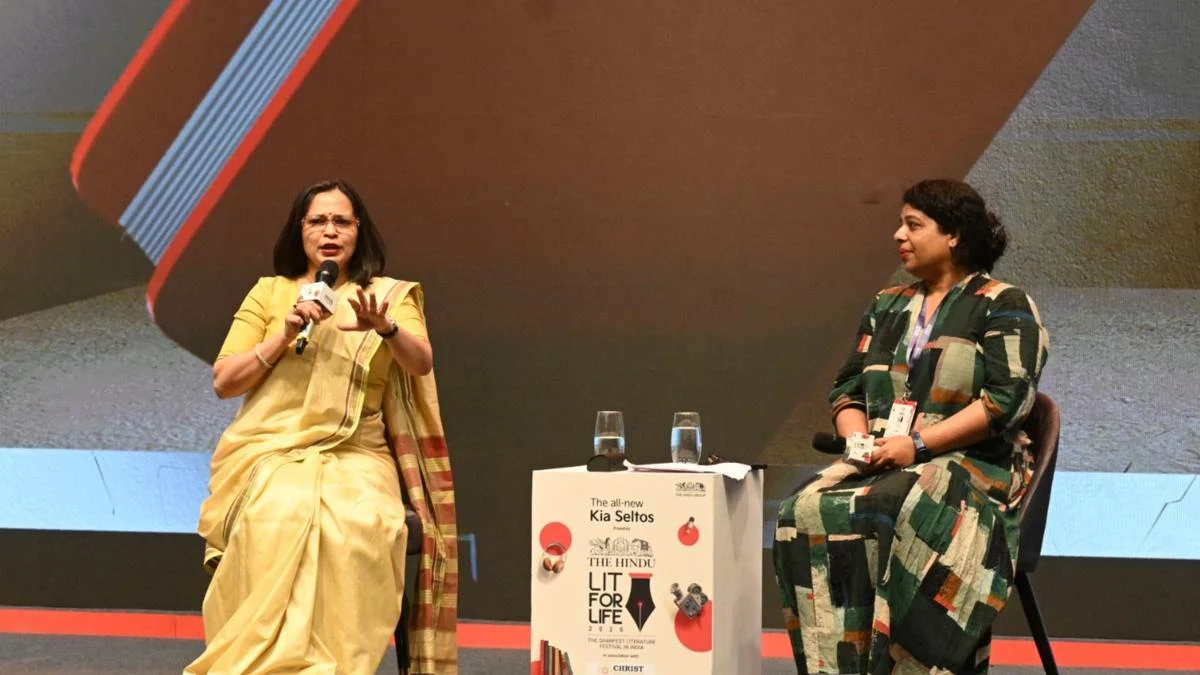
Chennai, India – January 19, 2026 – In an era saturated with fleeting wellness trends and an ever-shifting definition of health, celebrity nutritionist and author Rujuta Diwekar has remained a steadfast advocate for a timeless approach: embrace local, traditional, whole foods, prioritize regular physical activity, and ensure adequate rest. Speaking at The Hindu Lit for Life Festival 2026, held at the Sir Mutha Concert Hall in Chennai, Diwekar engaged in a thought-provoking dialogue with Shonali Muthalaly, Editor of The Hindu’s MetroPlus, Weekend, and Cinema sections. The session, aptly titled "Why Dieting Made Us Fat: On Weight Loss, Metabolism and Why Food is Not the Enemy," underscored Diwekar’s unwavering philosophy, a stark contrast to the prevailing, often confusing, messages bombarding consumers today.
The Erosion of Traditional Wisdom in the Face of Modern Trends
Diwekar’s consistent message, which has resonated with audiences for over fifteen years since the publication of her seminal work, is a testament to her conviction. "We have known each other for 15 years since your first book. And I admire the fact that your messaging hasn’t changed at all," Muthalaly observed, highlighting the stability of Diwekar’s advice amidst a sea of evolving health fads.
Diwekar responded with a passionate affirmation of the critical need to champion local, seasonal, and traditional food choices. "It is more important than ever to speak about local, seasonal, traditional, because everyone can see that time and again, the messaging of the weight loss industry, the food industry and now even the pharma industry and beauty industry keeps changing. They want us to adhere to a new standard every single day," she articulated. This constant flux, she argued, has left individuals not only confused but also demonstrably less healthy.
A significant culprit in this modern health conundrum, according to Diwekar, is the pervasive influence of social media. She expressed deep concern over the proliferation of health advice dispensed by Instagram influencers, many of whom, she believes, "have no clue." This phenomenon, she lamented, fosters a "herd mentality," akin to being "fooled by cattle," where individuals blindly follow one trend after another, ironically contributing to the very issue the session aimed to address: weight gain.
Beyond the Scale: A Holistic View of Well-being
The discussion extended beyond the singular focus on weight loss, delving into a broader spectrum of well-being. The conversation touched upon the insidious effects of Instagram filters, which distort self-perception and contribute to body image issues. Diwekar also expressed a dismissive view of the current obsession with elaborate skincare routines, suggesting that true health lies elsewhere.
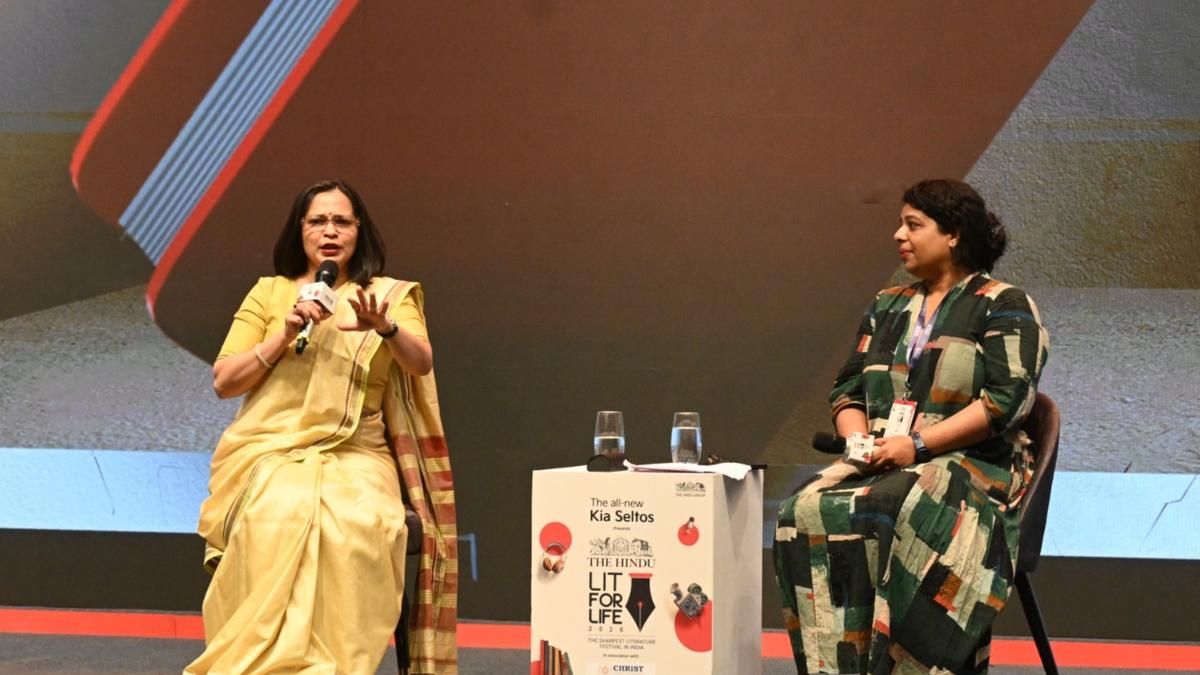
A central theme was the detrimental impact of the relentless pursuit of thinness, which Diwekar argued "shrinks our minds and lives." This narrow focus on aesthetics, she contends, overshadows more fundamental aspects of health and vitality. The session also critically examined the ongoing "protein craze," questioning its widespread adoption and the potential health implications of this trend.
Diwekar passionately defended the enduring relevance of age-old cultural practices surrounding food, emphasizing that genuine health is cultivated through a deeper understanding of these traditions rather than through restrictive diets or the consumption of supplements. She urged attendees to ask "big questions about health" rather than solely fixating on weight loss.
Challenging the Notions of Discipline and Privilege in Health
Diwekar powerfully challenged the prevalent belief that achieving fitness is solely a matter of "discipline and willpower." She asserted that this notion often stems from a place of "privilege" and a lack of true understanding of the systemic factors influencing health. "This whole belief that we have that it takes discipline and willpower to get fit is a misunderstood one, coming out of privilege and not really understanding," she insisted.
Her argument shifted the focus from individual responsibility to the crucial role of societal and governmental policies in fostering national health. Diwekar highlighted the importance of robust policies that protect citizens from environmental hazards like air pollution, improve maternal healthcare, ensure gender equality, and effectively regulate the consumption of unhealthy products such as junk food, alcohol, and tobacco.
"That is the stuff that improves the health of a nation, and not gyms, protein shakes and probiotics," she declared, drawing a clear distinction between superficial health interventions and foundational societal improvements. Her statement underscored a call for systemic change, advocating for a holistic approach to public health that addresses the root causes of ill-health rather than merely treating the symptoms.

The Hindu Lit for Life Festival: A Platform for Critical Discourse
The Hindu Lit for Life Festival, presented by The all-new Kia Seltos, serves as a vital platform for intellectual engagement and cultural exchange. The 2026 edition, in association with Christ University and NITTE, and supported by a host of esteemed partners including Orchids- The International School, Hindustan Group of Institutions, State Bank of India, IndianOil, and many others, brought together a diverse range of thinkers and speakers to explore critical contemporary issues.
The festival’s comprehensive sponsorship and partnership network, spanning various sectors from education and finance to media and tourism, underscores its significance in fostering dialogue and promoting a well-rounded understanding of societal challenges and opportunities. The inclusion of official timekeeping partner Citizen, regional partner DBS Bank India Ltd, tourism partner Bihar Tourism, bookstore partner Crossword, water partner Repute, and radio partner Big FM, further amplifies the festival’s reach and impact.
Rujuta Diwekar’s session at The Hindu Lit for Life Festival was more than just a talk on nutrition; it was a potent call to re-evaluate our relationship with food, our bodies, and the very definition of health. By championing traditional wisdom and advocating for systemic change, she provided a refreshing and empowering perspective in a world often misled by superficial trends. Her enduring message serves as a crucial reminder that true well-being is rooted in a holistic, grounded, and community-oriented approach.
