

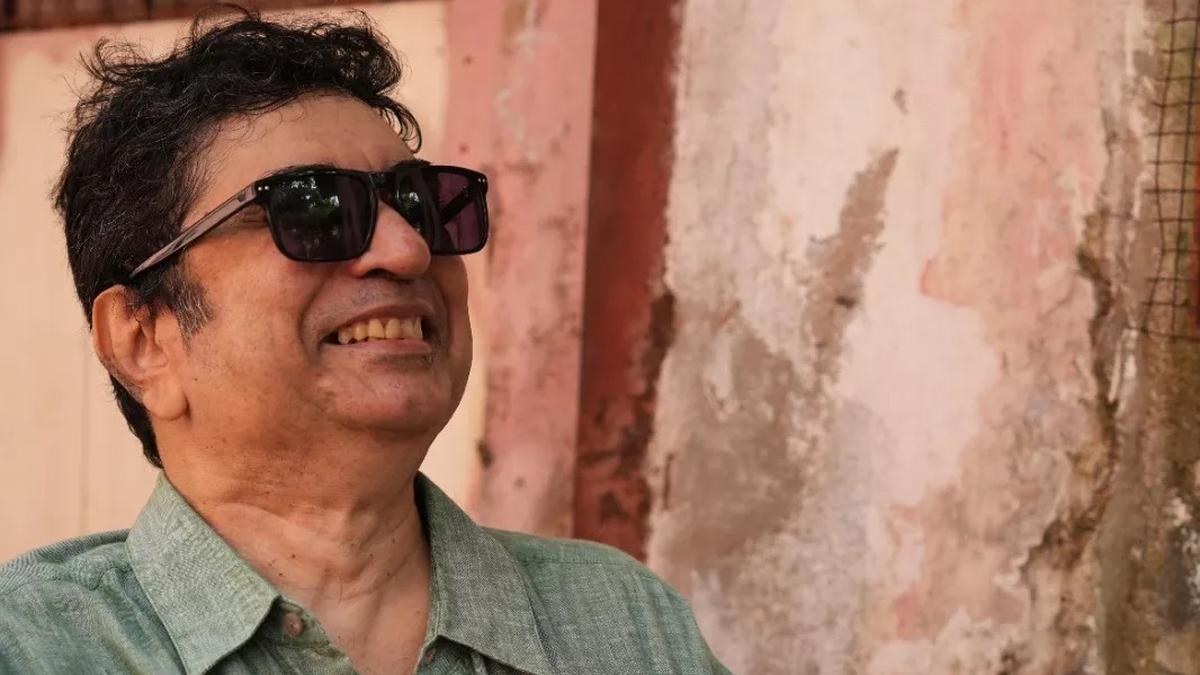
Kolkata, a city steeped in history and often cloaked in a wistful charm, has lost one of its most astute and beloved chroniclers. Renowned filmmaker Anik Dutta, whose cinematic vision masterfully blended sharp satire with an aching tenderness for his beloved city, passed away on May 27th in Kolkata. His departure leaves a void in Bengali cinema, a space once illuminated by his unique ability to dissect the tragic comedy of urban life, holding a mirror to the city’s soul with a mischievous glint in his eye.
Dutta was a rare breed of artist, one who harbored a profound love for Kolkata that fueled his relentless, yet affectionate, critique. His films were populated by spectral presences, both literal and metaphorical, but beneath the layers of satire lay an undeniable and profound affection for the city he called home. He understood that Kolkata, with its faded grandeur, its lingering intellectualism, and its constant struggle against urban decay, was itself a character in a grand, ongoing narrative.
A Cinematic Visionary: The Legacy of Anik Dutta
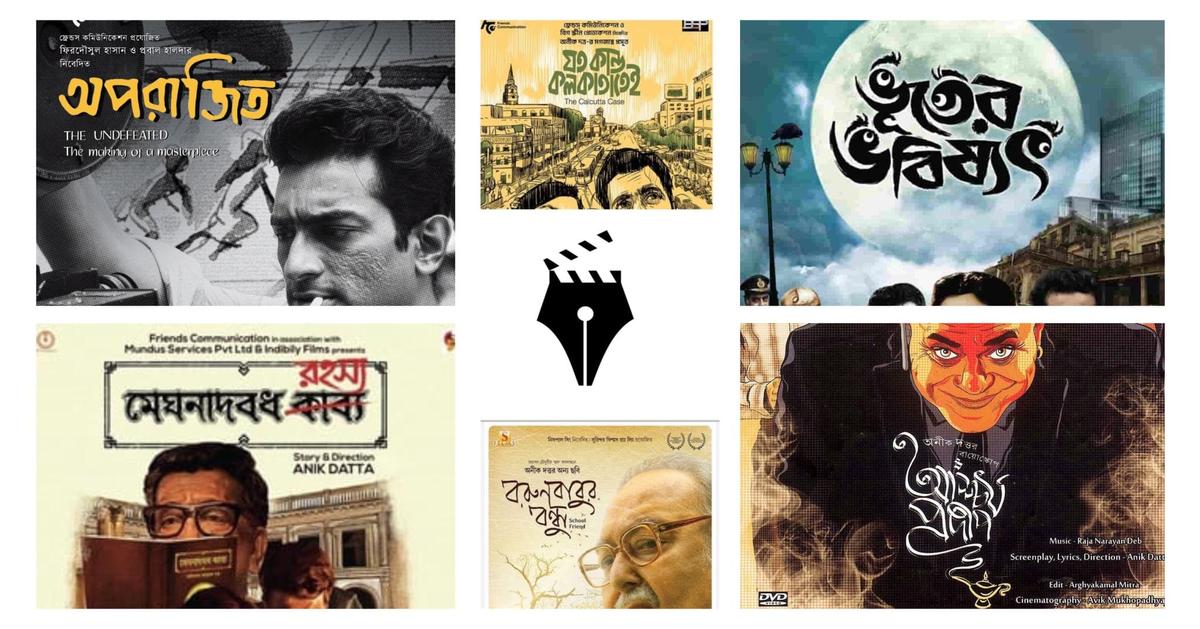
Anik Dutta’s impact on Bengali cinema was seismic, particularly following the release of his 2012 masterpiece, Bhooter Bhabishyat (The Future of Ghosts). This film, a landmark in contemporary Bengali filmmaking, achieved the remarkable feat of being wildly entertaining while simultaneously being politically observant, culturally self-aware, and undeniably local. It spoke the language of Kolkata’s informal gatherings (addas), its intricate local politics (para politics), its inherited anxieties, and its pervasive middle-class melancholy. In a masterful paradox, the film both ridiculed Bengali nostalgia and, in doing so, became one of its most significant cinematic monuments.
The ghosts that haunted Bhooter Bhabishyat – colonial remnants, forgotten theatre artists, decaying aristocrats, and contemporary urban casualties – were less supernatural entities and more potent symbols of a city and its people left behind by time. In retrospect, the film feels almost prophetic, capturing a collective consciousness where Kolkata itself seemed haunted by vanished grandeur, cultural insecurities, and an intellectual confidence that had begun to curdle into an endless cycle of remembrance. Anik Dutta possessed the prescience to articulate this pervasive sense of spectral presence before many others.
The Art of Dialogue: Words That Linger and Define
In a cinematic landscape where realism often wore a mantle of solemnity, Anik Dutta revitalized Bengali cinema with wit, theatricality, and an infectious energy. His films were characterized by sharp, layered conversations and dialogues so deeply referential that they permeated the audience’s daily lives. This emphasis on dialogue was, according to Professor Sanjoy Mukhopadhyay, former Head of the Department of Film Studies at Jadavpur University, central to Dutta’s appeal.
"When we recall Anik’s films," Professor Mukhopadhyay noted, "what we remember most are his dialogues, perhaps more than the images. Bengal has a very strong oral tradition, and Anik understood that. In an industry often obsessed with nostalgia, he intentionally pointed towards the cultural failures of contemporary Bengal. That was his greatest achievement."
Professor Mukhopadhyay further elaborated on the impact of Bhooter Bhabishyat, highlighting its daring engagement with contemporary realities. "The film satirized promoter culture, political opportunism, and urban decay at a time when few mainstream Bengali films dared to engage contemporary reality so directly. After Uttam Kumar, Bengali cinema lost its sense of spectacle. Anik delivered us from stagnation."
Yet, despite his sharp critiques, Dutta’s cinema never lost its affection for the very world it examined. Even his most biting jokes carried an underlying warmth. He could laugh at Bengali sentimentality precisely because he was so deeply a part of it himself.
From Advertising to Artistry: Precision, Panic, and Endless Cups of Tea
Dutta’s journey into filmmaking was preceded by a significant career in advertising, a background that profoundly shaped the unique rhythm and meticulous precision of his cinematic works. Filmmaker Sudeshna Roy, a close associate of Dutta for three decades, remembers him as a craftsman driven by an almost obsessive attention to detail.

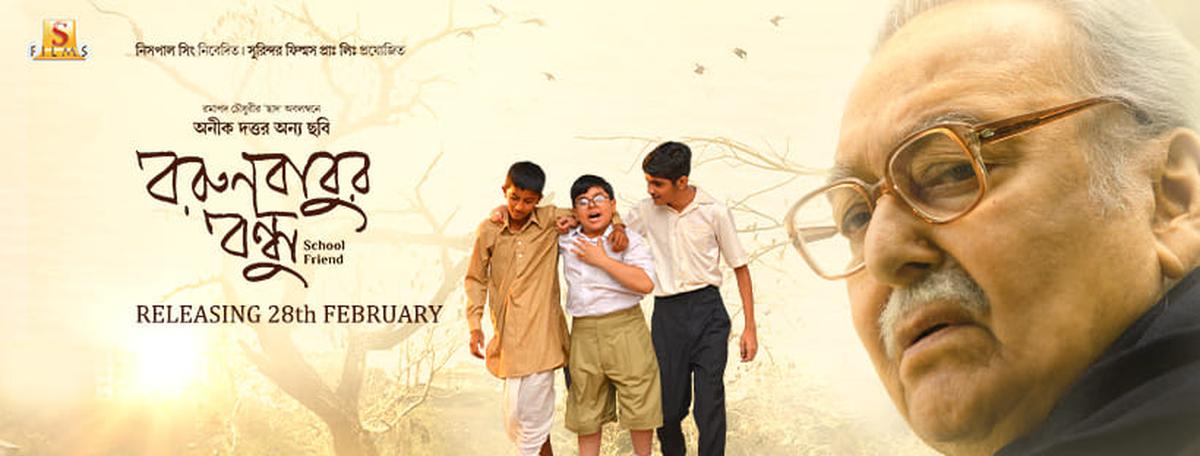
"We used to joke that he could make a feature film in 30 seconds," Roy recalled, referencing his advertising days. "He was serious about every line, every subtitle, every costume. During dubbing, we could spend hours selecting a single word." Roy, who penned the subtitles for Dutta’s critically acclaimed films Meghnadhbodh Rahasya (2017) and Borunbabur Bondhu (2019), shared anecdotes about his famously anxious temperament. "We used to call him ‘Panic Dutta’," she chuckled. "He once did 20 takes for an ad film we were shooting for Biskfarm biscuits."
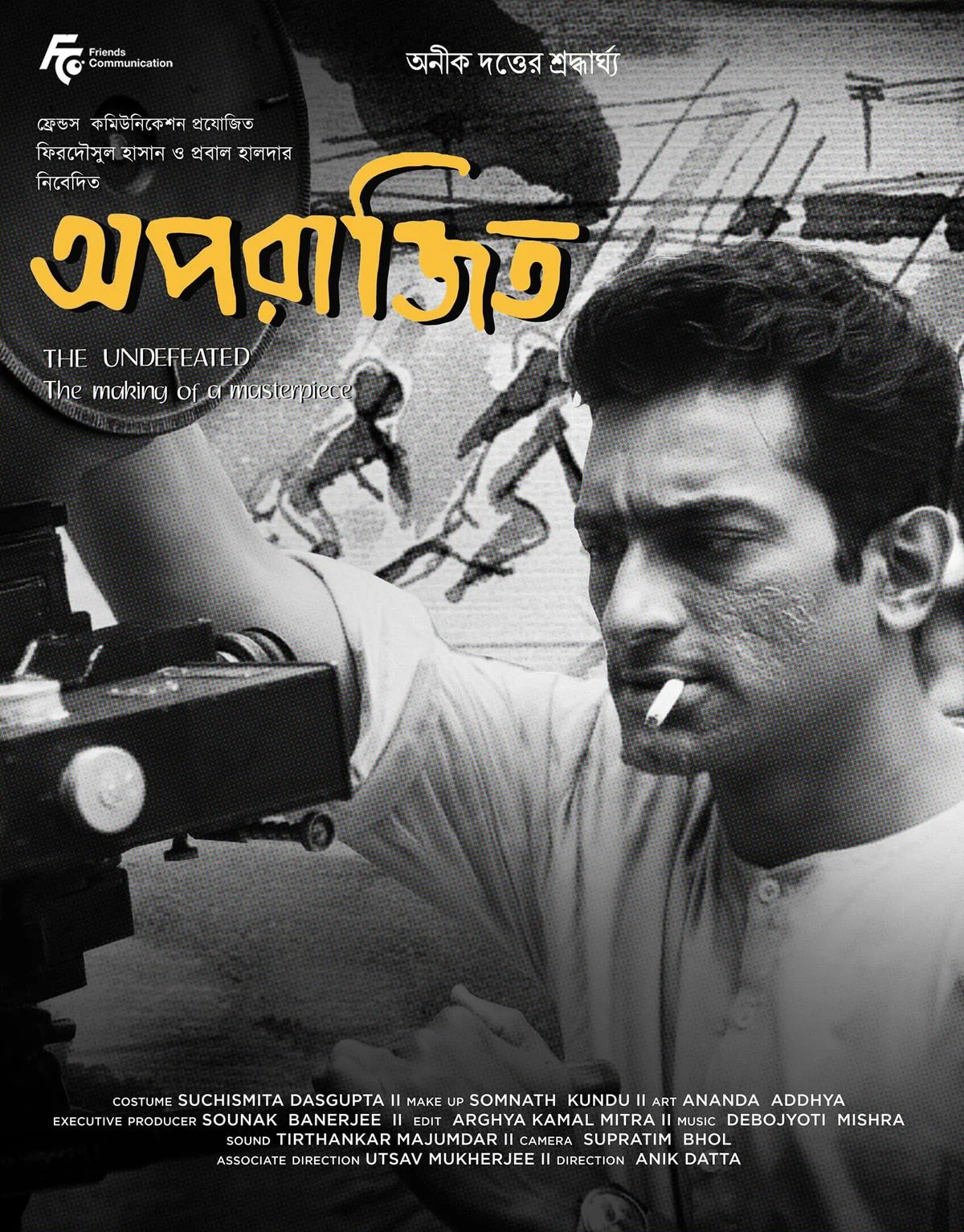
Despite his penchant for comedy, Anik Dutta approached his craft with immense seriousness. Sudeshna Roy points to his 2022 film, Aparajito, a daring reimagining of Satyajit Ray’s struggles during the making of Pather Panchali, as a testament to his ability to balance profound cinephilia with genuine accessibility. "It was incredible," Roy stated. "A biographical film that still kept audiences engaged. That was his gift. He made different films, but he made them watchable."
The Courage to Embrace the Master: Approaching Satyajit Ray
In Bengal, to create a film inspired by Satyajit Ray is akin to approaching a form of civic religion. Anik Dutta embarked on this ambitious endeavor with Aparajito (2022), a work that revisited the arduous journey behind the creation of Pather Panchali with remarkable tenderness and unwavering confidence.
Acclaimed filmmaker Goutam Ghose, a childhood acquaintance of Dutta and the current Sheriff of Kolkata, spoke of his profound respect for Dutta’s artistic integrity. "My younger brother, Aniruddha Ghose, was his classmate at Patha Bhavan school. We have met so many times at addas," Ghose shared. He described Aparajito as "a daring attempt handled intelligently." Adding with a quiet sadness, "He could have made so many more films. We have lost a truly skilled filmmaker."
There was a deep resonance in Dutta’s decision to revisit Ray’s legacy at this juncture in his career. Ray had, decades prior, chronicled the birth of modern Bengali cinematic language. Dutta, in turn, revisited this very creation myth, offering a cinema that folded inward, as if Bengal were dreaming its own dreams anew.
The Melancholy Beneath the Laughter: An Emotional Tapestry
For all their inherent humor, Anik Dutta’s films often resonated with the emotional landscape of contemporary Bengal: a pervasive sense of exhaustion, a quiet loneliness, a deep-seated disillusionment, and the persistent struggle for survival through wit and resilience.
Actor and magician Mumtaz Sorcar, who collaborated with Dutta on multiple projects, including Bhooter Bhabishyat, struggled to articulate her grief. "I’m still in denial," she confessed. "He was a perfectionist, a creative genius, but also someone deeply protective of the people he cared about."
Sorcar remembers him not just as a celebrated filmmaker but as an unexpectedly tender presence, someone who would fuss over her well-being and guide her with a paternalistic affection. "He was a fighter," she affirmed. "He stuck to his beliefs and his philosophy despite pressure." Sorcar expressed her desire to remember him through his body of work, "through the characters he gave us."
It is perhaps in this enduring spirit that Kolkata will remember Anik Dutta. Not through the circumstances of his passing, but through the vibrant, complex worlds he so masterfully created: anxious, articulate, hilariously funny, yet profoundly wounded worlds, populated by individuals striving desperately to maintain their dignity amidst the quiet collapse of their beloved city. His films are a lasting testament to his unique ability to find the profound in the mundane, the laughter in the tears, and the enduring spirit of Kolkata in every frame.
