

The allure of instant beauty transformations, amplified by the pervasive influence of social media, has led to a surge in demand for aesthetic procedures. From injectables and laser treatments to IV drips and regenerative therapies, a growing number of individuals are seeking these services outside traditional medical settings, opting for the convenience and perceived affordability of salons, wellness clinics, and even home-based practitioners. However, this trend is increasingly resulting in severe complications, ranging from persistent inflammation and infections to life-threatening conditions. Medical professionals are sounding the alarm, emphasizing that aesthetic procedures, regardless of their apparent simplicity, are fundamentally medical interventions that demand rigorous safety protocols and expert oversight.
The Growing Menace of Unsupervised Aesthetic Treatments
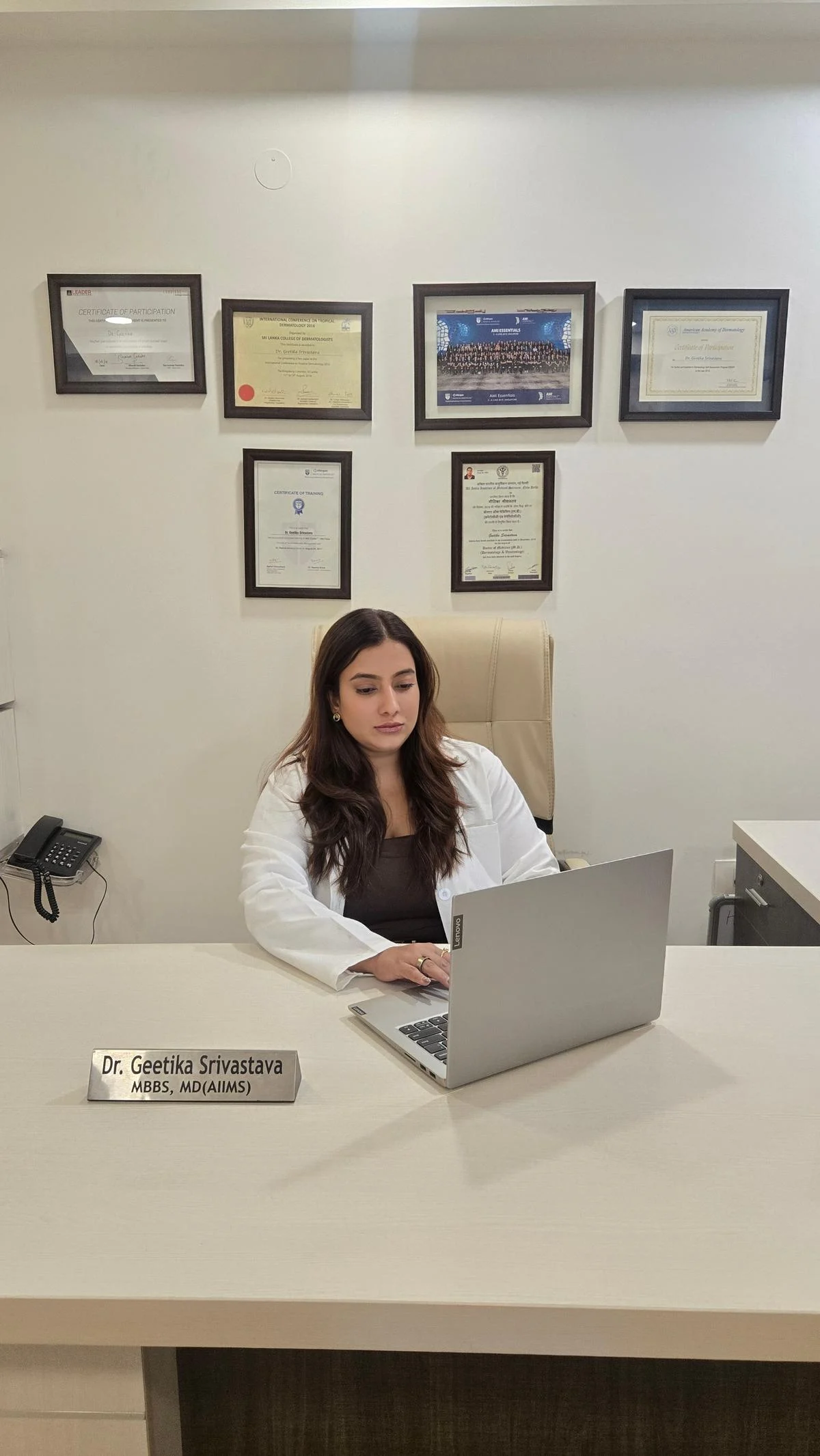
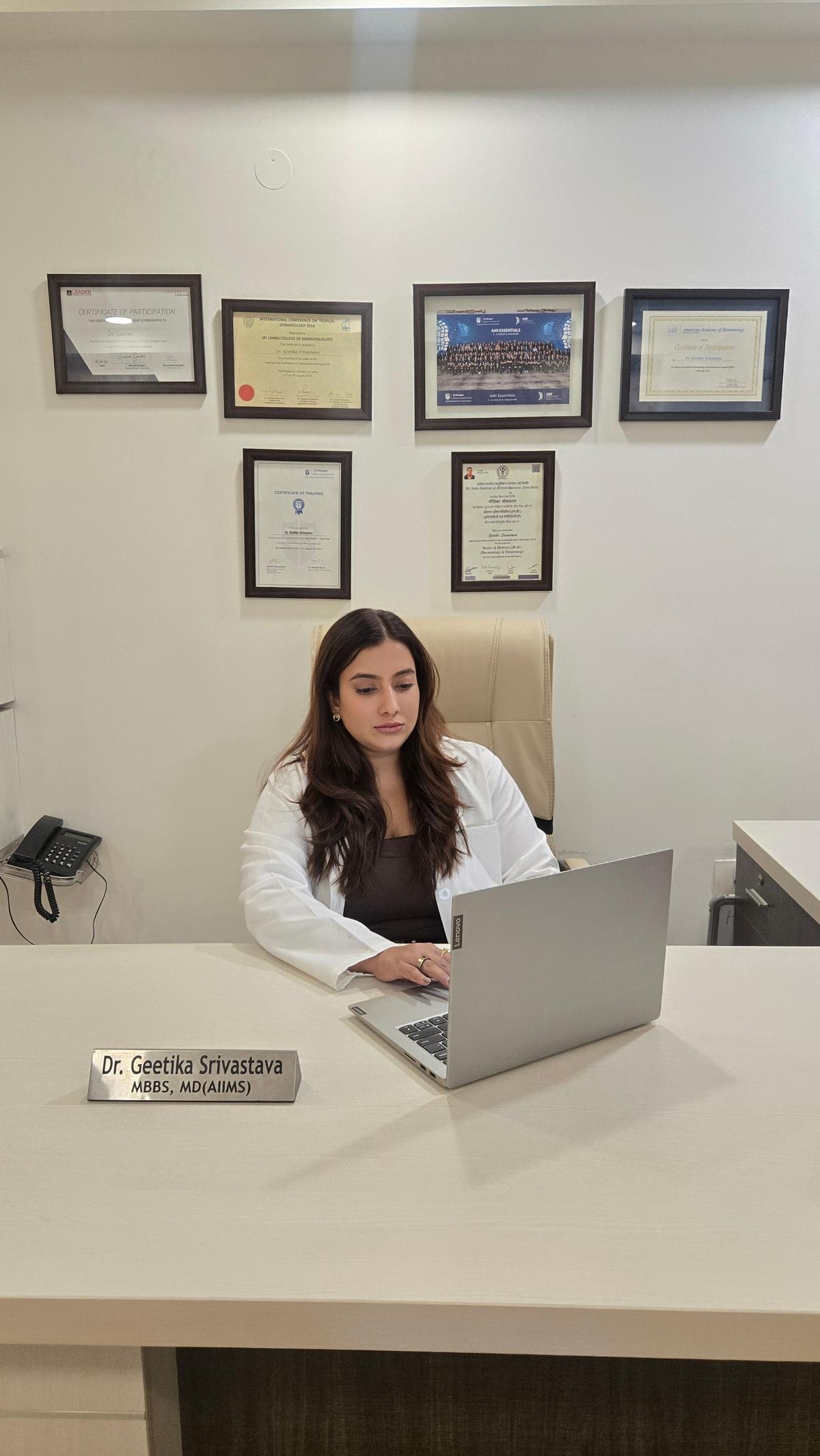
The landscape of aesthetic treatments has dramatically expanded beyond the confines of dermatologist and plastic surgeon clinics. A proliferation of beauty studios, wellness centers, and even individual practitioners are offering a wide array of services that carry inherent medical risks. Dr. Geetika Srivastava, a Delhi-based dermatologist and founder of Influennz Skin & Hair Clinic, Hauz Khas, vividly recounts the case of a patient who developed a granulomatous reaction – a formation of immune cell clusters – after an injectable treatment administered in a salon. "Adequate aseptic precautions were not followed," Dr. Srivastava explains. "What was meant to be a simple lunchtime procedure ended up leaving the patient with persistent bumps and inflammation for months."
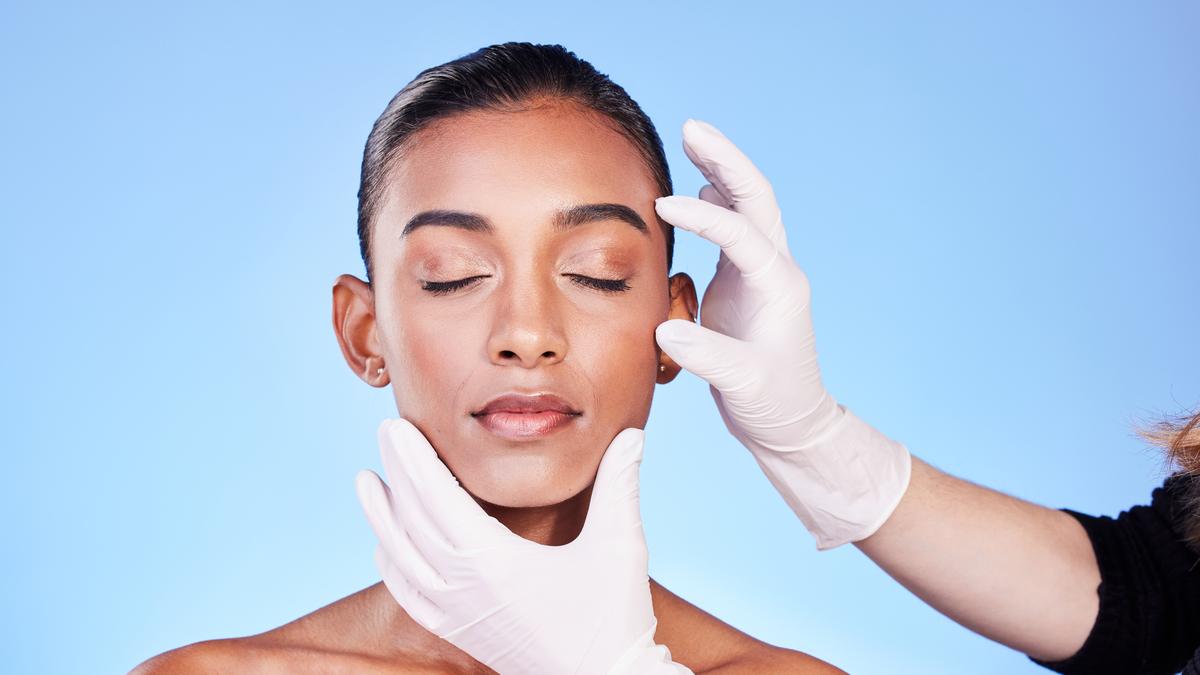
This is not an isolated incident. In her decade-long aesthetic practice, Dr. Srivastava has treated "innumerable patients" who have presented with a spectrum of complications following procedures performed without medical supervision. These include infections, abscesses, asymmetry after injectables, drooping eyelids post-Botox, burns from laser procedures, and even early signs of vascular compromise after fillers. She stresses that the issue lies not with the treatments themselves, but with the lack of expertise in those performing them. Crucial understanding of facial anatomy, patient selection, asepsis, risk assessment, and, most importantly, complication management are often absent in non-medical settings. "Aesthetic procedures may look simple on social media, but they are still medical procedures and should be approached with the same caution as any other medical treatment," she firmly believes.
A Clarifying Directive Amidst a Rising Tide of Risks
The growing concern surrounding these unsupervised treatments has prompted regulatory bodies to take action. The Central Drugs Standard Control Organisation (CDSCO) in New Delhi recently issued a public notice clarifying the definition of cosmetics and explicitly stating that "products supplied in the form of injectable preparation do not fall under the definition of cosmetics." This directive is considered a significant and much-needed step by medical professionals like Dr. Srivastava, who observes the rapid expansion of the beauty and aesthetics industry, particularly its influence on younger demographics. "As a result, many people undergo procedures without fully understanding the risks involved or the qualifications required to perform them safely," she notes.

Personal Accounts of Peril: When Beauty Becomes a Burden
The potential dangers are starkly illustrated by the experiences of individuals who have fallen victim to unregulated aesthetic practices. Aanchal Tripathi, founder of Papillon Public Relations, recounts her experience with customized IV drips offered at a wellness clinic as part of her pre-wedding beauty regimen. Seeking a quick fix for glow and weight management, she received a combination of L-carnitine, glutathione, and vitamins. While the initial drips seemed fine, months later, she experienced debilitating weakness, fever, and even falls, requiring stitches for facial injuries. Subsequent medical evaluations revealed that she had not needed the drips in the first place, and the clinic’s improper timing between infusions had severely disrupted her electrolyte balance and gut health. "I was constantly dehydrated, and even in the ICU twice. It took me a good six months to recover," she shared.
These incidents are not confined to injectables or IV drips. Chennai-based dermatologist Dr. Shwetha Rahul highlights the alarming rise in such cases, driven by the proliferation of wellness clinics and beauty studios offering services that should strictly be performed under medical supervision. These include Platelet-Rich Plasma (PRP) and Growth Factor Concentrate (GFC) therapies, exosome therapy, mesotherapy, and various vitamin and antioxidant IV drips. "There is no protocol in place in these clinics," Dr. Rahul states, adding that they often lack certified medical professionals. "Since hiring a dermatologist is expensive, they instead hire dentists or just an MBBS doctor." She further points out that non-doctors, including staff nurses with basic qualifications, are often enlisted for these procedures.
The Illusion of Expertise: "Cosmetologist" and the Lack of Regulation
Dr. Rahul expresses particular dismay at the prevalent use of the term "cosmetologist" in these unregulated settings. "There is no such thing as a Cosmetology degree in India, no recognised course," she asserts. "They just do a three-day or week-long course and begin doing all sorts of procedures." The trend extends to Ayush practitioners, who, despite lacking formal training in dermatology, are reportedly undertaking short courses to perform skin procedures like PRP and microneedling. This lack of standardized training and certification creates a fertile ground for medical errors and patient harm.
A Multitude of Risks: From Infections to Bloodborne Pathogens
The consequences of bypassing medical protocols are multifaceted and severe. Procedures involving blood, such as PRP, carry a significant risk of disease transmission, including HIV and hepatitis, if proper sterile techniques and patient identification protocols are not strictly adhered to. Dr. Rahul recalls a disturbing incident in New Mexico in 2024 where several women contracted HIV after opting for a "vampire facial" at a spa. "Any blood-drawing procedure requires proper protocol, inspection and record-keeping," she emphasizes.

This concern extends to any procedure involving injections or energy-based devices. Dr. Anmol Chugh, Associate Director & Head, Plastic & Aesthetic Surgery at CK Birla Hospital, Gurugram, firmly states that "Only trained doctors or licensed dermatologists ought to handle these." This includes injectables like Botox and fillers, as well as regenerative treatments like PRP and even the insertion of fine threads beneath the skin. He also advocates for clinical settings for procedures like chemical peels with potent formulas, microneedling, and laser treatments, warning that "Mistakes during these processes might lead to scars, uneven color, burns, or worse, an infection creeping in unnoticed."
Dr. Bindu Sthalekar, founder and medical director of Skin Smart Solutions, echoes these concerns. She has treated patients who developed swelling, unevenness, or infections after receiving fillers at non-medical centers. The issue often stems from incorrect injection techniques or a lack of sterile handling of the products. "If it pierces, penetrates, burns, or claims to medically transform your skin, it belongs in a clinic," she asserts.
The Line Between Maintenance and Medical Intervention
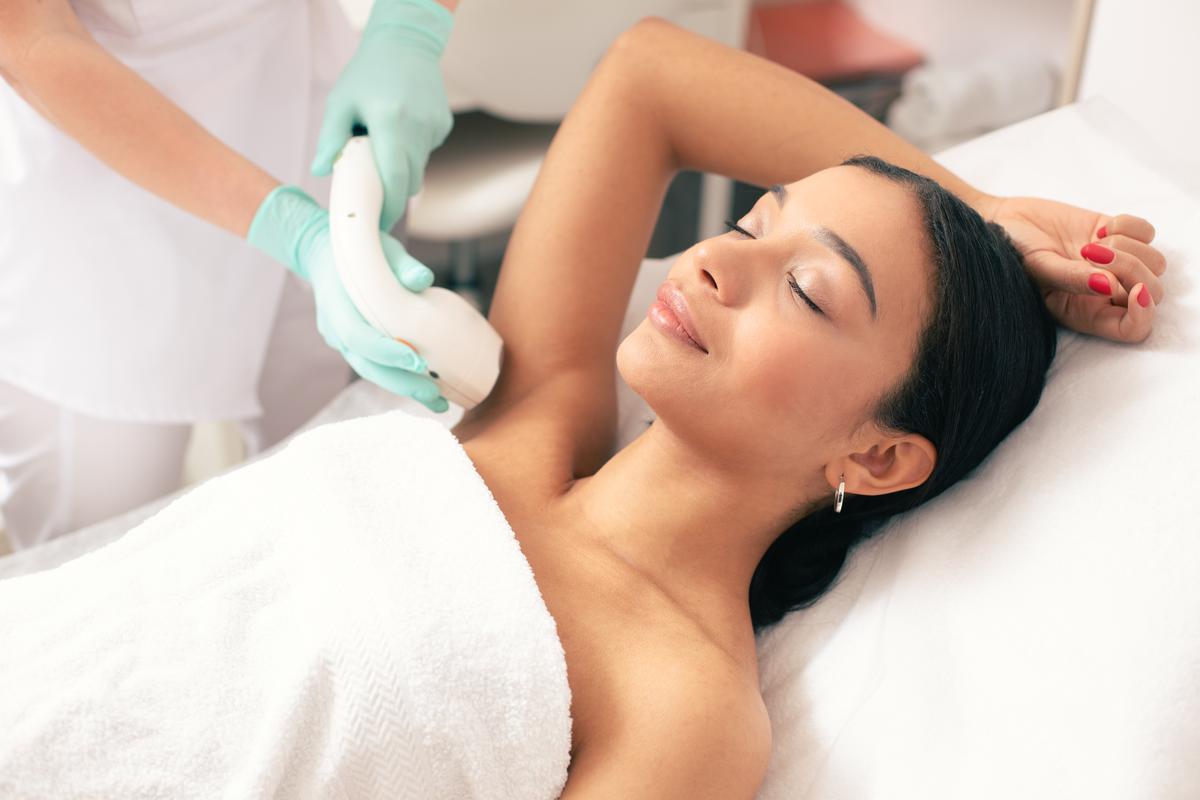
According to medical experts, the only procedures that can be safely performed in a non-clinic environment are routine grooming and maintenance services like waxing, haircuts, pedicures, manicures, and oil massages. Even seemingly routine procedures like laser hair removal, which has become widely available in salons and through freelance practitioners, should not be performed without direct medical oversight. Zeishah Amlani, a Bengaluru-based media professional, learned this the hard way after finding a laser hair removal practitioner via social media. While the initial session with a senior dermatologist seemed promising, subsequent sessions were handled by different individuals. During one such treatment, a lack of proper protection for her tattoo led to a burn.
Dr. Sthalekar explains that lasers are highly technique-sensitive, particularly for Indian skin, which is more prone to pigmentation and burns. While technicians can operate the machines, they may lack the crucial medical training to identify complications or make critical judgment calls during the procedure. "A technician may know how to operate the machine, but they may not always have the medical training to identify complications early or make judgment calls during the procedure," she states. Medical judgment, she emphasizes, cannot be replaced by technical know-how.

Regulatory Scrutiny and the Path Forward
While the CDSCO clarification is a welcome development, the onus of safety ultimately rests on the consumer. The principle of "caveat emptor" – let the buyer beware – is paramount when considering aesthetic procedures. Dr. Geetika advises patients to undertake thorough research on both the procedure and the practitioner. "I usually tell patients to do two things: read about the procedure and read about the doctor," she says.
Dr. Anmol Chugh concurs, urging individuals to verify the credentials of the person performing the treatment, ensuring they are a certified plastic surgeon or dermatologist operating from an official clinic. Patients should inquire about the practitioner’s experience, the tools and products used, and be wary of exaggerated claims or unrealistically low prices often advertised on social media. A genuine consultation will involve honest discussions, informed consent, a sterile environment, and clear post-procedure recovery instructions. "Appearance changes need trained hands, not just willing ones. Skipping medical settings can mean skipping safeguards, too," he concludes. The pursuit of beauty should never come at the expense of health and safety, and a clear understanding of the medical nature of these procedures is the first step towards ensuring that.
