

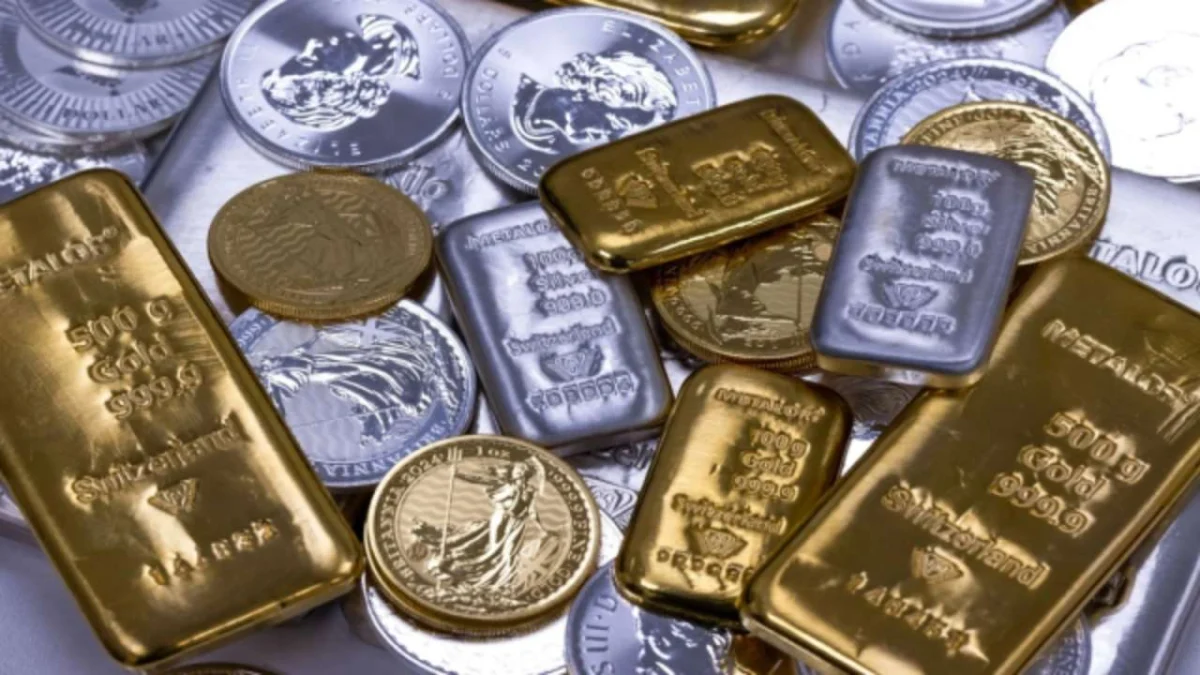
Mumbai, India – September 4, 2026 – The Indian precious metals market today witnessed a significant uptick in gold and silver prices, driven by a complex interplay of global economic shifts, robust local demand, and fluctuating currency exchange rates. As investors worldwide grapple with persistent inflationary pressures and geopolitical uncertainties, the traditional safe-haven appeal of gold continues to shine brightly, while silver’s dual role as an industrial metal and investment asset sees its value climb. This comprehensive analysis breaks down the current market scenario, explores the underlying factors influencing prices, and examines the implications for both investors and consumers across the nation.
Gold and Silver Prices Surge Amidst Global Volatility on September 4, 2026
The morning of September 4, 2026, opened with a pronounced upward movement in India’s gold and silver markets. This surge reflects a broader trend of heightened investor interest in precious metals as a hedge against the backdrop of an unpredictable global economic landscape. The demand for tangible assets remains strong, reinforcing gold’s enduring status as a store of value.
A Snapshot of Today’s Precious Metal Markets
As of today, the national average for 24K gold (999 pure gold) stood at a notable ₹15,676 per gram, while 22K gold, commonly preferred for jewellery due to its durability, was priced at ₹14,369 per gram. This slight yet significant increase is primarily attributed to sustained global demand and the pervasive inflationary pressures that are reshaping economic policies worldwide.
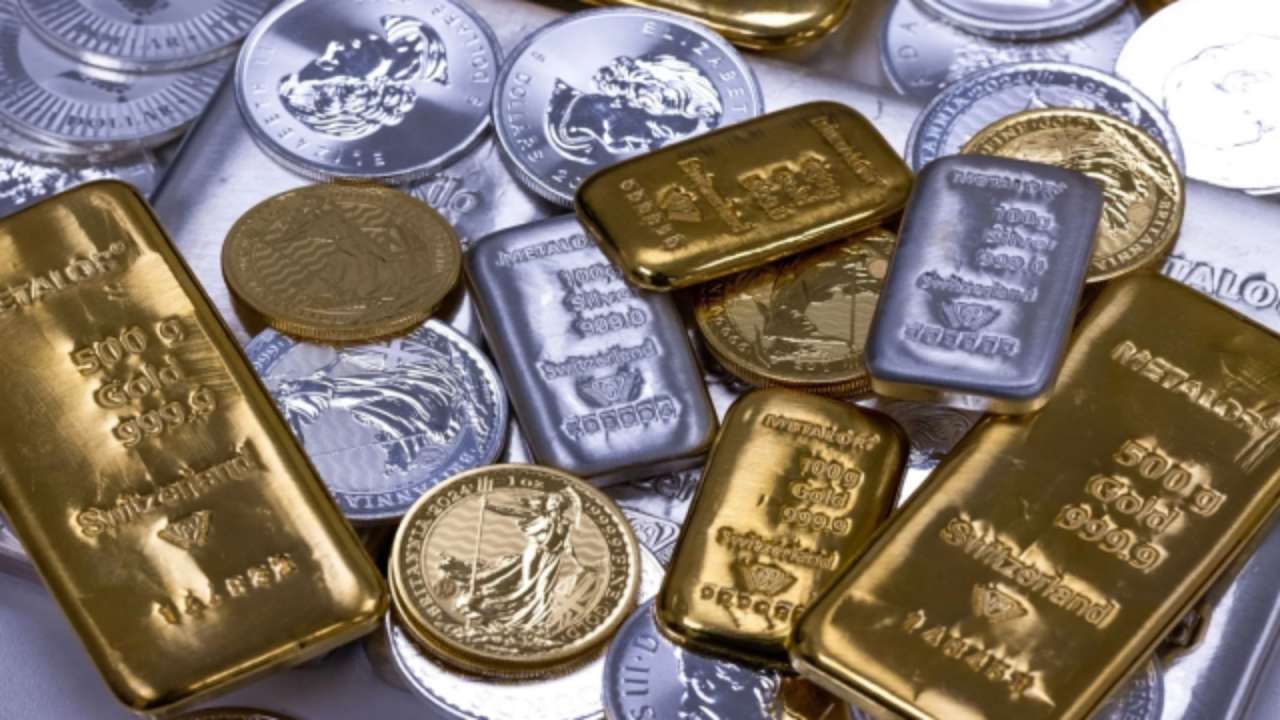
Silver, often considered gold’s more volatile counterpart, also demonstrated considerable strength. The price for 999 pure silver reached approximately ₹2,54,900 per kilogram, or ₹2,549 per 10 grams. Sterling silver (925 purity) followed suit, priced at ₹2,54,000 per kilogram. The market, however, presented a regional anomaly, with Chennai reporting a notably higher silver price of ₹2,599 per 10 grams, hinting at specific local demand dynamics.
These price points are not isolated figures but are intricately linked to a confluence of macroeconomic factors. International gold prices, the prevailing exchange rate of the US Dollar against the Indian Rupee (USD-INR), and robust domestic jewellery demand – particularly as the country anticipates its vibrant festive season – collectively dictate the daily valuations seen across Indian cities. The Indian consumer, therefore, navigates a constantly shifting market, where global tides meet local currents to determine the cost of their cherished metals.
Understanding Gold Purity: 24K vs. 22K
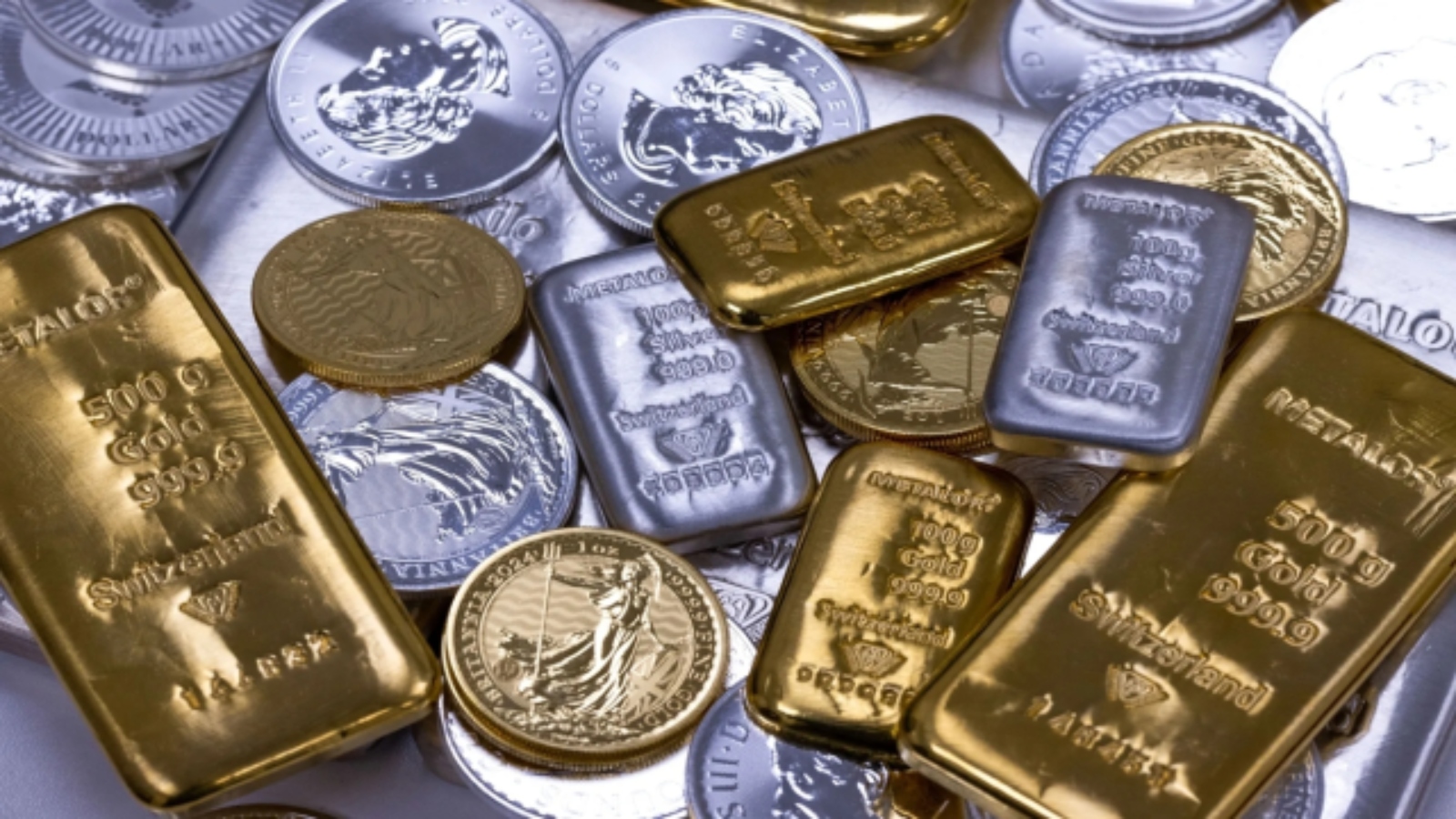
For the uninitiated, understanding the distinction between 24K and 22K gold is crucial, especially when making investment or purchase decisions. 24K gold, also referred to as 999 pure gold, signifies the highest level of purity, containing 99.9% pure gold. Its extreme malleability makes it unsuitable for intricate jewellery designs, which typically require stronger alloys. Consequently, 24K gold is primarily favored by investors in the form of gold bars, coins, and digital gold, where its purity directly correlates with its intrinsic value. Its price per gram is always the highest due to this unadulterated composition.
)
22K gold, on the other hand, contains 91.67% pure gold, with the remaining 8.33% composed of other metals like copper, silver, or zinc. This alloying process enhances the gold’s durability, making it significantly more resistant to wear and tear, and thus ideal for crafting the intricate and robust jewellery pieces that are a hallmark of Indian culture. While 22K gold commands a lower price per gram than 24K due to its reduced purity, its practical applications in jewellery make it the preferred choice for consumer purchases, particularly during auspicious occasions and weddings. The price difference between these two purities reflects this compositional variation, ensuring that consumers can choose according to their purpose – pure investment or wearable art.
Silver’s Dual Appeal: Investment and Industrial Demand
Silver’s market dynamics are uniquely complex, driven by its dual nature as both a precious metal and an industrial commodity. While it shares gold’s appeal as a safe-haven asset, especially during economic downturns, its industrial applications significantly influence its price trajectory. Silver is an indispensable component in a wide array of high-tech industries, including solar panels, electronics, electric vehicles (EVs), medical devices, and photography. This broad industrial utility means that global economic health and technological advancements have a direct and often immediate impact on silver demand and, consequently, its price.
In India, silver holds substantial cultural and economic significance, often serving as a more accessible investment alternative to gold for a broader segment of the population. Silver ornaments are particularly prevalent in certain regions, reflecting traditional preferences and affordability. The metal is also widely used for religious artifacts, household items, and as a popular gifting option. This robust local demand, combined with its strong industrial consumption, makes silver a compelling, albeit more volatile, investment. Its price fluctuations are thus a sensitive barometer of both investor sentiment and the pulse of global manufacturing.

Tracing the Trajectory: A Look Back at Precious Metal Performance
The current prices of gold and silver on September 4, 2026, are not merely snapshot figures but rather the culmination of a series of global and domestic economic events that have shaped market sentiment and investor behavior over the past several months and even years. Understanding this chronology is essential to grasping the forces at play today.
The Recent Rally: What Drove Gold’s Upward Movement?
The recent upward trajectory of gold prices can be largely attributed to a sustained period of global economic uncertainty, dating back to the lingering effects of the early 2020s’ economic disruptions. Geopolitical tensions, persistent inflationary pressures across major economies, and the dovish monetary policies adopted by several central banks have created a fertile ground for safe-haven assets. Investors, wary of currency debasement and stock market volatility, have increasingly turned to gold as a reliable store of wealth.
Throughout 2025 and into the first half of 2026, central banks, including the Reserve Bank of India, navigated a delicate balance between controlling inflation and supporting economic growth. While interest rate hikes in some regions tempered inflation, the underlying fear of a global slowdown or even recession kept risk aversion high. This environment naturally pushed capital towards gold. Moreover, significant purchases by central banks globally, seeking to diversify their reserves away from traditional fiat currencies, have provided a strong demand floor for gold, contributing to its steady appreciation. The "inflationary pressures" mentioned in today’s report are a direct continuation of these long-standing concerns, with rising energy costs and supply chain disruptions further fueling price increases and bolstering gold’s appeal as a hedge.
)
Silver’s Volatility: A Story of Industrial Recovery and Speculative Interest
Silver’s journey has been marked by greater volatility, a characteristic inherent in its dual nature. While it often mirrors gold’s movements as a precious metal, its significant industrial demand introduces another layer of price drivers. Following global economic slowdowns, many industrial sectors experienced a dip in demand, consequently impacting silver prices. However, as global economies began to recover in late 2025 and early 2026, particularly with the acceleration of green energy initiatives and the expansion of the electronics sector, industrial demand for silver surged.
The burgeoning solar industry, with its increasing need for silver in photovoltaic cells, and the rapid expansion of electric vehicle manufacturing, which utilizes silver in various electronic components, have been key catalysts. This robust industrial consumption, coupled with renewed speculative interest from institutional investors who view silver as an undervalued asset with high growth potential, has propelled its prices upwards. However, unlike gold, silver remains susceptible to sharper corrections if industrial output falters or if broader economic sentiment sours, reflecting its higher beta compared to gold. The current prices reflect a buoyant industrial outlook combined with healthy investment appetite.
The Rupee Factor: How Currency Exchange Rates Influence Domestic Prices
A critical, often overlooked, factor in India’s precious metal prices is the exchange rate between the Indian Rupee (INR) and the US Dollar (USD). Since international gold and silver are primarily traded in US Dollars, a weaker Rupee makes these imported commodities more expensive when converted into local currency, even if global dollar prices remain stable. Conversely, a stronger Rupee can temper domestic price increases.
)
Throughout 2025 and 2026, the USD-INR exchange rate has experienced its own set of fluctuations, influenced by factors such as India’s trade deficit, foreign institutional investment flows, and the Reserve Bank of India’s (RBI) monetary policy. The RBI’s actions, whether through interest rate adjustments or market interventions, aim to stabilize the Rupee, but global capital movements and economic data from both India and the US constantly exert pressure. When the Rupee depreciates, as it has periodically due to global capital outflows or a strengthening dollar, it directly translates into higher gold and silver prices for Indian consumers and investors, adding another layer to the complex pricing mechanism witnessed today. This currency dynamic is a foundational element in understanding why domestic prices can sometimes deviate from purely international trends.
Dissecting the Data: City-Wise Rates and Market Dynamics
The Indian precious metals market is not monolithic; prices can vary significantly from one city to another due to a myriad of local factors. While global benchmarks set the overarching trend, regional demand, logistics, and state-specific taxes contribute to the final price consumers encounter. The data from September 4, 2026, provides a clear illustration of these granular differences.
Gold Rates Across Major Indian Metros
As reported by sources like Good Returns, the city-wise gold rates on September 4, 2026, showcase interesting variations:
)
- Gold prices in Delhi:
- The current price of 24K gold in Delhi is ₹15,691 per gram.
- The current price of 22K gold in Delhi is ₹14,384 per gram.
- Gold prices in Mumbai:
- The current price of 24K gold in Mumbai is ₹15,676 per gram.
- The current price of 22K gold in Mumbai is ₹14,369 per gram.
- Gold prices in Kolkata:
- The current price of 24K gold in Kolkata is ₹15,676 per gram.
- The current price of 22K gold in Kolkata is ₹14,369 per gram.
- Gold prices in Chennai:
- The current price of 24K gold in Chennai is ₹15,676 per gram.
- The current price of 22K gold in Chennai is ₹14,369 per gram.
A close examination reveals that while Mumbai, Kolkata, and Chennai share identical gold prices for both 24K and 22K varieties, Delhi stands out with slightly higher rates. This marginal difference in Delhi can be attributed to several factors. Delhi, being a major commercial hub and the capital, often experiences high demand, particularly from the surrounding regions. Additionally, local taxes, transportation costs for imported gold from ports, and the specific market structure of the National Capital Region can contribute to these minor price discrepancies. The consistency across Mumbai, Kolkata, and Chennai, all major port cities and financial centers, suggests a more harmonized pricing mechanism influenced by direct import channels and robust internal distribution networks. These minor variations, though seemingly small, can impact large-volume purchases for both investors and bulk buyers, highlighting the importance of checking local rates.
Silver Prices: A Geographical Nuance
Similar to gold, silver prices also exhibit regional differences, with Chennai once again showing a distinct pricing structure on September 4, 2026:
- Silver price in Delhi today:
- The current price of Silver 999 in Delhi is ₹2,549 per 10 grams.
- Silver price in Mumbai today:
- The current price of Silver 999 in Mumbai is ₹2,549 per 10 grams.
- Silver price in Kolkata today:
- The current price of Silver 999 in Kolkata is ₹2,549 per 10 grams.
- Silver price in Chennai today:
- The current price of Silver 999 in Chennai is ₹2,599 per 10 grams.
The most striking observation here is Chennai’s significantly higher price for 999 pure silver compared to Delhi, Mumbai, and Kolkata. At ₹2,599 per 10 grams, Chennai’s silver commands a premium of ₹50 over other major metros. This disparity is likely driven by the robust cultural affinity for silver in South India. States like Tamil Nadu have a strong tradition of using silver for jewellery, religious idols, and household items, leading to consistently higher local demand. This heightened demand, coupled with potential regional logistical costs, specific local taxes or levies, and the inventory levels of local suppliers, can collectively contribute to a higher market price in Chennai. This highlights how deeply cultural practices and regional consumption patterns can influence the pricing of precious metals, creating unique market dynamics within a seemingly unified national market.
)
The Interplay of Global Benchmarks and Local Premiums
The pricing of gold and silver in India is a sophisticated dance between global benchmarks and local market forces. International gold prices are primarily dictated by global commodity exchanges like COMEX in New York and the London Bullion Market Association (LBMA) fix, which serves as a global benchmark. These international prices are influenced by factors such as the strength of the US Dollar, global interest rates, geopolitical events, and overall market sentiment.
Once the international price is established in US Dollars, it is converted into Indian Rupees using the prevailing USD-INR exchange rate. To this base price, India adds customs duties, Goods and Services Tax (GST), and other local levies, which further increase the domestic cost. Beyond these fixed charges, the concept of "premiums" and "discounts" comes into play. A premium signifies that local demand outstrips supply, leading sellers to charge more than the international landed cost. Conversely, a discount indicates excess supply or subdued demand. India, being one of the largest consumers of gold globally, often trades at a premium, especially during peak demand periods like the festive and wedding seasons.
The Multi Commodity Exchange of India (MCX) plays a crucial role in price discovery for both gold and silver within India, providing a platform for transparent trading and hedging. The interplay of these global benchmarks, government policies, and the intricate supply-demand dynamics within various Indian cities ultimately determines the daily prices, making the market both dynamic and complex for all participants.
)
Expert Voices and Regulatory Perspectives on Precious Metal Trends
To fully understand the current state and future trajectory of India’s precious metals market, it is imperative to consider the insights from financial analysts, economists, and regulatory bodies. Their perspectives offer valuable context to the observed price movements and potential future developments.
Analysts Weigh In: Short-Term Volatility, Long-Term Stability
Financial analysts widely concur that the current surge in gold and silver prices is not an isolated event but a reflection of deep-seated global economic anxieties. "The ongoing global economic uncertainties, particularly concerning inflation and the potential for a growth slowdown in major economies, are consistently driving investors towards safe-haven assets," states Dr. Ananya Sharma, a Senior Economic Analyst at Praxis Capital. "Gold, with its historical track record as a store of value, naturally benefits from this risk-off sentiment. We are seeing a flight to quality that transcends short-term market noise."
Regarding gold’s immediate future, many experts predict continued volatility but a general upward bias. "While we might see intermittent corrections as market sentiment shifts or central banks adjust their rhetoric, the underlying bullish trend for gold is likely to persist through 2026 and into 2027," comments Mr. Rajeev Mehta, Head of Commodity Research at InvestRight Securities. "Central banks globally are still navigating complex economic recovery paths, and this cautious approach, coupled with sustained inflationary pressures, provides a strong tailwind for gold prices." He further notes that geopolitical flashpoints, whenever they arise, act as immediate catalysts for price spikes, underscoring gold’s role as a crisis hedge.
)
Silver, however, elicits a more nuanced outlook among analysts. "Silver’s performance is intrinsically linked to industrial activity," explains Ms. Priya Singh, a metals market strategist. "While the global push for renewable energy and electric vehicles provides a robust demand narrative for silver, any significant slowdown in global manufacturing or a severe economic contraction could introduce considerable downside risk. It offers higher beta exposure compared to gold, meaning it can see larger percentage swings, both up and down." Some analysts remain bullish on silver due to its increasing use in emerging technologies, while others caution about its sensitivity to economic cycles, advocating for a balanced approach for investors.
Government and RBI Stance on Gold Imports and Currency Stability
The Indian government and the Reserve Bank of India (RBI) play pivotal roles in shaping the domestic precious metals market through their policies on imports, duties, and currency management. Gold imports, being a significant drain on India’s foreign exchange reserves, are closely monitored. The government periodically adjusts customs duties on gold, aiming to strike a balance between curbing non-essential imports and meeting legitimate demand. Any increase in import duty directly translates to higher domestic prices. In early 2026, there were discussions within the Ministry of Finance regarding potential adjustments to import duties to either stabilize the Rupee or control inflation, though specific policy changes impacting today’s prices were not immediately apparent.
The RBI’s primary mandate of maintaining price stability and managing the Rupee’s exchange rate indirectly yet powerfully influences precious metal prices. A strong Rupee makes imports cheaper, including gold and silver, while a weakening Rupee has the opposite effect. The RBI’s interventions in the foreign exchange market, its interest rate decisions, and its overall monetary policy stance are therefore critical indicators for the precious metals market. Any signal of a shift towards a more hawkish or dovish stance by the RBI can trigger movements in the USD-INR pair, subsequently impacting the domestic cost of gold and silver. Moreover, the RBI’s own strategic gold purchases for its reserves provide an additional layer of demand that influences global pricing.
)
Consumer Sentiment and Festive Demand Forecasts
Consumer sentiment in India is arguably one of the most powerful drivers of domestic gold and silver demand. With September 2026 heralding the approach of the auspicious festive season, including Navaratri and Diwali, as well as the peak wedding season, demand for precious metals traditionally surges. Jewellers and market analysts are closely monitoring consumer behavior in light of the current high prices.
"Despite the elevated prices, the cultural significance of gold in India ensures a baseline demand during festivals and weddings," notes Mr. Suresh Kumar, President of the All India Gem and Jewellery Domestic Council. "While some consumers might defer non-essential purchases or opt for lighter jewellery designs, the investment aspect and traditional gifting value will likely sustain robust buying activity. We anticipate a strong festive season, albeit with a possible shift in purchasing patterns towards smaller denominations or lower-carat gold."
The market also observes a trend where some consumers view rising prices not as a deterrent but as a confirmation of gold’s investment potential, leading to further purchases. However, sustained high prices over a prolonged period could lead to a tempering of demand, as affordability becomes a greater concern for the average household. Silver, being a more affordable option, might see an increased uptake during these periods, especially in regions where it holds strong traditional value. The current high prices reflect, in part, the anticipation of this impending festive demand, with retailers stocking up and consumers making pre-festival purchases.
)
Navigating the Future: Implications for Investors and Consumers
The current market conditions for gold and silver present both challenges and opportunities for various stakeholders. Understanding the long-term implications and adapting investment strategies are paramount in this dynamic environment.
Investment Strategies in a Volatile Market
For investors, the present scenario reaffirms gold’s enduring role as a critical component of a diversified portfolio. Its function as a hedge against inflation and economic uncertainty is particularly pronounced in the current climate. In times of currency devaluation and geopolitical instability, gold has historically preserved purchasing power, making it an attractive asset. Investors looking to capitalize on gold’s safe-haven appeal have several avenues:
- Physical Gold: This includes purchasing gold bars, coins, or even jewellery. While physical gold offers tangible security, it comes with storage costs and concerns about purity and making charges (for jewellery).
- Gold Exchange Traded Funds (ETFs): These offer a convenient way to invest in gold without the need for physical storage. Gold ETFs track the domestic price of physical gold, providing liquidity and transparency.
- Sovereign Gold Bonds (SGBs): Issued by the Reserve Bank of India on behalf of the government, SGBs are an excellent option for long-term investors. They offer annual interest, eliminate storage risks, and provide capital gains tax exemption upon maturity if held for 8 years.
- Digital Gold: Platforms offering digital gold allow investors to buy and sell gold in small denominations, backed by physical gold stored in vaults.
Silver, while more volatile, also presents compelling investment opportunities, especially for those seeking exposure to industrial growth and a higher beta asset. Its increasing use in green technologies positions it well for future demand. Investors can consider physical silver (bars, coins) or silver ETFs, though they should be prepared for more significant price swings. Diversification across both gold and silver, tailored to individual risk appetites, is often recommended by financial advisors.
)
Impact on the Jewellery Sector and Consumer Behavior
The sustained high prices of gold and silver pose a significant challenge to the Indian jewellery sector. Jewellers face increased inventory costs, making it more expensive to stock up on precious metals. This can lead to tighter profit margins and potentially reduced sales volumes if consumers pull back. Many jewellers are adapting by promoting lighter jewellery designs, offering more affordable options in lower caratage gold (though less common in India), or innovating with alternative materials and designs that incorporate less gold.
Consumer behavior is also evolving. While the cultural importance of gold means demand will never fully disappear, affordability is becoming a growing concern. Consumers may:
- Defer Purchases: Postpone non-essential gold purchases, waiting for potential price corrections.
- Opt for Lighter Jewellery: Choose pieces with lower gold weight to fit their budget.
- Re-purpose Old Gold: Melt down old or unused jewellery to create new pieces, thus saving on the cost of fresh gold.
- Shift to Silver or Diamonds: Explore other precious metals or gemstones as alternatives for gifting and personal use.
- Invest in Digital Gold/SGBs: Separate the investment aspect of gold from its ornamental use, opting for non-physical forms for investment.
Despite these adjustments, the deeply ingrained cultural significance of gold in India, particularly for weddings and festivals, means that a certain level of demand will always persist, often overriding immediate price concerns for emotionally significant purchases.
)
The Road Ahead: Key Factors to Watch
The future trajectory of gold and silver prices in India will continue to be shaped by a complex interplay of global and domestic factors. Investors and consumers should closely monitor several key indicators:
- Global Economic Growth and Inflation: Persistent high inflation or fears of a global recession will likely sustain demand for safe-haven assets. Conversely, strong, stable growth with controlled inflation could reduce gold’s appeal.
- Central Bank Monetary Policies: Decisions by major central banks (US Federal Reserve, ECB, RBI) on interest rates and quantitative easing/tightening will significantly influence currency movements and investor sentiment towards riskier assets versus precious metals.
- Geopolitical Stability: Any escalation of international conflicts or political instability will almost certainly boost gold’s safe-haven demand.
- US Dollar Strength: A stronger US Dollar typically puts downward pressure on dollar-denominated commodities, while a weaker dollar can make them more attractive.
- Crude Oil Prices: As a major driver of inflation and a bellwether for global economic activity, crude oil prices indirectly impact precious metals.
- Domestic Demand Patterns: The strength of India’s festive and wedding seasons will remain a crucial determinant of local demand and premiums. Government policies on gold imports and duties will also play a role.
- Technological Advancements: For silver, continued growth in renewable energy, electronics, and electric vehicles will be vital for sustaining industrial demand.
In conclusion, as of September 4, 2026, the Indian precious metals market reflects a world grappling with economic uncertainty and a robust domestic appetite for gold and silver. While short-term volatility is expected, the long-term outlook for these metals appears resilient, underpinned by their intrinsic value, cultural significance, and crucial roles in both investment portfolios and industrial applications. Navigating this market successfully will require vigilance, informed decision-making, and an understanding of the intricate forces that continue to shape the destiny of gold and silver.
