

PERSONAL FINANCE
New Delhi, India – July 23, 2026 – India’s precious metals markets are once again under the spotlight, as gold and silver prices continue their upward trajectory, driven by a complex interplay of global economic forces, robust domestic demand, and fluctuating currency exchange rates. As of July 23, 2026, the cost of these coveted commodities reflects a persistent bullish sentiment, signaling both challenges and opportunities for consumers and investors alike.
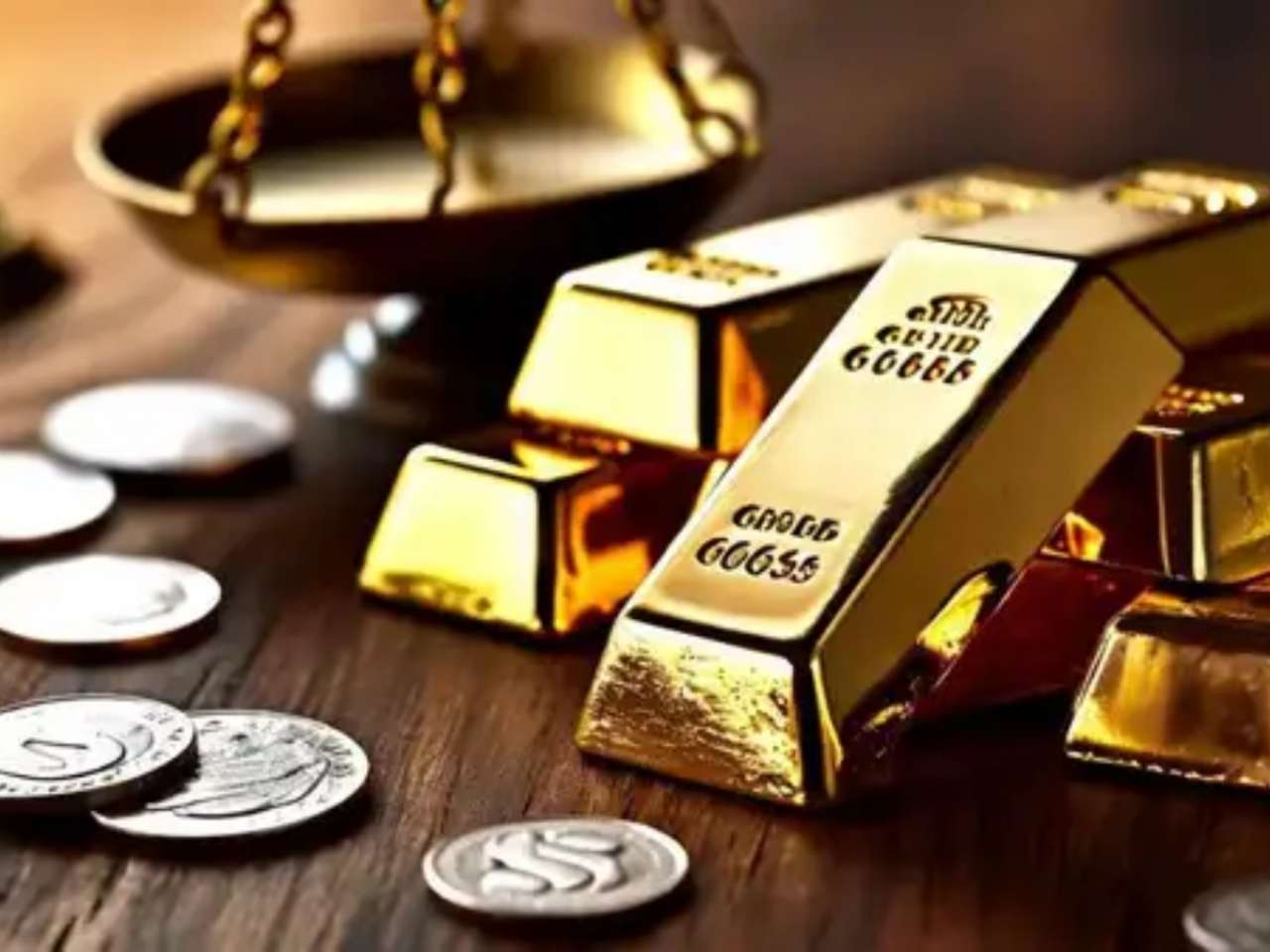
The nation, a perennial leader in gold consumption, is witnessing a significant premium on its precious metal rates, a trend closely monitored by millions who view gold and silver not just as ornaments but as vital financial assets and cultural cornerstones.
(Image: Gold and Silver prices today, July 23, 2026: Check city-wise rates in Delhi, Mumbai, Chennai, Kolkata and more – [Image Placeholder – as per original request])
)
Current Market Snapshot: Main Facts
Today, July 23, 2026, gold prices in India have registered a notable increase, primarily attributed to heightened global demand and persistent inflationary pressures across major economies. The benchmark price for 24K gold (999 pure gold) stands at Rs 14,347 per gram, while 22K gold (91.67% pure, commonly used in jewellery) is priced at Rs 13,151 per gram.
Silver, often considered gold’s more volatile counterpart, has also seen a significant appreciation. The price of 999 pure silver is approximately Rs 2,35,100 per kilogram, with Silver 925 (sterling silver) trading at Rs 2,34,000 per kilogram. These figures underscore a broader trend of investors flocking to safe-haven assets amidst a landscape of economic uncertainties and geopolitical shifts.

The city-wise variations, though slight, highlight local market dynamics, including regional taxes and logistical costs. Delhi, for instance, records 24K gold at Rs 14,362 per gram, and 22K gold at Rs 13,166 per gram, marginally higher than Mumbai, Kolkata, and Chennai, which largely align with the national average. Similarly, silver prices show minor fluctuations, with Chennai’s 999 silver at Rs 2349 per 10 grams, slightly below other major metros.
A Look Back: Chronology of Price Movements
The current elevated prices for gold and silver are not an isolated event but rather the culmination of several macroeconomic and geopolitical developments over the past few years, extending into the present. The period leading up to July 2026 has been characterized by a volatile yet generally upward trend for precious metals.
)
Early 2020s (Post-Pandemic Recovery & Inflation Surge): Following the initial shock of the global pandemic, central banks worldwide embarked on unprecedented monetary easing, injecting liquidity into economies. This, combined with supply chain disruptions, laid the groundwork for significant inflationary pressures. Gold, traditionally an inflation hedge, began its steady climb as investors sought to protect their purchasing power. Silver, with its dual role as a precious metal and an industrial commodity, also benefited from both investment demand and a resurgence in industrial activity.
2023-2024 (Geopolitical Tensions & Interest Rate Hikes): The mid-2020s saw a complex interplay of factors. Geopolitical tensions in Eastern Europe and the Middle East intensified, fueling safe-haven demand for gold. Simultaneously, major central banks, including the US Federal Reserve and the Reserve Bank of India (RBI), initiated aggressive interest rate hiking cycles to combat persistent inflation. While higher interest rates typically make non-yielding assets like gold less attractive, the enduring inflation narrative and geopolitical instability largely counteracted this pressure, keeping gold prices resilient. Silver’s industrial demand also remained robust, supported by the global push towards renewable energy (solar panels) and electric vehicles, where silver is a critical component.
)
2025 (Economic Slowdown Concerns & Central Bank Accumulation): As 2025 progressed, fears of a global economic slowdown or even a mild recession began to surface. This renewed interest in safe-haven assets, further bolstering gold’s appeal. Crucially, central banks globally, particularly in emerging markets, significantly increased their gold reserves, viewing it as a strategic asset for diversification and stability amidst a shifting global economic order. This institutional buying provided a strong floor for gold prices. Silver continued to track gold’s movements, augmented by sustained demand from the electronics and automotive sectors.
H1 2026 (Persistent Inflation & Currency Volatility): The first half of 2026 has seen a continuation of these trends. Despite efforts to curb inflation, several economies, including India, continue to grapple with elevated price levels. The US Dollar, while strong at times, has experienced periods of volatility, indirectly impacting INR-denominated gold prices. A weaker Rupee against the Dollar makes imported gold more expensive for Indian buyers. The current slight increase on July 23, 2026, can be seen as a direct consequence of these ongoing inflationary pressures and sustained global demand, as investors continue to view precious metals as a reliable store of value in uncertain times. Compared to the beginning of 2026, gold prices have appreciated by approximately 8-10%, while silver has seen a more substantial surge of around 12-15%, reflecting its industrial utility.
)
Supporting Data and In-Depth Analysis
The current price structure for gold and silver in India is a microcosm of intricate global and local dynamics. Understanding these factors is crucial for anyone engaging with the precious metals market.
Gold Prices: Purity, Regionality, and Drivers
The distinction between 24K and 22K gold is fundamental. 24K gold (999 pure), at Rs 14,347 per gram, is the purest form, often preferred by investors in bars or coins. Its value is directly linked to international spot prices. 22K gold (91.67% pure), priced at Rs 13,151 per gram, is the standard for jewellery due to its durability, being alloyed with metals like copper or silver. The difference in price reflects the gold content and the inclusion of making charges in retail jewellery.
)
City-wise variations are a nuanced aspect. As per data from Good Returns and local market intelligence, Delhi’s marginally higher prices for both 24K (Rs 14,362/gram) and 22K (Rs 13,166/gram) compared to Mumbai (Rs 14,347/gram, Rs 13,151/gram), Kolkata (Rs 14,347/gram, Rs 13,151/gram), and Chennai (Rs 14,347/gram, Rs 13,151/gram) can be attributed to local taxes (such as state-specific VAT or GST components), transportation costs, and regional demand patterns. For instance, Delhi, being a major consumption hub and a gateway for imports, might experience slightly different demand-supply dynamics.
Key Influencing Factors for Gold:
)
- International Gold Price (LBMA/COMEX): Indian gold prices are benchmarked against international spot prices, primarily from the London Bullion Market Association (LBMA) or COMEX futures. Any movement in these global benchmarks, driven by macroeconomic data from the US, Europe, or China, directly translates to Indian prices.
- USD-INR Exchange Rate: Since India imports almost all its gold, the exchange rate between the US Dollar and the Indian Rupee plays a critical role. A depreciation of the Rupee against the Dollar makes gold imports more expensive in Rupee terms, pushing up local prices.
- Inflationary Pressures: Gold is widely considered a hedge against inflation. As the cost of living rises and fiat currencies lose purchasing power, investors tend to move towards gold to preserve wealth. The current global inflationary environment is a significant tailwind for gold prices.
- Interest Rates: Higher interest rates generally increase the opportunity cost of holding non-yielding assets like gold. However, in an environment of persistent high inflation, gold’s appeal as a safe haven can often outweigh the negative impact of rising rates.
- Geopolitical Stability: Periods of global political and economic uncertainty, conflicts, or trade wars often lead to increased demand for gold as a safe-haven asset, driving up its price.
- Domestic Jewellery Demand: India’s cultural affinity for gold, especially during festive seasons (Diwali, Akshaya Tritiya) and wedding seasons, creates consistent domestic demand. This seasonal surge can put upward pressure on local prices.
Silver Prices: The Industrial and Investment Nexus
Silver’s pricing, at approximately Rs 2,35,100 per kilogram for 999 purity and Rs 2,34,000 per kilogram for 925 sterling silver, reflects its unique position in the market. While it shares gold’s safe-haven appeal, a substantial portion of silver demand comes from industrial applications.
City-wise silver prices show less variance than gold, with Delhi, Mumbai, and Kolkata at Rs 2351 per 10 grams for 999 purity, while Chennai is marginally lower at Rs 2349 per 10 grams. These minor differences can again be attributed to local taxes and logistical factors.
)
Key Influencing Factors for Silver:
- Industrial Demand: Silver is a critical component in various industries, including electronics (conductors, batteries), solar panels (photovoltaics), medical applications, and photography. Global economic growth and technological advancements directly impact industrial silver demand. The burgeoning renewable energy sector, in particular, is a major consumption driver.
- Investment Demand: Like gold, silver is sought after by investors as a hedge against inflation and economic uncertainty. Its lower price point compared to gold makes it more accessible for a wider range of investors.
- Gold-Silver Ratio: This ratio (how many ounces of silver it takes to buy one ounce of gold) is often monitored by traders. Historically, a high ratio suggests silver is undervalued relative to gold and vice-versa, influencing investment decisions.
- Mining Supply: Silver is often a byproduct of mining other metals like copper, lead, and zinc. Fluctuations in the production of these primary metals can impact silver supply.
- Currency Rates and Global Markets: Similar to gold, silver prices are influenced by the USD-INR exchange rate and international market trends.
Official Responses and Expert Perspectives
The current surge in precious metal prices has elicited a range of responses from market analysts, economists, and industry stakeholders, who are closely monitoring the evolving landscape.
)
Dr. Anjali Sharma, Chief Economist at Zenith Financial Services, provided a macroeconomic perspective: "The persistent inflationary environment, both globally and domestically, remains the primary catalyst for the current strength in gold and silver. Central banks are in a tight spot, balancing inflation control with economic growth. Until we see a definitive easing of price pressures and a more predictable interest rate trajectory, precious metals will likely continue to attract safe-haven flows." She added, "The Rupee’s volatility against the Dollar also plays a significant role, making imported gold pricier in India, which consumers are currently absorbing."
Mr. Rajat Mehta, Senior Precious Metals Analyst at Bullion House India, offered insights into market sentiment: "What we’re observing on July 23, 2026, is a confluence of factors. On the investment side, concerns over a potential global economic slowdown in late 2026 or early 2027 are driving portfolio diversification into gold. For silver, beyond its safe-haven appeal, the industrial demand from green technologies like solar and EVs is providing robust support, creating a floor for its prices even during periods of market correction."
)
Mr. Ramesh Sharma, President of the All India Gem & Jewellery Domestic Council (AIGJDC), commented on the domestic market: "Despite the elevated prices, demand for gold and silver jewellery remains surprisingly resilient, especially ahead of the upcoming festive season. Indian consumers have a deep-rooted cultural and emotional connection with these metals. While making charges are scrutinized more closely, the underlying demand, particularly for wedding jewellery, continues to provide a strong base for the market. We anticipate sustained demand in the latter half of the year, which will help absorb some of the international price pressures."
Sources within the Ministry of Finance indicated that while the government closely monitors commodity prices, their primary focus remains on broader economic stability and managing inflation through fiscal and monetary policies. There was no direct comment on daily price movements, but an emphasis was placed on ensuring a stable and predictable economic environment for all sectors.
)
Several brokerage houses have also updated their forecasts. "Global Gold Outlook 2026" by InvestRight Securities projects gold to remain strong, potentially testing new highs if global inflation persists and geopolitical risks escalate. For silver, their report highlights a positive outlook driven by technological advancements and the energy transition, suggesting it might outperform gold in percentage terms over the next 12-18 months.
Implications and Future Outlook
The current price trends for gold and silver carry significant implications for various stakeholders, from individual consumers and investors to the broader Indian economy.
)
For Consumers
For those planning to buy gold for personal consumption, especially for weddings or festive occasions, the elevated prices present a challenge. Consumers are advised to:
- Plan Ahead: Monitor price trends closely and consider purchasing in phases if possible.
- Check Purity and Hallmarking: Always insist on BIS-hallmarked gold to ensure purity.
- Compare Making Charges: These can vary significantly between jewellers and impact the final cost of jewellery.
- Consider Digital Gold or SGBs: For purely investment purposes, options like Sovereign Gold Bonds (SGBs) or Gold Exchange Traded Funds (ETFs) offer exposure to gold prices without the need for physical storage, reducing making charges and GST implications on physical purchases.
For Investors
Precious metals continue to be a cornerstone of diversified investment portfolios, especially in the current climate.
)
- Diversification: Gold and silver typically have a low correlation with other asset classes like equities, making them excellent tools for portfolio diversification and risk mitigation.
- Inflation Hedge: Their role as a hedge against inflation is particularly relevant now.
- Safe Haven: In times of economic uncertainty or geopolitical instability, they serve as reliable safe-haven assets.
- Investment Avenues: Investors have multiple options:
- Physical Gold/Silver: Bars, coins, or jewellery. Requires secure storage.
- Gold/Silver ETFs: Exchange-Traded Funds that track precious metal prices, offering liquidity and ease of trading.
- Sovereign Gold Bonds (SGBs): Issued by the RBI, these offer an annual interest payment in addition to capital appreciation, making them a popular choice in India.
- Digital Gold: Platforms allowing purchase and storage of gold in digital form.
However, investors should also be aware of the risks, including price volatility, potential for corrections, and the impact of a stronger Rupee which could depress local prices.
For the Indian Economy
The rising prices of gold and silver have several economic ramifications for India:
)
- Current Account Deficit (CAD): As a major importer of gold, higher international prices combined with strong domestic demand can significantly inflate India’s import bill, potentially widening the CAD. This necessitates careful management by the government and the RBI.
- Household Savings: Gold remains a preferred savings instrument for many Indian households, particularly in rural areas. Rising gold prices can enhance household wealth, but also divert funds from other productive investments.
- Informal Economy: A significant portion of gold transactions still occur in the informal sector, posing challenges for regulation and tax collection.
Future Outlook
The trajectory of gold and silver prices in the coming months will largely hinge on a few critical factors:
- Global Inflation: Whether central banks manage to bring inflation decisively under control will be paramount. If inflation persists, precious metals will likely continue their upward climb.
- Interest Rate Policies: The future stance of central banks on interest rates will influence the opportunity cost of holding non-yielding assets. Any dovish pivot could further boost gold.
- Geopolitical Stability: Continued geopolitical tensions would sustain safe-haven demand.
- US Dollar Strength: The direction of the US Dollar against major currencies, including the Indian Rupee, will directly impact local prices.
- Industrial Demand for Silver: The pace of the global energy transition and technological advancements will dictate industrial consumption of silver.
In the short term, analysts anticipate continued volatility but with an underlying bullish bias for both gold and silver, especially if the global economic outlook remains uncertain. Long-term prospects appear robust, particularly for silver, given its indispensable role in future technologies. Investors and consumers are advised to remain informed and exercise prudence in their precious metal dealings as the market navigates these complex currents.
)
Find your daily dose of All Latest News including Sports News, Entertainment News, Lifestyle News, explainers & more. Stay updated, Stay informed- Follow DNA on WhatsApp.
