

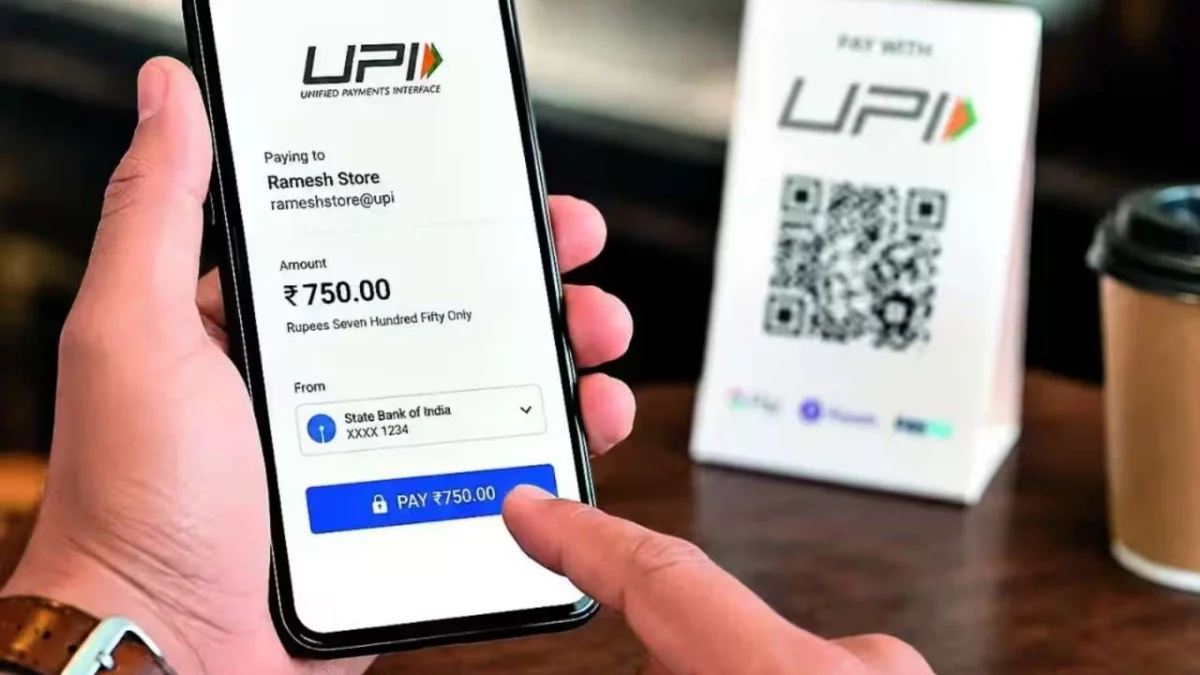
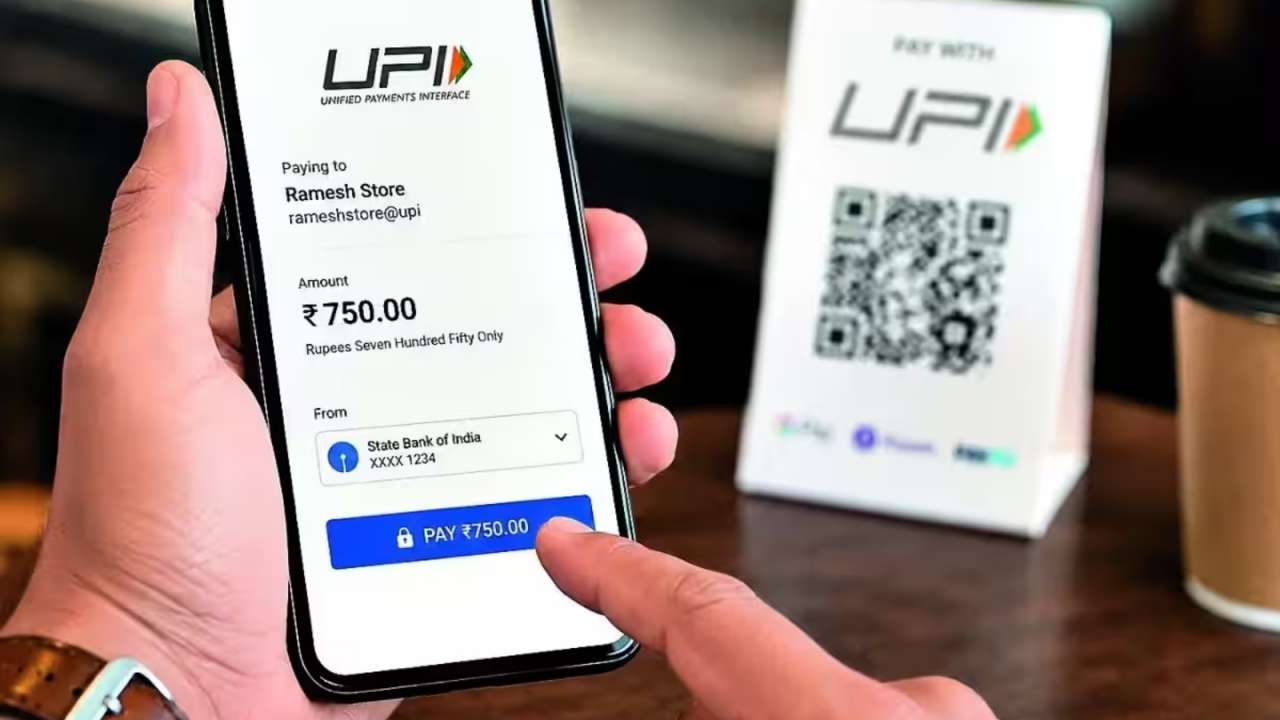
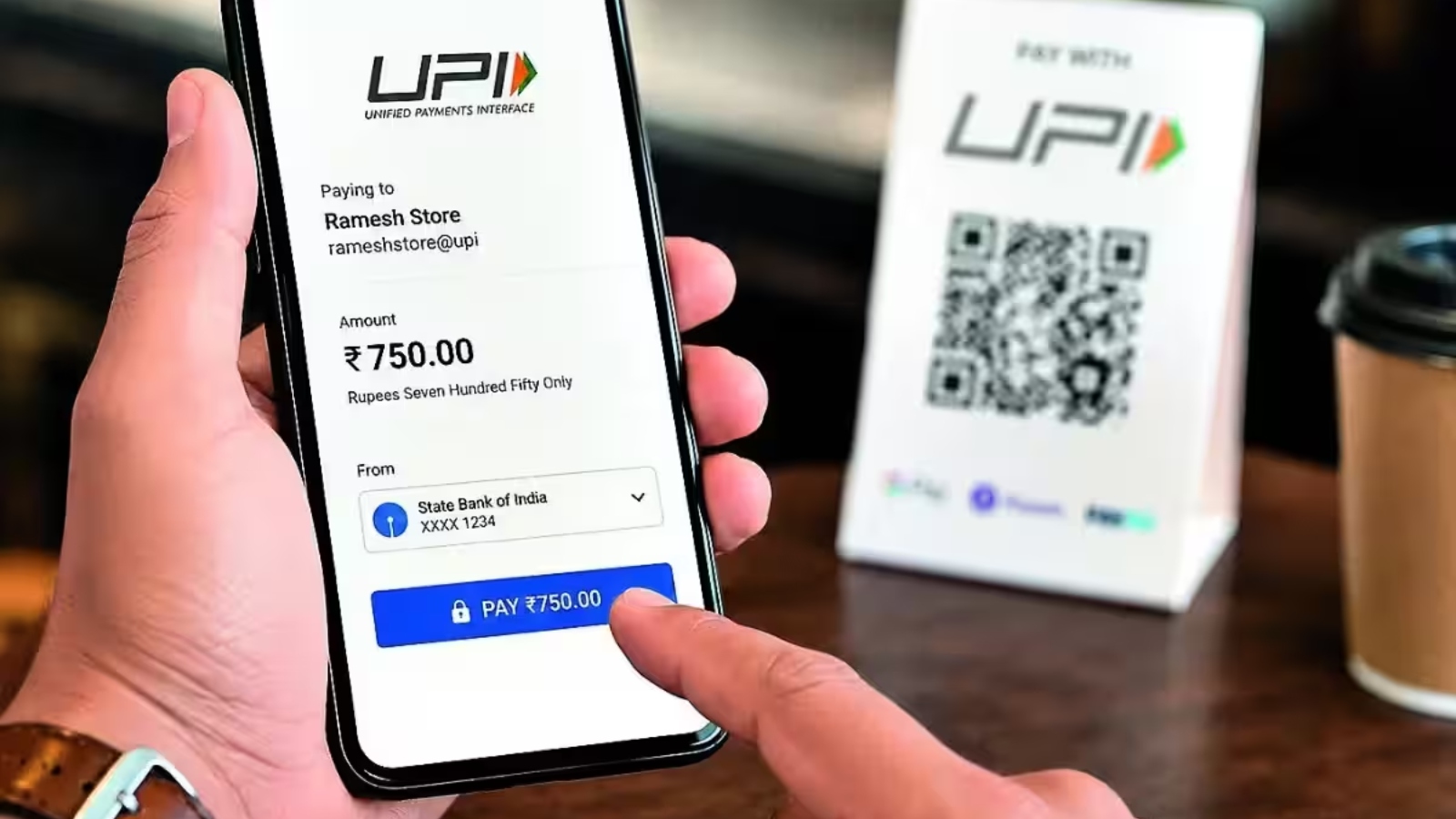
New Delhi, [Date] – The Indian government has definitively quashed widespread speculation regarding the imposition of a separate Goods and Services Tax (GST) on Unified Payments Interface (UPI) transactions. This crucial clarification comes in the wake of the recent introduction of a Merchant Discount Rate (MDR) on person-to-merchant (P2M) payments exceeding Rs 2,000, effective from October 15. Officials have categorically stated that the MDR is a processing fee, not a tax, and will operate within the existing GST framework, with businesses eligible to claim Input Tax Credit (ITC).
The government’s swift intervention aims to alleviate concerns among merchants and consumers, who feared that the new MDR framework would lead to an additional tax burden on the country’s most popular digital payment platform. Amid a rapidly evolving digital payments landscape, this official stance seeks to reinforce trust in UPI’s continued accessibility and affordability, especially for the vast majority of smaller transactions.
The Core of the Clarification: No Separate GST on UPI
The central message from government authorities is unequivocal: reports of a distinct GST levy on UPI transactions are unfounded and constitute "false rumour." The confusion appears to have stemmed from a misunderstanding of the newly introduced Merchant Discount Rate (MDR) mechanism for specific high-value transactions.
Government sources, speaking to news agencies, emphasized that the MDR, which applies to P2M UPI transactions above Rs 2,000, is fundamentally a processing charge. It is not designed as a revenue-generating tax for the government, nor does it introduce a new category of taxation on digital payments. Instead, it is a fee intended to support the operational costs and sustainability of the payment ecosystem. Crucially, any applicable MDR will be treated within the existing tax framework, specifically allowing businesses to offset it through Input Tax Credit (ITC). This mechanism ensures that businesses paying MDR can claim it back against their GST liabilities, effectively preventing it from becoming an additional cost for registered entities. Furthermore, officials assured that any issues arising from the implementation of this new framework would be deliberated and addressed by the GST Council, the apex decision-making body for GST in India.
)
This clarification is vital given UPI’s pervasive presence in India’s financial ecosystem. Launched in 2016, UPI has revolutionized digital payments, transforming daily transactions for millions and becoming a cornerstone of the ‘Digital India’ initiative. Its success has been largely attributed to its user-friendliness, instant settlement, and, significantly, its zero-transaction-cost model for both payers and recipients for a considerable period. The recent policy adjustment, therefore, naturally sparked intense public debate and a flurry of speculative reports, making the government’s prompt and detailed clarification indispensable.
Chronology of a Policy Shift: From Free to Fee (for some)
The evolution of UPI’s transaction cost structure is a journey marked by innovation, widespread adoption, and a growing need for ecosystem sustainability.

Early Days and the Zero-MDR Policy:
From its inception, UPI operated on a zero-MDR policy, meaning neither the merchant nor the customer incurred a direct charge for transactions. This policy was instrumental in driving the rapid adoption of UPI across India, making it accessible to individuals and businesses of all sizes, from street vendors to large retail chains. The government actively promoted this cost-free model, often subsidizing the costs borne by payment service providers (PSPs) and banks to encourage digital transactions. This strategy successfully integrated millions into the formal digital economy, fostering financial inclusion on an unprecedented scale.
The Rising Cost of a Free Service:
As UPI’s transaction volumes soared into billions monthly, the costs associated with maintaining and upgrading the robust infrastructure, security, and processing capabilities also escalated significantly. Banks, payment aggregators, and other participants in the payment ecosystem incur substantial operational expenses. While the zero-MDR policy was a boon for adoption, it placed a considerable financial burden on these entities, largely offset by government subsidies or cross-subsidization from other banking services. The long-term sustainability of such a rapidly expanding, critical public utility became a pressing concern.
)
Consultations and the Path to MDR:
Recognizing the need for a sustainable funding model, the government initiated extensive consultations with a wide array of stakeholders. These included regulatory bodies like the Reserve Bank of India (RBI) and the Securities and Exchange Board of India (SEBI), stock exchanges, payment aggregators, banks, and other industry participants. The objective was to devise a mechanism that would ensure the continued growth and innovation of UPI while fairly distributing the costs of its operation. The discussions focused on how to introduce a charge without stifling the digital payment momentum or disproportionately affecting small businesses and consumers.
Introduction of MDR on Select Transactions:
Following these comprehensive consultations, the National Payments Corporation of India (NPCI), which operates UPI, announced the introduction of MDR for specific UPI transactions. The framework stipulated that person-to-merchant (P2M) UPI transactions exceeding Rs 2,000 would attract an MDR of 0.4%, subject to an overall cap of Rs 300 per transaction. This policy was slated to become effective from October 15. The carefully calibrated approach aimed to target higher-value commercial transactions, where businesses typically have more capacity to absorb or account for such processing fees. The immediate public discourse following this announcement quickly veered towards misinterpretations, particularly concerning the potential for an additional GST burden, necessitating the government’s subsequent clarification.
)
Supporting Data: UPI’s Dominance and Digital India’s Vision
Understanding the sheer scale and impact of UPI is crucial to grasping the significance of these policy clarifications. UPI is not merely a payment method; it is a cornerstone of India’s digital public infrastructure and a testament to its ‘Digital India’ vision.
Explosive Growth and Unparalleled Reach:
Since its launch, UPI has witnessed an astronomical surge in adoption. Monthly transaction volumes regularly cross billions, with values running into trillions of Indian Rupees. For instance, recent data often shows UPI processing over 9-10 billion transactions monthly, totaling over ₹15-18 trillion. This makes it by far the most dominant digital payment method in India, significantly outpacing debit/credit card transactions, net banking, and other digital wallets. Its widespread acceptance, from bustling metropolitan markets to remote rural villages, underscores its role in democratizing digital finance. This success story has even garnered global attention, with many countries looking to emulate India’s UPI model for their own digital payment ecosystems.
)
Catalyst for Financial Inclusion:
UPI has been a powerful engine for financial inclusion. Its ease of use, interoperability across various banking platforms, and minimal technical requirements have allowed millions of previously unbanked or underbanked individuals to access digital financial services. Small businesses, street vendors, and gig economy workers, who previously relied solely on cash, have embraced UPI, leading to greater transparency, reduced cash handling risks, and better financial record-keeping. This shift is vital for formalizing the economy and broadening the tax base.
Economic Benefits of Digital Payments:
The widespread adoption of digital payments like UPI brings several macroeconomic benefits. It reduces the costs associated with printing and managing physical currency, curbs black money by increasing transaction traceability, and enhances economic efficiency. Faster and seamless payments facilitate quicker business cycles and foster a more dynamic economy. By making payments digital, it also creates a rich dataset that can be leveraged for better policymaking, credit assessment, and fraud detection.
)
The Rationale Behind MDR:
The introduction of MDR, therefore, is not a step back from the ‘Digital India’ vision but rather a strategic move to ensure its long-term viability. The government’s previous subsidization of UPI was a temporary measure to kickstart adoption. As the system matures, transitioning to a user-funded model (where applicable) for infrastructure maintenance and innovation becomes a logical progression. The MDR ensures that the costs of providing these services are borne by the commercial entities benefiting from them, allowing for continuous investment in security, technology upgrades, and new features, without relying indefinitely on government exchequer or burdening other banking services.
Official Responses: Clarity on MDR vs. GST and Input Tax Credit
The government’s official pronouncements have been meticulously designed to address public confusion, drawing a clear distinction between a processing fee and a tax, and outlining the financial implications for businesses.
)
MDR is a Processing Fee, Not a Tax:
Government officials have unequivocally stated that the Merchant Discount Rate (MDR) is "a fee associated with processing digital payments." This is a critical differentiation. A tax is typically a compulsory financial charge or other levy imposed by a governmental organization to fund public expenditures. An MDR, conversely, is a commercial charge levied by the acquiring bank (or payment service provider) on a merchant for processing a digital transaction. This fee is then distributed among the various participants in the payment ecosystem, including the issuer bank, the acquiring bank, and the payment network operator, to cover their operational costs, technology investments, and risk management. By categorizing MDR as a processing fee, the government clarifies that it is not directly collecting revenue from this charge for its coffers in the same manner as a tax.
The Role of Input Tax Credit (ITC):
Perhaps the most significant aspect of the government’s clarification for businesses is the mention of Input Tax Credit (ITC). Officials confirmed that the applicable MDR "will be set off in Input tax credit." This is a crucial detail for GST-registered businesses.
)
- What is ITC? Under the GST regime, ITC allows businesses to reduce their tax liability by claiming credit for the GST paid on purchases of goods and services used in the course or furtherance of their business.
- How it applies to MDR: When a merchant incurs MDR on a UPI transaction, this MDR often includes a GST component (as it’s a service provided by the acquiring bank/PSP). For a GST-registered business, this GST paid on the MDR can be claimed as ITC. This means the business can subtract this amount from the GST it owes on its sales. In essence, for GST-compliant businesses, the MDR does not become an additional, irrecoverable cost, as the GST portion of it can be recouped. This mechanism significantly mitigates the financial impact of MDR on the formal economy, ensuring that businesses are not unduly burdened.
Consultation and Consensus:
The government further underscored that the introduction of MDR was not an arbitrary decision but the outcome of extensive consultations. "Discussions were held with SEBI, stock exchanges and payment aggregators before the framework was introduced," government sources confirmed. This multi-stakeholder engagement process is indicative of a thoughtful approach, aiming to build consensus and address potential concerns from various parts of the financial ecosystem before implementing such a significant policy change. The involvement of diverse entities ensures that the new framework is robust, equitable, and contributes to the overall stability and growth of the digital payments infrastructure.
GST Council as the Final Arbiter:
Moreover, officials assured that "any issue arising from the implementation would be considered by the GST Council." This statement provides an important safety net, indicating that the government is open to reviewing and refining the framework based on real-world feedback and challenges. The GST Council, comprising the Union Finance Minister and state finance ministers, is the highest decision-making body on GST matters, giving confidence that any legitimate concerns will be addressed at the highest level of policy formulation.
)
Implications: Impact on Merchants, Consumers, and Digital India’s Future
The introduction of MDR on select UPI transactions, coupled with the government’s clarifications, carries significant implications for various stakeholders and the future trajectory of India’s digital economy.
Impact on Merchants:
)
- Large and Mid-sized Merchants: For larger merchants, particularly those already integrated into the GST framework, the impact of MDR is largely mitigated by the Input Tax Credit (ITC) mechanism. While they will incur the MDR, the GST component can be claimed back, reducing the net cost. They often have the infrastructure and accounting systems to manage this. The convenience and broad customer base offered by UPI may still outweigh the net MDR cost for higher-value transactions.
- Small Merchants and Micro-businesses: The government has been particularly sensitive to the concerns of small businesses. Critically, the MDR will not apply uniformly to all UPI transactions.
- Transactions up to Rs 2,000: The vast majority of daily transactions for small merchants fall within this limit and will remain entirely free of MDR. This protects the core user base of UPI for everyday payments.
- Small Merchants under P2PM Category: Businesses classified under the Person-to-Person-to-Merchant (P2PM) category, which receive up to Rs 1 lakh a month through UPI QR codes, will also remain exempt from MDR. This provides a significant shield for micro-enterprises and street vendors, ensuring that the very demographic that has benefited most from UPI’s cost-free model continues to do so. This targeted exemption highlights the government’s commitment to protecting the most vulnerable segments of the economy from new charges.
Impact on Consumers:
For the average consumer, the direct impact of this MDR framework is expected to be minimal.
- Transactions below Rs 2,000: These will continue to be free for consumers.
- P2M Transactions above Rs 2,000: While the merchant pays the MDR, it is theoretically possible that some merchants might try to pass on this cost to consumers through slight price adjustments. However, in a competitive market, this is not always feasible or desirable for merchants. Moreover, the MDR is a percentage (0.4%) with a cap (Rs 300), meaning for most transactions, the absolute value of the MDR is relatively small, making it less likely to trigger noticeable price changes.
- Recurring Payments: An important clarification is that recurring UPI payments, such as utility bills, Over-The-Top (OTT) subscriptions, and mutual fund installments, will not attract the 0.4% MDR merely because their transaction value exceeds Rs 2,000. This ensures that essential services and financial investments remain easily accessible without additional costs.
Sustainability of the Digital Payments Ecosystem:
The most significant long-term implication is the enhanced sustainability of India’s digital payments infrastructure. By introducing a user-funded component for certain transactions, the MDR aims to:
)
- Fund Innovation and Maintenance: Provide a steady revenue stream for payment service providers, banks, and NPCI to invest in technology upgrades, security enhancements, and the development of new features.
- Reduce Reliance on Subsidies: Gradually reduce the government’s financial burden of subsidizing digital transactions, allowing those funds to be redirected to other public welfare initiatives.
- Foster a Level Playing Field: Create a more equitable environment where the costs of providing a service are borne by those who benefit commercially from it, rather than solely by the government or other cross-subsidies.
Addressing Concerns about a Shift to Cash:
A primary concern raised by critics was the potential for the MDR to encourage merchants and consumers to revert to cash transactions, undoing years of progress in digitalization. Government sources, however, expressed confidence that such a shift is unlikely.
- Convenience and Habit: UPI’s unparalleled convenience, instant nature, and integration into daily life have created strong user habits that are unlikely to be easily broken. The sheer ease of scanning a QR code for payment often outweighs minor transactional costs, especially for high-value transactions where the MDR applies.
- Exemptions: The extensive exemptions for small transactions and small merchants significantly reduce the incentive to switch back to cash for the majority of daily use cases.
- Benefits Outweigh Costs: For many businesses, the benefits of digital payments—security, reduced cash handling, better record-keeping, and access to a wider customer base—continue to far outweigh the marginal cost of MDR on specific high-value transactions, especially with the ITC benefit.
Future Outlook:
The government’s stance reinforces its unwavering commitment to the ‘Digital India’ mission while signaling a maturing phase for the digital payments ecosystem. The policy demonstrates a nuanced approach, balancing the need for ecosystem sustainability with the imperative of financial inclusion and affordability. As UPI continues to evolve, the framework suggests a move towards a more self-reliant model, where value-added services and higher-value commercial transactions contribute to the system’s upkeep, ensuring its continued growth and innovation for years to come. The readiness of the GST Council to review any implementation issues further underscores a pragmatic and adaptive approach to digital policy-making in India.
