

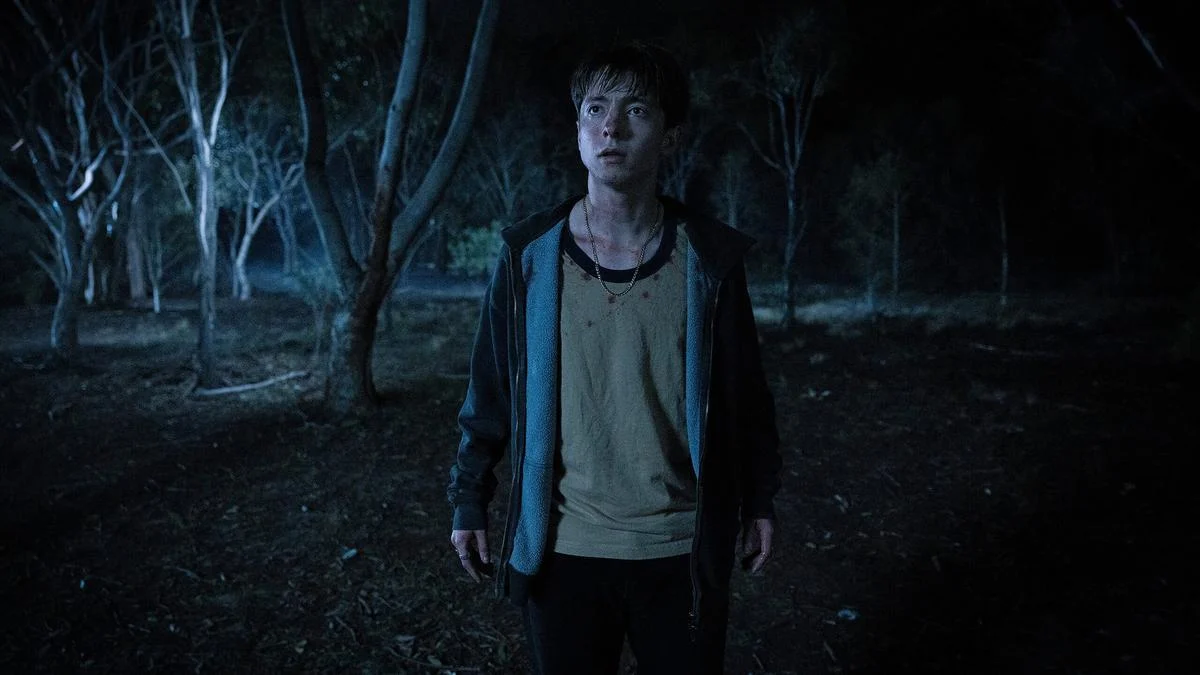
A chilling new trailer for Adrian Chiarella’s directorial debut, "Leviticus," has sent ripples of unease through the cinematic world, offering a tantalizing glimpse into a supernatural horror film that has already captivated audiences and critics alike following its acclaimed premiere at the Sundance Film Festival earlier this year. This Australian production, lauded for its potent blend of psychological dread and supernatural terror, delves into the complex interplay of identity, love, and fear, promising a profound and disturbing cinematic experience.
The film centers on Naim and Ryan, two teenagers whose burgeoning romance becomes the focal point of a terrifying supernatural entity. This malevolent force manifests in the most insidious way imaginable: as the very person its victim desires most. As Naim and Ryan grapple with this horrifying manifestation, their fight for survival becomes inextricably linked to their personal journeys of self-discovery and their confrontation with deeply ingrained societal anxieties.
Genesis of a Nightmare: From Sundance Buzz to Global Anticipation
"Leviticus" first made its indelible mark on January 23rd, premiering in the prestigious Midnight section of the Sundance Film Festival. This coveted slot, known for showcasing boundary-pushing genre cinema, provided the perfect platform for Chiarella’s distinctive vision. The film’s subsequent buzz has only intensified, fueled by the release of a new trailer that underscores the film’s unsettling atmosphere and compelling narrative.
The film is set to officially premiere in Australian theaters on June 18th, marking a significant milestone for its creators and a highly anticipated event for horror aficionados Down Under. While specific dates for international releases are still forthcoming, the strong reception at Sundance and the palpable excitement surrounding the new trailer suggest a robust global rollout is imminent. This trajectory positions "Leviticus" as a significant international player in the horror landscape.
Unpacking the Terror: Thematic Depths of "Leviticus"
Writer-director Adrian Chiarella has boldly characterized "Leviticus" as a form of "queer social horror." This classification is not merely a stylistic choice but a deeply personal and thematic anchor for the film. Chiarella has openly shared that the project draws significant inspiration from his own lived experiences, as well as the harrowing accounts of individuals subjected to conversion practices. These practices, aimed at altering an individual’s sexual orientation or gender identity, are a dark and often concealed facet of societal prejudice.

By weaving these personal and societal narratives into a supernatural framework, Chiarella aims to explore the profound psychological damage inflicted by fear, shame, and societal rejection. The entity’s manifestation as the object of desire is a potent metaphor for how internalised homophobia and external pressures can warp perceptions and create internal torment. The film thus transcends the typical jump scares of the genre, offering a more insidious and psychologically resonant form of horror that probes the anxieties surrounding identity and acceptance.
A Stellar Ensemble and Creative Powerhouse
The cast of "Leviticus" is a significant draw, featuring emerging talent alongside established industry figures. Joe Bird, who gained considerable recognition for his work on the critically acclaimed supernatural horror film "Talk to Me," takes on the pivotal role of Naim. His performance is expected to be a cornerstone of the film’s emotional and terrifying narrative. Stacy Clausen complements Bird’s performance as Ryan, his counterpart in this harrowing ordeal.
Adding further gravitas to the production is Mia Wasikowska, the celebrated Australian actress known for her nuanced and compelling performances. Wasikowska portrays Arlene, Naim’s mother, a role that promises to explore the complex dynamics of family support, or potentially, the lack thereof, in the face of societal pressures and supernatural terror. Wasikowska’s involvement extends beyond her on-screen presence; she also serves as an executive producer on the film, indicating a deep investment in Chiarella’s vision.
The production is spearheaded by Causeway Films, a company with a proven track record in delivering acclaimed Australian cinema. Their expertise, coupled with the support of key industry bodies such as Screen Australia and VicScreen, underscores the significant backing and potential of "Leviticus." This collaborative effort signifies a commitment to fostering innovative and impactful storytelling within the Australian film industry.
Influences and Comparisons: A Legacy of Fear
The filmmakers have drawn inspiration from a rich tapestry of horror cinema, both classic and contemporary. Critical discourse surrounding "Leviticus" has already begun to draw comparisons to influential films that masterfully blend psychological tension with supernatural dread. Noteworthy among these are:

-
"It Follows" (2014): This cult classic by David Robert Mitchell shares "Leviticus’" focus on a relentless, unseen threat that preys on its victims. The pervasive sense of dread and the metaphorical underpinnings of its horror resonate with Chiarella’s approach. Both films explore themes of sexual awakening and the anxieties associated with vulnerability.
-
"The Witch" (2015): Robert Eggers’ period horror masterpiece is renowned for its atmospheric immersion and its exploration of religious paranoia and societal isolation. "Leviticus" appears to echo this sentiment by delving into the psychological impact of external judgment and the internal struggle for selfhood, all within a heightened, often terrifying reality.
These comparisons are not mere coincidences but indicative of Chiarella’s deliberate engagement with the genre’s most effective storytelling techniques. By acknowledging and building upon the foundations laid by these acclaimed films, "Leviticus" positions itself as a worthy successor, capable of delivering a fresh and impactful horror experience.
Thematic Resonance and Societal Implications
The "queer social horror" label is particularly significant. It suggests that "Leviticus" is not just a story about supernatural possession or a monster lurking in the shadows. Instead, it is a film that uses the supernatural as a lens through which to examine real-world societal issues. The horror experienced by Naim and Ryan is amplified by the implicit or explicit judgments they might face from their families, communities, and wider society regarding their relationship.
The film’s exploration of conversion practices, a practice condemned by major medical and mental health organizations worldwide, brings a vital and often silenced issue to the forefront of public consciousness. By portraying the devastating effects of such practices through a supernatural allegory, Chiarella provides a powerful and accessible entry point for audiences to confront the harmful consequences of prejudice and discrimination.

The supernatural entity’s ability to manifest as the object of desire can be interpreted in multiple ways:
- Internalized Phobia: The entity could represent the fear of one’s own desires, amplified by societal condemnation. It forces the characters to confront the very things they are taught to repress or feel ashamed of.
- External Judgment Manifested: Alternatively, the entity could be a physical manifestation of the judgment and fear projected onto the characters by others. Their love for each other becomes a source of terror because society deems it so.
- The Corrupting Influence of Fear: The film may suggest that fear itself is a corrupting force, capable of twisting love and desire into something monstrous.
The film’s success could pave the way for more genre films that tackle complex social issues with nuance and artistic integrity. It offers a powerful argument for the potential of horror to be not just entertaining but also deeply insightful and socially relevant.
A Look Ahead: Theatrical Release and Future Prospects
With its Australian premiere on the horizon and international releases anticipated, "Leviticus" is poised to make a significant impact on the global cinematic landscape. While a comprehensive international theatrical rollout plan is still under wraps, the anticipation generated by its Sundance debut and the compelling new trailer suggests that distributors worldwide will be eager to bring this unique horror experience to audiences.
The film’s success will likely be measured not only by box office receipts but also by its ability to spark conversations about identity, love, fear, and societal acceptance. In a world increasingly grappling with these complex issues, "Leviticus" offers a potent and artistically crafted exploration that promises to linger long after the credits roll. The coming months will reveal the full extent of its reach and its lasting imprint on the genre and beyond.
